
121 West State Street, Reading, MI 49274
For more information about senior living options: (866) 208-4318
Overall Review of Heritage House Afc
Pros
 Vicky is described as the sweetest old lady.
- The review affectionately calls Vicky the sweetest old lady.
- Vicky is portrayed with warmth in the narrative.
Cons
 They warned that no one they cared about should be put in that place.
- The residents were loaded into a van for a short road trip during the showing.
- An older man was seen walking alone up and down the block, picking up imaginary things off the sidewalk.
- They were there half an hour early and watched him wander in the street the entire time.
- The home reeked of cat urine, and the reality agent gagged.
- There were at least 30 litter boxes and pee areas up the wall, with around 30 cats inside (some beds had three or more cats).
- A sweet old lady, Vicky, was left outside in the cold, waiting to be loaded, and she was forgotten.
- Police showed up for a wellness check.
Review
Best suited for no one seeking reliable, compassionate assisted living. The report presents Heritage House Afc as a house on the market, where residents appear treated as incidental to a sale rather than as people in need of steady care. The tour dynamic described, residents being moved off-site during a showing, reads as a radical misalignment between caregiving responsibilities and business objectives. Basic safety, cleanliness, and everyday dignity are cast into doubt, creating a setting that parties evaluating options should treat with extreme caution. For families choosing on behalf of elders, this environment signals red flags that ought to drive the search toward facilities with verifiable operations, consistent oversight, and a clear commitment to resident welfare.
Anyone who requires regular supervision, medical oversight, or a hygienic, stable residential atmosphere should look elsewhere. The takeaway is not a marginal concern but a fundamental mismatch between what is expected in a legitimate assisted-living setting and what is described here. Prospective movers should prioritize licensed communities with transparent staffing, documented care plans, and accessible inspection records. The absence of credible care delivery within this scenario elevates risk and undermines the trust that families must place in a living arrangement for a loved one.
There are effectively no redeeming pros documented; the few potential conveniences implied by a property-sale setting do not offset the core failings. The notion of a home ready to show cannot compensate for ongoing questions about resident safety, cleanliness, and appropriate supervision. When care quality is this uncertain, any potential upside, convenience, cost-savings, or location benefits, dissolves under the weight of the reported conditions. In practical terms, the absence of reliable care and oversight makes this option incompatible with even a minimal, acceptable standard for elder living.
Concrete concerns dominate the narrative: an overpowering cat odor and widespread litter boxes throughout the home, with cats reportedly sleeping on residentsā€™ beds. Such conditions raise immediate issues around sanitation, allergens, and resident comfort. Disturbing scenes described, patients wandering alone in the street, unsupervised during a visit, and one elderly resident left waiting outside in cold weather, illustrate a troubling lack of attentiveness to safety and welfare. The appearance of police involvement for a wellness check underscores a level of concern that families must treat as a non-starter rather than a negotiable risk.
For families actively evaluating options, pursue a formal, in-person tour of a licensed facility, and request current inspection and licensing records. Probe staffing patterns: who is on duty at all times, how caregivers are trained, and what safety protocols exist for wandering residents and emergency situations. Demand transparent housekeeping standards, animal policies, and cleaning routines that keep odors and clutter under control. Observe interactions between staff and residents, and ask for a clear resident-rights framework, grievance channels, and incident reporting procedures. If any hesitation persists about accountability or humane treatment, move decisively toward alternatives.
In sum, Heritage House Afc does not meet the bar for safe, respectful, well-managed senior living. The compelling conclusion is to steer toward other options with credible licensure, consistent staffing, and demonstrable commitment to resident dignity. If this property remains on the radar, approach with aggressive diligence: secure recent inspection results, insist on a live, in-use tour, and involve elder-care advocates or protective services if any welfare concerns remain. The safety and dignity of a loved one deserve facilities that prioritize care over sales tactics.
 12 resident community capacity
 Assisted Living
 Board and Care Home
 Respite Care
 Cable or satellite TV
 Dining room
 Fully furnished
 Garden
 Housekeeping services
 Move-in coordination
 Outdoor space
 Telephone
 Wi-Fi/high-speed internet available
 24-hour supervision
 Activities of daily living assistance
 Assistance with bathing
 Assistance with dressing
 Assistance with transfers
 Diabetes diet
 Meal preparation and service
 Medication management
 Special dietary restrictions
 Transportation arrangement (medical)
 Transportation to doctors appointments


 How and When Medicaid May Cover Assisted Living Costs
 A Detailed Exploration of Assisted Living Medicaid Waivers Across the United States
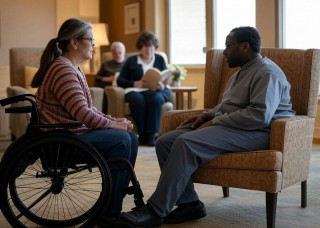 Comprehensive Residential Support and Assisted Living Solutions for Individuals with Disabilities