
4231 Cole Road, Hillsdale, MI 49242
For more information about senior living options: (866) 208-4318
Overall Review of Country Garden Adult Foster Care
Pros
 Some of the staff are great.
- The facility is clean and well maintained.
- It is a small place that gives residents the attention they need.
- Grandmother is in good hands with the staff.
- Grandpa is really enjoying his space there.
- Mom has received very loving care for more than three years.
- The staff, including supervisors, nurses, CNAs, and maintenance, provided thoughtful care on both shifts.
- The staff stopped by to offer hugs and share memories on the day Mom passed.
- The team helped make Mom's final years much more joyful.
Cons
 They were not treated kindly by coworkers or management, including being yelled at by HR in front of others.
- They were terminated due to health problems related to pregnancy, and management repeatedly lied about receiving help such as moving to the back building with 1-assist residents.
- Management favored others causing drama by moving them to the 1-assist house instead of the employee, despite promises of a transfer.
- They were wrongfully terminated and discriminated against two days before Christmas.
- Some staff did not deserve to work in this industry.
- A worker was leaving medications lying around and admitted neglecting a resident, while management did not inform them about the resident’s presence or dentures.
- Management and HR ignored reports of neglect and allowed the problematic worker to continue.
Review
Country Garden Adult Foster Care in Hillsdale, Michigan is best suited for seniors who want a small, home-like setting where caregivers know residents well and daily touchpoints feel personal. This community rewards families that value frequent, direct interaction with caretakers, reassurance from staff, and the sense that residents are treated as individuals rather than room numbers. The environment supports residents who prefer calm routines, familiar faces on every shift, and the feeling of a family-style home rather than a clinical campus. It works best for families prepared to participate in oversight and who tolerate a quieter pace rather than a program with broad amenities or on-site specialists.
Those who may want to consider alternatives include families needing reliable schedules for errands and transportation, or those requiring more formalized oversight and administrative accountability. The absence of in-house transportation is a consistent practical gap, and leadership and HR dynamics have produced friction in at least one staff experience. For residents who require higher levels of medical management, memory-care programming, or a robust activity calendar coordinated by a professional team, a larger facility with stronger governance may be preferable. Prospective residents should weigh whether the small, intimate setting can meet evolving needs without sacrificing safety and clear communication.
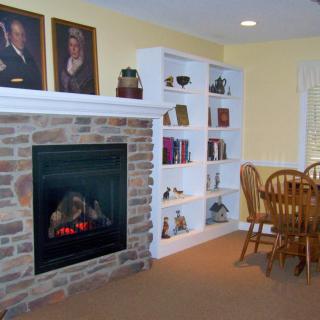
On the positive side, the strongest proven asset is the caregiver connection. Residents and families repeatedly note attentive staff, frequent checks, and a clear sense that people are watched over throughout the day. The setting’s compact size makes it feasible for staff to rotate through rooms, address discomfort quickly, and respond with warmth. Families describe caregivers who listen, advocate for residents’ comfort, and celebrate small milestones. Clean, well-maintained facilities complement this care culture, reinforcing a sense of dignity and safety. In the most personal moments, such as end-of-life care, the staff’s compassion leaves a lasting impression on families and friends.
Nevertheless, significant concerns run through the administrative layer. A former employee described a hostile work environment, with HR actions that felt punitive and discriminatory, and at least one instance of management failing to protect a resident’s welfare. Reports of medication being left unattended, residents being mischaracterized or not properly informed, and delays in addressing pain or mobility issues point to safety gaps when staffing pressures occur. While these incidents do not define daily operation, they signal a risk pattern that families must interrogate: who is supervising, how problems are escalated, and what protections exist to prevent neglect or inconsistent care? The small scale naturally magnifies any leadership missteps, making oversight critical.
How the positives balance against these negatives depends on expectations and involvement. For families comfortable with staying actively engaged, visiting often, asking for routine reports, and challenging gaps, the intimate care environment can offset concerns about administrative turbulence. The high caregiver-to-resident ratio and the warmth of dedicated CNAs and nurses create a daily atmosphere that feels safer and more personal than many larger facilities. But the danger remains that leadership unpredictability, plus transportation gaps, can erode continuity of care over time. If a resident’s needs begin to escalate, requiring more medical coordination or transportation to appointments, the current model may struggle to keep pace.
Practical next steps involve targeted due diligence: visit during different shifts to observe how staff interact with residents, ask direct questions about supervision, whistleblower protections, and how emergencies are handled; request to speak with multiple families about their experiences; verify staff turnover rates; and map out transportation solutions or external support for errands. If alignment is found, shared values around individualized attention, a homey atmosphere, and responsive caregivers, the decision should include a plan for ongoing oversight and a defined review period. Country Garden offers a promising, caring option for a particular senior persona, but families should enter with clear expectations and a strategy to safeguard consistency in care.
 6 resident community capacity
 Assisted Living
 Cable or satellite TV
 Dining room
 Fully furnished
 Garden
 Housekeeping services
 Move-in coordination
 Outdoor space
 Telephone
 Wi-Fi/high-speed internet available
 24-hour supervision
 Activities of daily living assistance
 Assistance with bathing
 Assistance with dressing
 Assistance with transfers
 Diabetes diet
 Meal preparation and service
 Medication management
 Special dietary restrictions
 Transportation arrangement (medical)
 Transportation to doctors appointments



 When to Transition from Assisted Living to Memory Care: Key Indicators, Steps, and Finding the Right Community
 Assisted Living and Memory Care: Understanding Their Core Differences
 Beyond the Bingo Hall: 50+ Enriching Activities for Seniors in Assisted Living