
109 Village Green Boulevard, Hillsdale, MI 49242
For more information about senior living options: (866) 208-4318
Drews Place At Village Green II Costs & Pricing
Drews Place At Village Green II offers a competitive monthly rate of $4,050 for a one-bedroom accommodation, which positions it strategically within the regional market. While this cost is notably lower than the average rate in Hillsdale County at $5,300, it is somewhat higher than the statewide average of $3,384 in Michigan. This pricing suggests that Drews Place may provide unique amenities or services that justify its premium over the state average while still appealing to potential residents seeking value in comparison to local options. Overall, the costs reflect a thoughtful approach to balancing quality care with affordability in a dynamic housing landscape.
| Floor plans | Drews Place At Village Green II | Hillsdale County | Michigan |
|---|---|---|---|
| 1 Bedroom | $4,050 | $5,300 | $3,384 |
Overall Review of Drews Place At Village Green II
Pros
 Drew's Village Green is a wonderful place.
- Residents receive excellent care.
- The staff keep the facility clean and homey.
- Drew's Village Green is highly recommended.
- The staff are caring and friendly.
- The amenities are wonderful.
Cons
 There are no negative statements present in the provided reviews.
Review
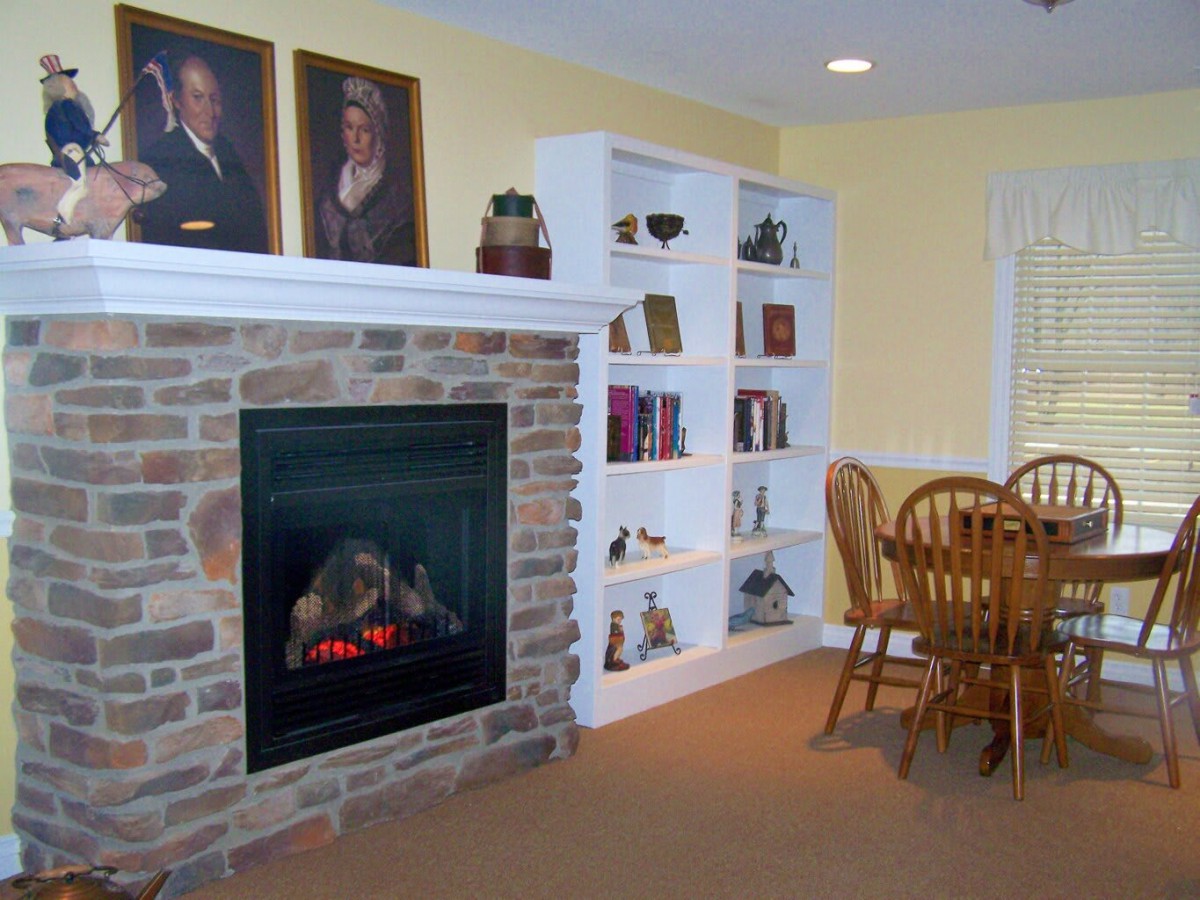
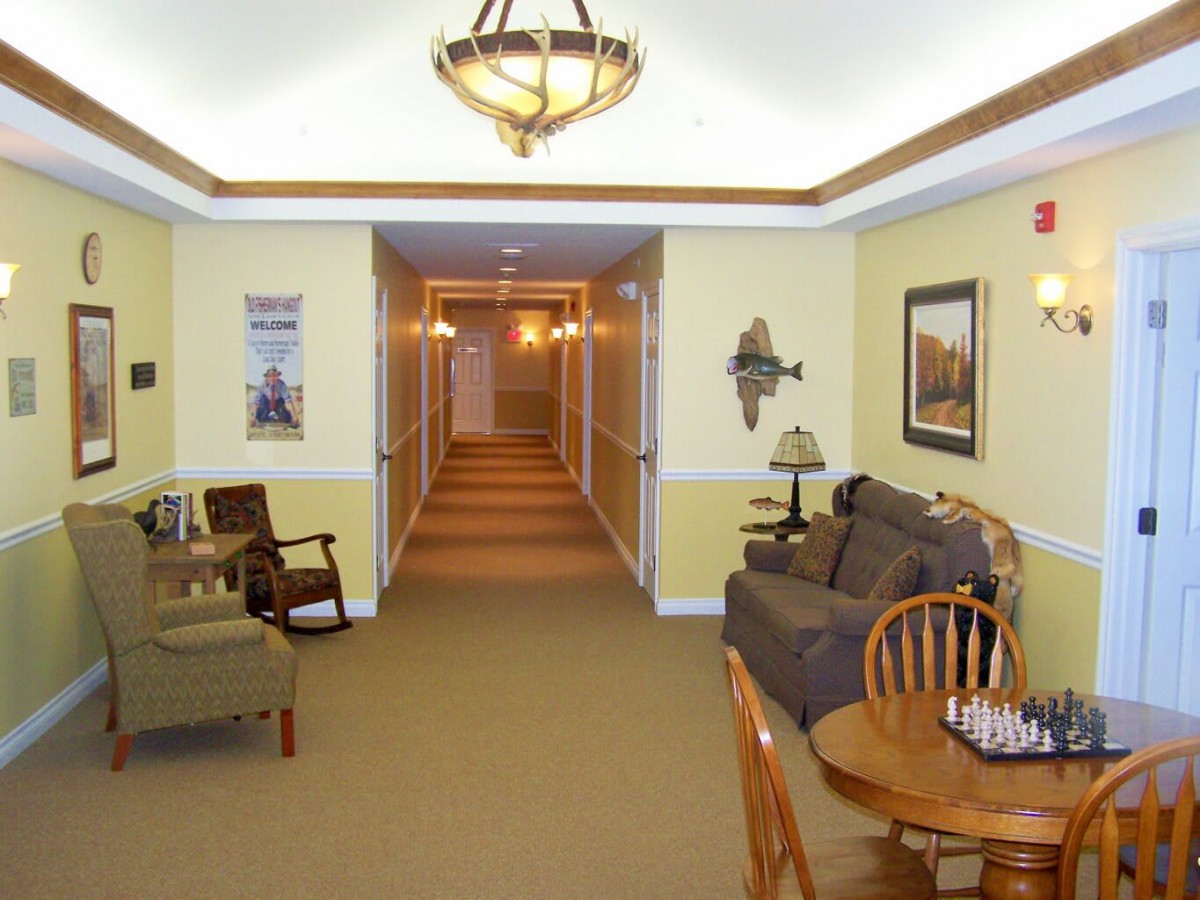
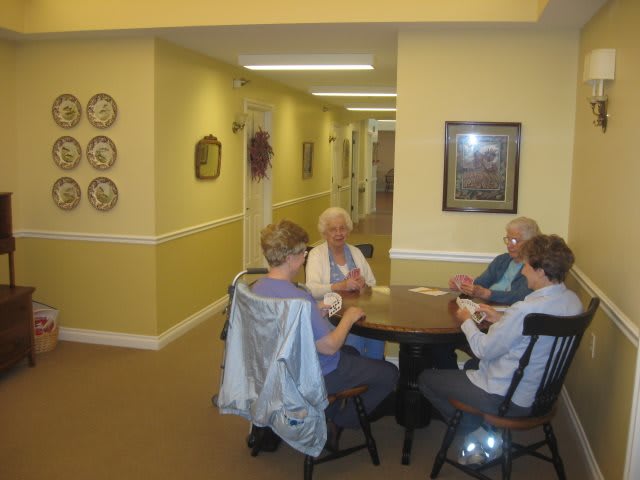
Drews Place At Village Green II in Hillsdale is best suited for seniors who want a warm, home-like assisted living where caregiving feels personal and steady. The community shines for residents who primarily need help with daily tasks, companionship, and a reliable routine rather than ongoing, high-intensity medical oversight. Families seeking a place with clean spaces, a comfortable atmosphere, and staff who treat residents as people first will find the vibe here, calm, welcoming, and consistently attentive. The strongest signal from families is that care quality and daily living comfort are the top priorities, and that those elements tend to translate into real-life peace of mind for relatives watching from afar.
Those with more demanding needs should consider alternatives. If a resident requires specialized memory-care programming or around-the-clock skilled nursing, or if the plan calls for a more clinical setting with extensive rehabilitation services, a larger campus or a facility dedicated to dementia care may be a better fit. Cost structures and activity calendars vary, and for those chasing a highly robust, hospital-like environment, this community may feel more homelike than purpose-built to that level of medical intensity. In short, it’s not the default stop for every level of care; it serves well the needs of many, but not all.
Pros are consistent and tangible: staff are described as caring and friendly, the facility is kept clean, and the atmosphere is homey. The practical benefits, reliable assistance with daily living, respectful interactions, neat common areas, and amenities that support comfortable living, create a steady daily rhythm residents can rely on. That reliability can offset any perception of limited programming because the focus is on dignity, safety, and familiar routines. A family note that a mother-in-law lived there for three years and received excellent care underscores durability and trust; another mention of a grandfather’s few-month stay reinforces flexibility and a welcoming environment. One 1-star review hints at a caveat, reminding that experiences can vary and that due diligence during tours matters.
From a decision-focused perspective, the climate here rewards consistency over flash. Cleanliness, warmth, friendly staff, and a well-appointed setting translate into fewer daily hassles for families and more predictability for residents. The amenities are described as wonderful, contributing to social engagement and comfort without feeling clinical. Yet the absence of detail about medical services in the reviews should spark exact questions during a visit: what level of assistance is included, how staff-assisted medical tasks are managed, what happens if health needs escalate, and how well transportation, meals, and activity programming align with individual preferences. The lived experience appears strong, but the alignment must be confirmed against specific care requirements.
To decide, families should schedule a face-to-face tour and push for specifics: staff-to-resident ratios across shifts, who handles medication management, and what kinds of life-enrichment activities are routinely offered. Ask for menu examples, dining schedules, and whether transportation to appointments is provided. Probe memory-care options even if not marketed as a dementia-focused facility, and speak with current residents about responsiveness and autonomy. Bring up the lone 1-star rating and seek clarity on the issue raised, this clarifies whether the concern is isolated or systemic. The aim is to confirm that the positives, careful, homey care and solid daily life, align with the resident’s exact health and lifestyle needs.
In sum, Drews Place At Village Green II stands out as a practical, reassuring choice for families prioritizing warmth, consistent caregiving, and comfortable, well-maintained surroundings. It delivers the everyday care and human touch that make a difference in senior living, offsetting the absence of a highly medicalized environment. Those with more intensive medical or memory-care requirements should look to alternatives with stronger clinical supports. For the right resident and family, this community offers reliability, dignity, and a welcoming home where life can continue with familiarity and respect.
 20 resident community capacity
 Assisted Living
 Board and Care Home
 Activities off-site
 Air-conditioning
 Bath tubs
 Beautician on-site
 Cable or satellite TV
 Devotional services off-site
 Dining room
 Fully furnished
 Garden
 Ground floor units
 Handicap accessible
 Housekeeping services
 Indoor common areas
 Kitchenette
 Move-in coordination
 Outdoor common areas
 Private bathrooms
 Respite or short term stays offered
 Telephone
 Wi-Fi/high-speed internet available
 24-hour call system
 Ambulatory care
 Assistance with bathing
 Assistance with dressing
 Assistance with transfers
 Diabetes diet
 Diabetic care
 High acuity care
 Incontinence care
 Meal preparation and service
 Medication management
 Mental wellness program
 Special dietary restrictions
 Transportation arrangement (medical)
 Transportation to doctors appointments
 Art classes
 Catholic services
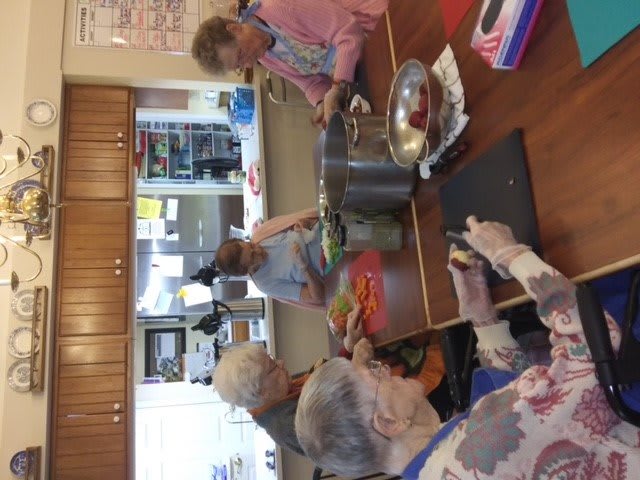
 Cooking classes
 Educational speakers / life long learning
 Jewish services




 Funding and Affording Assisted Living: A Thorough Overview
 Assisted Living Expenses and Long-Term Care Insurance: A Comprehensive Exploration
 Securing Financial Support for Assisted Living: A Comprehensive Overview