
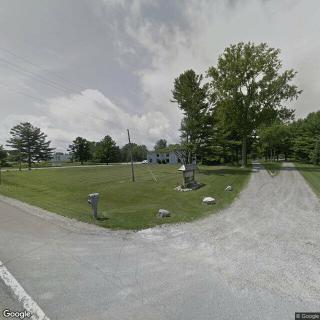
7252 Cedar Street, Port Sanilac, MI 48469
For more information about senior living options: (866) 208-4318
Overall Review of Carols Adult Foster Care
Pros
 The staff at Carol’s Place treated residents with respect and as if they were their own family.
- The staff loved residents as if they were their own mother.
- The meals were home-cooked, and residents never went without wonderful care.
- The staff were professional and generously caring.
- It is an excellent choice for an assisted living home.
Review
Carols Adult Foster Care in Port Sanilac, Michigan, is best suited for seniors who want a warm, home-like setting where caregivers treat residents with genuine respect and daily life feels more like family than facility living. It serves well for families seeking steady, long-term placements where staff become familiar with individual routines, preferences, and histories. This option shines for those who prize dignity, continuity, and meals prepared in-house, delivered with consistent attentiveness. It is particularly appealing to residents who flourish in a smaller community with a tight-knit caregiver team and are comfortable with a more intimate level of support. Those whose needs include around-the-clock medical management, extensive rehabilitation programs, or high-level memory-care specialization should likely look at larger, more resource-rich options.
A family narrative from a resident who lived there for six years underscores the core strengths: respect and genuine affection, as if the mom were their own. The caregivers are described as treating her with the decorum and attention reserved for family members, not mere residents. Meals are consistently home-cooked, and care is described as wonderful, with staff who are at once professional and generously caring. Such compliments point to a culture where residents feel valued, safe, and consistently supported, which in turn reduces anxiety for families. When a setting can maintain that level of warmth over many years, it becomes less about “getting by” and more about thriving in daily life.
The practical advantages of this approach are clear: a small team that knows each resident by name, a home atmosphere that minimizes the clinical feel, and a routine that respects personal preferences. The combination of professional conduct and heartfelt kindness helps prevent signs of neglect or indifference and builds trust between families and caregivers. Home-cooked meals contribute to comfort, nutrition, and predictable daily rhythms. The six-year tenure noted by the family not only demonstrates stability but also signals a facility that builds long-standing relationships with residents and their loved ones, enabling smoother transitions and fewer disruptions for seniors who value consistency.
Yet, the single-highest review does not spell out potential drawbacks, which means readers should anticipate typical trade-offs in a smaller foster-care setting. Compared with larger assisted living campuses, there may be fewer on-site specialists, a narrower array of activities, and limited availability of intensive medical or rehabilitative services. Residents needing complex wound care, frequent therapy sessions, or dedicated memory-care programming might outgrow the capacity of a home of this scale. Those evaluating options should verify exact staffing levels, care plans, and what happens if health shifts require more support. This is not a shortcoming so much as a definable boundary that helps align expectations with personal needs.
When weighing the pros against these potential limitations, the advantages remain compelling for many families. The dignity of care, the familial environment, and dependable, home-style meals create a quality-of-life standard that can be hard to match in larger institutions. Continuity of staff and the perception of being treated as family offset the lack of formal amenities with a deep sense of trust and security. For residents who crave a personable, predictable day-to-day life and caregivers who remember names, preferences, and histories, these factors can outweigh the absence of a broader activity calendar or clinical depth.
For families deciding where to place a loved one in Port Sanilac, this community represents a strong match if the priority is personal respect, consistent daily routines, and a home atmosphere that values dignity as much as care. Prospective buyers should schedule visits to observe interactions, inquire about caregiver-to-resident ratios, and review cost structures and care plans. If the goal is a setting that prioritizes family-style caregiving over institutional breadth, Carols Adult Foster Care stands out as a practical, experienced choice. If the senior requires advanced clinical oversight, or more expansive therapy options, alternatives, ranging from larger assisted living campuses to memory-care-focused homes, should be explored with the same due diligence.
 12 resident community capacity
 Assisted Living
 Board and Care Home
 Memory Care
 Activities on-site
 Cable or satellite TV
 Devotional services off-site
 Dining room
 Fully furnished
 Garden
 Housekeeping services
 Indoor common areas
 Move-in coordination
 Outdoor space
 Telephone
 Wi-Fi/high-speed internet available
 24-hour supervision
 Ambulatory care
 Assistance with bathing
 Assistance with dressing
 Assistance with transfers
 Diabetes diet
 Diabetic care
 Hospice waiver
 Meal preparation and service
 Medication management
 Mental wellness program
 Special dietary restrictions
 Transportation arrangement (medical)
 Transportation to doctors appointments


 Why Do Dementia Patients Sleep So Much? Understanding Oversleeping, Stages, and Care Approaches
 8 Key Indicators That Suggest It May Be Time to Transition from Assisted Living to Skilled Nursing Care
 Nourishing the Mind: Essential Dietary Approaches for Dementia