
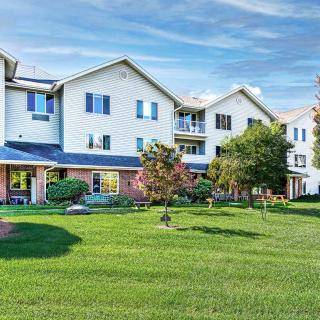
240 Mills St, Croswell, MI 48422
To contact a resident: (810) 679-2210
For more information about senior living options: (866) 208-4318
Overall Review of Croswell Country Manor
Cons
 Lynne is awful to the residents.
- The manager is described as the worst there.
- Lynne caused the reviewer’s mom to be so stressed that she was afraid to go outside when Lynne was around.
- The reviewer would never allow a loved one to live there as long as Lynne was around.
Review
Croswell Country Manor is best suited for families who can commit to active oversight in a tight-knit, low-frills setting in Croswell. The single available review frames the community around the quality of its leadership, suggesting that who is in charge will make or break the resident experience. In practical terms, only those with the bandwidth to monitor day-to-day care and intervene when tensions rise should consider it at all. The environment described implies that resident well-being hinges on management behavior, which places real risk on seniors who already contend with anxiety and isolation. Proximity and price may matter, but they do not compensate for a leadership dynamic that appears unstable.
Alternatives should be on the radar for families that prioritize dignity, autonomy, and consistently responsive care. If a facility cannot demonstrate respectful, stable management or a clear plan to address resident needs promptly, it warrants serious exploration of other options. Seek settings with documented staff training, transparent channels for communication, and a culture that places resident comfort and safety at the forefront. In such a landscape, Croswell Country Manor moves toward the riskier end unless stronger, verifiable evidence of competent, compassionate leadership emerges.
From the limited evidence available, there are no compelling pros that offset the core concern: unreliable, potentially punitive management. A smaller, local setting can offer personalized attention in better circumstances, but those benefits vanish when leadership undermines trust or intimidates residents. The report that the manager was “awful to the wonderful people living there” and that a loved one became stressed and fearful around her presence signals a climate where emotional safety is not guaranteed. Without consistent leadership that models respect, the essential need for peace of mind becomes unattainable.
The central con, management behavior that provokes fear, also magnifies other risks. When a resident is afraid to go outside or engage with staff, social isolation follows, daily activities shrink, and basic safety monitoring may falter. The reviewer’s experience implies a mismatch between resident rights and how care is delivered, raising questions about accountability, complaint resolution, and staff morale. In turn, this can erode family trust, complicate transitions, and heighten the likelihood of rapid staff turnover, leaving residents without stable routines. In a setting where leadership quality is inconsistent, these cascading problems can become the norm rather than the exception.
Families weighing Croswell Country Manor should take decisive, proactive steps before committing. Schedule multiple visits at different times, including periods when staff are on duty and activities are in progress, to observe interactions firsthand. Interview several staff members and, crucially, residents about daily routines, responsiveness, and how concerns are handled. Request the administrator discuss specific policies on resident rights, behavior by management, and escalation pathways. Check for public records or complaints, and ask for references from nearby families with longer tenure. If the impression remains negative, compare neighboring communities with stronger leadership reputations and documented resident satisfaction before making a final decision.
Overall, Croswell Country Manor represents a potential fit only for families prepared to take a hands-on stance to oversee care and willing to accept a leadership dynamic that may be unstable. The single negative review is a clear red flag, and the lack of corroborating positives makes the risk profile high. For most seniors who value consistent, respectful management and a predictable daily rhythm, alternatives should be prioritized. If this option is still considered, approach with a concrete plan for ongoing oversight, structured check-ins, and a clear exit strategy should the environment fail to meet basic safety and dignity standards.
 Skilled Nursing Facility
 Vibrant community with convenient access to cafes, parks, dining, worship, and healthcare.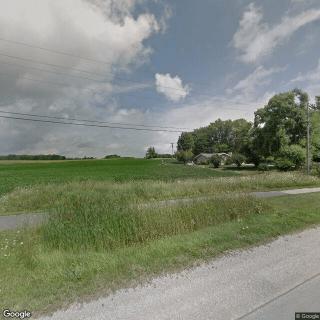
 A Closer Look at Private Pay Home Care
 Comprehensive Approaches for Arthritis: A Detailed Guide to Symptoms, Causes, and Care
 Comprehensive Insights and Practical Strategies to Help Older Adults Avoid Falls