
5558 Union St, Lexington, MI 48450
To contact a resident: (810) 359-5108
For more information about senior living options: (866) 208-4318
Overall Review of Babcock Adult Foster Care Home
Pros
 Lakeshore AFC is a wonderful facility.
- The staff are incredibly kind, hardworking, and provide great care for each resident.
- The facility is kept very clean and feels like a welcoming home.
- Residents enjoy home-cooked, delicious meals.
- Loved ones are treated like family in a caring, attentive environment.
- Families report high satisfaction with the care and would highly recommend Lakeshore AFC.
- The home is beautiful and well-maintained, offering a comfortable living environment.
Cons
 The facility reportedly does not take combative residents and may rehome them.
- Staff were said to talk badly about a resident and then remove her for using nasty language.
- The home is described as very picky about whom they will take in and will remove residents they don’t like.
- They will remove residents if they are not to their liking.
- Visitation rules were said to prevent a relative from seeing their loved one (e.g., unable to visit “Grandma” Jessie).
Review
This community is best suited for families seeking a small, home-like setting where a resident can expect personal attention, warmth, and a true “care like family” atmosphere. The strongest fit is for seniors who value cleanliness, home-cooked meals, and relationships with staff that feel more personal than in larger facilities. It works best for residents who are reasonably self-sufficient or lightly assisted, who do not require intensive behavioral management or round-the-clock supervision, and for whom a calm, intimate environment will significantly enhance daily life. In short, this is a practical home option for someone who wants comfort and connection without the institutional feel.
Those who may want to consider alternatives are residents with higher care needs or behavioral challenges. Several reviews flag the facility as selective in admissions and quick to rehome or dismiss residents who “don’t fit,” particularly if a resident is combative, disruptive, or requires more extensive supervision. Families should not overlook the implication that a change could be abrupt or unsympathetic in the eyes of a loved one. Additionally, there are notes about rules or policies that limit family access or external visits, which can be difficult for relatives who want close involvement or frequent contact with the resident. These factors make alternatives more attractive for those requiring broader admission criteria or more flexible visitation.
On the upside, the core strengths are substantial and hard to match in a similar footprint. Residents consistently describe home-like surroundings, a caring and hard-working staff, and a clean, well-kept environment that feels safe and welcoming. The emphasis on home-cooked meals and the sense of family in daily routines contribute to comfort and satisfaction. Private rooms are a meaningful asset, allowing residents to maintain personal space and control, including familiar routines like remote control use or personal belongings. The fact that the owner is actively involved in shopping and care logistics signals a level of hands-on stewardship that bolsters reliability and responsiveness in day-to-day care.
The principal downsides center on admission control and potential policy rigidity. The most significant risk is the prospect of a resident being rehomed or excluded if they don’t align with the home’s expectations or if behavioral or safety concerns arise. This creates a real-security concern for families of residents who may be unpredictable, anxious, or require more substantial support. Another caveat is perceived gatekeeping around visits and the feeling that staff attitudes toward a resident can be critical in determining continued placement, which undermines a sense of ongoing partnership with families. These factors can tilt the balance for those who prioritize predictability and continuity over a tightly curated environment.
Practically, this AFC can be an excellent match for a relatively uncomplicated senior who wants a close-knit, attentive setting with clean surroundings and a warm culture. The decisive advantages, staff dedication, cleanliness, home-like feel, and private accommodations, often offset the appeal of more clinical or impersonal options. However, the decision hinges on risk tolerance for selective admissions and the possibility that a resident could be asked to leave if behavioral or safety concerns arise, or if family access is a concern due to policy. For families needing consistent access, or for residents who may require more comprehensive behavioral or medical management, alternatives with broader intake and clearer, less discretionary policies should be explored.
In short, the community serves best as a first-choice, warm-heuristic option for well-behaved, relatively independent seniors who prize intimate care and a home atmosphere. It is less suitable for those with significant behavioral needs, complex medical requirements, or families who require unfettered visitation and admission flexibility. Prospective families should visit with the resident in mind, ask direct questions about admission criteria, and discuss contingencies for behavioral challenges, to ensure alignment with long-term goals. If those conditions align, the setting can deliver exceptional daily life, but if they do not, pursuing alternatives that emphasize broader access and steadier care plans will be the prudent path.
 Board and Care Home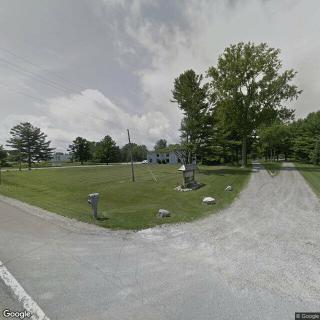


 California's Form 602A: An In-Depth Examination of Senior Care Assessment
 Comprehensive Look at Senior Blood Pressure Charts: Normal and Elevated Levels by Age
 Top Canine Companions for Older Adults