For more information about senior living options: (866) 208-4318
4.9 from 79 reviews
5 stars
76
4 stars
1
3 stars
0
2 stars
0
1 stars
2
Overall Review of Visiting Angels Living Assistance
differentiator3 reviews mention this
Alzheimer’s and dementia support
Residents describe caregivers who engage people with Alzheimer’s and dementia in day-to-day routines.
Several reviews mention memory-care needs specifically, with caregivers helping beyond basic supervision. One caregiver is described as keeping a husband with dementia engaged with walks, games, and puzzles, while also assisting with household tasks. Another review describes long-term help through Alzheimer’s decline, including support with dressing, bathing, meals, and transportation needs. One reviewer also raises a concern about Alzheimer’s experience matching, saying the assigned caregiver was not clear on Alzheimer’s care and that a safety-related incident was not handled as expected.
common3 reviews mention this
Care coordination during transitions
The care team is described as organized and responsive when families need help quickly.
Residents and families describe a smooth process for setting up and managing care as needs change. One review notes that transitioning a loved one from the hospital to care at home went well, and another highlights support when additional hospice care was needed. A separate review also points to working with a care coordinator to make a stressful first experience easier, with communication described as reliable as plans changed.
common4 reviews mention this
Flexible scheduling and reliability
Care schedules are described as flexible and dependable for daily life.
Multiple reviews mention reliable timing and the ability to adjust care as schedules shift. One family reports caregivers are punctual and dependable, and another says the agency offers flexibility to adjust schedules when needed. A different reviewer praises on-time arrivals and follow-through on tasks once assigned, while another mentions that the team works with the family’s schedule when meeting to decide on care plans.
common3 reviews mention this
Companionship and daily assistance
Care is often described as companionship plus help with everyday activities at home.
Across several reviews, families emphasize both social support and practical help. One reviewer describes companionship and care that covers daily needs, including making sure a loved one eats well and is cleaned up, along with someone to talk to. Another review focuses on a dementia caregiver’s engagement through conversation and activities, plus support with chores and occasional cooking. A separate review also describes assistance with household upkeep and personal care, along with help for appointments and outings so the person does not have to manage transportation alone.
How we summarize
Counts show how many written reviews mention each theme; a review can touch several themes, and only frequently mentioned themes are displayed.
Nearby Places of Interest
Restaurants
Palms Krystal Bar & Grill (0.1 miles)
Freighters Eatery & Taproom (0.5 miles)
Albert's Rolling Lunch (0.8 miles)
McDonald's (0.8 miles)
Bob Evans (1 miles)
Ice Cream Galore (1 miles)
Lynch's Irish Tavern (1 miles)
Parks
Pine Grove Park (0.2 miles)
Kiefer Park (0.8 miles)
Port Huron Little League Park (1.3 miles)
Centennial Park (1.3 miles)
Marysville City Park (6.1 miles)
Fort Gratiot County Park On Metcalf (6.7 miles)
Hospitals
McLaren Port Huron (0.3 miles)
Mercy Business Health Services (2.4 miles)
St Joseph Mercy Port Huron (2.4 miles)
Physicians
Samir Alsawah (0.3 miles)
Cardiology Associates of Port Huron, PC (0.3 miles)
The article examines living wills and advance directives, highlighting their significance in expressing healthcare preferences for those unable to communicate due to illness or incapacity. It discusses their historical development, legal components, limitations, practical drafting advice, and the importance of clear communication among families and healthcare professionals regarding end-of-life decisions.
Hospice care focuses on providing comfort and support for individuals nearing the end of life, with Medicare Part A covering services like nursing care and counseling for patients with a terminal illness and a life expectancy of six months or less. While most hospice services are low-cost for eligible patients, families should be aware that certain expenses, such as room and board, may not be covered.
Caregiver burnout is a common issue resulting from the intense physical, emotional, and mental demands of caregiving, leading to symptoms like fatigue and social withdrawal. To prevent burnout, caregivers should recognize early warning signs and implement self-care strategies, seek support, and prioritize their own well-being alongside that of those they care for.
Get PricingAsk A QuestionSchedule A TourContact Senior Advisor
By clicking submit, you agree to our Partner's Terms of Use. You
also consent to receive calls and texts, which may be autodialed, from our Partner. Your consent is not a condition to
using our Partner's service. Please visit our Partner's Privacy Policy for information about their privacy practices.


 Intimate, fully furnished setting with comprehensive care, meals, medication management, and transportation.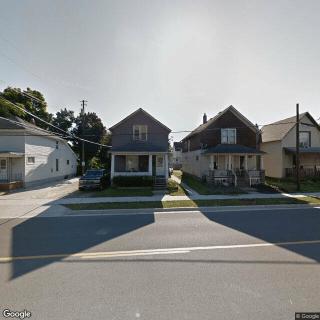

 A Detailed Exploration of Living Wills and Advance Directives
 Comprehensive Guide to Medicare Coverage for Hospice Care
 Caring for Those Who Care: Recognizing, Understanding, and Overcoming Caregiver Burnout