
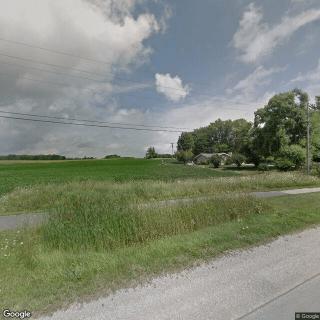
2222 Loree Road, Applegate, MI 48401
For more information about senior living options: (866) 208-4318
Overall Review of M.G. Martinez Adult Foster Care
Pros
 It is a great place to live.
- It is an excellent place to live.
- It is a wonderful place.
- It has a beautiful yard.
- It feels like home.
Cons
 They find it hard to breathe.
Review
M.G. Martinez Adult Foster Care in Applegate, MI is best suited for seniors who prize a truly home-like, intimate care setting. This community fits residents who want privacy, routine continuity, and highly personalized attention over the bustle and anonymity of larger facilities. The consistently positive signals, descriptions of it as an excellent, wonderful place with a yard that feels like home, point to a setting where caregivers know residents by name, tailor daily rhythms to individual preferences, and foster a strong sense of belonging. For older adults who prefer quiet, private space, and a domestic atmosphere over institutional grandeur, this choice delivers with credibility born from real-life satisfaction.
Who may want to consider alternatives: those requiring robust 24/7 skilled nursing oversight or specialized memory-care programming will likely find the scale of a small foster home limiting. Residents with complex medical needs, frequent hospital-level interventions, or the necessity for highly structured activities and therapy schedules may be better served by larger assisted living or dedicated memory-care communities. Families contemplating air quality, ventilation, or equipment-heavy needs should scrutinize whether a small, intimate setting can sustain those requirements long-term. In short, this is not a one-size-fits-all solution for high-acuity care or expansive programming.
The core strengths lie in the pros that naturally flow from a home-based model. The strongest asset is the environment itself: a true residential vibe where care feels personal, relationships feel genuine, and daily life unfolds with familiar rhythms. The outdoor space, described as a beautiful yard, offers regular opportunities for fresh air, light activity, and a sense of normalcy that bolsters mood and social connection. Such atmosphere reduces stress for residents transitioning from private homes and supports autonomy by keeping routines predictable and residents engaged in meaningful, nearby surroundings. This intimate scale also enables caregivers to notice subtle health changes quickly and adjust care plans with agility.
Yet the main caveat exposed in the feedback centers on breathing comfort. A reviewer’s note that it can be hard to breathe raises legitimate concerns about air quality and ventilation in a small home setting. While this singular point does not negate the otherwise warm, home-like benefits, it becomes a critical decision factor for residents with respiratory conditions, oxygen needs, or sensitivities to indoor air quality. Taken together with the high level of resident satisfaction, the issue resolves into a nuanced picture: the environment excels for many who do not require intensive medical support, but it warrants careful verification of air systems and readiness to address respiratory needs if they arise.
Practical decision factors sharpen the path forward. Prospective families should verify licensing and residential-care qualifications, then engage directly with caregivers about experience with medications, mobility supports, meals, and daily routines. An on-site visit pays dividends, observe how staff interact with residents, how safety is maintained, and whether the pace and tone align with the loved one’s preferences. The strongest case favors those who want individualized attention, consistent caregiving, and a calm, predictable living arrangement in a rural, peaceful setting. For these priorities, M.G. Martinez stands out as a compelling option.
Bottom-line guidance: for seniors who value a genuine home atmosphere, a tender, caregiver-led routine, and a beautiful yard in a quiet Applegate locale, this foster home delivers with high satisfaction and warmth. It is particularly well-suited for residents who do not require round-the-clock nursing or memory-specific programming and who place a premium on personal connection and tailored care over breadth of services. Families should approach the decision with clear expectations about medical capabilities, air quality, and the availability of supplementary supports should health needs evolve. When alignment exists on those terms, the community offers a practical, reassuring path to safe, comfortable daily living that truly feels like home.
 6 resident community capacity
 Assisted Living
 Cable or satellite TV
 Dining room
 Fully furnished
 Garden
 Housekeeping services
 Move-in coordination
 Outdoor space
 Telephone
 Wi-Fi/high-speed internet available
 24-hour supervision
 Activities of daily living assistance
 Assistance with bathing
 Assistance with dressing
 Assistance with transfers
 Diabetes diet
 Meal preparation and service
 Medication management
 Special dietary restrictions
 Transportation arrangement (medical)
 Transportation to doctors appointments
 Comprehensive Insights into Activities of Daily Living (ADLs) and Their Assessment
 Guiding Elderly Parents Who Refuse Assisted Living: 6 Practical Steps
 Your Comprehensive Guide to Luxury Assisted Living: Elevated Facilities, Amenities, and Costs