
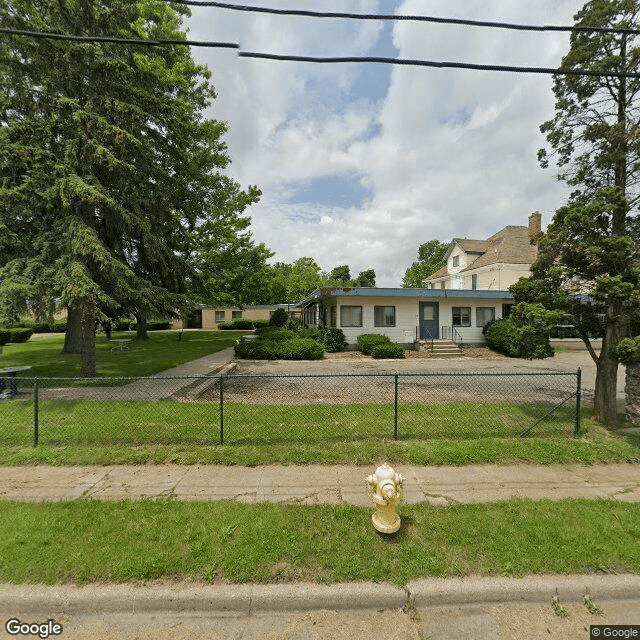
121 Prall St, Pontiac, MI 48341
To contact a resident: (248) 334-4732
For more information about senior living options: (866) 208-4318
Overall Review of Grovecrest Supportive Care
Pros
 The facility is decent.
- It is far better than many other places the reviewer has seen.
Cons
 The manager of the facility has horrible communication skills.
- She is extremely rude to concerned family members who call to check on loved ones.
- She brings her personal life situations into conversations and uses them as excuses.
- She cuts off communication between family and loved ones placed there.
- There is no compassion.
Review
This community is best suited for families seeking a budget-conscious, no-frills option in Pontiac who are prepared to take an active oversight role. Grovecrest Supportive Care can work for residents whose needs are modest enough that routine daily living tasks and basic supervision suffice, and for families willing to stay closely involved to compensate for gaps in leadership. For seniors who require consistently warm, proactive leadership and transparent, timely updates, alternatives should be seriously considered. Those with complex medical conditions, high-acuity care needs, or demanding memory-care requirements will likely find other facilities that offer stronger staff oversight and more reliable family communication.
The few positive remarks acknowledge a baseline level of adequacy. One reviewer’s note that the place is “decent” and far better than many similar options suggests a workable environment where daily routines can proceed without glaring disruption. This points to a functional setting on the surface, enough structure to support residents who don’t demand intensive therapy or highly coordinated medical management. Yet that limited praise is fragile in the face of broader, more troubling feedback about leadership and communication.
The most defined and recurrent drawback is the leadership dynamic, specifically the behavior of the on-site manager. Reviews describe rude communication with concerned family members, the insertion of personal life issues into professional conversations, and a pattern of cutting off lines of contact between families and residents. Even when care tasks happen, this style erodes trust and makes families question whether information will be shared promptly or fully. In practical terms, families face uncertain updates, delayed responses to calls for assistance, and a sense that family input is deprioritized in care decisions.
Do the pros offset the cons? Not convincingly. The modest positives, adequate routine care and a generally acceptable environment, do little to balance the impact of inconsistent, occasionally punitive communication and opaque leadership. A 2.2 out of 5 overall rating, with most points clustered at or near one star, signals a high risk that important concerns will go unaddressed. When family trust hinges on transparent, compassionate, and predictable communication, these leadership gaps substantially diminish the value of any otherwise decent baseline care.
Given the pattern, alternatives should be strongly considered for families prioritizing reliable leadership and open dialogue. Those who require proactive problem-solving, regular updates, and a visible administrator who takes concerns seriously will likely be better served elsewhere. For residents with higher medical or memory-care needs, or for families unwilling to tolerate abrupt communication or personal disclosures during professional exchanges, Grovecrest is unlikely to meet expectations. Prospective residents should compare facilities with stronger resident-care partnerships, clearer escalation procedures, and demonstrably more consistent family communication.
Practical next steps are essential. Schedule a comprehensive tour focused on staff-resident interactions and the administrator’s responsiveness. Request to speak with frontline caregivers and the person responsible for family communications to hear how updates are handled, how concerns are tracked, and what the documented escalation process looks like. Ask for sample incident logs and a written policy on family contact timetables. If choosing Grovecrest, set explicit expectations for daily updates, weekend check-ins, and a defined escalation path for urgent concerns. Consider a trial period with built-in milestones and a formal post-trial review, ensuring there is a clear backup option in place. For families unwilling to compromise on communication quality or leadership reliability, prioritize facilities with stronger ratings and proven family engagement.
 Board and Care Home




 Home Health Care Aides: Understanding Their Role and Supporting Your Family
 Urinary Tract Infections in Older Adults: Comprehensive Insights on Symptoms, Treatment, and Prevention
 California's Form 602A: An In-Depth Examination of Senior Care Assessment