
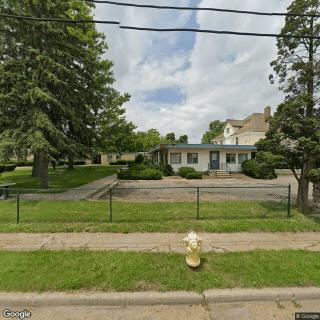
121 Prall Street., Pontiac, MI 48341
For more information about senior living options: (866) 208-4318
Overall Review of Grovecrest Senior Care
Pros
 The facility is a decent place.
- It is far better than many other facilities the reviewer has seen.
Cons
 The manager of the facility has horrible communication skills.
- She is extremely rude to concerned family that calls to check on loved ones.
- Brings her personal life situations into the conversation and uses them as excuses.
- Cuts of communication between family and loved ones that are placed there.
- No compassionate at all.
Review
Grovecrest Senior Care in Pontiac is a basic, budget-conscious option best suited for families that need a straightforward place to call home for a loved one and can tolerate uneven leadership communication. The facility appears to deliver dependable daily routines, a stable environment, and a decently maintained setting, but it does not show the level of proactive, compassionate leadership many relatives expect when coordinating ongoing care. In practical terms, this is a choice for households prioritizing affordability and predictable day-to-day operations over a high-touch experience. Those who demand consistently timely updates and warm, engaged management should keep looking.
Who should consider alternatives? Families that value consistent, respectful communication from administration, transparent updates, and a culture where inquiries are welcomed rather than dismissed should explore other options. If the loved one requires intricate care coordination, frequent family briefings, or staff who demonstrate genuine empathy and problem-solving in real time, Grovecrest may fall short. Residents who rely on careful advocacy from relatives to navigate care plans or transitions would likely fare better elsewhere, where leadership is more accessible and receptive.
From the few positive signals, the facility can be described as decent and, compared with similarly priced options, somewhat better than average. However, the most meaningful drawbacks drown out this baseline. The managerā€™s communication skills are described as poor, with repeated reports of rudeness to families and a tendency to shut down conversations rather than facilitate them. When leadership shadows even ordinary check-ins with friction and personal excuses, the trust required to coordinate medical appointments, dietary needs, and safety checks erodes. In short, basic care levels may exist, but the failure to maintain open, compassionate communication undermines overall quality.
The review mix reinforces the risk: multiple low scores and only a single positive note create a pattern of inconsistency. Even the occasional favorable comment is not enough to offset pervasive concerns about access to the administrator and the felt lack of empathy. Families should view the overall rating as a red flag about the consistency of experiences across shifts and days. In practical terms, this means the experience can swing from adequate to frustrating, depending on who is on duty and whether a call reaches a manager who will respond with courtesy.
Approach Grovecrest with a concrete plan. Before any commitment, request a direct meeting with the facility administrator to establish a predictable communication routine, including who will provide daily updates, how often families will receive progress notes, and the expected response times for calls. Ask to review the care planning process, staffing levels, and any recent changes in leadership. Seek opportunities to speak with front-line caregivers about daily workflows and to observe interaction patterns during a shift. If these assurances cannot be secured, or if communication remains inconsistent, this is a strong signal to continue the search.
The bottom line is clear: Grovecrest may work for families prioritizing cost and a basic residential environment, but the serious concerns about management communication and the absence of evident compassion make it a poor fit for anyone who values reliable family engagement. For most families, alternatives with a demonstrated commitment to transparent, respectful leadership and steady caregiver communication are worth pursuing. Begin with a candid comparison of administrative responsiveness, look for communities with clear family liaison protocols, and consider visiting to assess the tone and consistency of staff interactions firsthand. The right fit hinges on leadership that treats family involvement as part of the care plan, not an afterthought.
 53 resident community capacity
 Assisted Living
 Air-conditioning
 Beauty salon
 Cable or satellite TV
 Computer center
 Dining room
 Fitness room
 Fully furnished
 Gaming room
 Garden
 Housekeeping services
 Kitchenette
 Move-in coordination
 Outdoor space
 Private bathrooms
 Restaurant-style dining
 Small library
 Telephone
 Wellness center
 Wi-Fi/high-speed internet available
 Community operated transportation
 12-16 hour nursing
 24-hour call system
 Activities of daily living assistance
 Assistance with bathing
 Assistance with dressing
 Assistance with transfers
 Diabetes diet
 Medication management
 Mental wellness program
 Special dietary restrictions
 Concierge services
 Planned day trips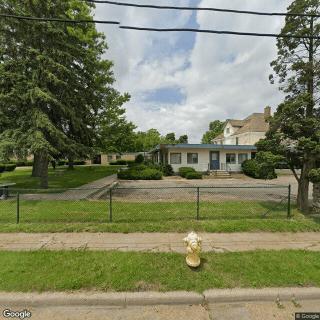



 Comprehensive Insights into Activities of Daily Living (ADLs) and Their Assessment
 Medicare Coverage for Assisted Living: An In-Depth Exploration
 Choosing the Right Senior Care: A Detailed Exploration of Assisted Living and Nursing Homes