
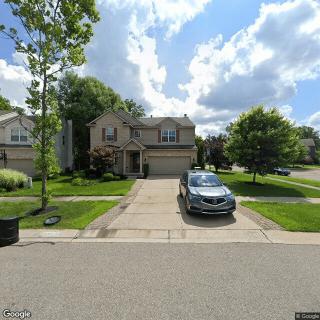
41268 Llewelyn Ct, Northville, MI 48167
For more information about senior living options: (866) 208-4318
Overall Review of Llewelyn Home Care
Pros
 He felt very welcomed and comfortable at Llewelyn Home Care.
- He enjoyed the home cooking and compassionate care.
- The care provided helped him recover and return home.
- David and his staff took excellent, personalized care of him.
- The doctor visited and offered care suggestions that helped him get back on his feet.
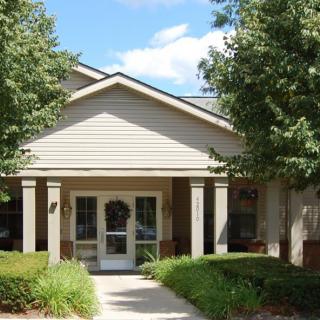
- The home is beautiful and has all the luxuries needed.
- The facility offers high-quality care with fewer patients per CNA, making it a better option than many nursing homes.
- They would definitely recommend this home to others.
Review
Llewelyn Home Care in Northville is best suited for families seeking a warm, home-like setting where seniors can recover from a hospitalization or step down from acute care with personal attention and purposeful daily support. The resident who needs close supervision, light rehabilitation, and help with routines will likely thrive here, especially when the goal is to regain independence enough to return home. The reviews consistently highlight post-acute success stories: individuals who were able to leave institutional settings and resume life at home after receiving tailored care, good meals, and steady monitoring. This community excels for those who prize comfort, familiar surroundings, and a caregiver team that feels like family rather than a row of distant staffers. In short, it’s a practical fit for recovering seniors who don’t require a large campus or highly technical hospital services on site.
Those considering alternatives should note who may want something different. For residents whose needs lean toward intensive, around-the-clock medical nursing or highly specialized memory care, a larger assisted living or traditional nursing home may be a better fit. The setting is described as not state-of-the-art in the industrial sense, which matters to families seeking the latest rehab equipment or a purely clinical environment. If 24/7 on-site skilled nursing, expansive rehab programs, or a full continuum of on-site medical specialties are non-negotiable priorities, this option should be weighed against more traditional facilities. The small, AFC-style model is a strength for individualized care but can be a drawback if extensive institutional resources are required.
The strongest pros are palpable in everyday life. Care at Llewelyn is deeply personalized, with staff who tailor routines and support to each resident’s condition and goals. Multiple reviews note compassionate caregiving and a “home feeling” that contrasts with the impersonal atmosphere of larger centers. Home-cooked meals are consistently praised, reinforcing comfort and dignity during recovery. The presence of medical input via doctor visits to the residence helps maintain appropriate care plans without forcing families into hospital-like visits. The combination of warmth, attention to detail, and practical medical oversight often translates into real outcomes: residents can stabilize, improve, and return to their own living spaces.
Another notable advantage lies in the environment and staffing dynamics. The home setting is described as beautiful and updated, with luxuries that make daily living pleasant without veering into ostentation. A smaller resident pool naturally means more time per person, and the reviews emphasize fewer patients per caregiver relative to what might be found in larger facilities. That arrangement supports quicker adjustments to changing needs and more frequent check-ins, an important factor for someone recovering from a stroke or managing chronic conditions. The overall impression is one of dignity, respect, and consistent momentum toward home-based living.
Potential drawbacks do exist, but the positives often offset them. The absence of a large, hospital-grade infrastructure means fewer on-site rehab studios or expansive clinical amenities, which can be a real consideration for families hoping for aggressive therapy. However, the documented outcomes, improved function after CHF complications, regained mobility, and the ability to head home rather than remain in a care setting, suggest that the core mission is being met with impressive efficiency. Doctors visiting the home and a highly attentive care team mitigate the gaps that a larger campus would normally fill. For families evaluating care intensity, the key question becomes whether at-home doctor access and daily supervision suffice for the resident’s medical trajectory.
Bottom line: Llewelyn Home Care is a strong, practical choice for recovery-focused families who prioritize a compassionate, home-centered experience and tangible progress toward returning to independent living. It shines for residents who benefit from intimate attention, home cooking, and a caregiver model that treats residents as individual people rather than numbers. If the goal centers on robust on-site medical complexity, memory-care specialization, or a modern, large-scale facility footprint, alternatives deserve consideration. Prospective families should verify that the staff-to-resident ratio aligns with the level of daily support required, confirm the availability and cadence of physician visits, and discuss specific care plans for CHF, stroke recovery, and mobility needs to ensure alignment with expectations. With clear goals and honest alignment of needs and capabilities, Llewelyn Home Care offers a reliable path toward safer, more comfortable recovery at home.
 6 resident community capacity
 Assisted Living
 Cable or satellite TV
 Dining room
 Fully furnished
 Garden
 Housekeeping services
 Move-in coordination
 Outdoor space
 Telephone
 Wi-Fi/high-speed internet available
 Detroit Metropolitan-Wayne County (17 miles away)
 24-hour supervision
 Activities of daily living assistance
 Assistance with bathing
 Assistance with dressing
 Assistance with transfers
 Diabetes diet
 Meal preparation and service
 Medication management
 Special dietary restrictions
 Transportation arrangement (medical)
 Transportation to doctors appointments


 Social Security Benefits and Assisted Living: Navigating Options Across the U.S.
 An Extensive Exploration of the VA Aid and Attendance Benefit
 Senior Transition Services: Understanding Their Role, Cost, and Importance