
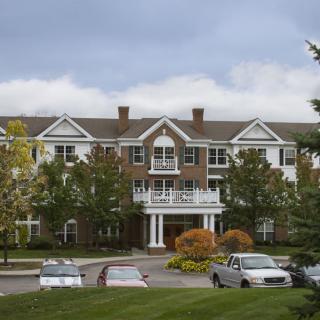
41386 Llewelyn, Northville, MI 48167
For more information about senior living options: (866) 208-4318
Overall Review of Llewelyn Group Home
Pros
 He felt very welcomed and comfortable.
- He enjoyed the home cooking.
- With the care they provided, he was able to recover and return home.
- David and his staff take excellent care of him.
- The home is beautiful and has all the luxuries needed.
- The father was very happy with the home cooking and compassionate care.
- The AFC home is updated and beautiful.
- The care he provides for his residents is excellent and personalized to each individual.
- This adult foster care facility is the best option with quality of care.
Cons
 The home is not state-of-the-art like some long-term care facilities.
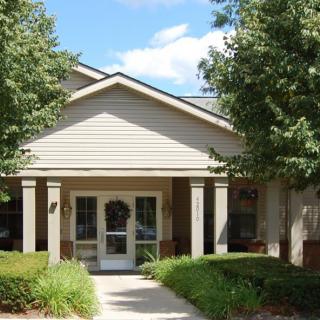
- The facility has a superficial facade.
Review
Llewelyn Group Home in Northville is best suited for adults who need assistance after a hospital stay or ongoing, light-to-moderate care in a warm, home-like setting. This AFC-style residence excels when the priority is an intimate, family-feel environment with highly personalized attention, home-cooked meals, and the sense of recovery occurring within a familiar dwelling rather than a clinical, impersonal facility. It works well for someone who can benefit from daily warmth, strong caregiver relationships, and a smoother transition back to independent living or to a less intensive care plan. Those seeking large-scale medical oversight or highly mechanized rehab programs may find the setup less aligned with their needs.
For families navigating options, it’s prudent to consider alternatives if medical acuity is high or if extensive, around-the-clock skilled nursing is non-negotiable. Traditional nursing homes or larger long-term care facilities with on-site RNs, robust therapy departments, and more comprehensive medical resources may be necessary when complex wounds, advanced therapies, or intensive monitoring are required. Memory-care considerations, 24/7 clinical staffing, or highly structured, hospital-like environments are also more likely to be found in bigger settings where the infrastructure supports intensive rehab and continuous clinical oversight.
From the reviews, the strongest pros center on care that feels deeply personal and human. Residents are welcomed into a home that emphasizes comfort, compassionate interaction, and individualized routines. Families repeatedly highlight the home-cooked meals and the sense that staff know residents well enough to tailor activities, diets, and care plans. The ability to have physicians visit at home, a notable convenience, reinforces medical oversight without demanding residents be transported to a clinic. The combination of warmth, attentiveness, and a smaller, more intimate staffing footprint translates into meaningful daily benefits, including smoother recovery trajectories after hospital discharge.
Those same benefits help offset the main con implicit in this model: the absence of state-of-the-art facilities and the leaner medical infrastructure. While the setting may lack the high-tech gear and broad rehab programs of larger campuses, the elevated caregiver-to-resident ratio, paired with genuine, ongoing engagement, delivers a level of responsiveness and nuance that can accelerate recovery and preserve dignity during vulnerable moments. In practice, the model works when the goal is recovery in a home-like atmosphere with consistent, compassionate check-ins, rather than accelerated, facility-wide rehab protocols or 24/7 clinical intensity.
For families evaluating this option, practical checks matter. Confirm the length and terms of short-term stays versus permanent arrangements, since many residents arrive for post-acute recovery and then transition home or to a lower level of care. Clarify who delivers medical oversight: will a physician be regularly visiting the home or coordinating with outside physicians, and how is prescription management handled? Inquire about meals, dietary accommodations, and any specific therapies that can be accommodated in-house, as well as the availability of on-site or nearby physical therapy if needed. Finally, establish a clear understanding of costs, what is included, and what triggers a transition plan if the care needs rise or shift.
Bottom line: Llewelyn Group Home is a strong, practical choice for families seeking a comforting, home-centered post-hospital or ongoing level of care where compassion and individualized attention drive outcomes. It particularly suits those who value a family-style atmosphere, home-cooked meals, and steady, personal engagement from caregivers, with the added reassurance of physician visits in the familiar setting. It is not the right fit for those who require intensive medical management, extensive rehabilitation services, or a facility with hospital-like resources. For the right profile, this community translates care into comfort, and comfort into progress. Consider a visit to assess fit, discuss care goals, and confirm how the team will coordinate with hospital and primary clinicians to support a smooth, person-centered transition.
 6 resident community capacity
 Assisted Living
 Cable or satellite TV
 Dining room
 Fully furnished
 Garden
 Housekeeping services
 Move-in coordination
 Outdoor space
 Telephone
 Wi-Fi/high-speed internet available
 Detroit Metropolitan-Wayne County (17 miles away)
 24-hour supervision
 Activities of daily living assistance
 Assistance with bathing
 Assistance with dressing
 Assistance with transfers
 Diabetes diet
 Meal preparation and service
 Medication management
 Special dietary restrictions
 Transportation arrangement (medical)
 Transportation to doctors appointments


 Beyond the Bingo Hall: 50+ Enriching Activities for Seniors in Assisted Living
 Understanding the Distinctions: Assisted Living and Memory Care Explained
 Guiding Elderly Parents Who Refuse Assisted Living: 6 Practical Steps