Addington Place Memory Care Northville Costs & Pricing
Addington Place Memory Care Northville offers a range of accommodations that are priced notably higher than both the county and state averages. For a semi-private room, residents can expect to pay $5,800 monthly, which significantly exceeds Wayne County's average of $2,860 and Michigan's average of $3,191. Similarly, for those opting for a studio room, the monthly cost is $6,500, compared to $3,495 in Wayne County and $3,824 across Michigan. These figures suggest that while Addington Place provides specialized memory care services that may justify the premium pricing, potential residents should carefully consider their budget in relation to the overall costs in the surrounding area.
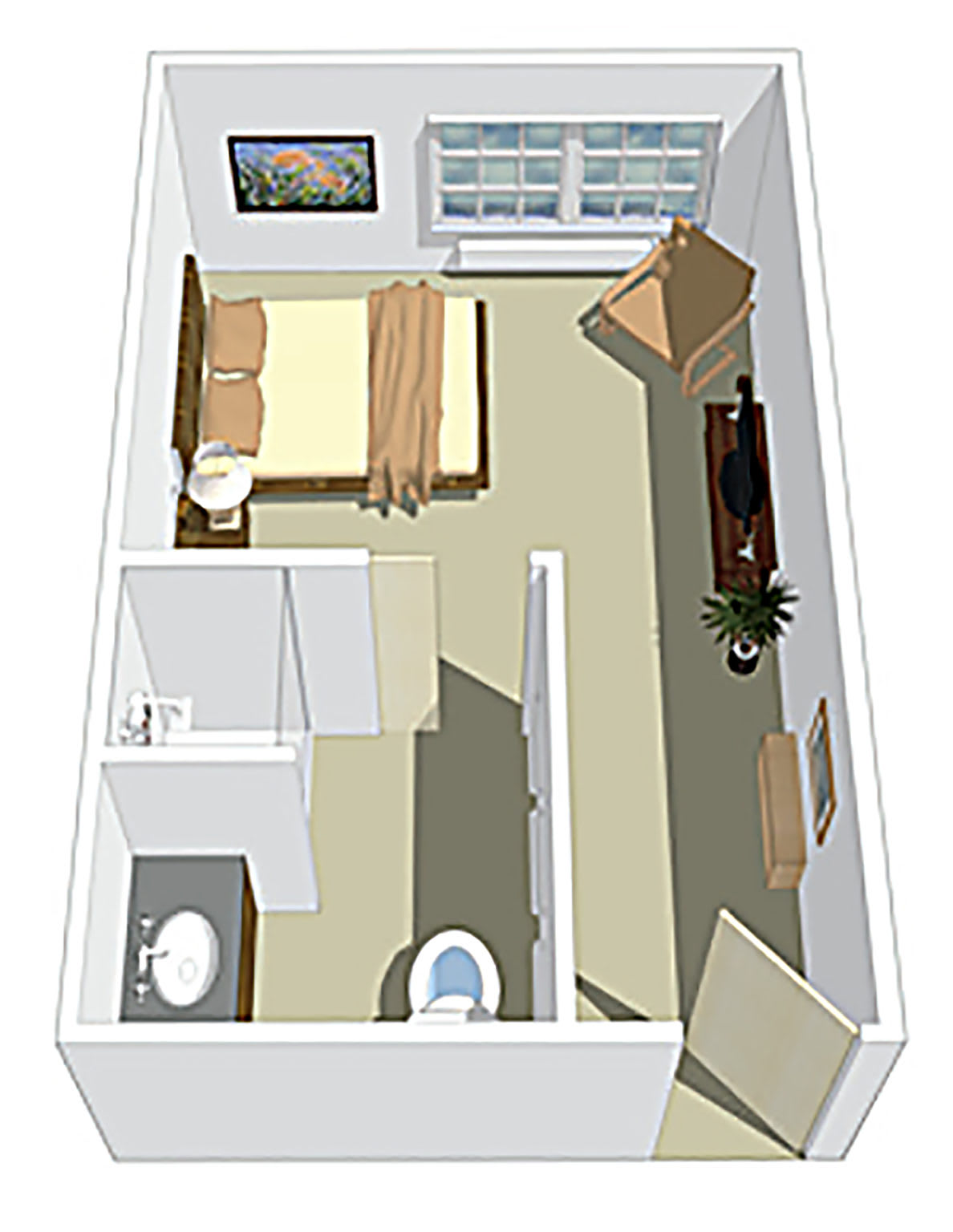
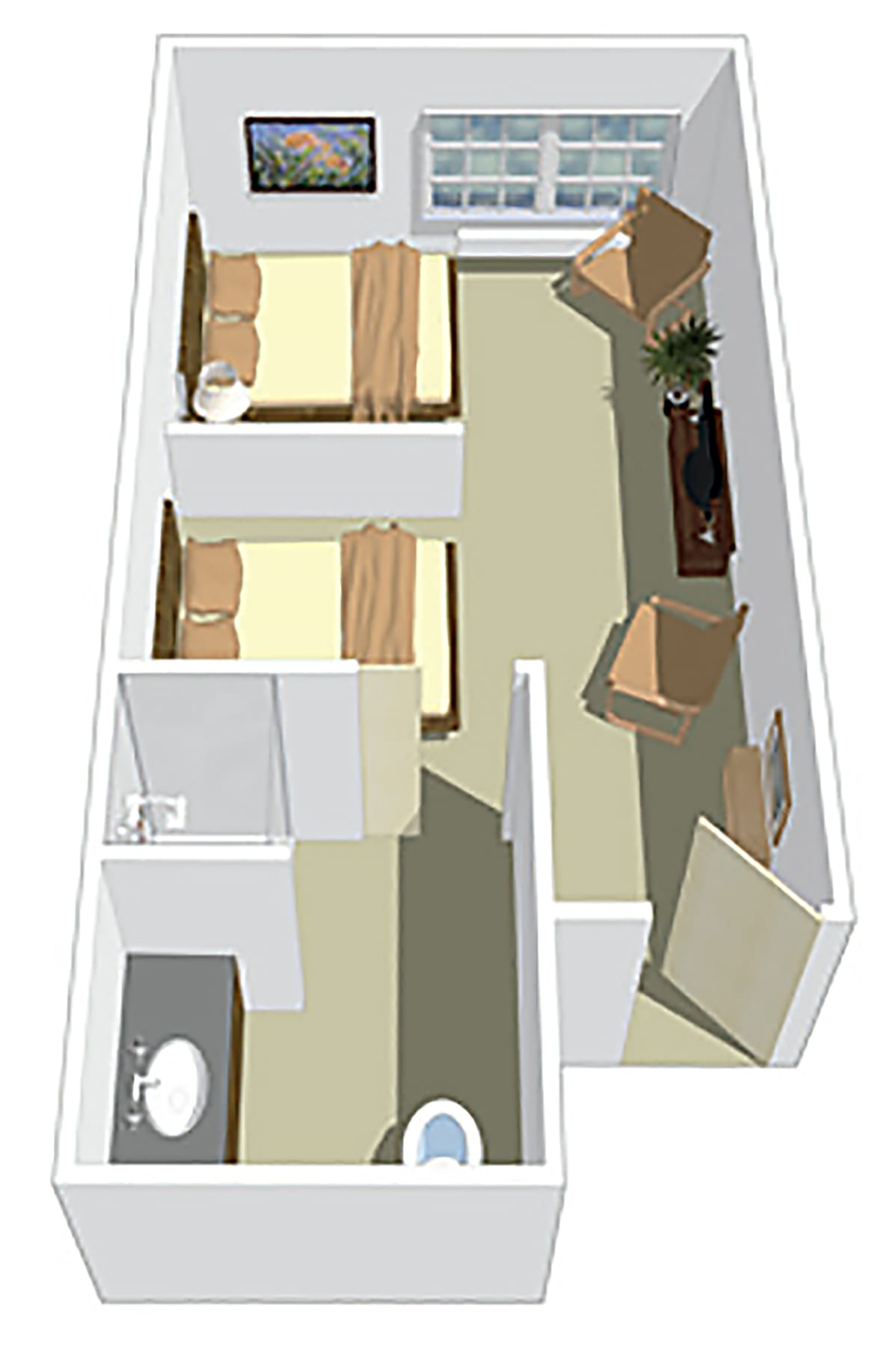
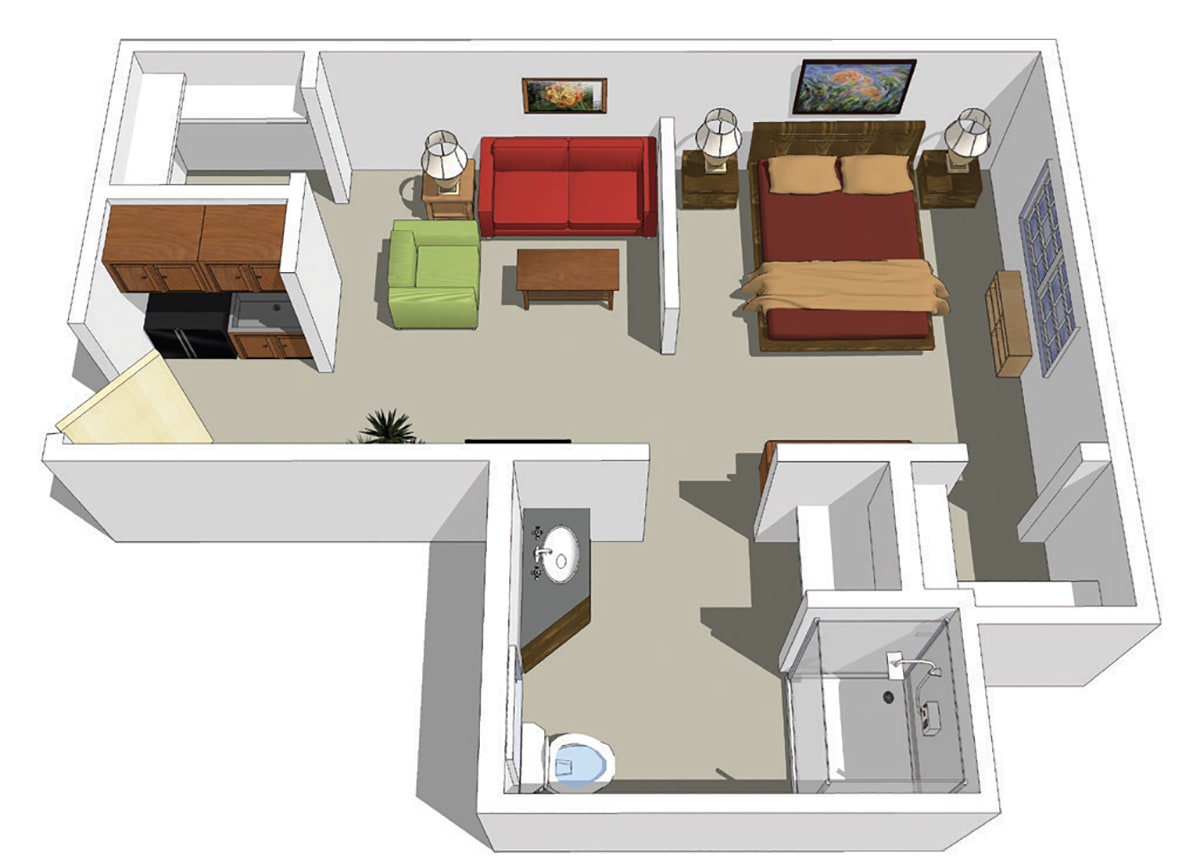
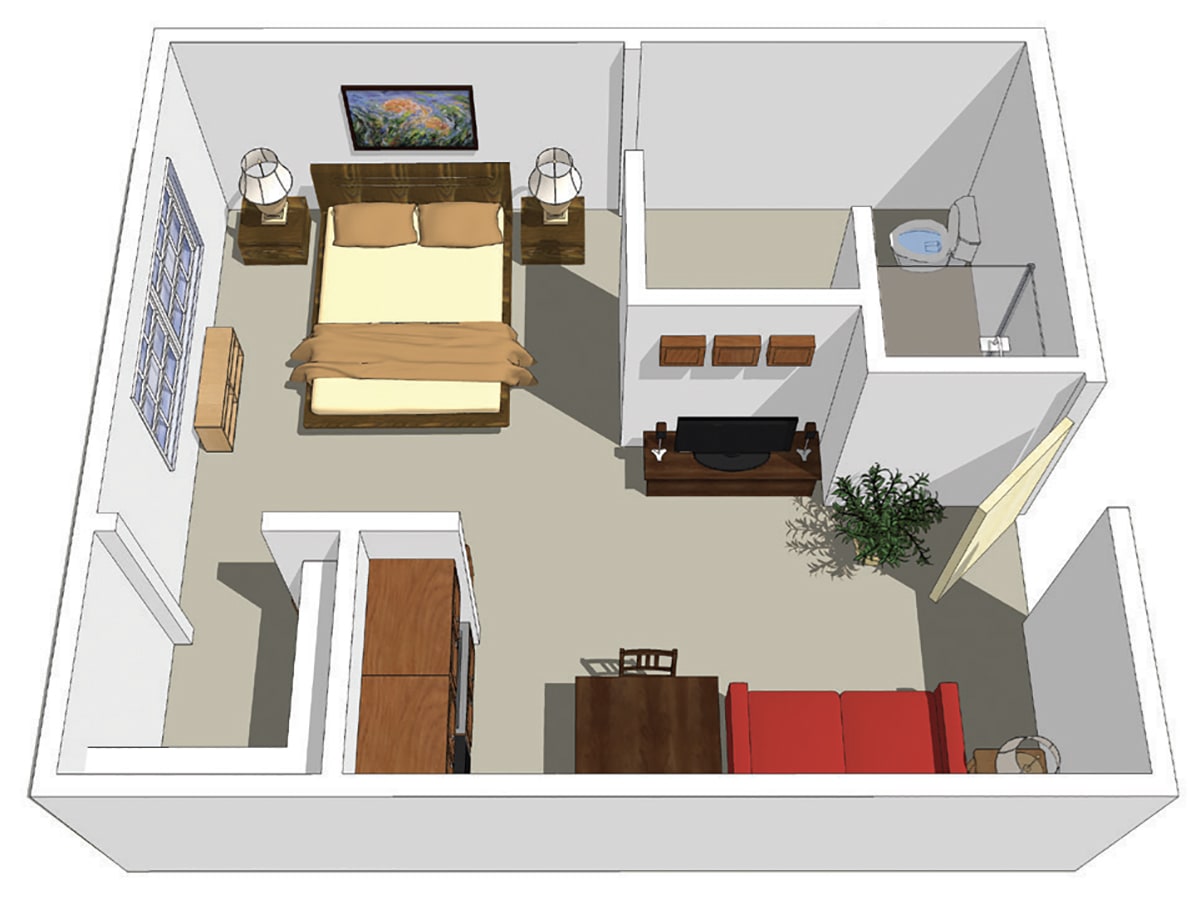
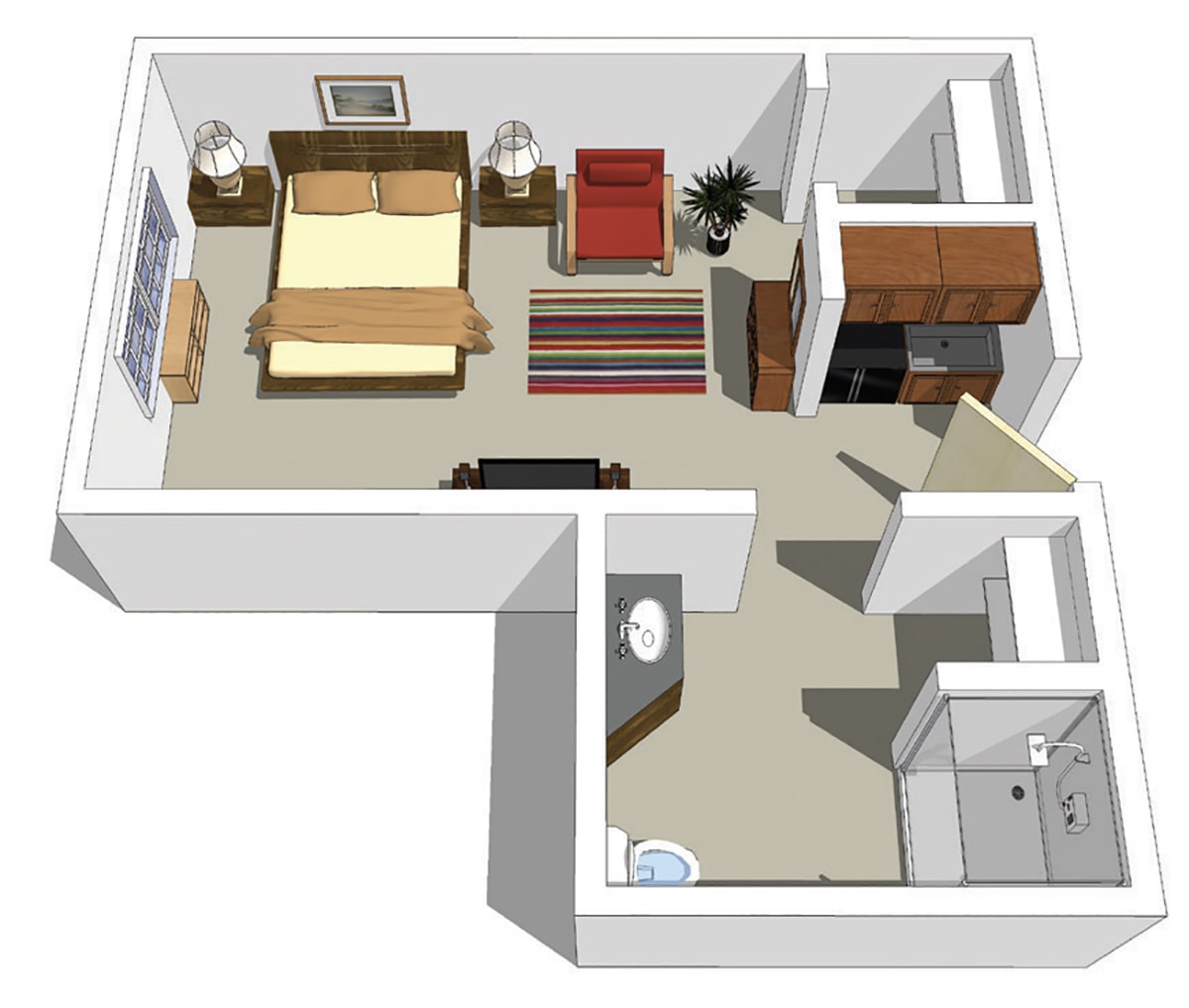
Floor plans
Addington Place Memory Care Northville
Wayne County
Michigan
Semi-Private
$5,800
$2,860
$3,189
Studio
$6,500
$3,495
$3,824
Memory care communities with a similar price nearby
Overall Review of Addington Place Memory Care Northville
common34 reviews mention this
Caregivers earn trust quickly
Residents and families consistently describe staff as caring, attentive, and respectful in daily interactions.
Across many reviews, families describe staff members as compassionate and willing to respond when concerns come up. Several people specifically mention being greeted by name, help with day-to-day needs, and staff treating residents with dignity and patience. A few reviews also include serious complaints about management or care quality, but even those accounts often still distinguish individual caregivers as kind.
common14 reviews mention this
Activities support engagement
The community keeps residents involved with ongoing, memory-care focused activities.
Many reviewers mention that there is always something going on, with group programming and entertainment that helps residents stay engaged. Some describe tailored activities for memory care, including history discussions and music, while others note one-on-one support when needed. A smaller number of reviews suggest activities can feel limited at times, but the overall pattern is that residents are kept active rather than staying in rooms all day.
common6 reviews mention this
Food and dining feel well covered
Meals are repeatedly described as well-prepared and enjoyable, with attention to dietary needs.
Several reviews say meals are tasty and that residents are cared for with the practical details of eating well. Some families also mention food being modified or prepared with attention to what their loved ones need. While one review complains about food and activities, the more common experience in reviews is that dining is a strength.
caveat2 reviews mention this
Pricing is a frequent concern
Pricing can feel too high for the level of service some families experienced.
A couple of reviews call out cost as a problem, including one that questions value after reported issues. Others criticize billing practices tied to an end-of-stay situation. The pricing range also sits well above typical benchmarks across unit types shown for this listing.
common8 reviews mention this
Clean, well-maintained environment
Multiple reviews describe the building as clean and well maintained.
Several reviewers praise cleanliness and say rooms, bathrooms, and common areas are kept up. A few reviews also mention cleanliness as part of a safe, comfortable environment for memory care. There are also isolated negative cleanliness complaints in the reviews, but the more frequent theme is that the facility looks and feels well cared for.
How we summarize
Counts show how many written reviews mention each theme; a review can touch several themes, and only frequently mentioned themes are displayed.
Features
Types of Care
Memory Care
Amenities
Activities on-site
Air-conditioning
Bath tubs
Beautician on-site
Devotional services off-site
Ground floor units
Handicap accessible
Indoor common areas
Outdoor common areas
Private bathrooms
Respite or short term stays offered
Wheelchair accessible showers
Wi-Fi/high-speed internet available
Transportation
Detroit Metropolitan-Wayne County (16 miles away)
Care Services
Diabetic care
Incontinence care
Medication management
Dining
Gluten-free
Low / no sodium
Meals provided
No Sugar
Activities
Activities on-site
Art classes
BBQs or picnics
Birthday parties
Catholic services
Devotional activities offsite
Gardening club
Live dance or theater performances
Live musical performances
Reminiscence programs
Stretching classes
Yoga / chair yoga
Nearby Places of Interest
Located in the charming town of Northville, Michigan, this area offers a variety of amenities and services that cater to the needs of seniors. With several medical clinics and pharmacies in close proximity, residents can access quality healthcare easily. There are also numerous restaurants offering diverse dining options and cafes for a leisurely coffee outing. Places of worship are within reach for spiritual fulfillment, while parks provide opportunities for outdoor recreation and relaxation. Additionally, theaters are nearby for entertainment, and hospitals are available for any medical emergencies. Overall, this part of Northville offers a convenient and well-rounded community for seniors looking to settle in a peaceful and supportive environment.
Addington Place Memory Care Northville offers a range of accommodations that are priced notably higher than both the county and state averages. For a semi-private room, residents can expect to pay $5,800 monthly, which significantly exceeds Wayne County's average of $2,860 and Michigan's average of $3,191. Similarly, for those opting for a studio room, the monthly cost is $6,500, compared to $3,495 in Wayne County and $3,824 across Michigan. These figures suggest that while Addington Place provides specialized memory care services that may justify the premium pricing, potential residents should carefully consider their budget in relation to the overall costs in the surrounding area.
At Addington Place Memory Care Northville, medication management is essential in ensuring that residents receive their prescribed medications safely and consistently, addressing one of the critical challenges faced by individuals with dementia or Alzheimer's. By coordinating with healthcare providers and monitoring adherence, staff can prevent potential complications and promote overall well-being. Additionally, incontinence care is tailored to meet the unique needs of residents experiencing cognitive decline, helping to maintain dignity and comfort while minimizing any distress associated with incontinence issues. This compassionate approach alleviates anxiety for both residents and families, fostering a supportive environment that encourages participation in daily activities and promotes a sense of normalcy.
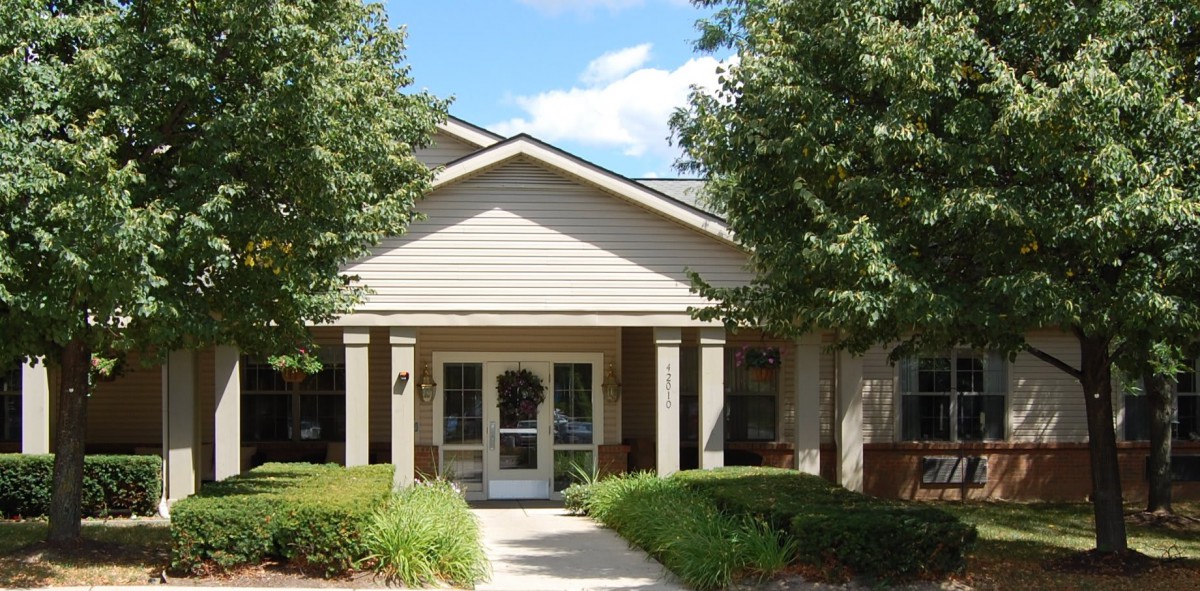
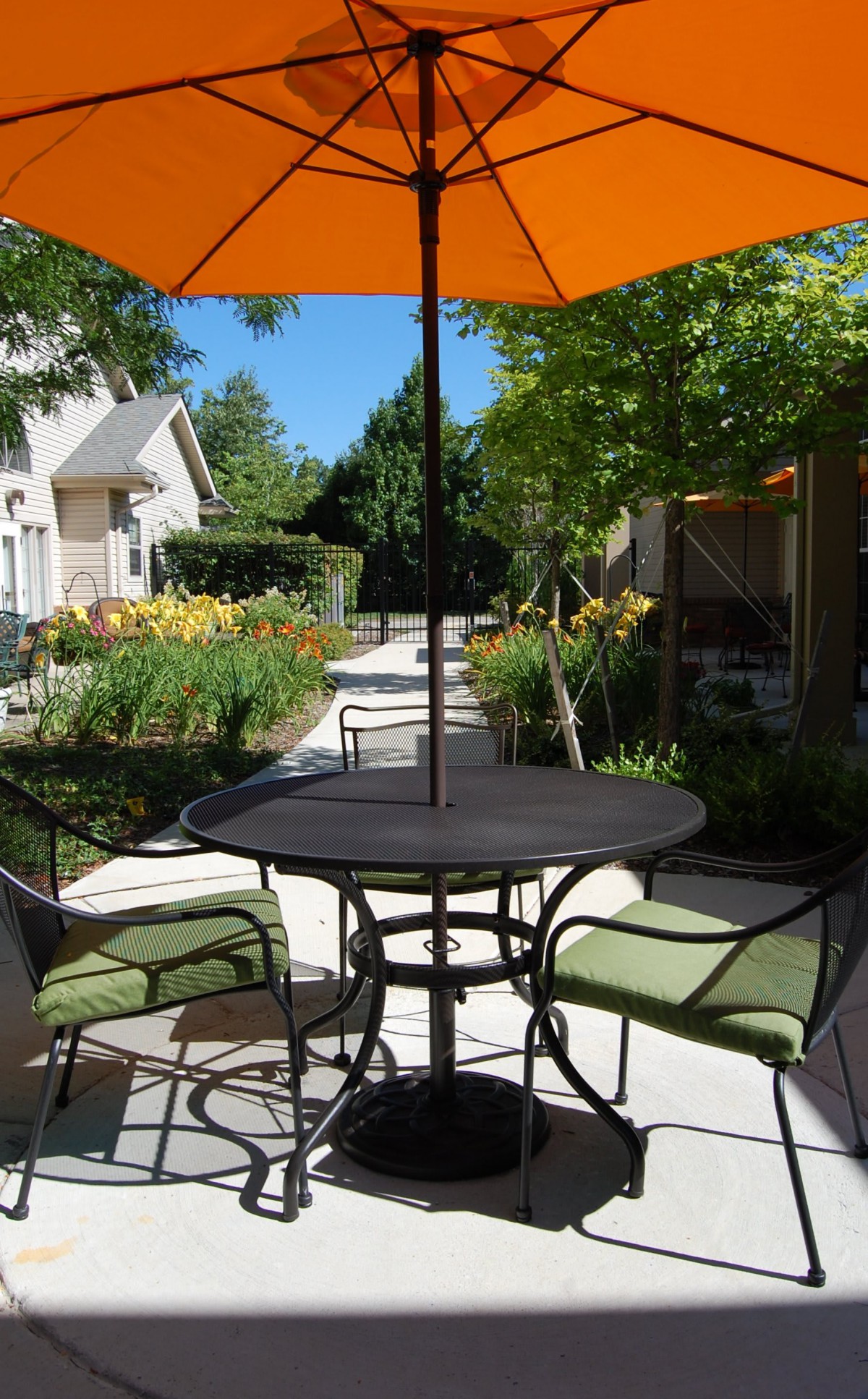
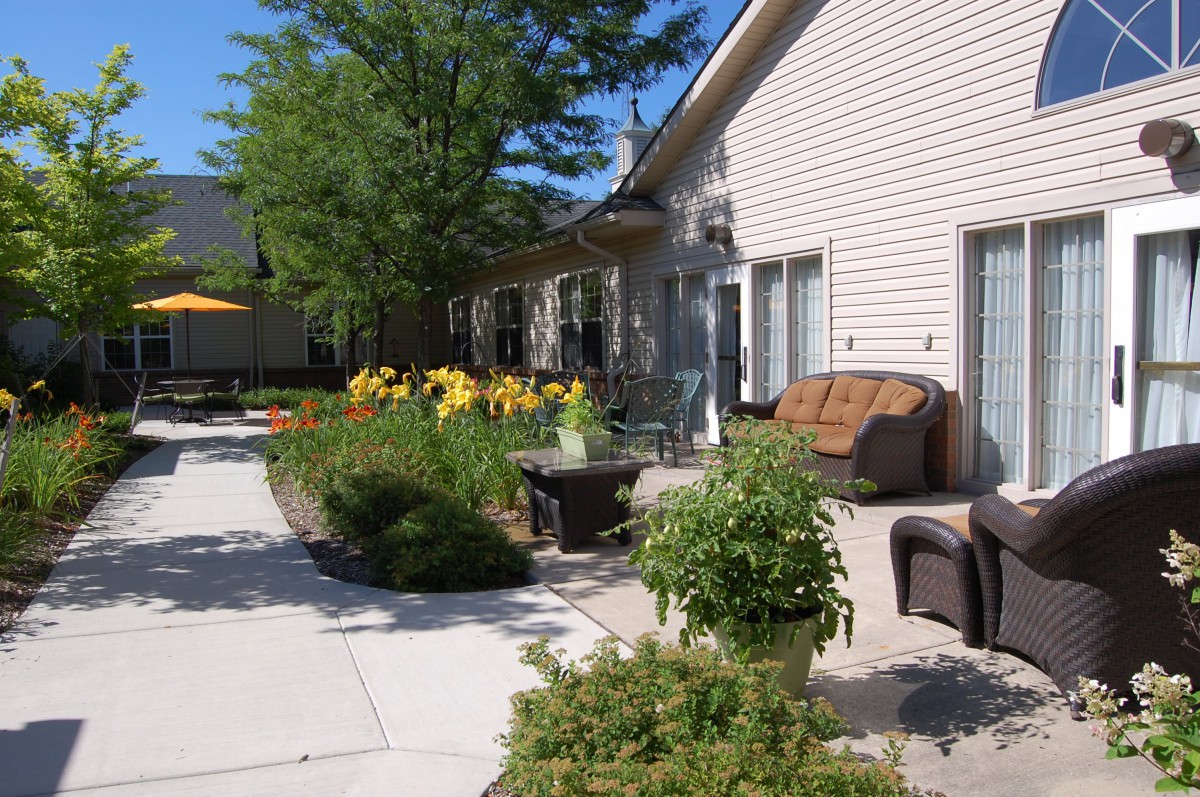
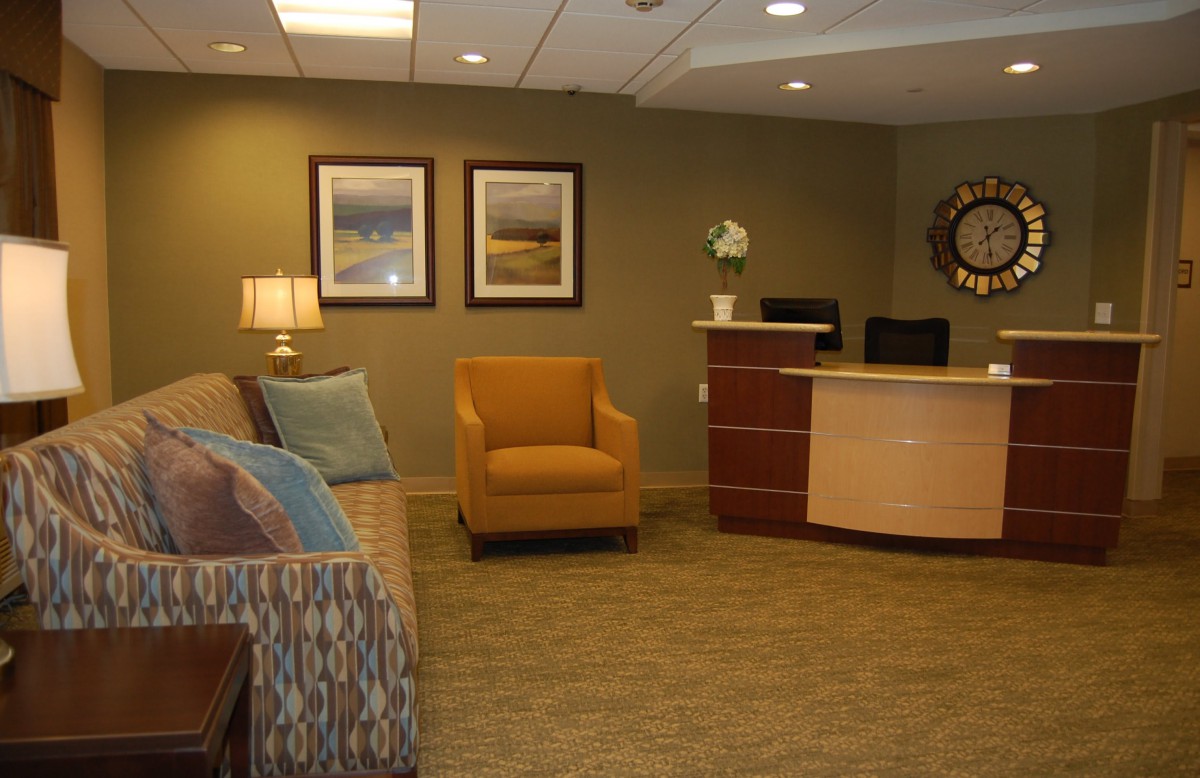
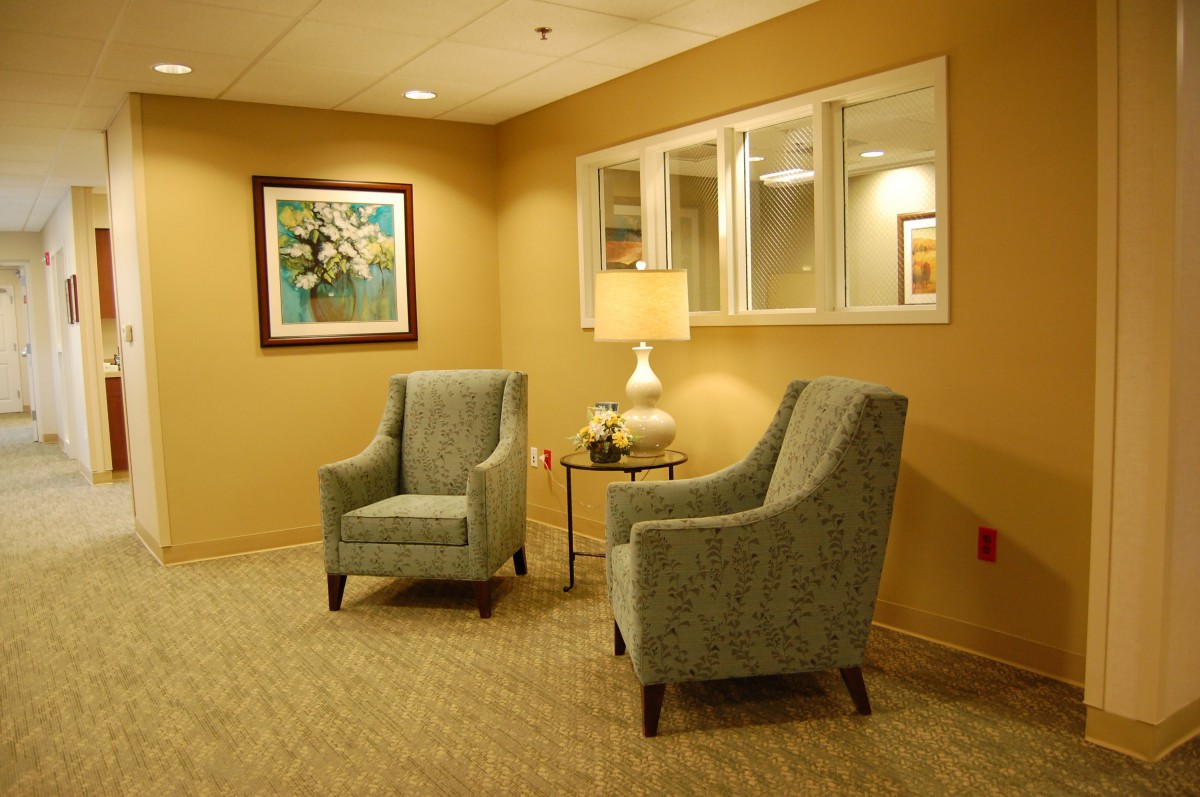
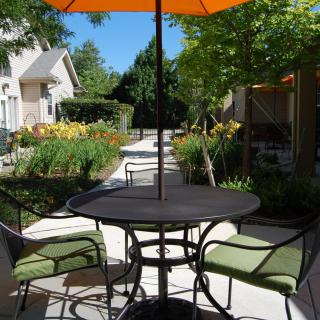
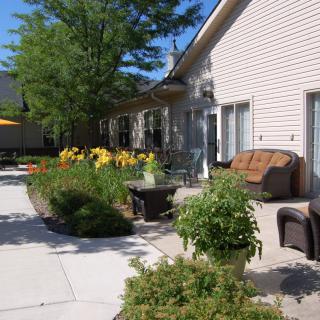
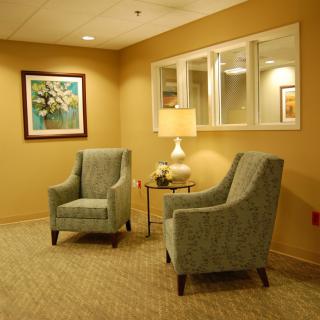
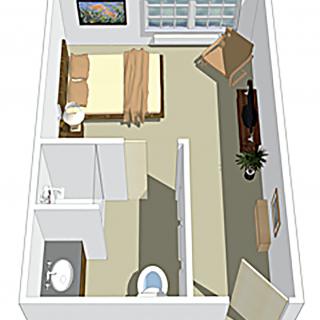
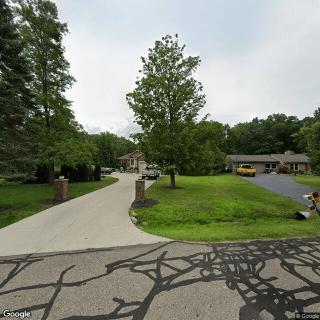
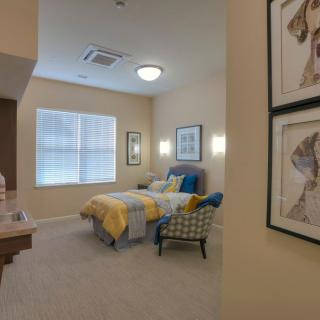
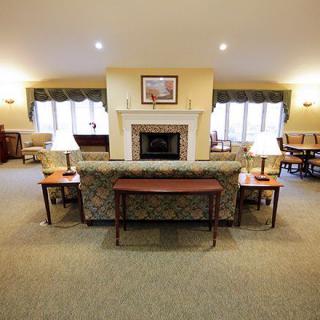
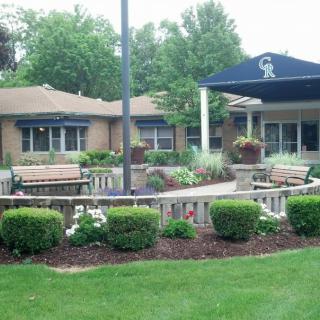
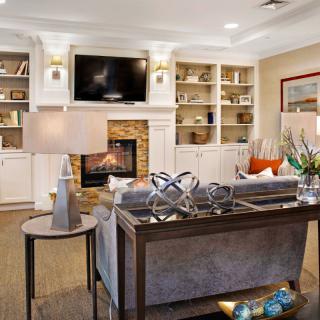
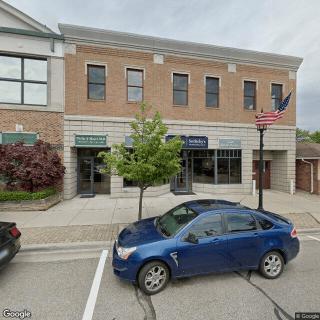
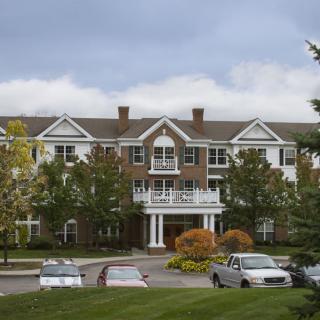
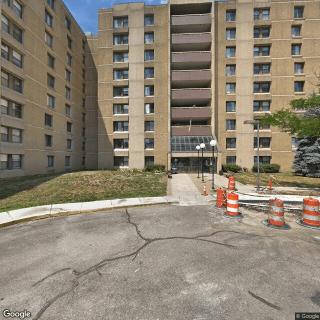
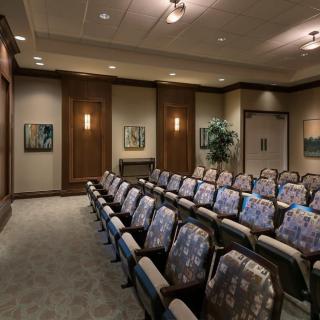
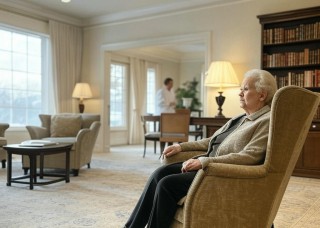
Addington Place Memory Care Northville on seniors.fyi includes 19 photos including images showing floor plan, interior, bedroom, landscaping, bathroom, outdoor, patio, garden, and more.
Nearby Communities
Addington Place Of Northville
Northville, MI
4.7 from 49 reviews
Caring staff, engaging activities, and a clean, intimate, single-level memory care setting.
Oakmont Northville
Northville, MI
4.3 from 131 reviews
$2,885 to $3,875 / month
Friendly staff, engaging activities, and well-maintained facilities with on-site services and dining.
The Retreat At Meadowbrook
Northville, MI
1 from 2 reviews
Comprehensive care options (medication management, diabetes diet) with transportation, daily activities, and furnished apartments.
Amy's Place
Northville, MI
4.7 from 16 reviews
$5,000 / month
Clean, home-like setting with attentive, compassionate staff and strong caregiver support.
Llewelyn Group Home
Northville, MI
5 from 4 reviews
Small, intimate community with 24/7 supervision and comprehensive ADL support.
Northville Senior Living
Northville, MI
4.5 from 134 reviews
$4,000 / month
Clean, homey environment with friendly staff and on-site physical therapy; inclusive monthly rate adds value.
Fairmont of Northville
Plymouth, MI
4.2 from 57 reviews
$4,400 to $6,900 / month
Clean, modern facility with attentive staff and diverse activities.
Brashear Towers Senior Citizen
Livonia, MI
2.9 from 38 reviews
Clean, well-maintained environment with responsive management and a friendly community.
Cedarbrook of Northville
Plymouth, MI
4.6 from 103 reviews
Excellent staff and a resort-like, well-maintained environment with engaging activities.
Dementia encompasses progressive neurological disorders that impair cognitive functions and can lead to paranoia due to cognitive decline and emotional changes. The article discusses the triggers of paranoia in dementia, caregiver strategies for managing it, and the importance of distinguishing between dementia-related paranoia and other psychiatric conditions.
Memory care activities are essential for improving the quality of life of seniors with cognitive impairments, as they stimulate cognitive function, promote well-being, and encourage social interaction through tailored strategies. These activities combine structured exercises with spontaneous tasks, sensory engagement, physical workouts, creative pursuits, and intergenerational interactions to enhance emotional connection and a sense of purpose.
Transitioning from assisted living to memory care is driven by an individual's cognitive decline and specific needs, requiring careful evaluation of indicators like increased confusion and wandering. The process involves consulting medical professionals, researching suitable communities, considering financial and legal aspects, and ensuring effective communication for personalized care plans.
Get PricingAsk A QuestionSchedule A TourContact Senior Advisor
By clicking submit, you agree to our Partner's Terms of Use. You
also consent to receive calls and texts, which may be autodialed, from our Partner. Your consent is not a condition to
using our Partner's service. Please visit our Partner's Privacy Policy for information about their privacy practices.

 Memory Care
 Activities on-site
 Air-conditioning
 Bath tubs
 Beautician on-site
 Devotional services off-site
 Ground floor units
 Handicap accessible
 Indoor common areas
 Outdoor common areas
 Private bathrooms
 Respite or short term stays offered
 Wheelchair accessible showers
 Wi-Fi/high-speed internet available
 Detroit Metropolitan-Wayne County (16 miles away)
 Diabetic care
 Incontinence care
 Medication management
 Gluten-free
 Art classes
 BBQs or picnics
 Birthday parties
 Catholic services
 Gardening club
 Live dance or theater performances
 Live musical performances
 Stretching classes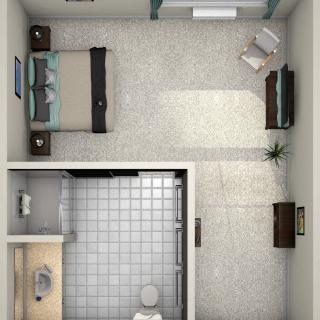
 Caring staff, engaging activities, and a clean, intimate, single-level memory care setting.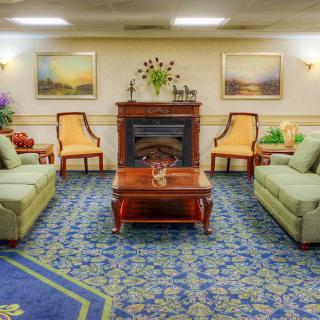

 Dementia, Paranoia, and Caregiver Guidance: Understanding the Connection
 Engaging Memory Care Activities That Enhance Quality of Life
 When to Transition from Assisted Living to Memory Care: Key Indicators, Steps, and Finding the Right Community