
4421 West Main, Midland, MI 48640
For more information about senior living options: (866) 208-4318
Overall Review of Deer Run
Pros
 The staff deserve credit for the outstanding work they do with all patients.
- The therapists give the utmost attention and detail to each person they meet.
- The facility feels like a family and offers a welcoming, homey atmosphere.
- The staff are extremely helpful and resourceful, providing resources that support families.
- The on-site therapy services and caring staff help residents regain independence.
- The care at Deer Run is described as wonderful and amazing, with consistently compassionate staff.
- The facility is well maintained and has a friendly, home-like environment.
- The owner is an experienced registered nurse who provides strength, knowledge, and wisdom to help meet residents' needs.
Cons
 Before Deer Run, the daughter was receiving little to no care.
- Ex-employees reportedly have negative opinions about the facility.
- There is a stated reason why those employees are no longer with the facility.
Review
Deer Run is best suited for families pursuing traumatic brain injury and specialized rehabilitation in a warm, home-like setting. The community presents as a focused post-acute option where the goal is real, measurable recovery, not merely custodial care. It shines for residents who benefit from highly personalized therapy drawn from a hands-on, family-style culture. The facility emphasizes on-site therapies, comfortable private rooms you can personalize, and clear clinical leadership from an owner who is also a registered nurse. For families prioritizing dignity, attentiveness, and a sense that a healing environment truly supports every step of recovery, Deer Run delivers with notable warmth and consistency.
Those who may want to consider alternatives are clear: if the primary need is traditional assisted living or long-term custodial care without an active rehabilitation program, Deer Run may not align with expectations. The site’s strength is rehabilitation-driven care, and that emphasis can feel misaligned for residents seeking routine social programming, memory-care specifics, or more hospital-like medical oversight. In addition, this community often surfaces in searches for drug rehabilitation, which can create initial confusion for families seeking substance-use treatment rather than neurorehabilitation. For prospective residents whose goals center on non-rehab daily living without intensive therapy, other options will typically fit better.
The strongest positives here are concrete and compelling. Staff attention is consistently described as respectful, dignified, and genuinely caring, with therapists who drill down into individual needs. Notable names in the therapy team, an occupational therapist and a physical therapist, are cited for delivering meticulous, outcome-driven care that translates into tangible gains, such as walking again and progressing toward outpatient participation. The atmosphere is repeatedly described as welcoming, homey, and supportive, with a sense that the facility operates as a family. Private rooms, thoughtful maintenance, and an emphasis on “living life” with a brain injury underscore a holistic approach that blends medical rigor with personal warmth.
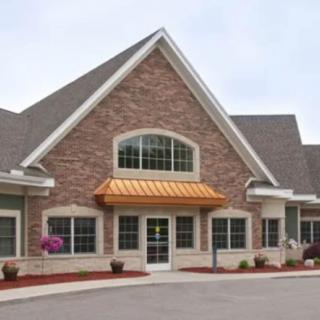
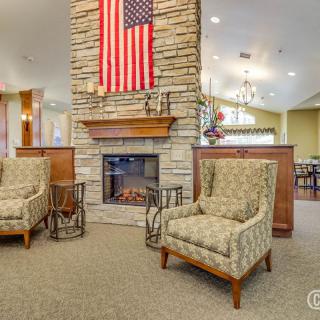
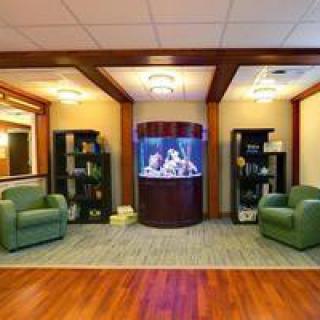
These strengths hinge on a strong operational backbone. The community’s decades-long presence, stable leadership, and a clinician-led model are repeatedly highlighted as anchors of trust. Reviews emphasize not only the care outcomes but the way the staff “treats residents as family” and the owner’s experienced guidance in meeting complex needs. The home-like environment, vaulted ceilings, home-cooked meals, and well-kept grounds, augments clinical therapy with everyday comfort, making the rehab journey less daunting for residents and families. In short, Deer Run’s blend of clinical proficiency and compassionate culture is its defining differentiator.
That said, a balanced decision requires acknowledging the potential drawbacks, even if they are limited. A single unfavorable review points to staff turnover or discontent from ex-employees, which serves as a reminder to evaluate current staffing stability during a tour or intake interview. The rehab-centric model naturally means more intensive therapy schedules and goal-driven progress, which may feel overwhelming for residents who prefer a lighter touch or slower pace of change. For families, the implication is clear: verify current staffing levels, therapy availability, and the facility’s ability to tailor intensity to individual tolerance and progress.
Practical next steps for families considering Deer Run are straightforward. Begin with a focused tour that centers on therapy availability, cadence, and how progress is measured toward outpatient goals. Confirm private-room amenities, meal quality, and daily routines that align with personal preferences. Clarify how the facility coordinates with outpatient services and how family involvement is facilitated. Finally, align expectations around the rehabilitation timeline, costs, and long-term care options if goals shift from rehabilitation to established independence or ongoing custodial care. In the right match, Deer Run doesn’t merely care for residents; it actively nurtures recovery through a community that feels like home, backed by skilled, devoted professionals.
 12 resident community capacity
 Assisted Living
 Cable or satellite TV
 Dining room
 Fully furnished
 Garden
 Housekeeping services
 Move-in coordination
 Outdoor space
 Telephone
 Wi-Fi/high-speed internet available
 Mbs International (12 miles away)
 24-hour supervision
 Activities of daily living assistance
 Assistance with bathing
 Assistance with dressing
 Assistance with transfers
 Diabetes diet
 Meal preparation and service
 Medication management
 Special dietary restrictions
 Transportation arrangement (medical)
 Transportation to doctors appointments


 Assisted Living and Memory Care: Understanding Their Core Differences
 Beyond the Bingo Hall: 50+ Enriching Activities for Seniors in Assisted Living
 Understanding the Distinctions: Assisted Living and Memory Care Explained