
4617 Eastman Road, Midland, MI 48640
For more information about senior living options: (866) 208-4318
Overall Review of Cascade Senior Living II
Pros
 The staff are very nice and very friendly.
- The environment is very friendly for residents and their families.
- The staff are super kind, and residents are well cared for.
- Cascade's Senior Living is highly recommended.
- Residents have private rooms and bathrooms, with ample opportunities to socialize.
- The facility is well-maintained, with caregivers available when residents need them.
Cons
 Cascades is the worst place, with a lack of staff and respect for residents; they hire anyone with no experience.
- There is concern that the primary care doctor doesn’t see the residents often enough.
Review
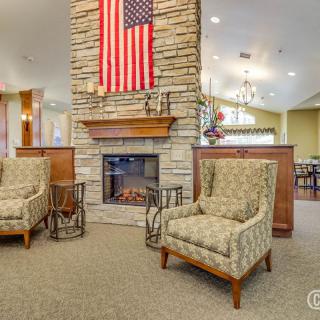
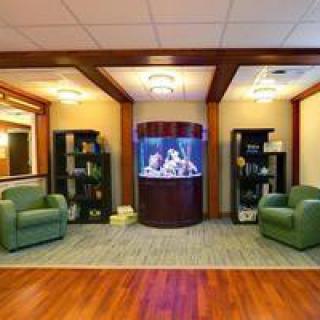
Cascade Senior Living II in Midland is best suited for families that value a warm, socially active environment where residents have their own rooms and caregivers who are easy to engage with. The community tends to feel approachable and home-like, with residents able to socialize readily and families welcomed during visits. For seniors who thrive on daily interaction, friendly faces, and a setting that emphasizes comfort and accessibility, this is a place that can deliver a reassuring sense of belonging. If the goal is to balance independence with companionship in a livable, non-clinical atmosphere, Cascade offers a compelling fit.
There are clear reasons to consider alternatives. Prospective residents who require consistently reliable staffing, rigid adherence to care protocols, and frequent, hands-on medical oversight may be better served elsewhere. Several reviews highlight staffing shortages and uneven quality, with some accounts describing experienced care gaps or disrespect on certain shifts. For seniors who depend on steady, trained professionals every day and on a medical routine that hinges on regular physician access, the variability suggested by the feedback can be a significant risk. In those cases, a community with stronger staffing guarantees and more predictable medical engagement is worth pursuing.
The strongest positives at Cascade are the people and the atmosphere. Families consistently report kind, approachable staff who seem genuinely invested in residents, along with plenty of opportunities for social interaction and engagement. The facility’s upkeep and the private rooms with bathrooms contribute to a comfortable, dignified living arrangement that supports consistent daily routines. Those who place a premium on a friendly, informal vibe and regular social contact will find these advantages markedly meaningful; they often offset minor service gaps by fostering a supportive, participatory culture where residents feel seen and connected.
Yet the most consequential drawbacks deserve careful scrutiny. The reports of staffing inconsistency and occasional perceptions of inexperience or lack of respect indicate a risk that care quality can wax and wane depending on who is on shift. The concern that a primary care doctor visits only occasionally compounds the issue, posing questions about how health needs are monitored in the longer term. Families should push for clarity on staffing models, request a stable caregiving team, and verify how health oversight is structured, whether there is on-site nursing, and how frequently medical reviews and updates to care plans actually occur. Observations during tours can reveal whether the day-to-day experience aligns with the ideal of reliable, respectful care.
For decision-making, a practical approach is essential. Start with a frontal tour that foregrounds staffing practices: ask about caregiver-to-resident ratios at different times, whether residents have consistent caregivers, and how quickly concerns are escalated to leadership. Seek opportunities for a trial day or short-stay to observe real routines, help with daily tasks, and interactions between staff, residents, and families. Probe medical oversight: confirm the presence of on-site nursing, frequency of physician visits, and the process for updating care plans. Compare Cascade’s activity calendar and family-friendly policies against alternatives that may offer more robust medical governance or tighter staff continuity.
In the end, Cascade Senior Living II remains a practical choice for families prioritizing a lively, compassionate, home-like setting with strong social engagement. It is less suited for those who cannot tolerate variability in staffing quality or who require frequent, hands-on medical oversight with predictable physician involvement. For some seniors, the positives, friendly caregivers, an active atmosphere, and well-maintained spaces, outweigh the drawbacks. For others, particularly when consistent staff performance and regular medical monitoring are non-negotiable, exploring other communities is prudent. The decisive move should come after a direct, disciplined evaluation: visit, interview the caregiving team, review medical oversight arrangements, and align the choice with the senior’s care needs and the family’s tolerance for shift-to-shift variation.
 20 resident community capacity
 Assisted Living
 Board and Care Home
 Beauty salon
 Cable or satellite TV
 Dining room
 Fully furnished
 Garden
 Housekeeping services
 Kitchenette
 Move-in coordination
 Outdoor space
 Telephone
 Wi-Fi/high-speed internet available
 Mbs International (11 miles away)
 24-hour call system
 Activities of daily living assistance
 Assistance with bathing
 Assistance with dressing
 Assistance with transfers
 Diabetes diet
 Meal preparation and service
 Medication management
 Mental wellness program
 Special dietary restrictions
 Transportation arrangement (medical)
 Transportation to doctors appointments

 Understanding the True Cost of Assisted Living in 2025: A Comprehensive Guide
 Understanding Medicaid Coverage for Assisted Living: A Comprehensive Guide
 How and When Medicaid May Cover Assisted Living Costs