Miller's Care Home

346 High Street, Marshall, MI 49068

For more information about senior living options: (844) 490-3973

4.3 from 100 reviews
5 stars
68
4 stars
17
3 stars
0
2 stars
2
1 stars
13

Assisted Living

Overall Review of Miller's Care Home

Pros

  • pro The staff is very knowledgeable and compassionate, which made dad's stay bearable and pleasant.
  • pro Medilodge staff have been outstanding from the CNAs to the director of nursing, activities, and admissions coordinator, as well as physical and occupational therapy.
  • pro The residents are a dream and the employees are fairly nice.
  • pro Very caring staff.
  • pro Nursing staff have eliminated all of their fears and anxieties.
  • pro Jessica, the chief nurse, spent at least 30 minutes reassuring families that this is a safe place that cares deeply in helping people get better.
  • pro Her mom is there and everyone is very kind and attentive.
  • pro The mom received very good physical therapy.

Cons

  • pro The staff are rude and unprofessional and have shared medical information with family members not on the approved list.
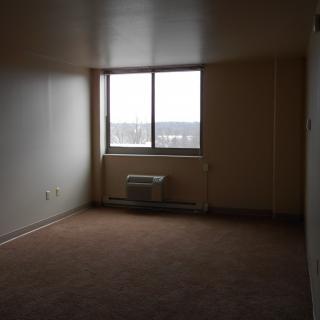
  • pro The facility is dirty and run-down, with an institutional feel, peeling baseboards, mold in corners, and overall neglect.
  • pro Residents are neglected, including being left in soiled diapers for hours and being moved or handled in pain despite requests for gentler care.
  • pro Medication management is severely flawed, with pills missing, prescription timing mishandled, and excuses about expired scripts.
  • pro Management and communication are poor; families aren't kept informed about care plans or next steps, and appointments are frequently missed.
  • pro Items go missing or are stolen (wallets, phones), rooms are rearranged in ways that block access to belongings, and broken TVs aren't fixed promptly.
  • pro The facility has faced state violations and fines; reviewers warn others not to send loved ones and call for it to be shut down.
  • pro There are accounts of a death or life-threatening delay in emergency care attributed to neglect.

Review

The collection of voices about this rehabilitation and skilled-nursing facility is deeply polarized. On one end, several families paint a grim picture of neglect, privacy violations, and unprofessional behavior, while on the other end, a different set of visitors describe caring staff, effective therapy, and a generally positive stay for their loved ones. The contrast is stark enough that it's hard to draw a single, consistent conclusion from the body of reviews, but the threads that recur most often are clear: concerns about communication and family involvement, questions about patient safety and dignity, and a mix of experiences with the quality of rehab and daily care.

A dominant theme across many accounts is poor communication and involvement of families. One reviewer warned others not to bring family to the facility unless it's an absolute last resort, citing rude and unprofessional staff and a troubling incident where medical information was shared with relatives not on an approved list. This same reviewer described a broader pattern of mismanagement around care plans and discharge processes, including disagreements about when a patient is ready to go home and abrupt changes in treatment direction after family intervention. In another narrative, families recounted missed appointments, incorrect dietary slips, and a general sense that important information was slipping through the cracks. There were mentions of misdirected or delayed calls to family members and a perception that leadership and management did not consistently follow the facility's own policies or communicate clearly about next steps.

Specific care experiences add more texture to the concerns. A particularly distressing story involved a mother who, on the first night, was left in a soiled diaper for hours after being told to use the bed-side potty, with caregivers allegedly pushing on her back and pulling on her arms despite her protests. The same account details a day when pain medications went missing, with the staff giving inconsistent explanations and eventually a suggestion that a prescription had expired. The situation escalated to a decision by the family to remove the mother from the facility after ongoing back-and-forth with the director of nursing. Other stories described similar lapses in care: caregivers allegedly failing to provide timely assistance, hesitating to help, or not adequately responding to requests, which led some families to question whether their loved ones were receiving appropriate attention during rehab or recovery.

The clinical and environmental conditions at the facility are another source of serious concern for many reviewers. Complaints about the physical environment include dirty, rundown rooms with outdated fixtures and visible grime, including a toilet described as brown with months of filth, peeling baseboards, and mold or sewage-like odors in corners. Several reviewers claimed losses or theft of personal belongings, like wallets or phones, and described rooms moved into configurations that blocked access to personal items. Some accounts mention a lack of basic comforts such as a functional TV or reliable showers, and a few described a sterile, institutional atmosphere rather than a homelike environment. The health crisis dimension is also present in the narratives, with one reviewer recounting a significant Covid-19 quarantine period and the impact on daily life and communication.

Not everything is negative, however. There are clearly cases where patients benefited from knowledgeable and compassionate staff. In those positive reports, families praised specific individuals and teams: nurses and CNAs who were described as patient, attentive, and effective, and therapy teams who delivered meaningful rehabilitation. Names like Justin (a unit nurse), Dawn Marie (cafeteria staff), April and Candace (evening shift nurses), and Drew (therapy) appear among the appreciated contributors. A few reviewers spoke of hands-on, supportive care from physical and occupational therapists and administrators who made genuine efforts to reassure families and coordinate care. Some families also noted that their loved ones received good rehab services and that staff demonstrated expertise during therapy sessions.

A broader subsection of reviewers challenges the reliability of the sentiment on the platform, suggesting that some of the glowing or universally negative portrayals may not reflect typical experiences. One strongly negative post claimed a complete failure of care, with accusations of no showering, no nurse contact, and the facility attempting to withhold medications, followed by a claim that the facility was fined by the state for violations. In other voices, there are calls to question whether some highly favorable reviews are genuine or manufactured, and a few stories suggest that a family sought alternative facilities after their first-hand experience exposed what they believed to be systematic issues. A recurring motif is the sense that a few strong, dedicated staff members stand out against a backdrop of inconsistent practices and organizational disconnect.

Taken together, the narratives present a facility with a wide spectrum of experiences. For every account of compassionate care, transparent communication, and effective rehabilitation, there are others describing neglect, poor hygiene, medication mishaps, and frustrating interactions with leadership. The strongest messages warn prospective families to proceed with extreme caution: verify patient rights and privacy protections, demand detailed care plans and timely communications, closely monitor daily care and hygiene standards, and be prepared to advocate vigorously for loved ones. Some families ultimately found a better fit elsewhere, reporting marked improvements in cleanliness, organization, and care once they moved to a different facility. Others insist that, despite pockets of good practice, the overall pattern at this location requires careful scrutiny and ongoing state oversight to ensure safety, dignity, and quality of care.

Features

Housing

  • 6 resident community capacity 6 resident community capacity

Types of Care

  • Assisted Living Assisted LivingAssisted living facilities provide crucial support and care for seniors who may need help with daily tasks such as medication management, bathing, and meal preparation. These communities offer a safe and comfortable environment where seniors can maintain their independence while receiving the assistance they need to thrive in their golden years.

Amenities

  • Cable or satellite TV Cable or satellite TVCable or satellite TV is important for seniors because it provides entertainment, news, and companionship, helping to combat loneliness and boredom. It also offers a wide range of programming options tailored to different interests and preferences.
  • Dining room Dining roomDining rooms are important for seniors as they provide a space for socialization, connection, and nutritious meals. They offer opportunities for residents to bond over shared meals, foster a sense of community, and promote healthy eating habits. Dining rooms also ensure that seniors have access to well-balanced meals tailored to their dietary needs and preferences.
  • Fully furnished Fully furnishedFully furnished senior living communities are important for seniors because they provide convenience, comfort, and a hassle-free moving experience. Seniors can easily settle into their new living space without the stress of having to buy and move furniture. This allows them to focus on enjoying their new home and community.
  • Garden GardenGardens are important for seniors as they provide a peaceful and therapeutic environment for relaxation, physical activity, and socialization. Being in nature has been shown to reduce stress, improve mood, and promote overall well-being. Gardens also offer opportunities for seniors to engage in gardening activities, which can improve mobility, flexibility, and cognitive function. Additionally, gardens create a sense of community and connection with others who share a passion for plants and outdoor spaces.
  • Housekeeping services Housekeeping servicesHousekeeping services are important for seniors because they help maintain a clean and safe living environment, promote independence, and reduce the risk of accidents or illnesses. Additionally, having assistance with household chores can alleviate physical strain and allow seniors to focus on other aspects of their well-being.
  • Move-in coordination Move-in coordinationMove-in coordination is important for seniors because it helps ease the transition into their new living environment. It ensures that all logistics, such as packing, organizing movers, and setting up utilities are taken care of, allowing seniors to focus on settling in and adjusting to their new home. Having a smooth move-in process can alleviate stress and anxiety, making the transition smoother and more enjoyable for seniors.
  • Outdoor space Outdoor spaceOutdoor spaces are important for seniors as they provide opportunities for physical activity, social interaction, exposure to natural light and fresh air, and a sense of connection to nature. Having access to outdoor spaces can improve overall well-being and quality of life for older adults living in senior communities.
  • Telephone TelephoneTelephones are important for seniors as they provide a lifeline for communication with loved ones, emergency services, and healthcare providers. They offer a sense of security and independence, enabling seniors to stay connected and access assistance when needed.
  • Wi-Fi/high-speed internet available Wi-Fi/high-speed internet availableWi-Fi/high-speed internet is important for seniors to stay connected with loved ones, access online resources, and participate in virtual activities to combat feelings of loneliness and isolation. It also allows them to easily manage healthcare needs, access entertainment, and engage in lifelong learning opportunities.

Care Services

  • 24-hour supervision 24-hour supervision24-hour supervision is important for seniors to ensure their safety, well-being, and access to immediate assistance in case of emergencies or health issues. This constant support provides peace of mind for both seniors and their loved ones, allowing them to age in place with dignity and security.
  • Activities of daily living assistance Activities of daily living assistanceActivities of daily living assistance are important for seniors because they provide essential support with tasks such as eating, bathing, dressing, and mobility. This assistance helps seniors maintain their independence, dignity, and overall quality of life as they age.
  • Assistance with bathing Assistance with bathingAssistance with bathing is crucial for seniors as it helps maintain personal hygiene, prevents infections, and ensures their overall well-being and comfort. It also provides a sense of dignity and independence for seniors who may struggle with this task on their own.
  • Assistance with dressing Assistance with dressingAssistance with dressing is important for seniors because it helps maintain their independence, promotes personal hygiene, prevents accidents and injuries, and improves overall quality of life. This service ensures that seniors can continue to dress comfortably and confidently, despite any physical limitations they may have.
  • Assistance with transfers Assistance with transfersAssistance with transfers is crucial for seniors as it helps prevent falls and injuries, maintains their independence, and ensures they can safely navigate their living environment. It also provides peace of mind for both seniors and their loved ones.
  • Coordination with health care providers Coordination with health care providersCoordination with health care providers is crucial for seniors to ensure proper medical care, medication management, and overall well-being. This collaboration helps prevent overlapping treatments, track progress more effectively, and provide comprehensive support tailored to individual needs.
  • Diabetes diet Diabetes dietA diabetes diet is crucial for seniors as it helps manage blood sugar levels, reduce risks of complications, and improve overall health and well-being. By following a balanced and nutritious diet tailored to their specific needs, seniors can better control their diabetes and enhance their quality of life.
  • Meal preparation and service Meal preparation and serviceMeal preparation and service are crucial for seniors as they may have limited mobility or energy to cook nutritious meals. Having access to healthy and convenient food options can ensure they are getting the proper nutrition needed to maintain their overall health and well-being.
  • Medication management Medication managementMedication management is crucial for seniors to ensure they are taking the right medications at the correct dosages and times. This helps prevent adverse drug interactions, reduces the risk of medication errors, and promotes overall health and well-being. Proactive management also allows for adjustments as needed based on changing health conditions or new prescriptions.
  • Special dietary restrictions Special dietary restrictionsSpecial dietary restrictions are important for seniors because age-related changes in metabolism and health conditions can make it difficult for their bodies to process certain foods. By following a diet tailored to their specific needs, seniors can maintain their overall health and well-being, manage chronic conditions, and reduce the risk of complications such as malnutrition or food interactions with medications.
  • Transportation arrangement (medical) Transportation arrangement (medical)Transportation arrangements for medical purposes are essential for seniors as they may have difficulty driving themselves to appointments or accessing public transportation. Having reliable and safe transportation options ensures that seniors can receive timely medical care and maintain their health and well-being.
  • Transportation to doctors appointments Transportation to doctors appointmentsTransportation to doctors' appointments is crucial for seniors as it ensures they have access to necessary medical care and support for their health needs. Without reliable transportation, seniors may struggle to attend important appointments, leading to potential delays in treatment and health complications. Providing transportation services helps seniors maintain their overall well-being and quality of life.

Dining

  • Diabetes diet Diabetes dietA diabetes diet is crucial for seniors as it helps manage blood sugar levels, reduce risks of complications, and improve overall health and well-being. By following a balanced and nutritious diet tailored to their specific needs, seniors can better control their diabetes and enhance their quality of life.
  • Special dietary restrictions Special dietary restrictionsSpecial dietary restrictions are important for seniors because age-related changes in metabolism and health conditions can make it difficult for their bodies to process certain foods. By following a diet tailored to their specific needs, seniors can maintain their overall health and well-being, manage chronic conditions, and reduce the risk of complications such as malnutrition or food interactions with medications.

Activities

  • Community-sponsored activities Community-sponsored activitiesCommunity-sponsored activities are important for seniors as they provide opportunities for social interaction, mental stimulation, and physical activity. These activities can help improve overall well-being, combat loneliness and isolation, and promote a sense of belonging and purpose among older adults.
  • Scheduled daily activities Scheduled daily activitiesScheduled daily activities are important for seniors because they provide structure, socialization, mental stimulation, and physical activity. Engaging in regular activities can improve overall well-being and quality of life for seniors living in a community setting.

Description

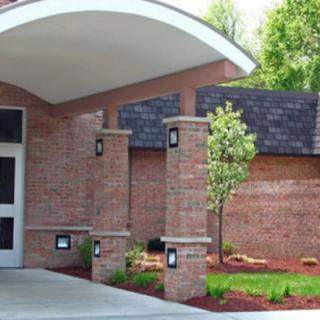
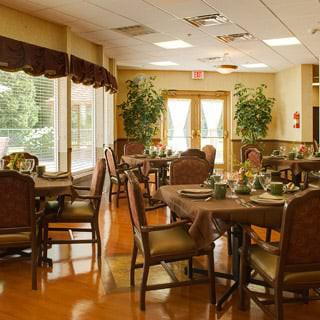
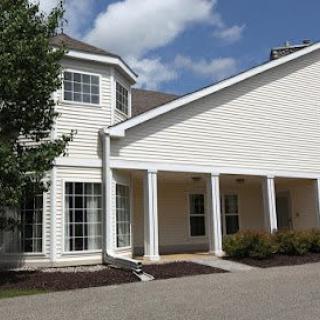
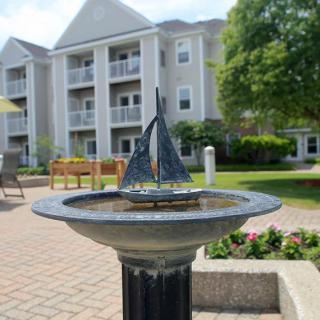
Miller's Care Home in Marshall, MI, offers a warm and inviting assisted living environment designed to enhance the quality of life for its residents. The community features a range of amenities that promote comfort and social engagement, including a spacious dining room where nutritious meals are served with consideration for special dietary restrictions. Residents can enjoy fully furnished accommodations, landscaped gardens, and ample outdoor space perfect for relaxation and leisurely strolls.

The dedicated staff at Miller's Care Home provides compassionate care tailored to individual needs. Services include support with daily living activities such as bathing, dressing, and transfers, alongside medication management and coordination with healthcare providers to ensure comprehensive wellness. Meal preparation is also attentive to dietary requirements, making dining not just a necessity but a delightful experience.

Social interaction is encouraged through scheduled daily activities designed to engage residents mentally and physically. With access to high-speed internet and telephone services, staying connected with family and friends is effortless.

Located conveniently near the heart of Marshall, residents benefit from proximity to various local resources—including three cafes for casual outings, two nearby parks for outdoor enjoyment, five pharmacies for easy access to medications, as well as 17 physicians available in the area. Dining options abound with 19 restaurants within reach for varied culinary experiences. Spiritual needs are supported by two places of worship nearby, while leisure pursuits can be enjoyed at a nearby theater or two local hospitals providing medical care.

Miller's Care Home offers move-in coordination services ensuring a smooth transition into their community. With transportation arrangements available for medical appointments and other outings, residents can maintain an active lifestyle embedded within a supportive environment that truly feels like home.

Nearby Places of Interest

Physicians

  • Shen, Vincent S MD PLC (0.2 miles)
  • Oaklawn Medical Group - Marshall Primary Care (0.2 miles)
  • Oakawn Medical Group - Audiology (0.2 miles)
  • Oaklawn Hematology / Oncology Clinic (0.2 miles)
  • General Surgical Associates PC (0.2 miles)
  • Oaklawn Medical Group - General Surgical Associates (0.2 miles)
  • South Central Ear Nose-Throat (0.2 miles)

Theaters

  • Bogar Theatre (0.3 miles)

Restaurants

  • Rollo's Mancino's Pizza (0.3 miles)
  • Grand River Brewery (0.4 miles)
  • Copper Bar (0.4 miles)
  • Schuler's Restaurant & Pub (0.4 miles)
  • Stagecoach Inn (0.4 miles)
  • Side Tracks (0.7 miles)
  • Warman's Party Store (0.8 miles)

Cafes

  • Serendipity The Brew (0.3 miles)
  • Dark Horse Commons (0.8 miles)
  • Biggby Coffee (1.2 miles)
  • Cafe 24 7 (6.3 miles)
  • Biggby Coffee (10.7 miles)
  • Albion Eat Shop (11.1 miles)

Pharmacies

  • Hemmingsen Drug Store (0.4 miles)
  • Good Neighbor Pharmacy (0.4 miles)
  • Marshall City Pharmacy (1.1 miles)
  • Rite Aid (1.6 miles)
  • Remedi Senior Care (2.2 miles)
  • Larmour's Drug Co. (8.4 miles)
  • Family Fare Supermarkets (10.3 miles)

Places of Worship

  • Zion Lutheran Church (0.5 miles)
  • St Marys Religious Education (0.5 miles)
  • Parish Center (9.7 miles)
  • Caring Community Church (9.7 miles)
  • Cook's Prairie Baptist Church (9.8 miles)
  • St Paul Lutheran Church (10.1 miles)
  • Pastor Stephen Williams (10.1 miles)

Parks

  • Ketchum Park (0.6 miles)
  • Ketchum Park (0.7 miles)
  • Historic Bridge Park (8.1 miles)
  • Victory Park (11 miles)

Hospitals

  • Kurt Rudiger Piatkowski, DO (1.6 miles)
  • Oaklawn Hospital (2.3 miles)
  • Oaklawn Hospital Physical Rehabilitation Center (10.4 miles)
  • Oaklawn Hospital (10.6 miles)
  • Family Health Center of Albion (10.6 miles)

Frequently Asked Questions

Where is Miller's Care Home?

Nearby Communities

Related Resources

  • activities of daily livingComprehensive Insights into Activities of Daily Living (ADLs) and Their Assessment

    Activities of Daily Living (ADLs) are fundamental tasks vital for an individual's independence, particularly in older adults over 85, and include functions like bathing and dressing; assessing ADLs alongside Instrumental Activities of Daily Living (IADLs) helps determine the level of required assistance due to age-related health challenges. Tailored support plans, involving family and community resources, are essential for maintaining dignity and autonomy in assisted living environments.

  • does medicare pay for assisted livingMedicare Coverage for Assisted Living: An In-Depth Exploration

    Medicare does not cover assisted living costs, as it focuses on acute medical needs and short-term care, with exceptions for certain medically necessary services like physical therapy. Individuals must explore other options such as Medicaid, veterans' benefits, or long-term care insurance to manage these expenses effectively.

  • assisted living vs nursing homeChoosing the Right Senior Care: A Detailed Exploration of Assisted Living and Nursing Homes

    Choosing between assisted living and nursing homes involves evaluating emotional and financial factors, with assisted living offering independence and support for daily activities at a lower cost, while nursing homes provide intensive medical care for individuals with significant health needs. The decision is influenced by personal preferences, health status, cognitive function, and varying Medicaid coverage across states.