For more information about senior living options: (866) 208-4318
3 from 64 reviews
5 stars
29
4 stars
3
3 stars
2
2 stars
1
1 stars
29
Overall Review of Marshall Nursing And Rehabilitation Community
common28 reviews mention this
Caring staff is a recurring theme
Residents and visitors frequently describe the staff as caring, friendly, and responsive.
Many reviews highlight staff friendliness and compassion, with residents and families saying they felt supported and treated well. A number of comments also mention staff being attentive and informative, including during rehab and daily care. A few reviews are more mixed, but even there they often distinguish “awesome” aides while criticizing management or staffing levels.
common12 reviews mention this
Cleanliness stands out in reviews
Clean, well-kept spaces come up often in resident and visitor feedback.
Several reviews describe the facility as clean, spotless, and neat, and note it did not feel like a typical institution. Cleanliness is also referenced in more critical reviews, where some families report filthy or unclean conditions. Taken together, cleanliness is a prominent talking point that can run both positive and negative depending on the reviewer’s experience.
caveat4 reviews mention this
Dining draws mixed reactions
Food quality is a frequent point of disagreement.
Some reviewers say the food was fine but too spicy, while others describe it more negatively as terrible or disgusting. One review also says meals required bringing in outside food to ensure the person was fed. These comments suggest dining satisfaction varies widely across experiences.
caveat13 reviews mention this
Organization and communication concerns
Multiple reviews raise concerns about organization, communication, and staffing.
A recurring criticism is poor communication with families, with reviewers describing unanswered calls, lack of follow-up, or not being informed about care issues. Several reviews also point to organization problems and staffing-related breakdowns, including claims of delayed or missed care. Some negative reviews go further, alleging residents were not adequately served or supervised, which heavily shapes the overall complaint tone.
common4 reviews mention this
Rehab therapy support is mentioned
Physical therapy and hands-on rehab are praised in multiple reviews.
Some families describe positive rehab outcomes, including a physical therapy experience they felt was excellent and supportive. A few reviews also mention therapy staff engaging with patients and focusing on getting them back on their feet. While rehab is not universally praised, it is a clear positive theme in several accounts.
How we summarize
Counts show how many written reviews mention each theme; a review can touch several themes, and only frequently mentioned themes are displayed.
Features
Housing
60 resident community capacity
Types of Care
Skilled Nursing Facility
Amenities
Air-conditioning
Beauty salon
Cable or satellite TV
Computer center
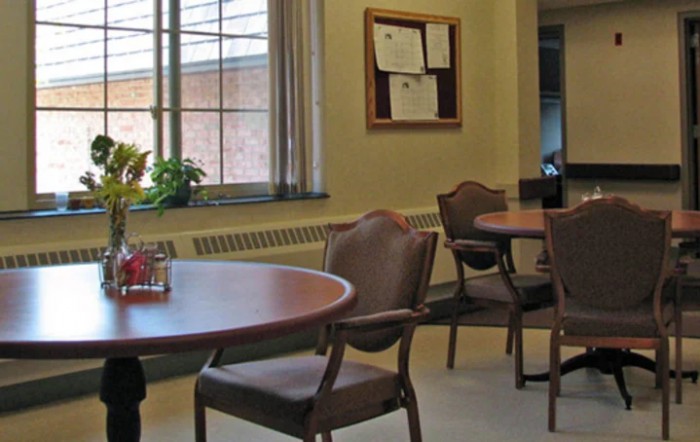
Dining room
Fitness room
Fully furnished
Gaming room
Garden
Housekeeping services
Kitchenette
Move-in coordination
Outdoor space
Private bathrooms
Restaurant-style dining
Small library
Telephone
Wellness center
Wi-Fi/high-speed internet available
Transportation
Community operated transportation
Transportation arrangement
Transportation arrangement (non-medical)
Transportation to doctors appointments
Care Services
12-16 hour nursing
24-hour call system
24-hour supervision
Activities of daily living assistance
Assistance with bathing
Assistance with dressing
Assistance with transfers
Diabetes diet
Meal preparation and service
Medication management
Mental wellness program
Special dietary restrictions
Dining
Diabetes diet
Special dietary restrictions
Activities
Community-sponsored activities
Concierge services
Fitness programs
Planned day trips
Resident-run activities
Scheduled daily activities
Nearby Places of Interest
Physicians
Shen, Vincent S MD PLC (0.6 miles)
Oaklawn Medical Group - Marshall Primary Care (0.6 miles)
Oakawn Medical Group - Audiology (0.6 miles)
Oaklawn Hematology / Oncology Clinic (0.6 miles)
Oaklawn Medical Group - Endocrinology (0.6 miles)
Oaklawn Medical Group - General Surgical Associates (0.6 miles)
General Surgical Associates PC (0.6 miles)
Cafes
Serendipity The Brew (0.6 miles)
Dark Horse Commons (1.1 miles)
Biggby Coffee (1.2 miles)
Cafe 24 7 (6 miles)
Biggby Coffee (10.9 miles)
Pharmacies
Hemmingsen Drug Store (0.7 miles)
Good Neighbor Pharmacy (0.7 miles)
Marshall City Pharmacy (1.1 miles)
Rite Aid (1.5 miles)
Remedi Senior Care (2.5 miles)
Larmour's Drug Co. (8.1 miles)
Family Fare Supermarkets (10.5 miles)
Restaurants
Rollo's Mancino's Pizza (0.7 miles)
Copper Bar (0.7 miles)
Grand River Brewery (0.7 miles)
Stagecoach Inn (0.7 miles)
Schuler's Restaurant & Pub (0.7 miles)
Denny's (0.7 miles)
Side Tracks (1 miles)
Theaters
Bogar Theatre (0.7 miles)
Places of Worship
Zion Lutheran Church (0.8 miles)
St Marys Religious Education (0.8 miles)
Parish Center (10 miles)
Caring Community Church (10 miles)
Cook's Prairie Baptist Church (10.2 miles)
Pastor Stephen Williams (10.3 miles)
St Paul Lutheran Church (10.4 miles)
Parks
Ketchum Park (1 miles)
Ketchum Park (1.1 miles)
Historic Bridge Park (7.9 miles)
Hospitals
Kurt Rudiger Piatkowski, DO (1.6 miles)
Oaklawn Hospital (2.2 miles)
Oaklawn Hospital Physical Rehabilitation Center (10.6 miles)
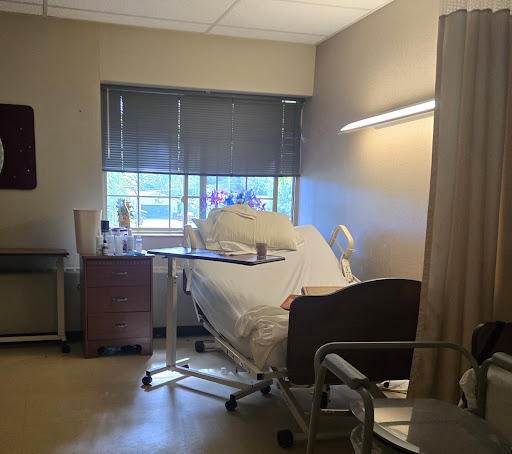
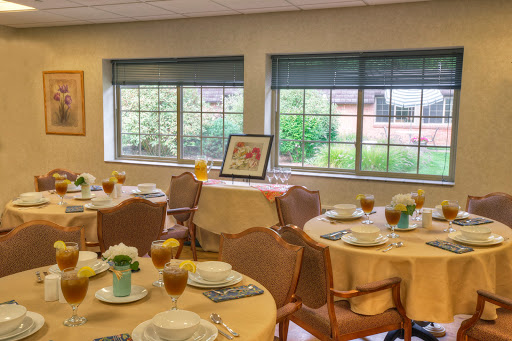
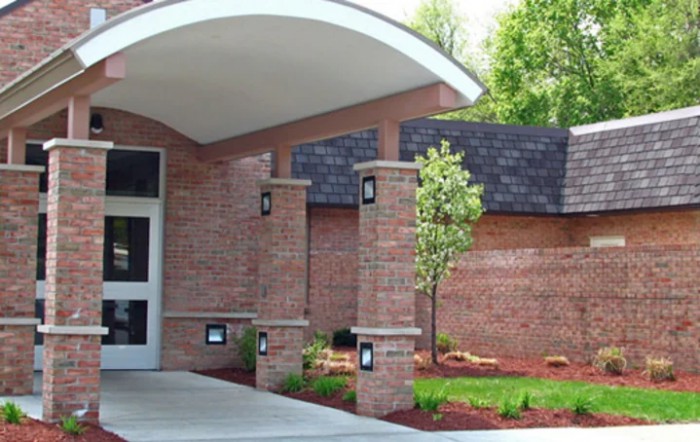
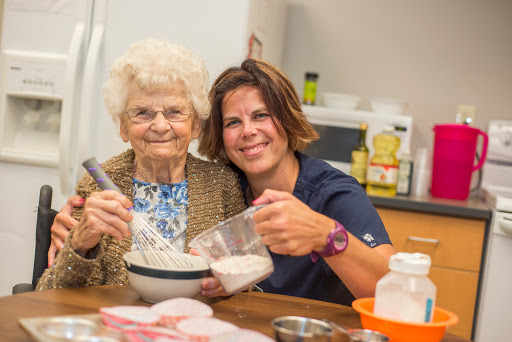
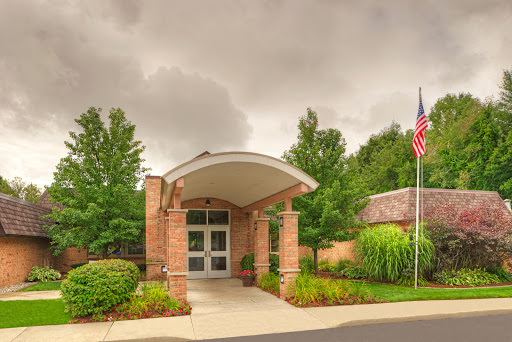
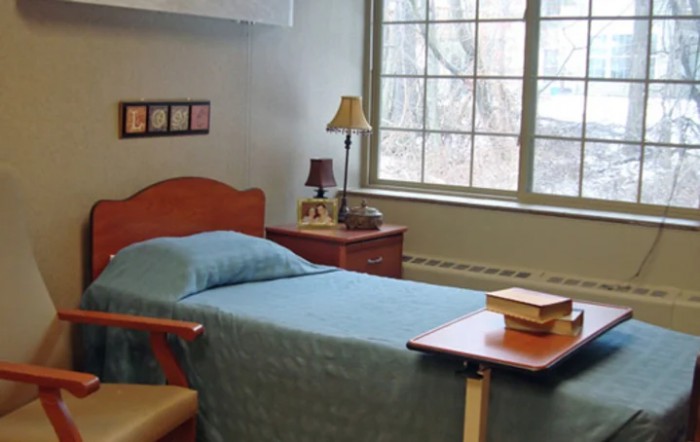
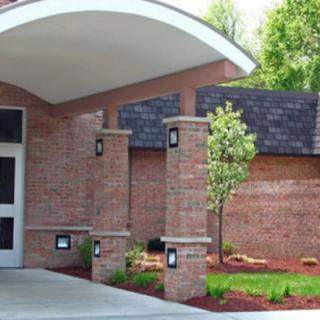
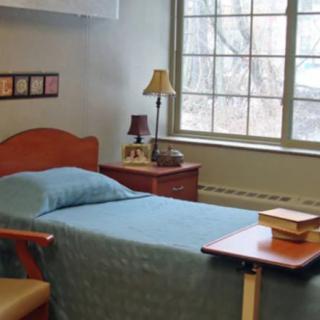
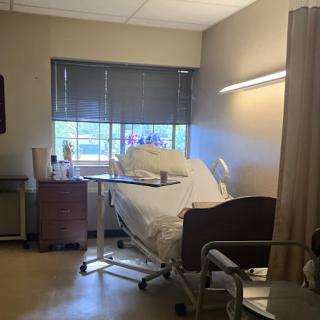
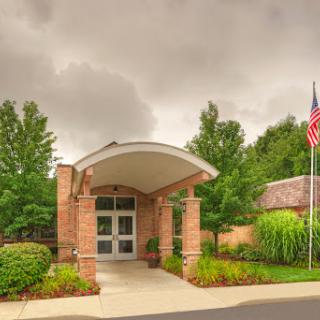
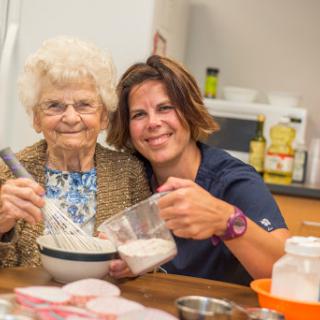
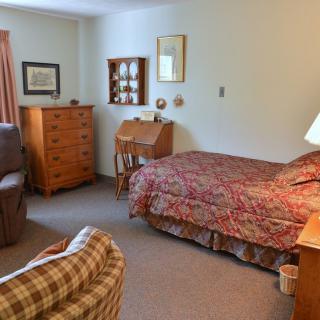
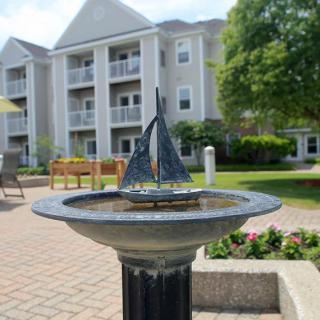
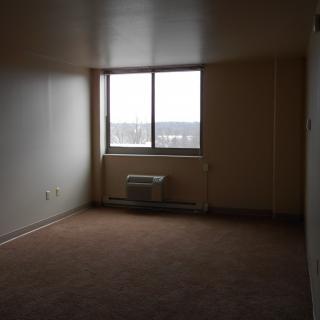
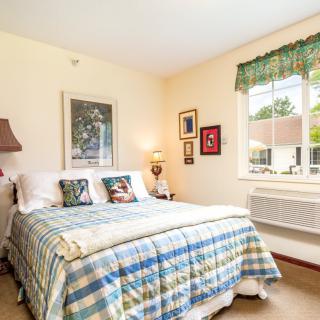
Marshall Nursing And Rehabilitation Community on seniors.fyi includes 7 photos including images showing windows, bedroom, building, entrance, landscaping, cooking, caregiver, kitchen, and more.
Nearby Communities
Cosmopolitan Afc
Marshall, MI
Intimate, personalized care in a small Board & Care/assisted living setting with active lifestyle amenities.
Marshall Comfort Care
Marshall, MI
4.3 from 78 reviews
$3,225 to $3,725 / month
Renovated, clean facility with friendly staff, engaging activities, and multiple care options (assisted, independent, memory care).
Maplewood of Marshall
Marshall, MI
4.3 from 46 reviews
Extensive on-site amenities and comprehensive care, including transportation and activities.
Miller's Care Home
Marshall, MI
4.3 from 100 reviews
Intimate 6-bed setting with 24/7 supervision, ADL support, meals with dietary accommodations, medication management, healthcare coordination, and engaging daily activities.
The Grand Home Of Marshall
Marshall, MI
4.9 from 8 reviews
Fully furnished apartments with on-site dining, 24-hour supervision, and transportation to medical appointments.
Walter Home
Marshall, MI
Small, personalized assisted living with a dedicated care team and diabetes support.
NorthPointe Woods
Battle Creek, MI
4.7 from 87 reviews
$2,319 to $4,413 / month
Friendly, responsive staff with well-maintained facilities and engaging activities.
Springview Tower
Battle Creek, MI
3.4 from 38 reviews
$536 / month
Active management working to improve the community; convenient location with on-site services.
Bickford of Battle Creek
Battle Creek, MI
4.1 from 109 reviews
$3,346 to $3,954 / month
Friendly, caring staff; clean, well-decorated facilities with engaging activities.
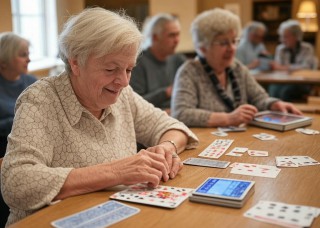
Maintaining cognitive fitness through engaging in various brain games, both traditional and digital, is crucial for seniors as it enhances memory retention, problem-solving abilities, and emotional well-being while helping to protect against age-related decline. A holistic approach that includes diverse activities, physical exercise, a balanced diet, and social interaction further supports mental health and cognitive function.
The article outlines strategies for keeping seniors' minds active through brain games and apps, highlighting the importance of cognitive exercises, social engagement, and a healthy lifestyle in combating cognitive decline. It emphasizes the benefits of various types of games and offers practical tips for maintaining mental wellness through enjoyable activities while acknowledging their limitations.
The VA Aid and Attendance program offers financial assistance to veterans needing help with daily activities due to health issues, available through a pension for low-income wartime veterans or an allowance for 100% disabled individuals. Eligibility depends on medical documentation of care needs and navigating guidelines about income and service history, with funds being usable for various healthcare-related expenses.
Marshall Nursing And Rehabilitation Community photos
×
Interior
Building
Bedroom
Windows
Dining
Landscaping
Kitchen
Interior
Bedroom
Dining and Indoor Lighting
Landscaping, Building, and Entrance
Windows
Architecture and Brick
Kitchen, Caregiver, and Cooking
Lighting
Flag
Get PricingAsk A QuestionSchedule A TourContact Senior Advisor
By clicking submit, you agree to our Partner's Terms of Use. You
also consent to receive calls and texts, which may be autodialed, from our Partner. Your consent is not a condition to
using our Partner's service. Please visit our Partner's Privacy Policy for information about their privacy practices.


 60 resident community capacity
 Skilled Nursing Facility
 Air-conditioning
 Beauty salon
 Cable or satellite TV
 Computer center
 Dining room
 Fitness room
 Fully furnished
 Gaming room
 Garden
 Housekeeping services
 Kitchenette
 Move-in coordination
 Outdoor space
 Private bathrooms
 Restaurant-style dining
 Small library
 Telephone
 Wellness center
 Wi-Fi/high-speed internet available
 Community operated transportation
 12-16 hour nursing
 24-hour call system
 Activities of daily living assistance
 Assistance with bathing
 Assistance with dressing
 Assistance with transfers
 Diabetes diet
 Medication management
 Mental wellness program
 Special dietary restrictions
 Concierge services
 Planned day trips
 Intimate, personalized care in a small Board & Care/assisted living setting with active lifestyle amenities.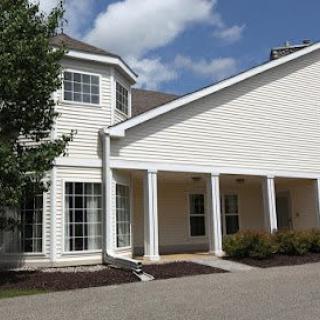
 Engaging Brain Games and Innovative Apps to Keep Senior Minds Active
 Effective Strategies for Keeping Seniors' Minds Active: A Deep Dive into Brain Games and Apps
 In-Depth Look at the VA Aid and Attendance Program