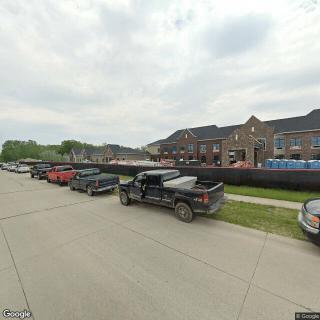
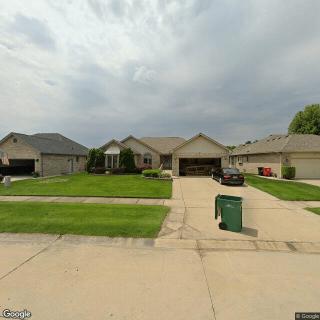
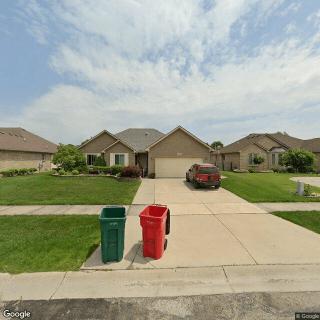
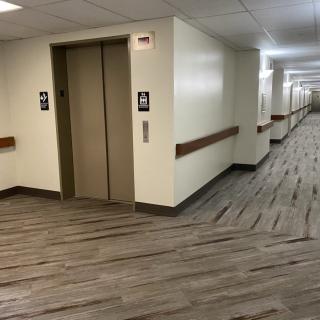
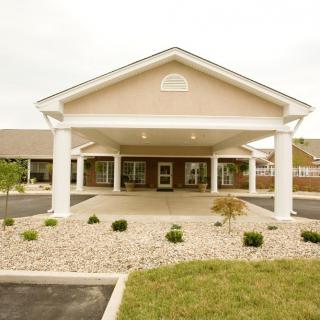
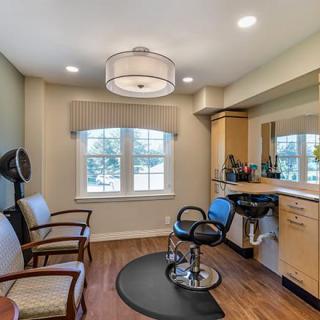
Walnut Creek House in Macomb Twp, MI

48578 Adams, Macomb Twp, MI 48044

For more information about senior living options: (844) 490-3973

4.8 from 17 reviews
5 stars
16
4 stars
0
3 stars
0
2 stars
1
1 stars
0

Assisted Living

Overall Review of Walnut Creek House

Pros

  • pro Walnut Creek Living is described as a better, more caring place for loved ones.
  • pro The staff are very professional and genuinely concerned about their patrons.
  • pro The facilities are clean and well kept.
  • pro The staff are compassionate and knowledgeable.
  • pro The home has a family feel, from the staff to the garden.
  • pro Nadine and Mona are wonderful, attentive, gentle, caring, and loving caregivers.
  • pro The home is spotless, and the meals are well prepared.
  • pro The client is kept clean, dressed, and peaceful thanks to the attentive staff.
  • pro The caregivers treat residents as part of their family.
  • pro The owners are hands-on and deeply invested in residents' care.
  • pro The staff go the extra mile and celebrate milestones and special occasions with residents.
  • pro The home provides a warm, home-like environment that feels welcoming and caring.

Cons

  • pro They express concern that the staff are not required to be vaccinated or masked when dealing with elderly at risk clients.
  • pro Their experience at Walnut Creek was short?lived, which felt disappointing.
  • pro Their mother passed away after a fall and did not get to enjoy the Walnut Creek experience.
  • pro One reviewer felt heart-sick at the thought of placing a parent in a nursing home.

Review

Walnut Creek House in Macomb Township, Michigan is best suited for families seeking a small, home-like environment where care feels personal and continuous. This community shines for seniors who value intimate, relationship-driven care over the anonymity of a large campus. The reviews consistently depict caregivers who treat residents like family, with ongoing warmth, attentiveness, and a level of hands-on involvement from owners and managers that translates into real peace of mind for visiting family members. The setting is ideal for long-term support and for transitions that require reliable daily help - post-hospital recoveries, hospice support, or life-affirming days for someone in their late 90s or beyond. The stories of a 93-year-old father, a 101-year-old mother, and a 99-year-old mother underscore this fit.

Yet there are clear reasons some families should consider alternatives. The strength here is intimacy, not campus-scale resources. For loved ones whose needs include robust medical oversight, specialized memory-care programming, or a wide slate of on-site therapies and equipment, a larger assisted living campus or a licensed nursing facility may deliver more structured support. If a familiar, home-like setting is not enough and the priority is formal clinical protocols, frequent rehab services, or a broad activity calendar with defined programs, Walnut Creek may feel insufficient. In those cases, exploring more expansive options ensures medical needs are met without delay.

From the outset, the positives are tangible. The home environment is clean, well-kept, and inviting; residents appear well-groomed and engaged, and meals feel home-cooked and thoughtfully prepared. The staff blend professional competence with genuine warmth, building trust quickly with residents and families. The owner is hands-on; staff turnover is low enough to sustain continuity, and communication with families is proactive - updates come as needed, and questions are answered with care. Many families highlight the sense of belonging: neighbors become extended family, and visits feel welcomed rather than logistics-heavy. In short, daily care hinges on personal connections rather than system processes.

However, two caveats temper the enthusiasm. First, the scale of Walnut Creek means fewer on-site amenities and a broader resource pool than large regional operators. Second, while 24/7 care is evident, the setting isn't designed to replace a full hospital or a dementia-dedicated wing; for residents requiring intensive, specialized medical routines, the care plan should be carefully scoped to avoid gaps. A minority of reviewers may wish for slightly more formalized protocols or a more visible, program-driven calendar of activities. These are not deal-breakers for most, but they are important to weigh against the intimate, home-forward model.

Nevertheless, the compelling combination of personal attention, consistent staff, and family-friendly operations more than offsets these considerations. The close-knit, home-like atmosphere yields steady daily engagement, prompt responses, and highly individualized care plans that adapt as needs evolve. Families repeatedly note that caregivers anticipate changes, offer practical comfort, and coordinate with hospice or external services without friction. The owner's clinical background and direct involvement help sustain accountability, while the option to visit at any time and to tailor routines around preferences reinforces a sense of security that larger facilities struggle to match. The overall impression is clear: Walnut Creek earns confidence for the right fit - one that prizes dignity, warmth, and genuine connection over impersonal efficiency.

For families weighing options, Walnut Creek is a strong recommendation when the goal is warmth, reliability, and a lived-in sense of home for an aging loved one. It suits those who prize caregiver continuity, transparent communication, and meals that feel like someone's kitchen rather than a cafeteria. If the priority shifts toward a highly medicalized setting, aggressive therapy schedules, or dementia-specific programming, alternatives with larger clinical footprints likely offer more assurance. In any case, a visit should be followed by direct conversations with current residents and families, confirmation of licensure and safety records, and a clear outline of rates, room options, and what constitutes 24/7 coverage. Walnut Creek earns confidence as a thoughtfully run, person-centered option for the right family and the right stage of care.

Features

Housing

  • 6 resident community capacity 6 resident community capacity

Types of Care

  • Assisted Living Assisted LivingAssisted living facilities provide crucial support and care for seniors who may need help with daily tasks such as medication management, bathing, and meal preparation. These communities offer a safe and comfortable environment where seniors can maintain their independence while receiving the assistance they need to thrive in their golden years.

Amenities

  • Cable or satellite TV Cable or satellite TVCable or satellite TV is important for seniors because it provides entertainment, news, and companionship, helping to combat loneliness and boredom. It also offers a wide range of programming options tailored to different interests and preferences.
  • Dining room Dining roomDining rooms are important for seniors as they provide a space for socialization, connection, and nutritious meals. They offer opportunities for residents to bond over shared meals, foster a sense of community, and promote healthy eating habits. Dining rooms also ensure that seniors have access to well-balanced meals tailored to their dietary needs and preferences.
  • Fully furnished Fully furnishedFully furnished senior living communities are important for seniors because they provide convenience, comfort, and a hassle-free moving experience. Seniors can easily settle into their new living space without the stress of having to buy and move furniture. This allows them to focus on enjoying their new home and community.
  • Garden GardenGardens are important for seniors as they provide a peaceful and therapeutic environment for relaxation, physical activity, and socialization. Being in nature has been shown to reduce stress, improve mood, and promote overall well-being. Gardens also offer opportunities for seniors to engage in gardening activities, which can improve mobility, flexibility, and cognitive function. Additionally, gardens create a sense of community and connection with others who share a passion for plants and outdoor spaces.
  • Housekeeping services Housekeeping servicesHousekeeping services are important for seniors because they help maintain a clean and safe living environment, promote independence, and reduce the risk of accidents or illnesses. Additionally, having assistance with household chores can alleviate physical strain and allow seniors to focus on other aspects of their well-being.
  • Move-in coordination Move-in coordinationMove-in coordination is important for seniors because it helps ease the transition into their new living environment. It ensures that all logistics, such as packing, organizing movers, and setting up utilities are taken care of, allowing seniors to focus on settling in and adjusting to their new home. Having a smooth move-in process can alleviate stress and anxiety, making the transition smoother and more enjoyable for seniors.
  • Outdoor space Outdoor spaceOutdoor spaces are important for seniors as they provide opportunities for physical activity, social interaction, exposure to natural light and fresh air, and a sense of connection to nature. Having access to outdoor spaces can improve overall well-being and quality of life for older adults living in senior communities.
  • Telephone TelephoneTelephones are important for seniors as they provide a lifeline for communication with loved ones, emergency services, and healthcare providers. They offer a sense of security and independence, enabling seniors to stay connected and access assistance when needed.
  • Wi-Fi/high-speed internet available Wi-Fi/high-speed internet availableWi-Fi/high-speed internet is important for seniors to stay connected with loved ones, access online resources, and participate in virtual activities to combat feelings of loneliness and isolation. It also allows them to easily manage healthcare needs, access entertainment, and engage in lifelong learning opportunities.

Care Services

  • 24-hour supervision 24-hour supervision24-hour supervision is important for seniors to ensure their safety, well-being, and access to immediate assistance in case of emergencies or health issues. This constant support provides peace of mind for both seniors and their loved ones, allowing them to age in place with dignity and security.
  • Activities of daily living assistance Activities of daily living assistanceActivities of daily living assistance are important for seniors because they provide essential support with tasks such as eating, bathing, dressing, and mobility. This assistance helps seniors maintain their independence, dignity, and overall quality of life as they age.
  • Assistance with bathing Assistance with bathingAssistance with bathing is crucial for seniors as it helps maintain personal hygiene, prevents infections, and ensures their overall well-being and comfort. It also provides a sense of dignity and independence for seniors who may struggle with this task on their own.
  • Assistance with dressing Assistance with dressingAssistance with dressing is important for seniors because it helps maintain their independence, promotes personal hygiene, prevents accidents and injuries, and improves overall quality of life. This service ensures that seniors can continue to dress comfortably and confidently, despite any physical limitations they may have.
  • Assistance with transfers Assistance with transfersAssistance with transfers is crucial for seniors as it helps prevent falls and injuries, maintains their independence, and ensures they can safely navigate their living environment. It also provides peace of mind for both seniors and their loved ones.
  • Coordination with health care providers Coordination with health care providersCoordination with health care providers is crucial for seniors to ensure proper medical care, medication management, and overall well-being. This collaboration helps prevent overlapping treatments, track progress more effectively, and provide comprehensive support tailored to individual needs.
  • Diabetes diet Diabetes dietA diabetes diet is crucial for seniors as it helps manage blood sugar levels, reduce risks of complications, and improve overall health and well-being. By following a balanced and nutritious diet tailored to their specific needs, seniors can better control their diabetes and enhance their quality of life.
  • Meal preparation and service Meal preparation and serviceMeal preparation and service are crucial for seniors as they may have limited mobility or energy to cook nutritious meals. Having access to healthy and convenient food options can ensure they are getting the proper nutrition needed to maintain their overall health and well-being.
  • Medication management Medication managementMedication management is crucial for seniors to ensure they are taking the right medications at the correct dosages and times. This helps prevent adverse drug interactions, reduces the risk of medication errors, and promotes overall health and well-being. Proactive management also allows for adjustments as needed based on changing health conditions or new prescriptions.
  • Special dietary restrictions Special dietary restrictionsSpecial dietary restrictions are important for seniors because age-related changes in metabolism and health conditions can make it difficult for their bodies to process certain foods. By following a diet tailored to their specific needs, seniors can maintain their overall health and well-being, manage chronic conditions, and reduce the risk of complications such as malnutrition or food interactions with medications.
  • Transportation arrangement (medical) Transportation arrangement (medical)Transportation arrangements for medical purposes are essential for seniors as they may have difficulty driving themselves to appointments or accessing public transportation. Having reliable and safe transportation options ensures that seniors can receive timely medical care and maintain their health and well-being.
  • Transportation to doctors appointments Transportation to doctors appointmentsTransportation to doctors' appointments is crucial for seniors as it ensures they have access to necessary medical care and support for their health needs. Without reliable transportation, seniors may struggle to attend important appointments, leading to potential delays in treatment and health complications. Providing transportation services helps seniors maintain their overall well-being and quality of life.

Dining

  • Diabetes diet Diabetes dietA diabetes diet is crucial for seniors as it helps manage blood sugar levels, reduce risks of complications, and improve overall health and well-being. By following a balanced and nutritious diet tailored to their specific needs, seniors can better control their diabetes and enhance their quality of life.
  • Special dietary restrictions Special dietary restrictionsSpecial dietary restrictions are important for seniors because age-related changes in metabolism and health conditions can make it difficult for their bodies to process certain foods. By following a diet tailored to their specific needs, seniors can maintain their overall health and well-being, manage chronic conditions, and reduce the risk of complications such as malnutrition or food interactions with medications.

Activities

  • Community-sponsored activities Community-sponsored activitiesCommunity-sponsored activities are important for seniors as they provide opportunities for social interaction, mental stimulation, and physical activity. These activities can help improve overall well-being, combat loneliness and isolation, and promote a sense of belonging and purpose among older adults.
  • Scheduled daily activities Scheduled daily activitiesScheduled daily activities are important for seniors because they provide structure, socialization, mental stimulation, and physical activity. Engaging in regular activities can improve overall well-being and quality of life for seniors living in a community setting.

Description

Walnut Creek House in Macomb Twp, MI is a premier assisted living community designed to provide comfort, convenience, and personalized care to its residents. The community offers a wide range of amenities to ensure a comfortable and enjoyable living experience.

Residents can enjoy delicious meals in the elegant dining room that caters to special dietary restrictions. The living spaces are fully furnished, providing a cozy and welcoming atmosphere. Housekeeping services are available to ensure that residents can relax and enjoy their time without worrying about everyday chores.

The community features beautiful gardens and outdoor spaces where residents can take leisurely walks or simply unwind while enjoying nature. For those who wish to stay connected with loved ones or browse the internet, Wi-Fi/high-speed internet is provided throughout the community. Residents also have access to a telephone for communication purposes.

At Walnut Creek House, caring staff is available to assist residents with various activities of daily living, including bathing, dressing, and transferring. They also coordinate with healthcare providers to ensure that residents receive the necessary medical care. Diabetes diets are accommodated, and medication management services are provided.

Engaging in social activities is an important aspect of life at Walnut Creek House. Scheduled daily activities are offered for residents to participate in and foster social connections within the community.

Conveniently located near various amenities, Walnut Creek House provides easy access to nearby cafes, parks, pharmacies, physicians' offices, restaurants, places of worship, theaters, and hospitals. Transportation arrangements for medical appointments as well as transportation to doctors' appointments are also available.

In summary, Walnut Creek House offers a supportive and compassionate environment where seniors can receive personalized care while enjoying a vibrant lifestyle. From comfortable accommodations and delightful dining options to engaging activities and convenient proximity to essential amenities – this assisted living community strives to enhance the overall well-being of its residents.

Nearby Places of Interest

Places of Worship

  • Shelby Bible Church (0.7 miles)
  • St Peter Lutheran Church (2.2 miles)
  • Crosspoint Church (5 miles)

Pharmacies

  • Walgreens (0.9 miles)
  • CVS Pharmacy (1.5 miles)
  • Walgreens (1.7 miles)
  • CVS Pharmacy (1.8 miles)
  • CVS Pharmacy (2 miles)
  • Walmart Pharmacy (2.6 miles)
  • CVS Pharmacy (3 miles)

Restaurants

  • Ciccarelli's Premier Sports Club & Eatery (1.1 miles)
  • First Watch (1.3 miles)
  • Culver's (1.3 miles)
  • Art & Jake's (1.4 miles)
  • Mavrix Restaurant & Bar (1.6 miles)
  • Taco Bell (1.6 miles)
  • McDonald's (1.7 miles)

Theaters

  • Emagine Macomb (1.3 miles)
  • MJR Partridge Creek Digital Cinema 14 (2.3 miles)
  • AMC Forum 3 (5.3 miles)

Physicians

  • Macomb Endoscopy Center (1.4 miles)
  • Professional Hearing Aid Center (1.5 miles)
  • G.I. Medicine Associates, PC (1.5 miles)
  • Eastside Skin Care & Laser Center (1.5 miles)
  • Douglas C. Kubek, DO (1.6 miles)
  • Michigan Surgery Specialists - Shelby Township (1.8 miles)
  • Henry Ford Shelby Ob/Gyn (1.9 miles)

Hospitals

  • St John Medical Center (1.5 miles)

Parks

  • Waldenburg Park (1.9 miles)
  • Whispering Woods Park (3 miles)
  • Mae Stecker Park (3.7 miles)
  • River Bends Park (4.2 miles)
  • Clinton Township Parks & Recreation (4.5 miles)
  • Dodge Park (4.8 miles)
  • Wilson Park (5.6 miles)

Cafes

  • Panera Bread (2.1 miles)
  • Starbucks (2.3 miles)
  • Starbucks (3.2 miles)
  • The Hot Spot Coffee (3.5 miles)
  • Starbucks (3.5 miles)
  • Tim Hortons (4.8 miles)
  • Starbucks (5.2 miles)

Frequently Asked Questions

Where is Walnut Creek House?

Nearby Communities

  • Hearthstone Communities Macomb II

    Hearthstone Communities Macomb II

    Macomb Twp, MI

    5 from 6 reviews
     

    pro Intimate, small-capacity community with 24-hour supervision, care coordination, and dietary-accommodated dining.

  • Oakleigh

    Oakleigh

    Macomb, MI

    4.4 from 59 reviews
     

    pro Specialized diabetic care with on-site activities and meals

  • Bella Senior Care Home

    Bella Senior Care Home

    Macomb, MI

    4 from 2 reviews
    $2,500 to $3,500 / month

    pro Small, intimate 6-bed community with personalized care; competitive pricing ($2,500 semi-private, $3,500 private) and memory care options with 24-hour supervision.

  • Walnut Creek Living

    Walnut Creek Living

    Macomb, MI

    4.6 from 39 reviews
    $3,600 to $5,000 / month

    pro Caring, attentive staff in a clean, homey setting with engaging activities.

  • Walnut Creek Living

    Walnut Creek Living

    Macomb, MI

    4.8 from 18 reviews
     

    pro Personalized, relationship-based care from staff.

  • Shelby Manor 2

    Shelby Manor 2

    Utica, MI

    3.7 from 17 reviews
    $4,500 / month

    pro Comprehensive care options (including memory care) with on-site dining, activities, and move-in coordination.

  • Bickford of Shelby Township

    Bickford of Shelby Township

    Shelby Township, MI

    4.1 from 76 reviews
    $3,954 to $4,258 / month

    pro Caring, attentive staff in a home-like setting with good meals and engaging activities.

  • Shelby Crossing Rehabilitation

    Shelby Crossing Rehabilitation

    Shelby Township, MI

    3.8 from 92 reviews
    $3,840 to $5,280 / month

    pro Compassionate staff, engaging activities, and on-site rehab in a welcoming environment.

  • Brookdale Utica

    Brookdale Utica

    Utica, MI

    4.7 from 140 reviews
    $3,400 / month

    pro Friendly, attentive staff in a welcoming, resort-like setting with varied room options.

Related Resources

  • does medicaid pay for assisted livingUnderstanding Medicaid Coverage for Assisted Living: A Comprehensive Guide

    The guide outlines the complexities of Medicaid coverage for assisted living, highlighting significant state-to-state variations, limited coverage often restricted to personal care services, and the existence of specialized waivers for certain needs like memory care. It advises families to consult local Medicaid offices for options while emphasizing the importance of understanding state-specific regulations and facility policies.

  • does medicaid pay for assisted livingHow and When Medicaid May Cover Assisted Living Costs

    Medicaid coverage for assisted living varies by state and is primarily available to low-income individuals, with eligibility dependent on strict income and asset limits. Some states offer HCBS waivers for specific services in assisted living, but families must generally cover room and board costs, and should verify facility acceptance of Medicaid while considering potential waiting lists.

  • assisted living waiver programA Detailed Exploration of Assisted Living Medicaid Waivers Across the United States

    Medicaid waivers for assisted living services provide vital support for seniors and individuals with disabilities in need of long-term care, with varying state-specific eligibility criteria and benefits. These waivers cover personal care and case management but often do not fully cover room and board, leading to waiting lists for many applicants.