Devonshire Retirement Village in Lapeer, MI

Save

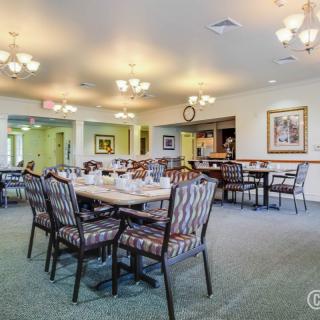
  • Interior

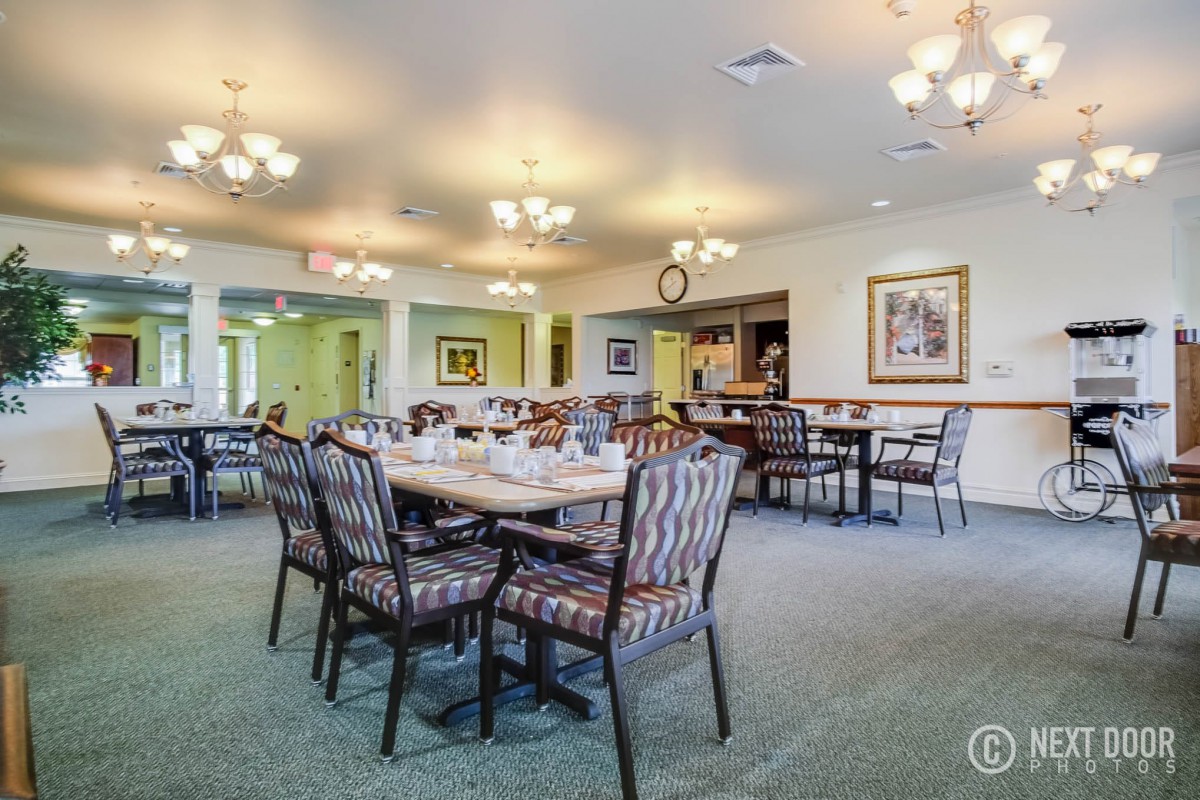
    A well-lit dining area with neatly arranged tables and chairs.
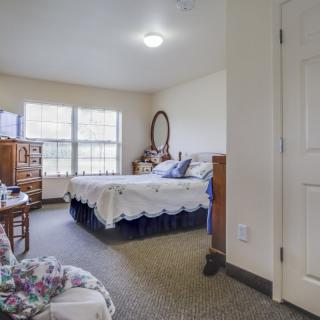
  • Decor

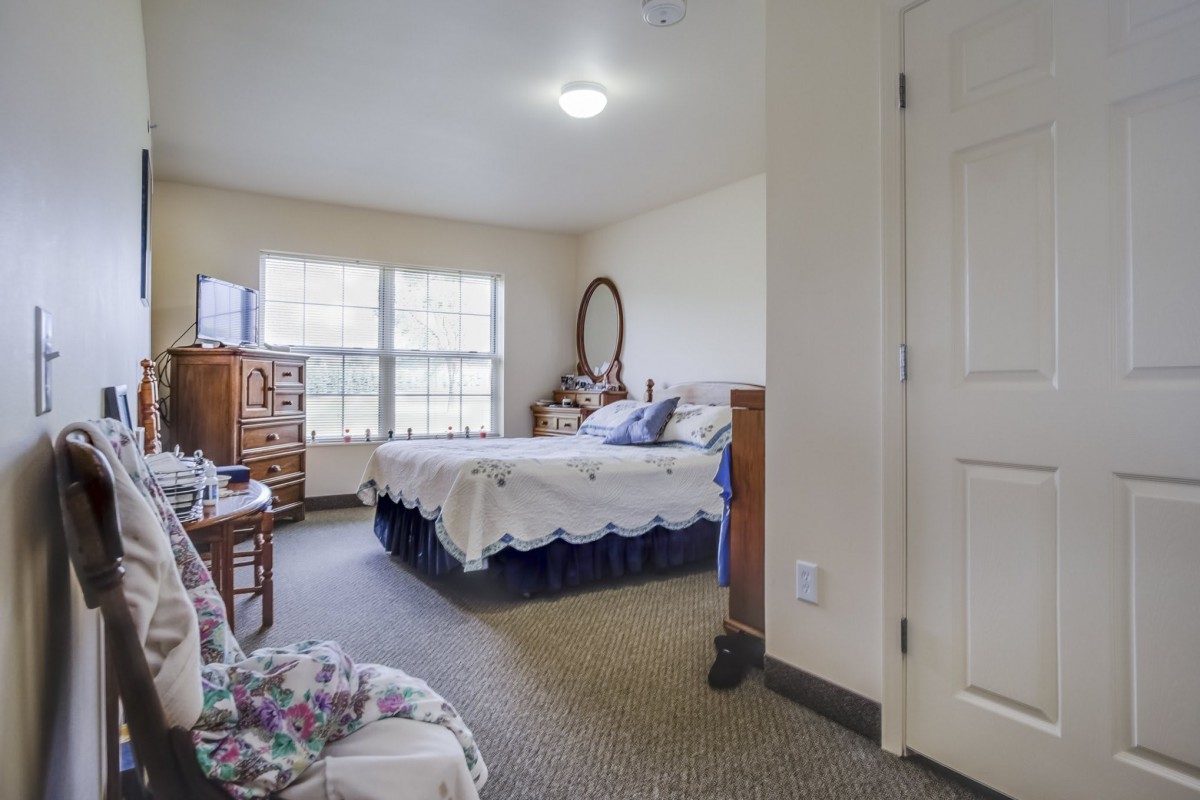
    A cozy bedroom with a large bed, wooden furniture, and a window letting in natural light.
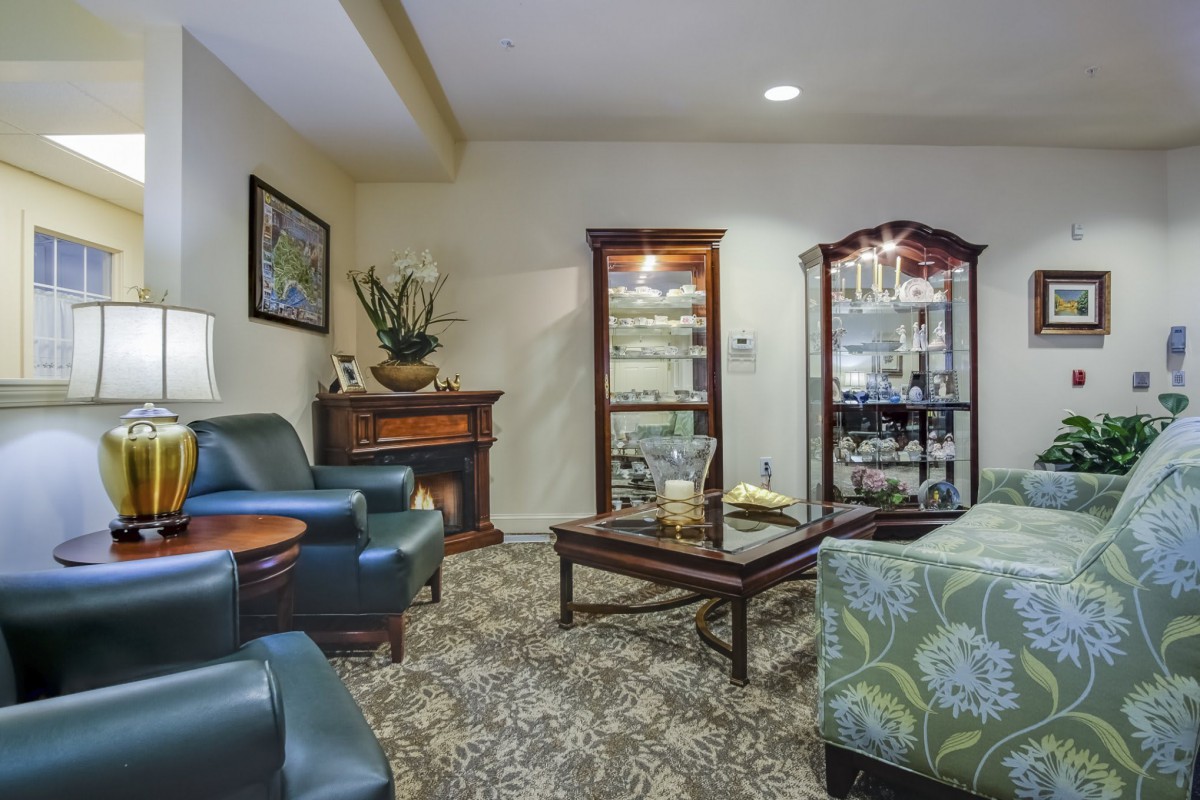
  • Living Room

    A cozy living room with comfortable seating and elegant decor.
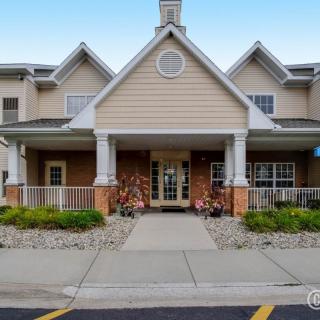
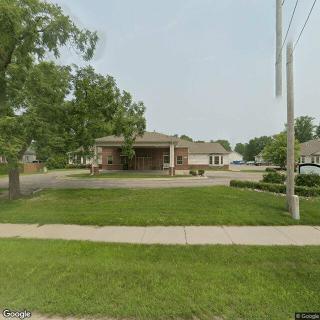
  • Building

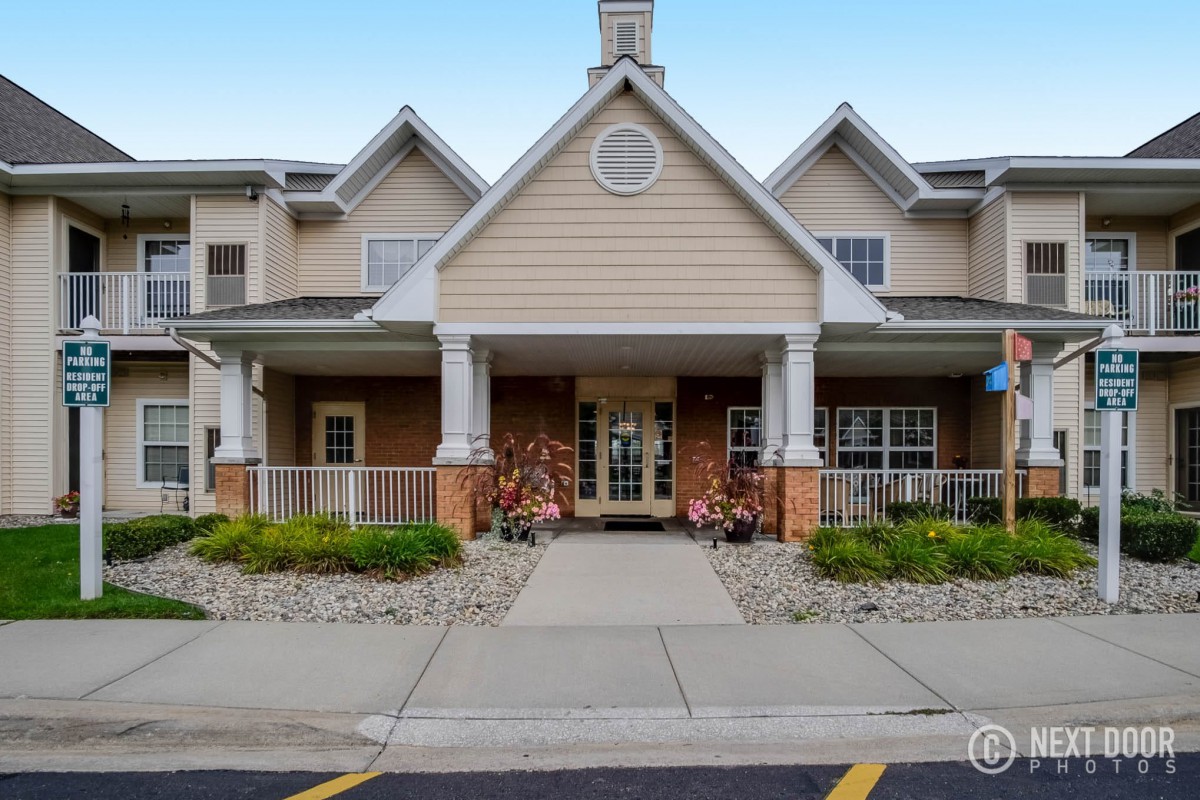
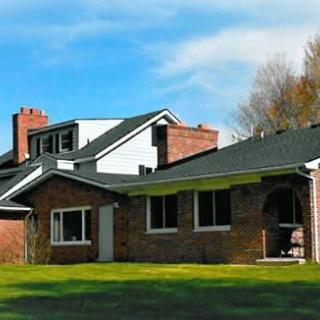
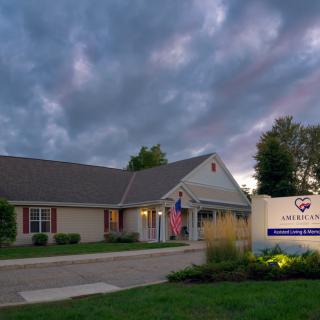
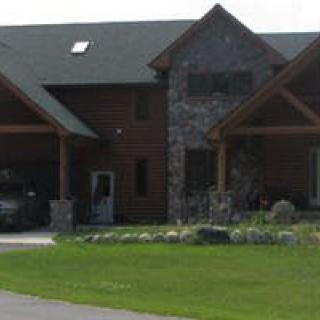
    Front view of a residential building with a welcoming entrance and landscaped surroundings.
  • Bedroom

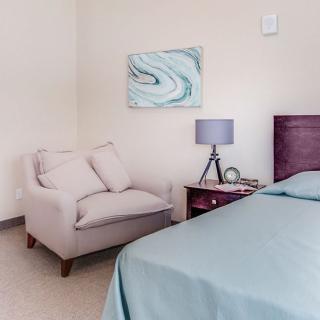
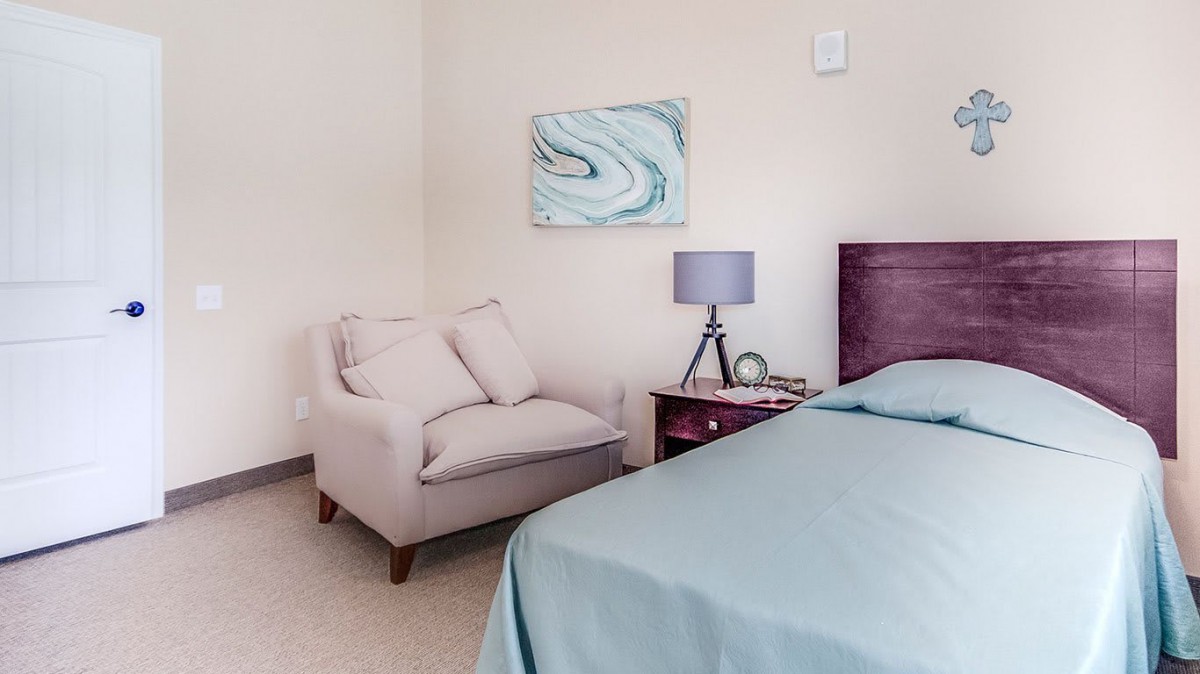
    A cozy bedroom corner featuring a plush chair, a bedside table with a lamp, and serene wall art.
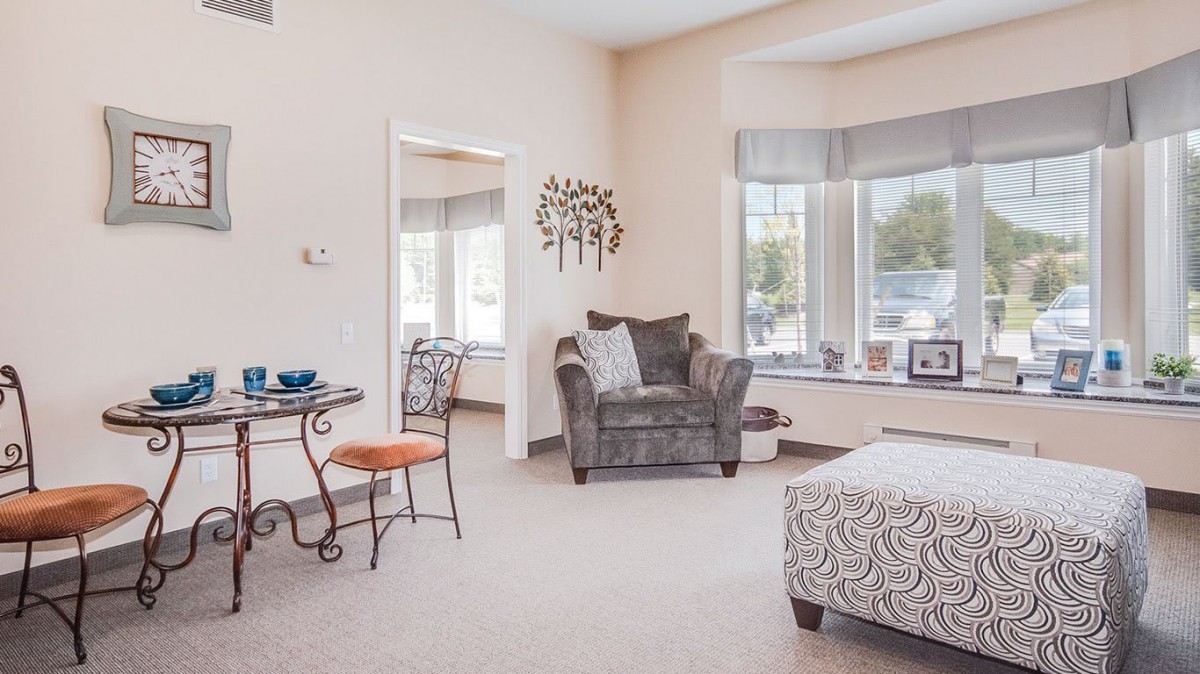
  • Windows

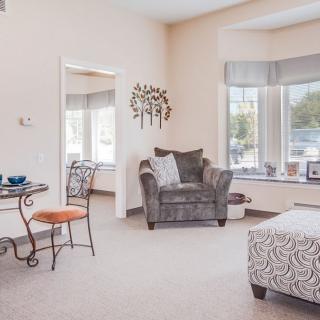
    A cozy living room with an armchair, decorative wall art, and a large window.
  • Dining

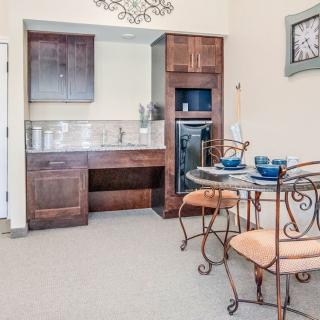
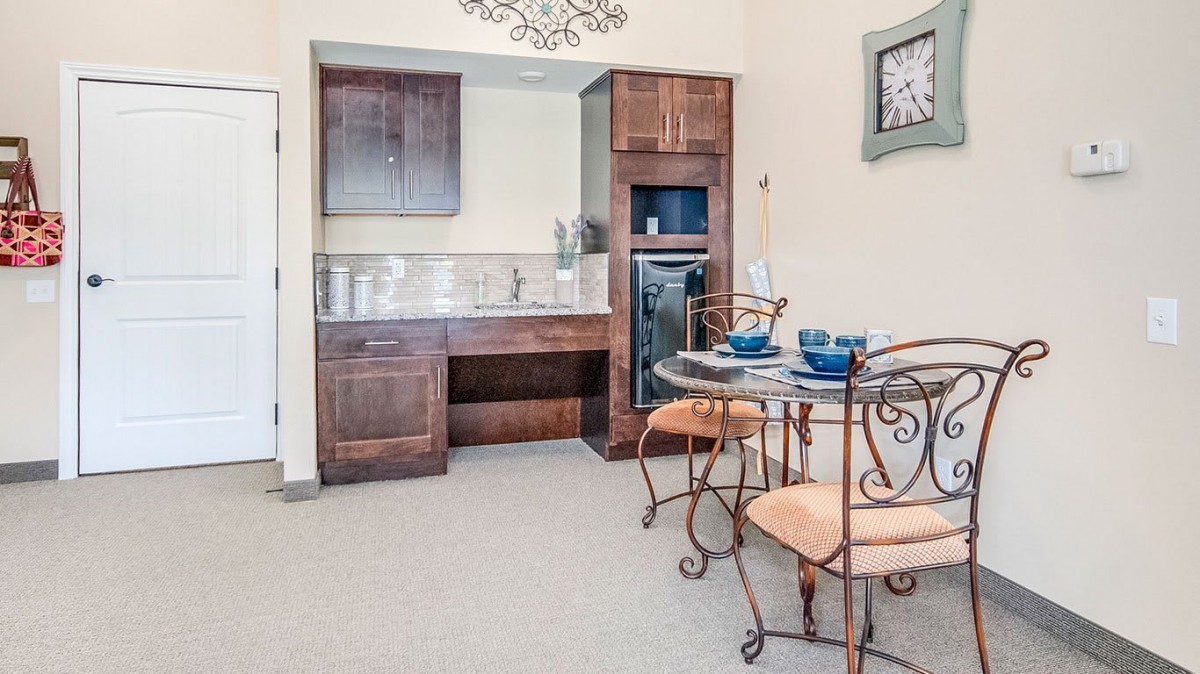
    A cozy kitchenette with wooden cabinets and a small dining table set.
  • Lighting

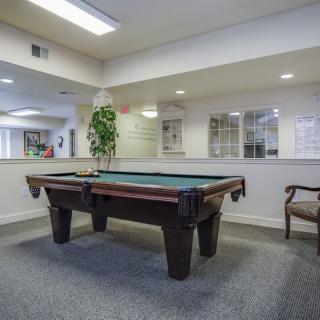
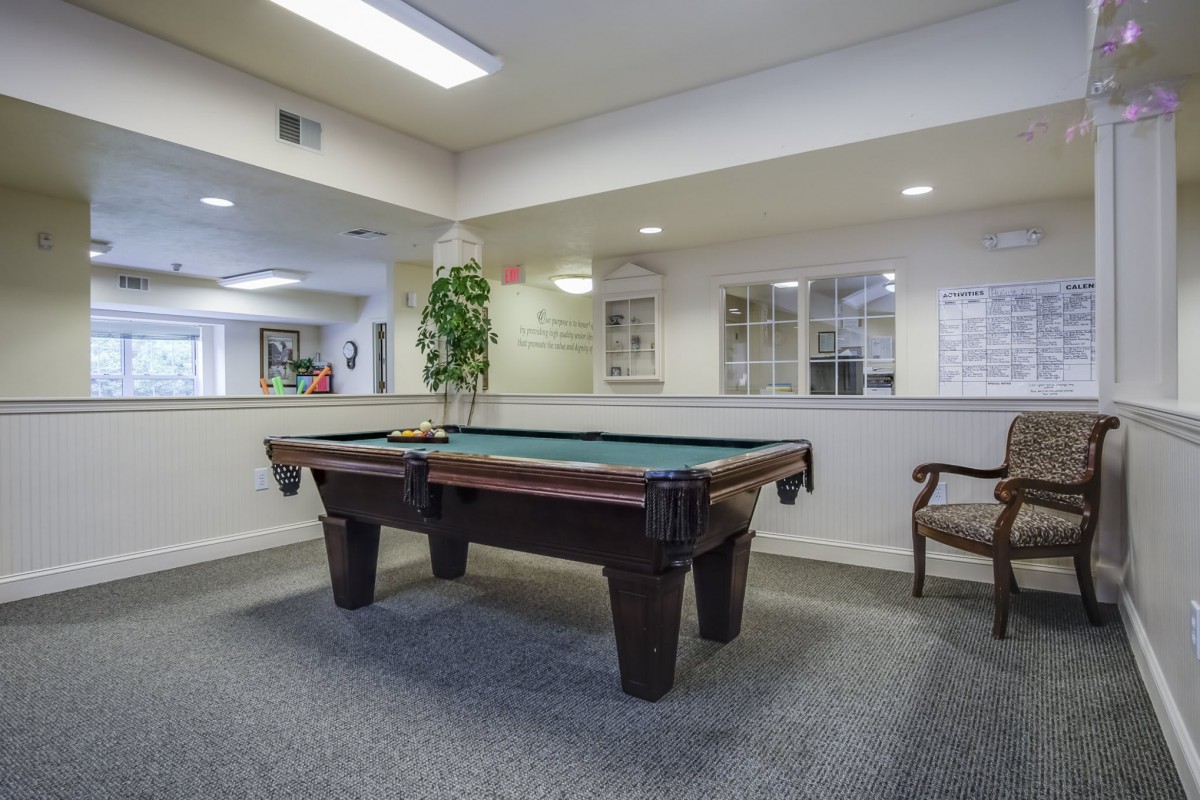
    A spacious indoor recreation room featuring a pool table and seating area.
  • Garden

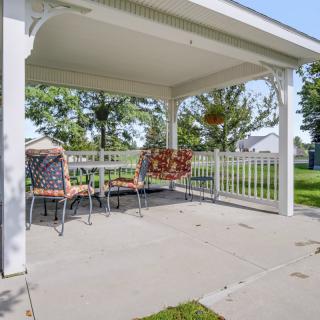
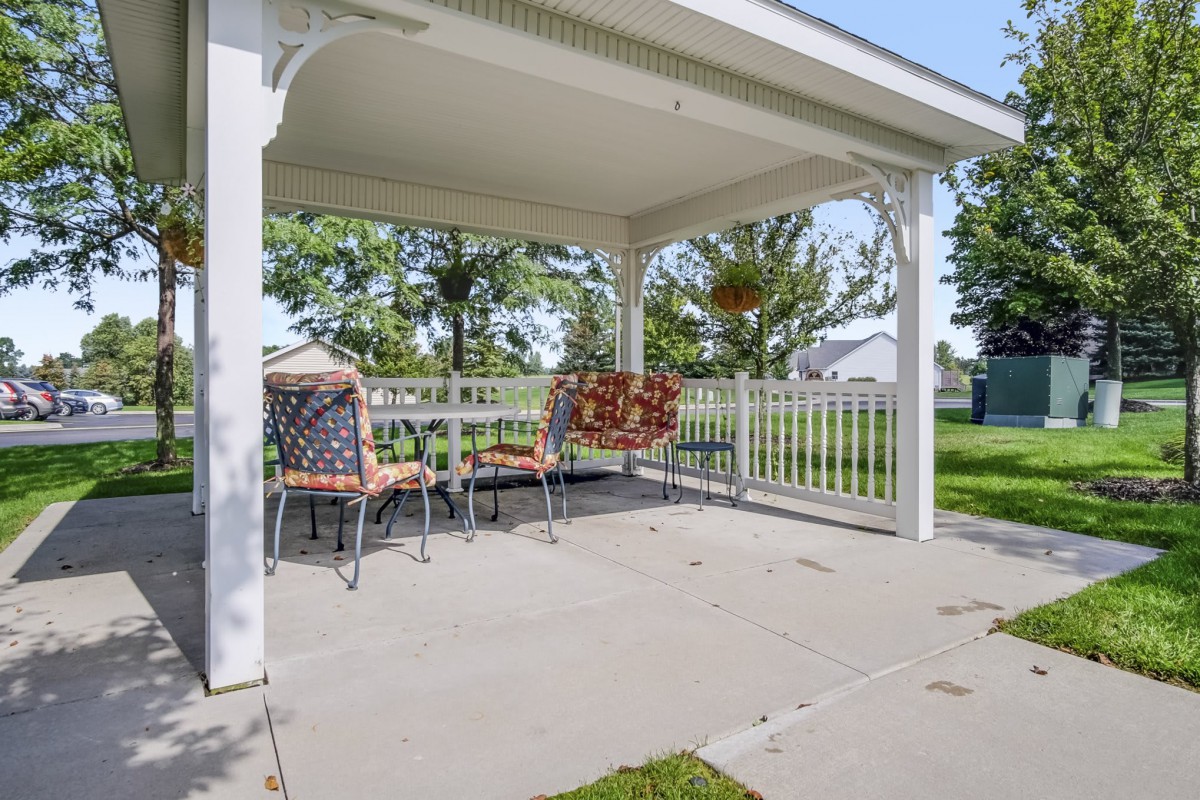
    A cozy outdoor patio area with a gazebo covering, featuring a table and chairs for seating.
  • Bathroom

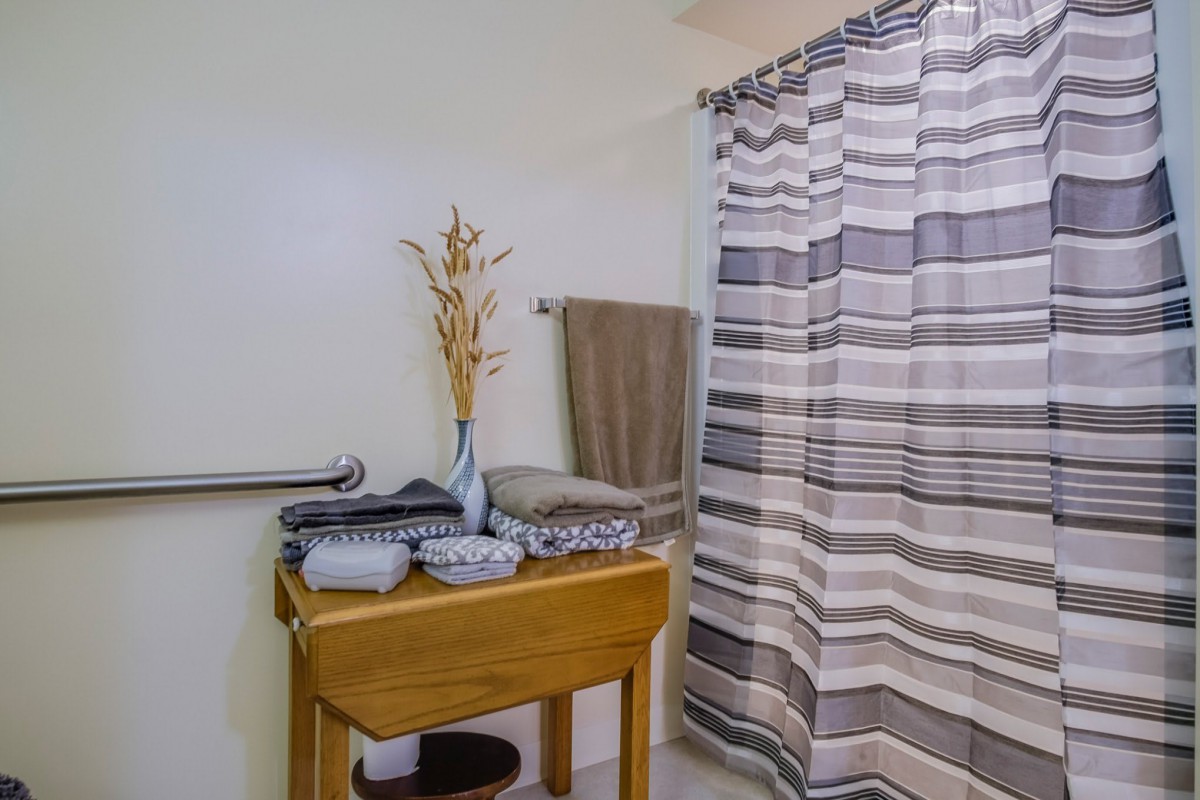
    A cozy bathroom with a striped shower curtain, neatly stacked towels, and a wooden table adorned with a vase and decorative plant.
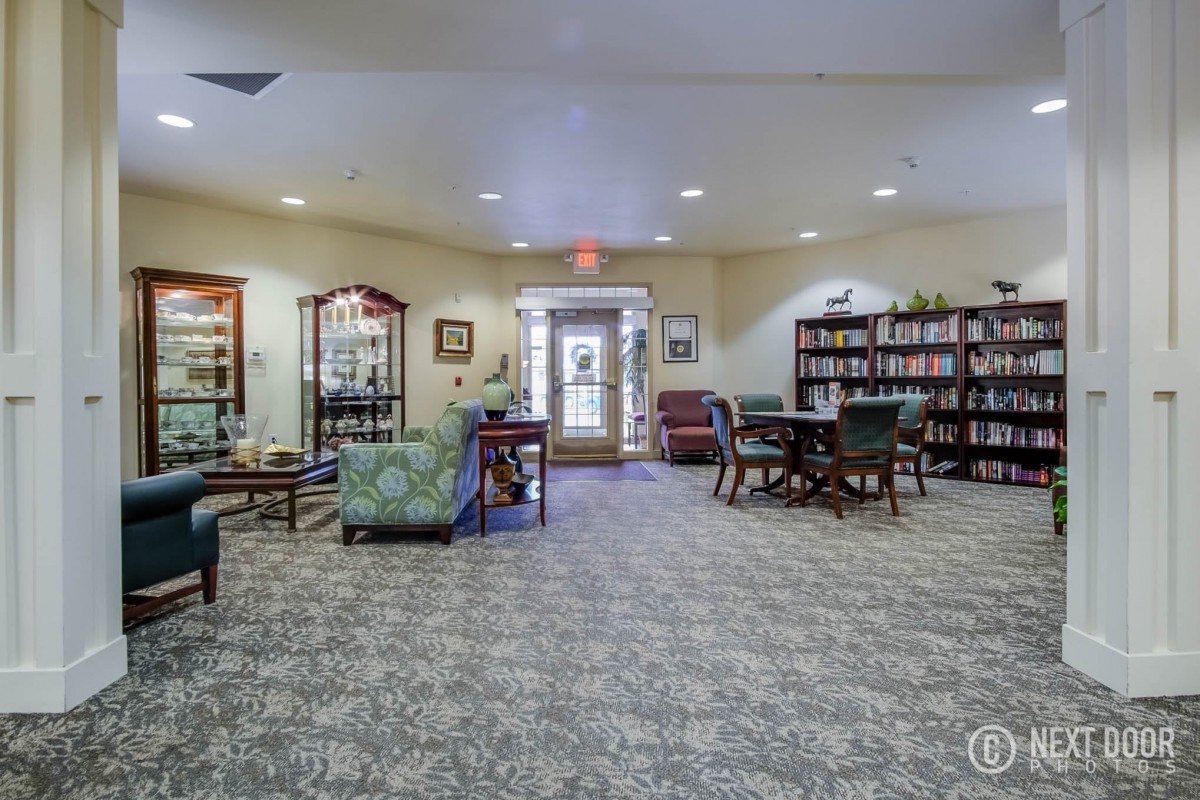
  • Bookshelves

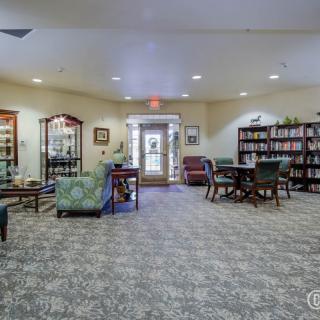
    A cozy library interior with bookshelves, seating areas, and a carpeted floor.
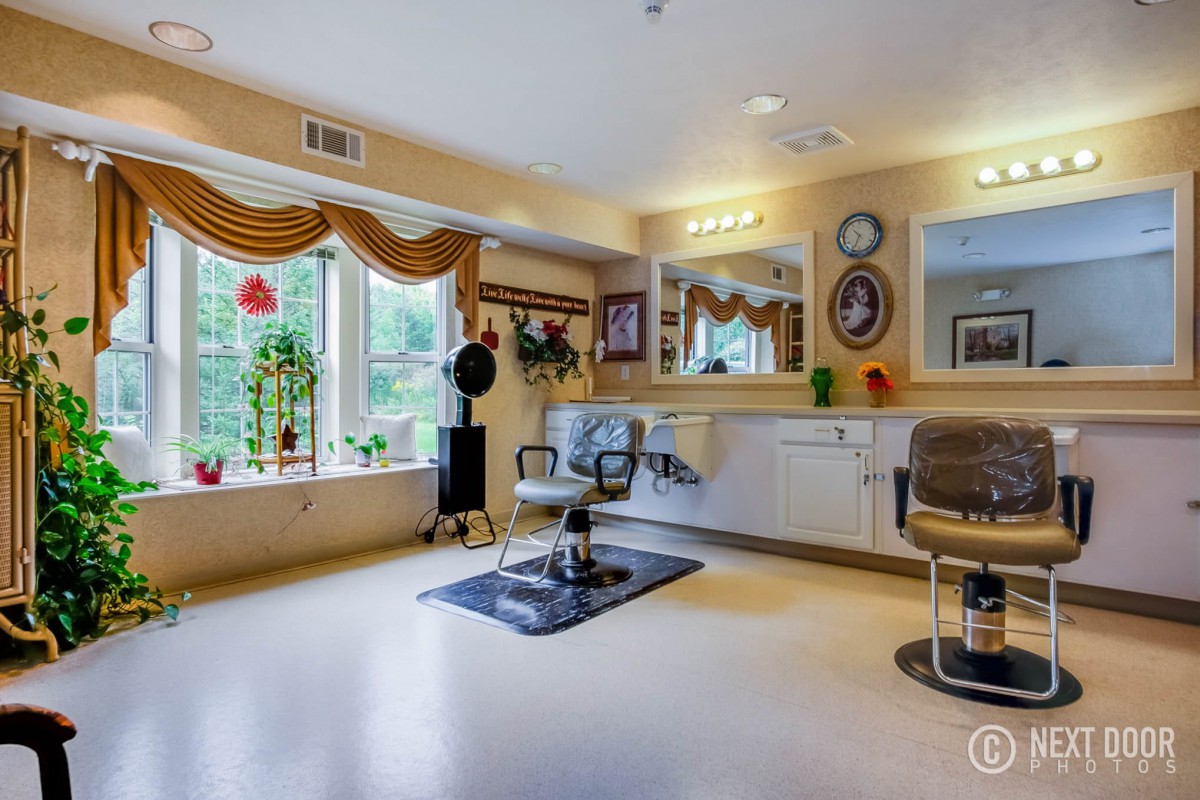
  • Salon

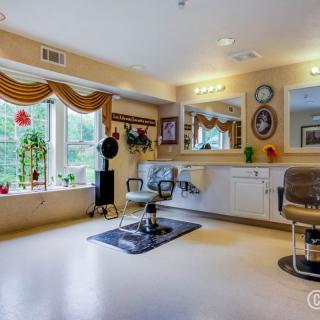
    A well-lit hair salon interior featuring a styling chair, large mirror, and decorative elements by the window.

Devonshire Retirement Village in Lapeer, MI

101 Devonshire Dr, Lapeer, MI 48446

For more information about senior living options: (844) 490-3973

4.8 from 154 reviews
5 stars
137
4 stars
9
3 stars
8
2 stars
0
1 stars
0

Assisted Living Independent Living Memory Care

Devonshire Retirement Village Costs & Pricing

At Devonshire Retirement Village, the monthly costs for various room types present a compelling option when compared to both Lapeer County and the broader state of Michigan. For a one-bedroom unit, residents would pay $2,505, significantly lower than the average rates of $3,393 in Lapeer County and $3,384 across Michigan. Even in the case of two-bedroom accommodations, Devonshire offers competitive pricing at $3,035, which is higher than Lapeer County's average of $2,360 but considerably more appealing than the state average of $3,523. However, for studio apartments priced at $4,500, Devonshire's costs are above both local and state averages of $3,775 and $3,824 respectively. Overall, Devonshire Retirement Village combines quality living with pricing that often aligns favorably against nearby competition for certain room types while reflecting the varying market dynamics within the region.

Floor plansDevonshire Retirement VillageLapeer CountyMichigan
1 Bedroom$2,505$3,393$3,384
2 Bedrooms$3,035$2,360$3,523
Studio$4,500$3,775$3,824

Overall Review of Devonshire Retirement Village

Pros

  • pro The staff at Devonshire are caring, attentive, and feel like family to residents.
  • pro Residents make friends, participate in daily activities, and feel happy living there.
  • pro Families express gratitude and trust that their loved ones are in good hands.
  • pro The community is consistently described as clean, welcoming, and homey.
  • pro The meals are varied, well prepared, and enjoyed by residents.
  • pro The memory care and enrichment programs are stellar, keeping residents engaged.
  • pro Devonshire is highly recommended by families for independent living, assisted living, and memory care.
  • pro The environment is warm, friendly, and fosters a strong sense of belonging.
  • pro The staff know residents by name and tailor activities to individual needs.
  • pro The facility feels safe and well maintained, with responsive administration.
  • pro Activities and events are plentiful and bring joy to residents.
  • pro Families note that visiting is easy and communications with staff are prompt.

Cons

  • pro They found the pricing inconsistent and frequently increased, with no clear set price.
  • pro They reported theft at the facility, making safety concerns alarmingly high.
  • pro They noted front-line staff are caring but chronically understaffed, impacting care.
  • pro They said the recruitment team promised things that weren't delivered after move-in.
  • pro They described the memory care as needing improvement in the level of care.
  • pro They found some activities disappointing or not engaging, with too much passive time like long Bingo sessions.
  • pro They described the facility as expensive, with some reviewers stating the cost was high for what was offered.

Review

Devonshire Retirement Village in Lapeer is best suited for families seeking a small, intimate senior living experience where residents are treated like neighbors and cared for with a consistent, family-style touch. It works well for those who want independent living, assisted living, or memory care under one roof, with a strong emphasis on daily connection, purposeful activities, and a home-like atmosphere. The community reliably delivers friendly staffing, personalized attention, and opportunities for residents to stay engaged, socialize, and contribute to everyday life - whether through meals, outings, or meaningful in-house programs. This is not a place for someone chasing a luxury high-rise feel or the deepest medical precision at rock-bottom prices; instead, it prioritizes relationships, routine, and visible resident happiness.

Parents and adult children who prioritize warmth over polish will find Devonshire a compelling choice, but not everyone will be thrilled by the price point or the variability in staffing. Several reviews flag the cost as a real consideration, with comments about deposits, frequent reevaluations of charges, and rates that push toward the higher end of the market. For families with tighter budgets or those seeking the most predictable, all-inclusive pricing, alternatives that emphasize a more modular fee structure or lower monthly costs may be preferable. Likewise, those who want a sprawling campus with every possible amenity may feel that Devonshire's smaller-scale, homey environment is a better fit in spirit than in size.

The strongest pros center on attention to residents and a sense of belonging that employees cultivate daily. The staff is repeatedly described as caring, welcoming, and genuinely invested in each person's well-being, with many reviews noting staff who know residents by name, support participation in activities, and assist with both routine needs and special interests. Cleanliness and a comfortable, lived-in feel permeate the public areas and living quarters, while meals and enrichment programs are consistently praised. The memory care environment uses smaller neighborhoods with their own dining and lounges, which fosters familiarity and individual attention for people navigating memory challenges. Together, these strengths help residents stay engaged, feel safe, and enjoy a recognizable "home" rather than a clinical setting.

That said, some cons do surface - primarily around cost and staffing consistency. A number of reviewers point to the expense as a trade-off for the intimate, attentive model, and a few note weekend staffing challenges or slower responses at times. Memory care, while praised for its design and approach, has not escaped feedback about room-to-room variability in activity levels and day-to-day engagement. Security and maintenance concerns occasionally appear in minority voices, underscoring the need for prospective families to verify current policy details and ensure expectations align with day-to-day operations. When weighed against the overall warmth, activity options, and resident satisfaction, the pros can still outweigh the cons, but the decision hinges on willingness to invest and to prioritize this particular care philosophy.

For families considering Devonshire, the practical path is clear: request a transparent, itemized cost discussion that distinguishes base living, memory care add-ons, and any ancillary services; tour the memory care neighborhoods to observe how staff interact with residents during dining and activities; and probe weekend coverage, response times, and plans for staffing continuity. Ask about how personal items and pets are accommodated, what happens if care needs escalate, and how often care plans are updated in response to changing health status. Visit with multiple residents and family members to gauge consistency in experience across shifts. In short, Devonshire rewards a thoughtful investment with tangible dividends in daily life, engagement, and a sense of belonging.

Bottom line: Devonshire Retirement Village excels for families who want a warm, community-driven environment where staff know residents well, activities stay robust, and care feels personalized at every level. It is a strong match for those seeking a cohesive progression from independent living to assisted living or memory care without surrendering the comforts of a homelike setting. The main caveat is price - and the need to confirm current rates and inclusions before choosing. For families prioritizing heart, continuity, and a true sense of "home," Devonshire is a compelling, low-pretension option that often becomes a trusted long-term residence for spouses and parents alike. Those who demand the most predictable pricing, the largest campus, or the most aggressive care metrics may want to explore a broader field before committing. A guided visit with clear questions will illuminate how Devonshire could fit the unique needs of a loved one.

Features

Housing

  • 20 resident community capacity 20 resident community capacity

Types of Care

  • Assisted Living Assisted LivingAssisted living facilities provide crucial support and care for seniors who may need help with daily tasks such as medication management, bathing, and meal preparation. These communities offer a safe and comfortable environment where seniors can maintain their independence while receiving the assistance they need to thrive in their golden years.
  • Independent Living Independent LivingIndependent living communities are important for seniors because they offer a safe and supportive environment where older adults can live independently while still having access to amenities and services that enhance their quality of life. These communities provide social opportunities, recreational activities, and assistance with daily tasks, promoting overall well-being and allowing seniors to maintain their independence for as long as possible.
  • Memory Care Memory CareMemory care is crucial for seniors as it provides specialized support and services for individuals with dementia or Alzheimer's disease. These programs offer a safe and secure environment where residents receive personalized care, cognitive stimulation, and help with daily activities. Memory care helps seniors maintain their independence, quality of life, and dignity while also providing peace of mind for their families.

Pets

  • Cats allowed Cats allowed"Pet friendly" senior living communities are important for seniors because pets provide companionship, reduce feelings of loneliness and depression, promote physical activity and mental stimulation, and offer a sense of purpose and responsibility. Pets can improve overall well-being and quality of life for seniors in many ways.
  • Dogs allowed Dogs allowed"Pet friendly" senior living communities are important for seniors because pets provide companionship, reduce feelings of loneliness and depression, promote physical activity and mental stimulation, and offer a sense of purpose and responsibility. Pets can improve overall well-being and quality of life for seniors in many ways.

Amenities

  • Activities on-site Activities on-siteActivities on-site are important for seniors because they provide opportunities for socialization, mental stimulation, physical activity, and overall well-being. Engaging in activities can help seniors stay active, maintain their independence, and improve their quality of life.
  • Air-conditioning Air-conditioningAir conditioning is important for seniors as they are more vulnerable to heat-related illnesses and may have underlying health conditions that make it difficult for them to regulate their body temperature. It helps to keep them comfortable, safe, and healthy in hot weather.
  • Bath tubs Bath tubsBath tubs are important for seniors because they provide a safe and relaxing way to bathe, helping to prevent slips and falls while promoting independence and overall well-being.
  • Beautician on-site Beautician on-siteHaving a beautician on-site at a senior living community is important for seniors as it allows them to easily access grooming and personal care services, boosting their self-esteem and overall well-being. It also provides convenience and helps seniors maintain their sense of independence and personal style.
  • Beauty salon Beauty salonBeauty salons are important for seniors because they provide a space for them to feel pampered, socialize, and maintain their personal grooming and hygiene. Regular visits to a beauty salon can help boost seniors' self-esteem and overall well-being.
  • Cable or satellite TV Cable or satellite TVCable or satellite TV is important for seniors because it provides entertainment, news, and companionship, helping to combat loneliness and boredom. It also offers a wide range of programming options tailored to different interests and preferences.
  • Devotional services off-site Devotional services off-siteDevotional services off-site are important for seniors as they provide spiritual nourishment, social engagement, and a sense of community outside of the senior living facility. This can enhance overall well-being and help combat feelings of isolation and loneliness often experienced by older adults.
  • Dining room Dining roomDining rooms are important for seniors as they provide a space for socialization, connection, and nutritious meals. They offer opportunities for residents to bond over shared meals, foster a sense of community, and promote healthy eating habits. Dining rooms also ensure that seniors have access to well-balanced meals tailored to their dietary needs and preferences.
  • Fully furnished Fully furnishedFully furnished senior living communities are important for seniors because they provide convenience, comfort, and a hassle-free moving experience. Seniors can easily settle into their new living space without the stress of having to buy and move furniture. This allows them to focus on enjoying their new home and community.
  • Garden GardenGardens are important for seniors as they provide a peaceful and therapeutic environment for relaxation, physical activity, and socialization. Being in nature has been shown to reduce stress, improve mood, and promote overall well-being. Gardens also offer opportunities for seniors to engage in gardening activities, which can improve mobility, flexibility, and cognitive function. Additionally, gardens create a sense of community and connection with others who share a passion for plants and outdoor spaces.
  • Handicap accessible Handicap accessible"Handicap accessible" amenities are crucial for seniors to ensure they can easily navigate and access facilities, services, and activities without barriers or limitations due to physical impairments. This promotes independence, safety, and inclusivity for seniors in senior living communities.
  • Housekeeping services Housekeeping servicesHousekeeping services are important for seniors because they help maintain a clean and safe living environment, promote independence, and reduce the risk of accidents or illnesses. Additionally, having assistance with household chores can alleviate physical strain and allow seniors to focus on other aspects of their well-being.
  • Indoor common areas Indoor common areasIndoor common areas are crucial for seniors as they provide a space for socialization, recreation, and community engagement, promoting overall well-being and reducing feelings of isolation and loneliness.
  • Kitchenette KitchenetteKitchenettes are important for seniors living in senior living communities because they provide the convenience and independence of being able to prepare simple meals and snacks in the comfort of their own living space. This can help promote a sense of autonomy and well-being for seniors, allowing them to maintain some level of control over their dietary choices and daily routines.
  • Move-in coordination Move-in coordinationMove-in coordination is important for seniors because it helps ease the transition into their new living environment. It ensures that all logistics, such as packing, organizing movers, and setting up utilities are taken care of, allowing seniors to focus on settling in and adjusting to their new home. Having a smooth move-in process can alleviate stress and anxiety, making the transition smoother and more enjoyable for seniors.
  • Outdoor common areas Outdoor common areasOutdoor common areas are important for seniors as they provide a space for socialization, physical activity, and relaxation. Being outside in nature can improve mood and overall well-being, while also encouraging movement and engagement with others. These spaces can help combat feelings of isolation and promote a sense of community among residents.
  • Outdoor space Outdoor spaceOutdoor spaces are important for seniors as they provide opportunities for physical activity, social interaction, exposure to natural light and fresh air, and a sense of connection to nature. Having access to outdoor spaces can improve overall well-being and quality of life for older adults living in senior communities.
  • Private bathrooms Private bathroomsPrivate bathrooms are important for seniors in senior living communities because they provide independence, dignity, and comfort. Having a private bathroom allows seniors to maintain their personal hygiene routines without the need for assistance, promoting a sense of autonomy and privacy. Additionally, private bathrooms help prevent the spread of infections and provide a safe and clean environment for seniors to navigate safely.
  • Respite or short term stays offered Respite or short term stays offeredRespite or short term stays provide seniors with a temporary solution when their regular caregiver is unavailable, offering them the opportunity to receive additional care and support during times of need, while also giving caregivers a chance to rest and recharge.
  • Telephone TelephoneTelephones are important for seniors as they provide a lifeline for communication with loved ones, emergency services, and healthcare providers. They offer a sense of security and independence, enabling seniors to stay connected and access assistance when needed.
  • Wheelchair accessible showers Wheelchair accessible showersWheelchair accessible showers are crucial for seniors as they provide a safe and independent bathing option for those with mobility challenges. These showers help prevent falls and allow seniors to maintain their dignity and autonomy while ensuring they can bathe comfortably.
  • Wi-Fi/high-speed internet available Wi-Fi/high-speed internet availableWi-Fi/high-speed internet is important for seniors to stay connected with loved ones, access online resources, and participate in virtual activities to combat feelings of loneliness and isolation. It also allows them to easily manage healthcare needs, access entertainment, and engage in lifelong learning opportunities.

Transportation

  • Bishop (21 miles away) Bishop (21 miles away)
  • Transportation arrangement Transportation arrangementTransportation arrangements are crucial for seniors as they may face challenges with driving, mobility, or access to public transportation. Having reliable transportation services ensures that seniors can easily attend appointments, social activities, and maintain their independence and quality of life.

Care Services

  • 24-hour call system 24-hour call system24-hour call systems are important for seniors because they provide peace of mind and immediate assistance in case of emergencies. This technology ensures that help is always available, promoting safety and security for elderly individuals living alone or in assisted living facilities.
  • 24-hour supervision 24-hour supervision24-hour supervision is important for seniors to ensure their safety, well-being, and access to immediate assistance in case of emergencies or health issues. This constant support provides peace of mind for both seniors and their loved ones, allowing them to age in place with dignity and security.
  • Activities of daily living assistance Activities of daily living assistanceActivities of daily living assistance are important for seniors because they provide essential support with tasks such as eating, bathing, dressing, and mobility. This assistance helps seniors maintain their independence, dignity, and overall quality of life as they age.
  • Assistance with bathing Assistance with bathingAssistance with bathing is crucial for seniors as it helps maintain personal hygiene, prevents infections, and ensures their overall well-being and comfort. It also provides a sense of dignity and independence for seniors who may struggle with this task on their own.
  • Assistance with dressing Assistance with dressingAssistance with dressing is important for seniors because it helps maintain their independence, promotes personal hygiene, prevents accidents and injuries, and improves overall quality of life. This service ensures that seniors can continue to dress comfortably and confidently, despite any physical limitations they may have.
  • Assistance with transfers Assistance with transfersAssistance with transfers is crucial for seniors as it helps prevent falls and injuries, maintains their independence, and ensures they can safely navigate their living environment. It also provides peace of mind for both seniors and their loved ones.
  • Coordination with health care providers Coordination with health care providersCoordination with health care providers is crucial for seniors to ensure proper medical care, medication management, and overall well-being. This collaboration helps prevent overlapping treatments, track progress more effectively, and provide comprehensive support tailored to individual needs.
  • Diabetes diet Diabetes dietA diabetes diet is crucial for seniors as it helps manage blood sugar levels, reduce risks of complications, and improve overall health and well-being. By following a balanced and nutritious diet tailored to their specific needs, seniors can better control their diabetes and enhance their quality of life.
  • Diabetic care Diabetic careDiabetic care is crucial for seniors as they are more susceptible to developing diabetes due to aging and other health conditions. Proper management of diabetes can help prevent complications such as heart disease, vision loss, and nerve damage, improving the overall quality of life for seniors in senior living communities.
  • Incontinence care Incontinence careIncontinence care is essential for seniors to maintain their dignity, hygiene, and overall quality of life. By addressing incontinence issues promptly and effectively, seniors can enjoy a sense of independence and comfort in their daily activities.
  • Meal preparation and service Meal preparation and serviceMeal preparation and service are crucial for seniors as they may have limited mobility or energy to cook nutritious meals. Having access to healthy and convenient food options can ensure they are getting the proper nutrition needed to maintain their overall health and well-being.
  • Medication management Medication managementMedication management is crucial for seniors to ensure they are taking the right medications at the correct dosages and times. This helps prevent adverse drug interactions, reduces the risk of medication errors, and promotes overall health and well-being. Proactive management also allows for adjustments as needed based on changing health conditions or new prescriptions.
  • Mental wellness program Mental wellness programMental wellness programs are essential for seniors as they promote cognitive stimulation, emotional support, and social engagement. These programs help prevent isolation, depression, and cognitive decline, ultimately enhancing the overall quality of life for older adults.
  • Mild cognitive impairment Mild cognitive impairment"Mild cognitive impairment" is important for seniors because it is an early stage of cognitive decline that can potentially progress to more severe conditions such as dementia. Recognizing and addressing mild cognitive impairment can help seniors receive appropriate care and support to maintain their quality of life and independence for as long as possible.
  • Special dietary restrictions Special dietary restrictionsSpecial dietary restrictions are important for seniors because age-related changes in metabolism and health conditions can make it difficult for their bodies to process certain foods. By following a diet tailored to their specific needs, seniors can maintain their overall health and well-being, manage chronic conditions, and reduce the risk of complications such as malnutrition or food interactions with medications.
  • Specialized memory care programming Specialized memory care programmingSpecialized memory care programming is crucial for seniors with cognitive impairments such as dementia or Alzheimer's disease. These programs provide a safe and supportive environment tailored to the unique needs of individuals with memory loss, helping them maintain their independence, dignity, and quality of life.
  • Transportation arrangement (medical) Transportation arrangement (medical)Transportation arrangements for medical purposes are essential for seniors as they may have difficulty driving themselves to appointments or accessing public transportation. Having reliable and safe transportation options ensures that seniors can receive timely medical care and maintain their health and well-being.
  • Transportation to doctors appointments Transportation to doctors appointmentsTransportation to doctors' appointments is crucial for seniors as it ensures they have access to necessary medical care and support for their health needs. Without reliable transportation, seniors may struggle to attend important appointments, leading to potential delays in treatment and health complications. Providing transportation services helps seniors maintain their overall well-being and quality of life.

Dining

  • Diabetes diet Diabetes dietA diabetes diet is crucial for seniors as it helps manage blood sugar levels, reduce risks of complications, and improve overall health and well-being. By following a balanced and nutritious diet tailored to their specific needs, seniors can better control their diabetes and enhance their quality of life.
  • Meals provided Meals provided"Meals provided" are crucial for seniors in assisted living communities as it ensures they have access to nutritious, balanced meals without the stress of meal planning and preparation. This can help promote overall health and well-being for seniors who may have limited mobility or cognitive abilities.
  • Special dietary restrictions Special dietary restrictionsSpecial dietary restrictions are important for seniors because age-related changes in metabolism and health conditions can make it difficult for their bodies to process certain foods. By following a diet tailored to their specific needs, seniors can maintain their overall health and well-being, manage chronic conditions, and reduce the risk of complications such as malnutrition or food interactions with medications.

Activities

  • Activities on-site Activities on-siteActivities on-site are important for seniors because they provide opportunities for socialization, mental stimulation, physical activity, and overall well-being. Engaging in activities can help seniors stay active, maintain their independence, and improve their quality of life.
  • Art classes Art classesArt classes are important for seniors because they provide a creative outlet, improve cognitive function, reduce stress and anxiety, promote socialization, and enhance overall well-being and quality of life.
  • BBQs or picnics BBQs or picnicsBBQs or picnics provide seniors with social interaction, enjoyment of the outdoors, and a sense of community, contributing to their overall well-being and quality of life.
  • Birthday parties Birthday partiesBirthday parties are important for seniors as they provide an opportunity for celebration, socialization, and joy. They allow seniors to feel special and appreciated, boosting their mood and overall well-being. Additionally, birthday parties can help combat feelings of isolation and loneliness by fostering connections with friends, family, and community members.
  • Community-sponsored activities Community-sponsored activitiesCommunity-sponsored activities are important for seniors as they provide opportunities for social interaction, mental stimulation, and physical activity. These activities can help improve overall well-being, combat loneliness and isolation, and promote a sense of belonging and purpose among older adults.
  • Cooking classes Cooking classesCooking classes are important for seniors as they provide opportunities for social interaction, enhance cognitive skills, promote healthy eating habits, and boost confidence in the kitchen.
  • Devotional activities offsite Devotional activities offsiteDevotional activities offsite are important for seniors because they provide social engagement, spiritual growth, and a sense of community outside of their living environment. This can improve overall well-being, mental health, and combat feelings of isolation or loneliness.
  • Educational speakers / life long learning Educational speakers / life long learningEducational speakers and lifelong learning opportunities are crucial for seniors as they provide mental stimulation, promote social engagement, and contribute to overall well-being. Continuous learning helps seniors stay mentally sharp, build new skills, and maintain a sense of purpose and fulfillment in their lives. It also allows them to stay connected to the world around them and fosters a sense of community within senior living facilities.
  • Gardening club Gardening clubGardening clubs are important for seniors because they provide a sense of community, promote physical activity and mental well-being, and offer opportunities for socialization and connection with nature. Gardening can also improve cognitive function and overall quality of life for seniors.
  • Live dance or theater performances Live dance or theater performancesLive dance or theater performances are important for seniors because they provide opportunities for socialization, mental stimulation, and emotional engagement. These performances can help combat feelings of isolation and loneliness, while also offering a sense of connection to the arts and culture. Additionally, watching live performances can bring joy and create lasting memories for seniors in their later years.
  • Live musical performances Live musical performancesLive musical performances can provide seniors with a sense of joy, nostalgia, and connection. Music has the power to evoke emotions and memories, improve mood and cognitive function, and foster social interaction among seniors. It can also serve as a form of therapy and stress relief for older adults, making it an important activity to include in senior living communities.
  • Resident-run activities Resident-run activitiesResident-run activities are important for seniors as they encourage social interaction, creativity, and a sense of autonomy. These activities empower seniors to stay engaged and active in their community while fostering meaningful connections with their peers.
  • Scheduled daily activities Scheduled daily activitiesScheduled daily activities are important for seniors because they provide structure, socialization, mental stimulation, and physical activity. Engaging in regular activities can improve overall well-being and quality of life for seniors living in a community setting.
  • Stretching classes Stretching classesStretching classes are important for seniors because they help improve flexibility, reduce the risk of injury, and promote overall health and well-being. Regular stretching can also help alleviate joint pain and stiffness, enhance balance and coordination, and increase range of motion.
  • Trivia games Trivia gamesTrivia games are important for seniors because they provide mental stimulation, social interaction, and a fun way to keep the mind sharp. They can help improve memory, cognitive function, and overall well-being in older adults.

Description

Devonshire Retirement Village in Lapeer, MI offers a welcoming and comfortable environment for seniors looking for assisted living options. Our community provides both Independent Living and Memory Care services to cater to the unique needs of our residents.

Our residents enjoy a variety of amenities that enhance their quality of life. Each apartment is equipped with air-conditioning, ensuring a comfortable living space regardless of the weather. Bath tubs are also available for those who prefer a relaxing soak. A beautician is conveniently located on-site, providing personal grooming services to our residents. Cable or satellite TV ensures entertainment options, while Devotional services off-site cater to spiritual needs.

We prioritize accessibility within our community, with handicap accessible features throughout the premises. Indoor common areas provide opportunities for socialization and relaxation, while outdoor common areas offer a serene setting for nature lovers. Each apartment comes with a kitchenette for added convenience. For short-term stays or respite care, we offer specialized accommodations.

At Devonshire Retirement Village, we understand the importance of holistic care for our residents. Our trained staff provides incontinence care and medication management services to ensure the health and well-being of our residents.

Engagement and socialization are encouraged through various activities provided by our community. Residents can participate in art classes, BBQs or picnics, and cooking classes to explore their creativity and culinary skills. Devotional activities off-site allow individuals to connect with their faith community, while educational speakers provide lifelong learning opportunities. Our gardening club allows green thumbs to nurture plants, while live dance or theater performances and musical performances bring joy and entertainment to our residents' lives. Stretching classes promote physical fitness, while trivia games stimulate mental agility.

Conveniently located near local amenities, Devonshire Retirement Village offers easy access to cafes, parks, pharmacies, physicians' offices, restaurants, transportation options, places of worship, theaters, and hospitals.

At Devonshire Retirement Village in Lapeer, MI, we strive to provide a warm and supportive environment where our residents can thrive in their golden years.

Nearby Places of Interest

This part of Lapeer, Michigan, offers a variety of amenities and services that would be beneficial for seniors looking to settle in the area. With several physicians, pharmacies, and hospitals within close proximity, residents have easy access to healthcare options. Places of worship are also nearby for those seeking spiritual fulfillment. In terms of dining options, there are a range of restaurants catering to different tastes. Additionally, transportation options such as U-Haul rentals and the Amtrak train station provide convenience for traveling. For leisure activities, residents can enjoy movies at the Lapeer Cinemas or relax at Rowden Park. Overall, this area provides a mix of essential services and recreational opportunities ideal for seniors looking for a comfortable living environment in Lapeer.

Physicians

  • Sharma Clinic (0.2 miles)
  • Roberts Dermatology Center PC (0.3 miles)
  • Lapeer Imaging Center (0.3 miles)
  • Dr Darlene Daly (0.3 miles)
  • Reddy DR (0.9 miles)
  • Lisa M. Allen DO (1.1 miles)
  • Heart & Vascular Institute Of Michigan (1.1 miles)

Places of Worship

  • St Paul Lutheran School (0.5 miles)
  • Church of Jesus Christ of Latter Day Saints (0.9 miles)
  • Lapeer Church Of The Nazarene (1.7 miles)
  • The Rising Christian Church (2.1 miles)
  • Lapeer Free Methodist Church (2.6 miles)
  • Norcross Kenneth (3.5 miles)
  • Lapeer Assembly of God (3.8 miles)

Restaurants

  • Side Tracks Bar & Grill (0.9 miles)
  • Lucky's Blind Fish Grill (1.4 miles)
  • Culver's (1.5 miles)
  • Wendy's (1.6 miles)
  • McDonald's (1.6 miles)
  • Leo's Coney Island (1.6 miles)
  • Subway (1.6 miles)

Transportation

  • U-Haul Neighborhood Dealer (0.9 miles)
  • Amtrack Train Station:Lapeer To Chicago (2.2 miles)

Theaters

  • Lapeer Cinemas (1.3 miles)

Pharmacies

  • Meijer Pharmacy (1.4 miles)
  • Rite Aid (1.6 miles)
  • Advanced Care Pharmacy (1.6 miles)
  • Walgreens (1.6 miles)
  • Lapeer Apothecary Shop (1.8 miles)
  • McLaren Medical Group (1.8 miles)
  • Rogers Pharmacy (2 miles)

Cafes

  • Starbucks (1.5 miles)

Hospitals

  • Nunnally, Nicholas Mclaren Lapeer Region Community Medical Center (1.8 miles)
  • McLaren Community Medical Center (1.8 miles)
  • McLaren Lapeer Region - Emergency Department (1.8 miles)
  • Lapeer Regional Medical Center Foundation (1.8 miles)
  • Occupational Health and Convenient Care Center - McLaren Lapeer Region (2 miles)

Parks

  • Rowden Park (1.9 miles)
  • Lapeer County Parks & Recreation Department (2 miles)
  • Continental North Southside Park (8.2 miles)
  • Continental North Northside Playground (8.5 miles)

Frequently Asked Questions

How much does it cost to live at Devonshire Retirement Village in Lapeer, MI?
Where is Devonshire Retirement Village?
Does Devonshire Retirement Village provide care for residents with dementia or Alzheimer's disease?
Does Devonshire Retirement Village allow residents to have pets?
What photos are available for Devonshire Retirement Village in Lapeer, Michigan?

Nearby Communities

  • Hampshire

    Hampshire

    Lapeer, MI


    pro Comprehensive care with 24/7 supervision, furnished living, meals, and housekeeping.
  • Stonegate Health Campus

    Stonegate Health Campus

    Lapeer, MI

    3.9 from 72 reviews
    $3,060 to $4,590 / month

    pro Caring staff with engaging activities in a clean, comfortable setting.

  • Rescare Premier Reamer Meadows

    Rescare Premier Reamer Meadows

    Lapeer, MI


    pro 24-hour supervision with ADL assistance and diabetes-friendly dining.

  • Oregon Home

    Oregon Home

    Lapeer, MI


    pro Small, home-like setting with comprehensive care and amenities.

  • Lapeer County Medical Care Facility

    Lapeer County Medical Care Facility

    Lapeer, MI

    4.2 from 19 reviews
     

    pro Luxurious, fully furnished with private bathrooms, restaurant-style dining, and comprehensive 24/7 care and amenities.

  • The Pines Of Lapeer

    The Pines Of Lapeer

    Lapeer, MI

    4.2 from 30 reviews
     

    pro Compassionate, family-like staff with personalized care and engaging activities.

  • Shadowtree Lodge

    Shadowtree Lodge

    Lapeer, MI

    4.6 from 18 reviews
    $4,000 to $4,450 / month

    pro Small, home-like setting with highly attentive, involved staff.

  • Braidwood Manor

    Braidwood Manor

    Davison, MI

    4.1 from 24 reviews
    $777 / month

    pro Very affordable 1-bedroom option with accessible amenities and on-site/off-site activities.

  • The Pines of Goodrich Assisted Living and Memory Care

    The Pines of Goodrich Assisted Living and Memory Care

    Goodrich, MI

    3.9 from 16 reviews
    $4,000 to $6,600 / month

    pro Clean, welcoming facility with friendly, responsive staff and engaging activities.

Related Resources

  • when to move from assisted living to nursing home8 Key Indicators That Suggest It May Be Time to Transition from Assisted Living to Skilled Nursing Care

    The transition from assisted living to skilled nursing care is often prompted by complex medical needs that assisted living cannot meet, with key indicators including frequent health declines, increased falls, severe memory issues, and caregiver burnout. Families should recognize these signs early to discuss options with healthcare providers and prepare for the emotional and logistical aspects of moving to a facility that offers comprehensive medical support.

  • best foods for dementia patients to eatNourishing the Mind: Essential Dietary Approaches for Dementia

    Dementia is characterized by cognitive decline, with nutrition playing a vital role in brain health; while no specific diet can prevent or reverse it, a nutrient-dense diet rich in antioxidants and healthy fats may support cognitive function. The MIND diet, which emphasizes beneficial foods and limits processed items, along with proper hydration and individualized meal strategies, can enhance the well-being of dementia patients.

  • dementia behaviorsUnderstanding Dementia Behaviors: Practical Insights and Strategies for Caregivers
    Dementia affects memory and cognitive function in older adults, presenting challenges for caregivers due to behavioral changes such as confusion and mood swings. Compassionate, person-centered care that considers individual history and preferences, along with effective communication and environmental modifications, is essential for supporting both patients and their caregivers.