• Interior

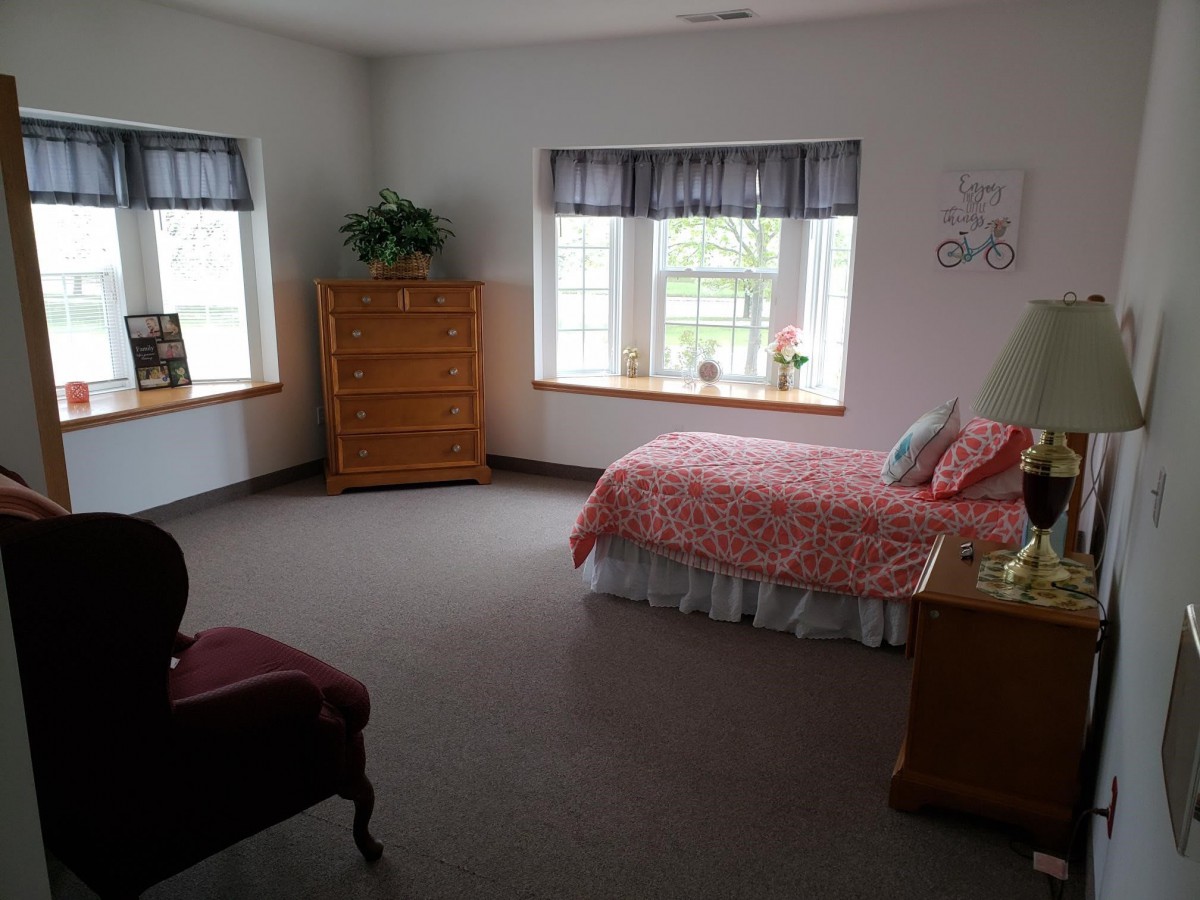
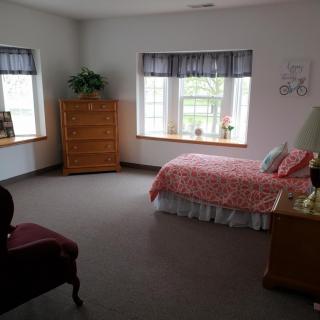
    A cozy bedroom with a bed, dresser, and two large windows allowing natural light in.
  • Decor

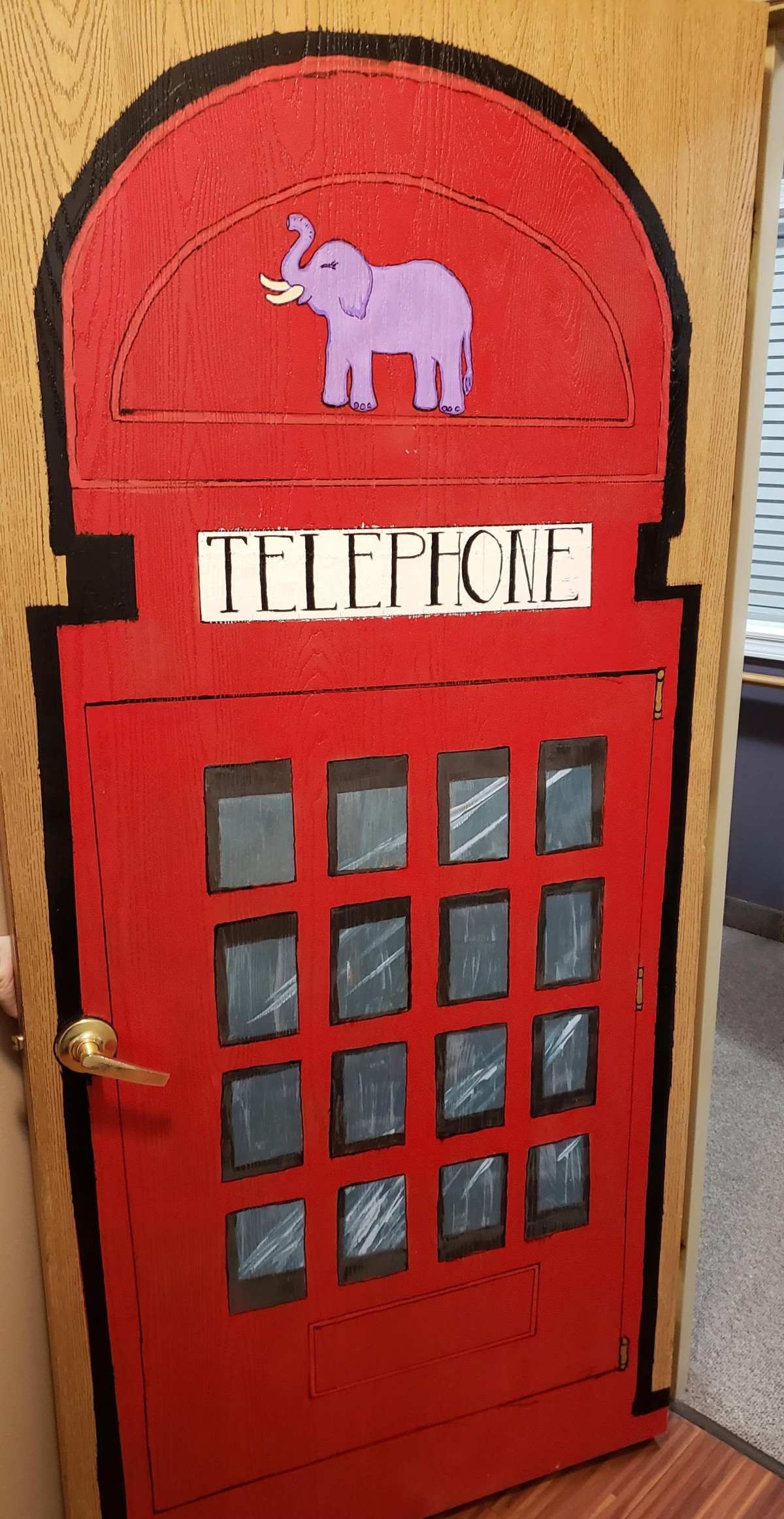
    A door decorated to resemble a classic red British telephone booth.
  • Living Room

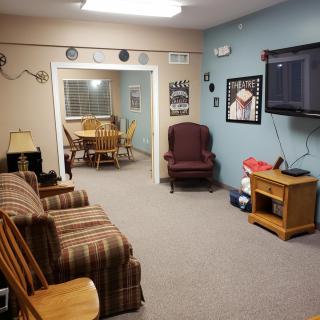
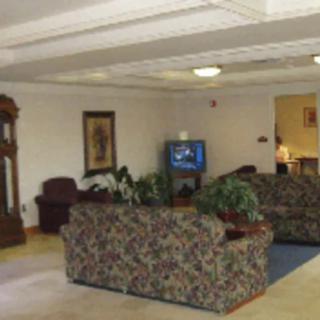
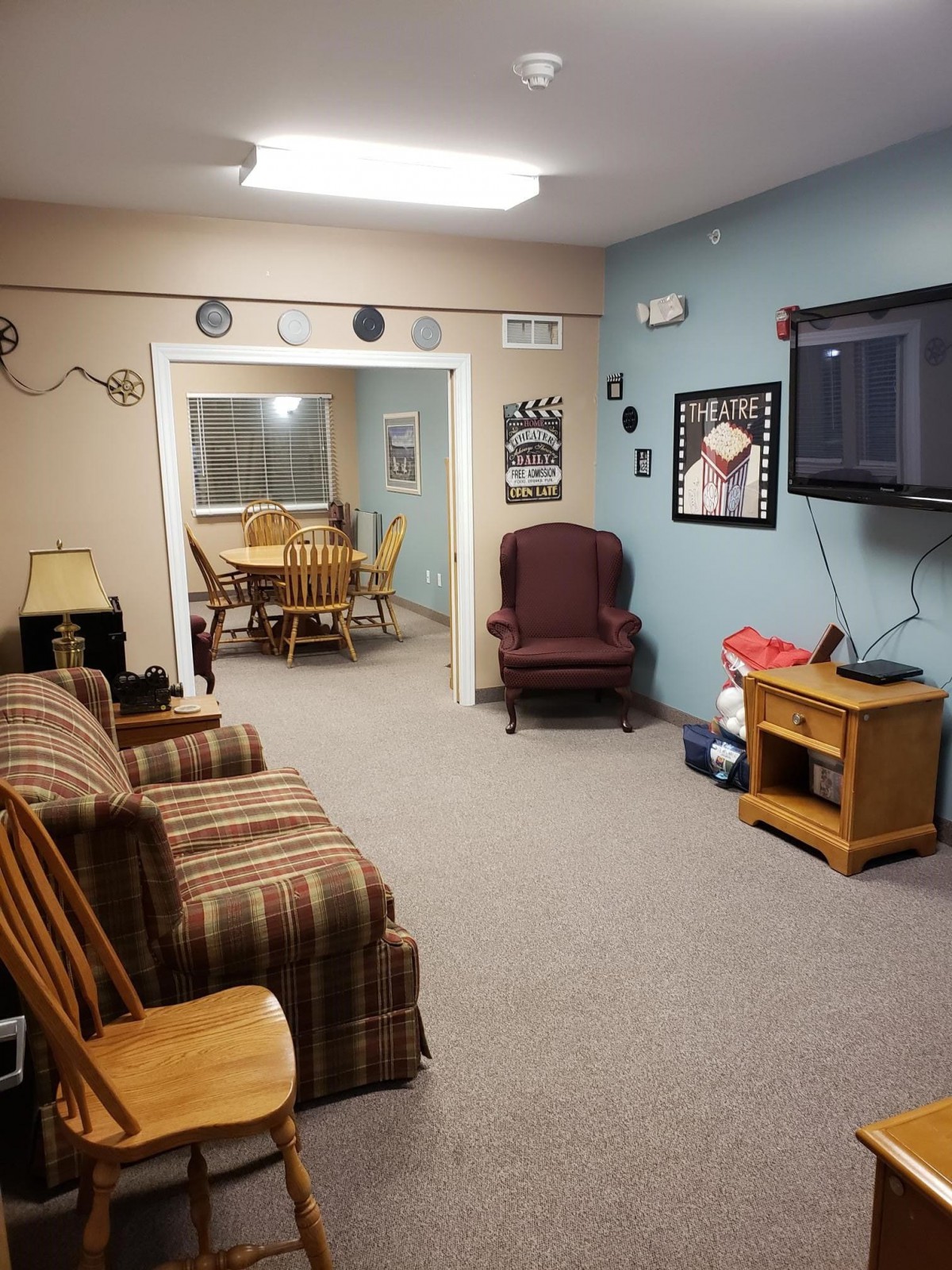
    A cozy living room with a television, sofa, and adjoining dining area.
  • Landscaping

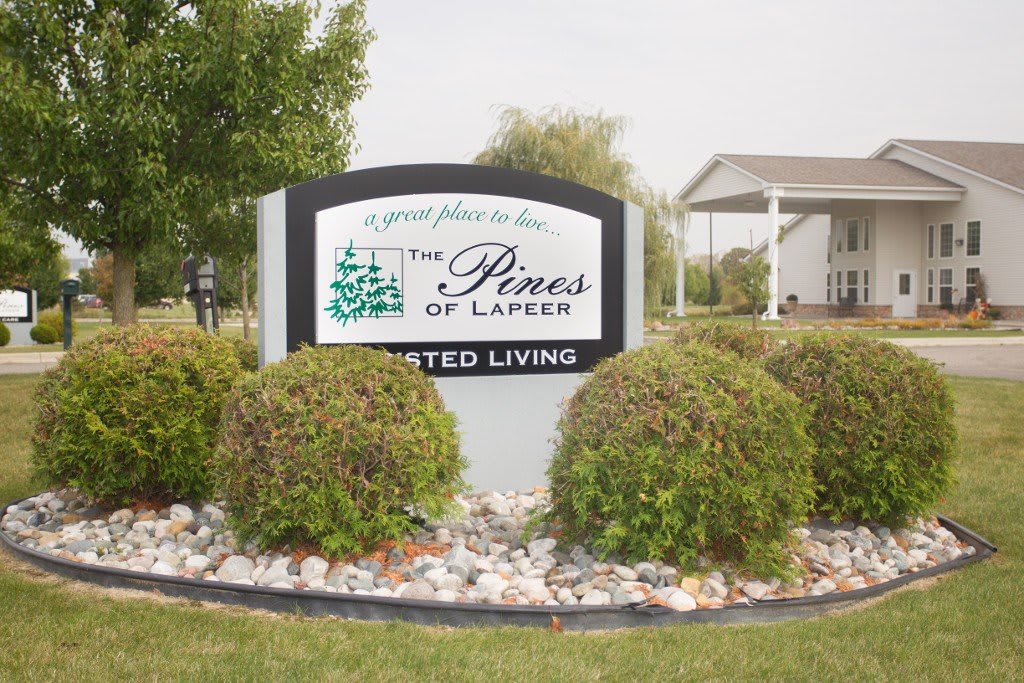
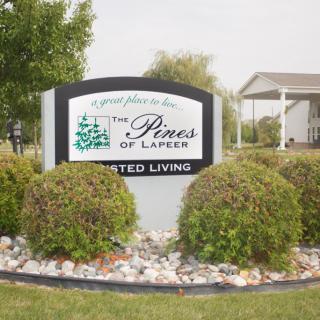
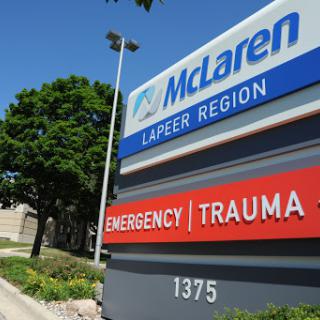
    The entrance sign for The Pines of Lapeer Assisted Living, surrounded by landscaped bushes.
  • Lighting

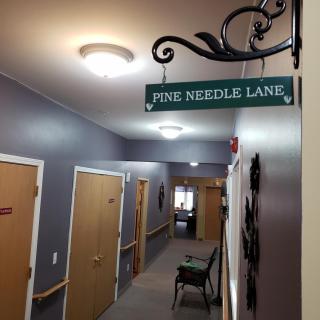
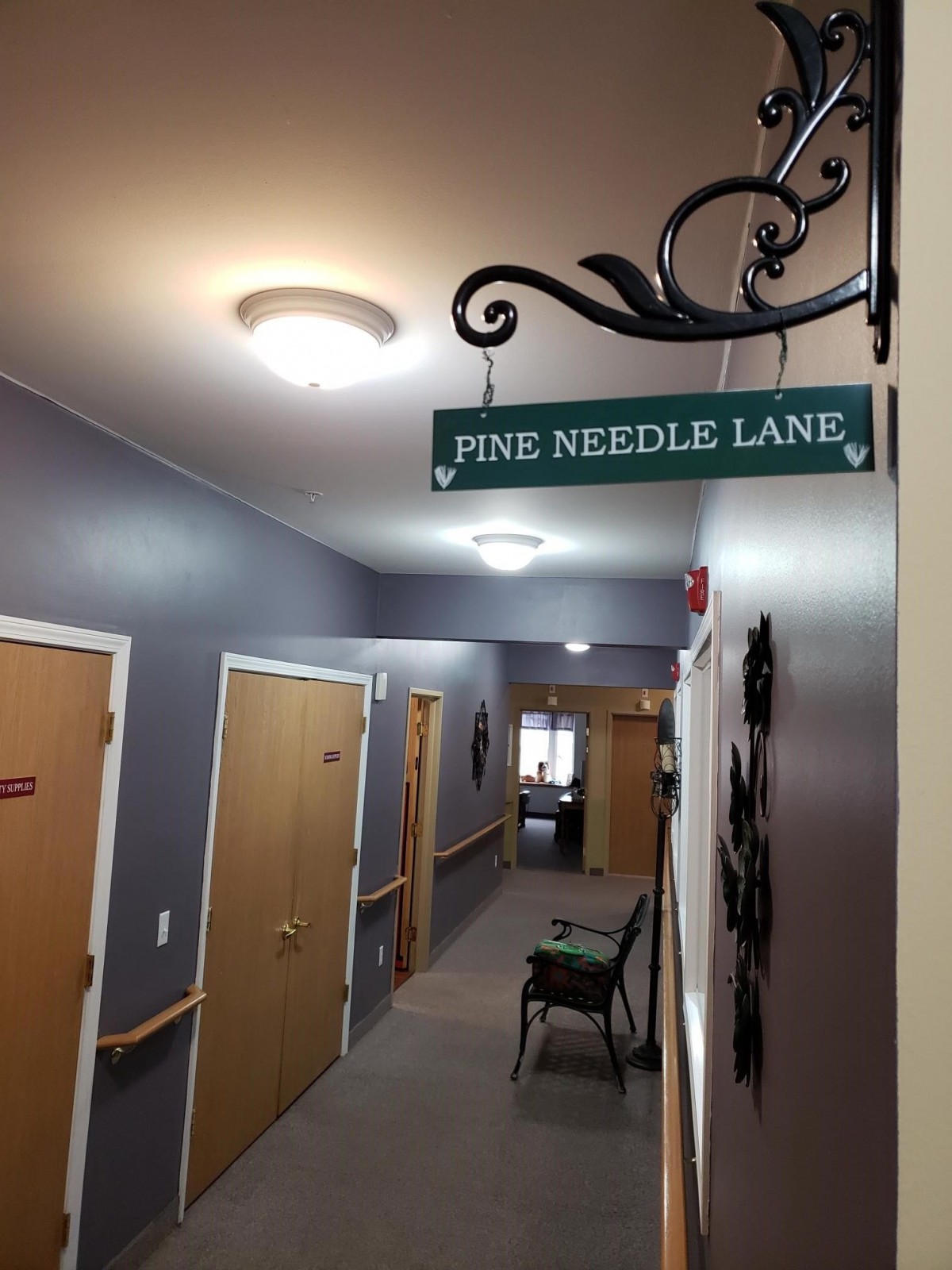
    A hallway with a 'Pine Needle Lane' sign mounted on the wall, leading to multiple doors.
  • Garden

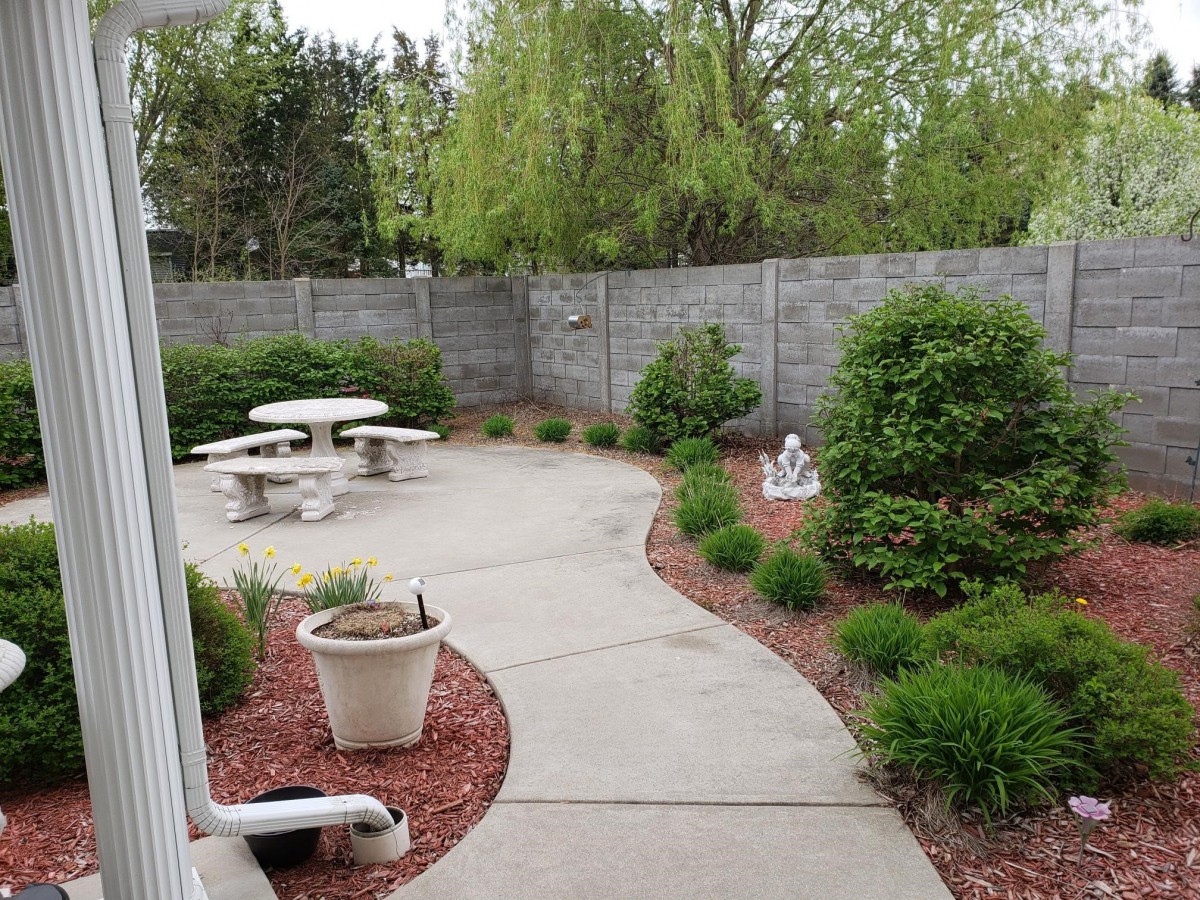
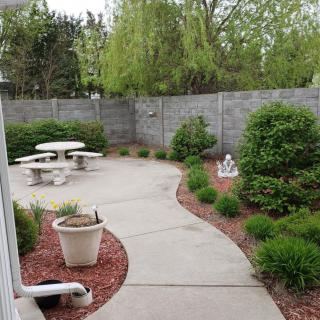
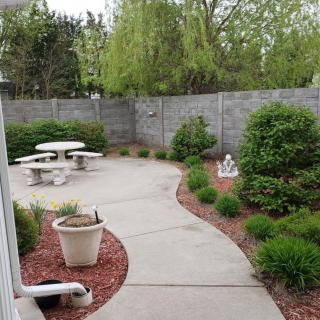
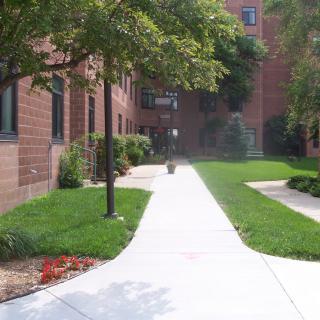
    A peaceful garden patio area with a curved walkway, surrounded by greenery and outdoor seating.
  • Patio

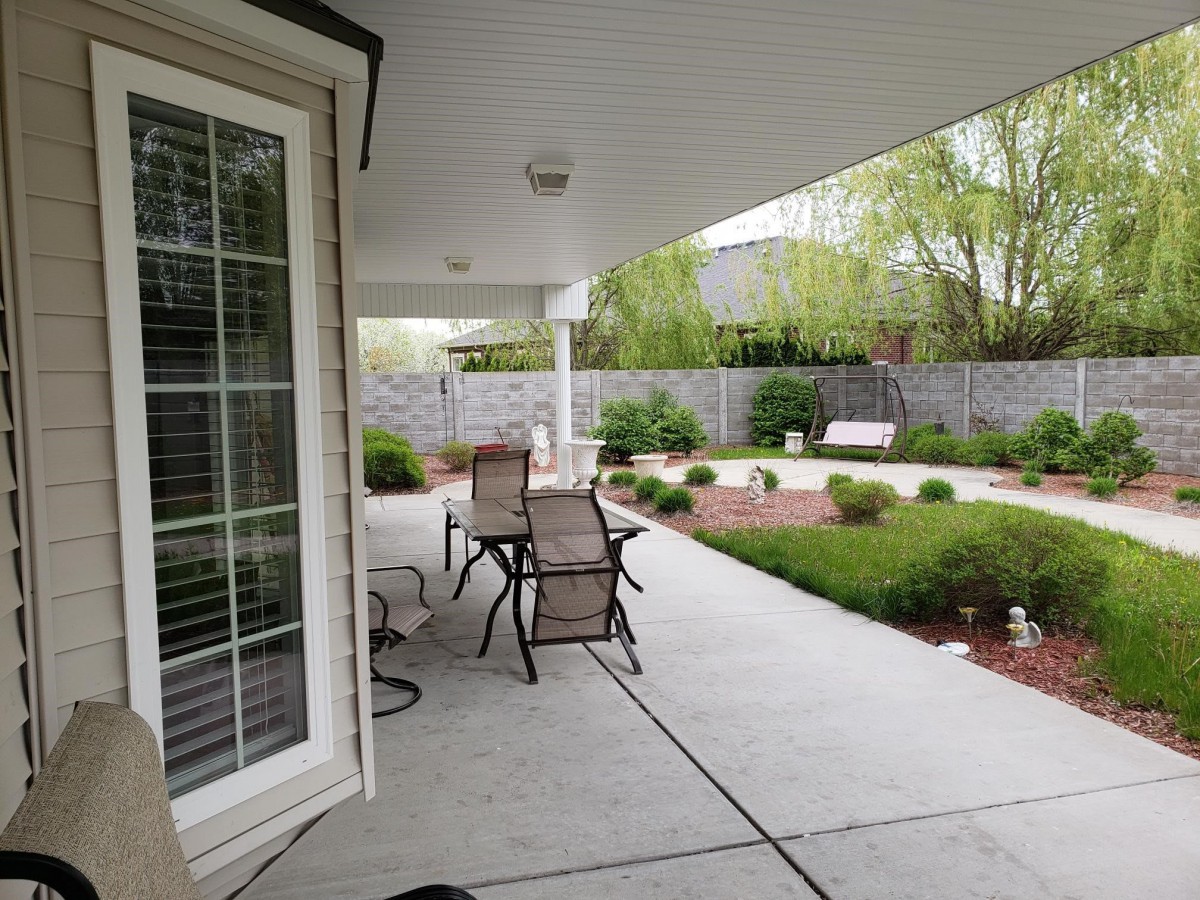
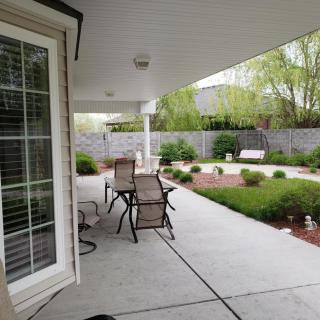
    A cozy patio area with outdoor seating and a well-maintained garden.
  • Bathroom

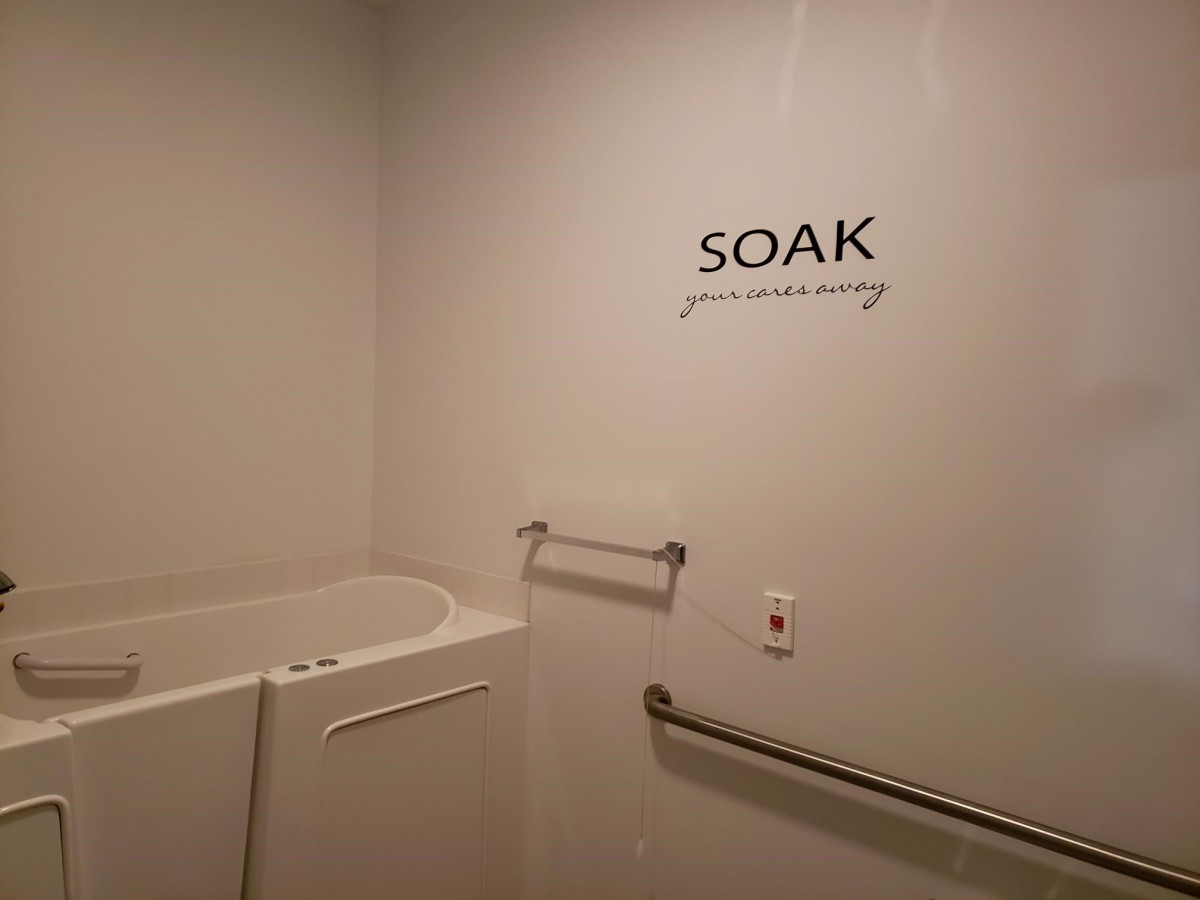
    An accessible bathroom featuring a walk-in bathtub and grab bars, with the word 'SOAK' on the wall.
  • Cabinets

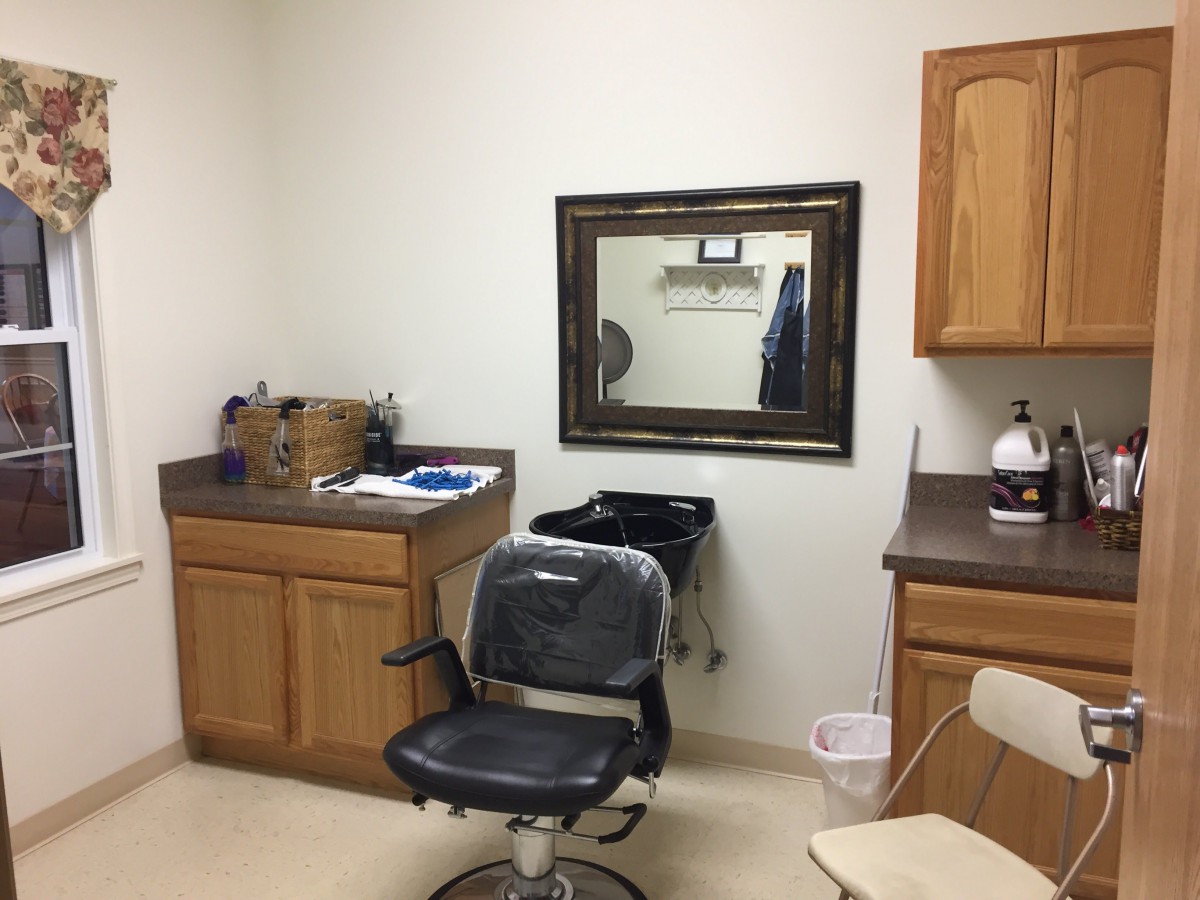
    A barber shop interior with a chair, mirror, and cabinets.
  • Flag

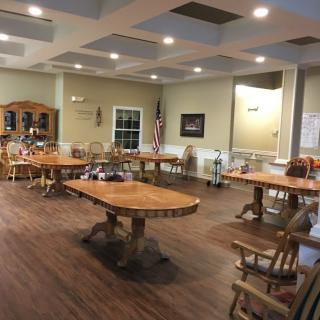
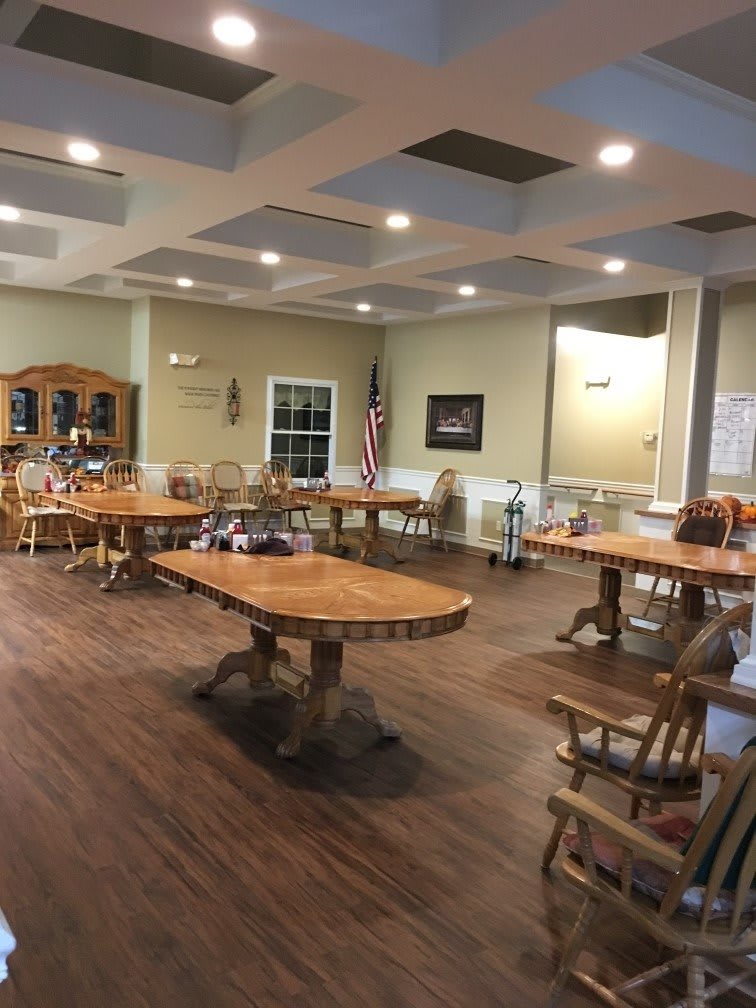
    A spacious meeting room with wooden tables and chairs, featuring a flag and ample lighting.

The Pines Of Lapeer

1442 Suncrest Drive, Lapeer, MI 48446

For more information about senior living options: (844) 490-3973

4.2 from 30 reviews
5 stars
22
4 stars
1
3 stars
1
2 stars
2
1 stars
4

Assisted Living Board and Care Home Memory Care

The Pines Of Lapeer Costs & Pricing

At The Pines of Lapeer, the monthly cost for a one-bedroom unit is set at $4,500. This figure reflects a premium compared to the average costs in Lapeer County, which stand at approximately $3,393, and even higher than the statewide average of $3,384 in Michigan. Such pricing may be indicative of the amenities and services provided by The Pines of Lapeer, catering to residents seeking enhanced living experiences. While it is positioned above both local and state averages, this investment could be justified by the added value that comes from residing in an established community with specialized care and support tailored to individual needs.

Floor plansThe Pines Of LapeerLapeer CountyMichigan
1 Bedroom$4,500$3,393$3,384

Overall Review of The Pines Of Lapeer

Pros

  • pro Comfort Care Lapeer is a solid choice for quality care.
  • pro Families report that loved ones are very happy there and that the staff are sweet and caring.
  • pro The Pines of Lapeer, now Comfort Care, has made the placement process easy and less anxious for families.
  • pro The facility is clean, well-maintained, peaceful, and upholds high standards of care.
  • pro The cost is affordable and offers superior quality and inclusions compared to competitors.
  • pro The atmosphere is warm and welcoming, with the staff consistently available and wonderful.
  • pro Tony the administrator is welcoming and makes visitors feel at home.
  • pro Residents love the food, feel treated like family, and benefit from engaging, safe activities in a beautiful setting.

Cons

  • pro The management is horrible and unresponsive.
  • pro They claim residents are not given upfront information and are hit with hefty fees.
  • pro Receipts and proof of payments are repeatedly requested with no follow-up.
  • pro They were charged for a bed that wasn't the one rented and continued to be charged after leaving.
  • pro TV service took over three weeks to install with many excuses.
  • pro HR is horrible and insurance claims were never processed.
  • pro This facility doesn't seem to care about residents and appears to care only about a paycheck.
  • pro There are shifts with only one staff member and some nights with zero staff.
  • pro The front door was often unlocked and there were no locks on resident doors for privacy.

Review

The Pines of Lapeer, now Comfort Care, is best suited for families who prize a warm, home-like atmosphere and deeply personal attention from staff. This community tends to shine for residents who want daily kindness, easy access to caregivers, and a peaceful, clean setting at a cost that families often find more predictable than nearby options. The strongest signal across reviews is that the front-line team and administrators can make a resident feel cherished - moments when caregivers know names, preferences, and little routines that make a day feel ordinary and comfortable. For families prioritizing genuine, ongoing relationship-building and a place that feels less like a clinical facility and more like a family home, this is a compelling match.

Those who may want to consider alternatives are typically the ones with higher needs for safety oversight, structure, or program variety. Several reviews flag concerns about staffing levels at night, with accounts of limited coverage and, in some cases, doors left unsecured. Questions about transparency in billing and responsiveness from management also appear, suggesting that families who require rigorous financial clarity and guaranteed administrative accessibility may prefer a setting with less variability in oversight. For residents who demand a robust, 24/7 safety net, a larger community with more formal governance and scheduled governance checks could be a stronger fit.

When weighing pros against cons, the most persuasive offset comes from the staff's character and the sense of belonging cultivated at the Pines. Families repeatedly describe caregivers as compassionate, attentive, and genuinely invested in residents' comfort and happiness. The facility is praised for its cleanliness, homelike d?cor, and the feeling that residents are treated like family. These strengths can soften imperfect facets such as mixed activity calendars or occasional lapses in communication. On balance, for a family that can tolerate some scheduling variability in exchange for daily warmth and dependable bedside care, the pros often outweigh the cons.

Care quality in practice is a spectrum. On the positive side, residents frequently report meaningful connections with individual aides and direct staff members who go above and beyond to keep loved ones comfortable. The reputation among numerous families for a welcoming atmosphere - where staff members feel like an extension of the family - appears to translate into real daily benefits: personal attention, little touches, and a sense of home that matters in late-life living. Yet the flip side is real: some shifts are described as under-staffed or insufficiently supervised, there are occasional concerns about meal quality and activity options, and a few families cite slow or opaque responses to questions or issues. The contrast underscores that day-to-day experience can depend heavily on who is working and when.

Environment and everyday life at the Pines offer warmth and affordability that many families value. The property is repeatedly described as pleasant, clean, and decorated with care, contributing to a homey feel rather than a sterile facility ambiance. Residents often enjoy engaging activities and staff who foster conversation and involvement, which helps sustain a sense of community. However, not all reviews align on amenities or programming; some complain about limited activity breadth, views from certain rooms, or the pace of routine maintenance. A few families also note mismatches between expectations and what is delivered in terms of meals or room options. These mixed signals mean careful, in-person touring is essential to confirm what the current program truly emphasizes.

Bottom line: this community excels for families seeking a compassionate, family-like environment with accessible, attentive front-line staff and a fair price point. It is a strong fit for residents who prioritize daily warmth, ease of communication with caregivers, and a setting that feels like home. Those who require consistently robust staffing, airtight safety protocols at all hours, a wide-ranging activity calendar, and highly predictable administrative processes should explore alternatives or ask pointed questions during tours. When evaluating, focus on current overnight staffing levels, the granularity of the fee structure, the timeliness of problem resolution, and the specific activity and dining options available today. A definitive decision hinges on whether the resident's top priorities align with the community's proven strengths and acknowledged limitations.

Features

Housing

  • 20 resident community capacity 20 resident community capacity

Types of Care

  • Assisted Living Assisted LivingAssisted living facilities provide crucial support and care for seniors who may need help with daily tasks such as medication management, bathing, and meal preparation. These communities offer a safe and comfortable environment where seniors can maintain their independence while receiving the assistance they need to thrive in their golden years.
  • Board and Care Home Board and Care HomeBoard and care homes provide a smaller, more intimate setting for seniors who require assistance with daily tasks but do not need the level of care offered by a nursing home. They offer personalized care, meals, and social activities in a homelike environment, ensuring that seniors receive individualized attention and support in their golden years.
  • Memory Care Memory CareMemory care is crucial for seniors as it provides specialized support and services for individuals with dementia or Alzheimer's disease. These programs offer a safe and secure environment where residents receive personalized care, cognitive stimulation, and help with daily activities. Memory care helps seniors maintain their independence, quality of life, and dignity while also providing peace of mind for their families.

Amenities

  • Activities on-site Activities on-siteActivities on-site are important for seniors because they provide opportunities for socialization, mental stimulation, physical activity, and overall well-being. Engaging in activities can help seniors stay active, maintain their independence, and improve their quality of life.
  • Bath tubs Bath tubsBath tubs are important for seniors because they provide a safe and relaxing way to bathe, helping to prevent slips and falls while promoting independence and overall well-being.
  • Beautician on-site Beautician on-siteHaving a beautician on-site at a senior living community is important for seniors as it allows them to easily access grooming and personal care services, boosting their self-esteem and overall well-being. It also provides convenience and helps seniors maintain their sense of independence and personal style.
  • Beauty salon Beauty salonBeauty salons are important for seniors because they provide a space for them to feel pampered, socialize, and maintain their personal grooming and hygiene. Regular visits to a beauty salon can help boost seniors' self-esteem and overall well-being.
  • Cable or satellite TV Cable or satellite TVCable or satellite TV is important for seniors because it provides entertainment, news, and companionship, helping to combat loneliness and boredom. It also offers a wide range of programming options tailored to different interests and preferences.
  • Devotional services on-site Devotional services on-siteDevotional services on-site provide seniors with spiritual support and a sense of community, as well as an opportunity for reflection and guidance during their senior living experience. This can promote emotional well-being and connection to others, leading to a more fulfilling and enriching lifestyle in their later years.
  • Dining room Dining roomDining rooms are important for seniors as they provide a space for socialization, connection, and nutritious meals. They offer opportunities for residents to bond over shared meals, foster a sense of community, and promote healthy eating habits. Dining rooms also ensure that seniors have access to well-balanced meals tailored to their dietary needs and preferences.
  • Fully furnished Fully furnishedFully furnished senior living communities are important for seniors because they provide convenience, comfort, and a hassle-free moving experience. Seniors can easily settle into their new living space without the stress of having to buy and move furniture. This allows them to focus on enjoying their new home and community.
  • Garden GardenGardens are important for seniors as they provide a peaceful and therapeutic environment for relaxation, physical activity, and socialization. Being in nature has been shown to reduce stress, improve mood, and promote overall well-being. Gardens also offer opportunities for seniors to engage in gardening activities, which can improve mobility, flexibility, and cognitive function. Additionally, gardens create a sense of community and connection with others who share a passion for plants and outdoor spaces.
  • Ground floor units Ground floor unitsGround floor units are important for seniors because they provide easy accessibility, reduced risk of falls and injuries, and convenience for those with mobility issues. Seniors can avoid climbing stairs or using elevators, making daily tasks and activities more manageable and enjoyable.
  • Housekeeping services Housekeeping servicesHousekeeping services are important for seniors because they help maintain a clean and safe living environment, promote independence, and reduce the risk of accidents or illnesses. Additionally, having assistance with household chores can alleviate physical strain and allow seniors to focus on other aspects of their well-being.
  • Indoor common areas Indoor common areasIndoor common areas are crucial for seniors as they provide a space for socialization, recreation, and community engagement, promoting overall well-being and reducing feelings of isolation and loneliness.
  • Kitchenette KitchenetteKitchenettes are important for seniors living in senior living communities because they provide the convenience and independence of being able to prepare simple meals and snacks in the comfort of their own living space. This can help promote a sense of autonomy and well-being for seniors, allowing them to maintain some level of control over their dietary choices and daily routines.
  • Move-in coordination Move-in coordinationMove-in coordination is important for seniors because it helps ease the transition into their new living environment. It ensures that all logistics, such as packing, organizing movers, and setting up utilities are taken care of, allowing seniors to focus on settling in and adjusting to their new home. Having a smooth move-in process can alleviate stress and anxiety, making the transition smoother and more enjoyable for seniors.
  • Outdoor common areas Outdoor common areasOutdoor common areas are important for seniors as they provide a space for socialization, physical activity, and relaxation. Being outside in nature can improve mood and overall well-being, while also encouraging movement and engagement with others. These spaces can help combat feelings of isolation and promote a sense of community among residents.
  • Outdoor space Outdoor spaceOutdoor spaces are important for seniors as they provide opportunities for physical activity, social interaction, exposure to natural light and fresh air, and a sense of connection to nature. Having access to outdoor spaces can improve overall well-being and quality of life for older adults living in senior communities.
  • Respite or short term stays offered Respite or short term stays offeredRespite or short term stays provide seniors with a temporary solution when their regular caregiver is unavailable, offering them the opportunity to receive additional care and support during times of need, while also giving caregivers a chance to rest and recharge.
  • Telephone TelephoneTelephones are important for seniors as they provide a lifeline for communication with loved ones, emergency services, and healthcare providers. They offer a sense of security and independence, enabling seniors to stay connected and access assistance when needed.
  • Wheelchair accessible showers Wheelchair accessible showersWheelchair accessible showers are crucial for seniors as they provide a safe and independent bathing option for those with mobility challenges. These showers help prevent falls and allow seniors to maintain their dignity and autonomy while ensuring they can bathe comfortably.
  • Wi-Fi/high-speed internet available Wi-Fi/high-speed internet availableWi-Fi/high-speed internet is important for seniors to stay connected with loved ones, access online resources, and participate in virtual activities to combat feelings of loneliness and isolation. It also allows them to easily manage healthcare needs, access entertainment, and engage in lifelong learning opportunities.

Transportation

  • Bishop (22 miles away) Bishop (22 miles away)

Care Services

  • 24-hour call system 24-hour call system24-hour call systems are important for seniors because they provide peace of mind and immediate assistance in case of emergencies. This technology ensures that help is always available, promoting safety and security for elderly individuals living alone or in assisted living facilities.
  • 24-hour supervision 24-hour supervision24-hour supervision is important for seniors to ensure their safety, well-being, and access to immediate assistance in case of emergencies or health issues. This constant support provides peace of mind for both seniors and their loved ones, allowing them to age in place with dignity and security.
  • Activities of daily living assistance Activities of daily living assistanceActivities of daily living assistance are important for seniors because they provide essential support with tasks such as eating, bathing, dressing, and mobility. This assistance helps seniors maintain their independence, dignity, and overall quality of life as they age.
  • Assistance with bathing Assistance with bathingAssistance with bathing is crucial for seniors as it helps maintain personal hygiene, prevents infections, and ensures their overall well-being and comfort. It also provides a sense of dignity and independence for seniors who may struggle with this task on their own.
  • Assistance with dressing Assistance with dressingAssistance with dressing is important for seniors because it helps maintain their independence, promotes personal hygiene, prevents accidents and injuries, and improves overall quality of life. This service ensures that seniors can continue to dress comfortably and confidently, despite any physical limitations they may have.
  • Assistance with transfers Assistance with transfersAssistance with transfers is crucial for seniors as it helps prevent falls and injuries, maintains their independence, and ensures they can safely navigate their living environment. It also provides peace of mind for both seniors and their loved ones.
  • Coordination with health care providers Coordination with health care providersCoordination with health care providers is crucial for seniors to ensure proper medical care, medication management, and overall well-being. This collaboration helps prevent overlapping treatments, track progress more effectively, and provide comprehensive support tailored to individual needs.
  • Diabetes diet Diabetes dietA diabetes diet is crucial for seniors as it helps manage blood sugar levels, reduce risks of complications, and improve overall health and well-being. By following a balanced and nutritious diet tailored to their specific needs, seniors can better control their diabetes and enhance their quality of life.
  • Diabetic care Diabetic careDiabetic care is crucial for seniors as they are more susceptible to developing diabetes due to aging and other health conditions. Proper management of diabetes can help prevent complications such as heart disease, vision loss, and nerve damage, improving the overall quality of life for seniors in senior living communities.
  • Incontinence care Incontinence careIncontinence care is essential for seniors to maintain their dignity, hygiene, and overall quality of life. By addressing incontinence issues promptly and effectively, seniors can enjoy a sense of independence and comfort in their daily activities.
  • Meal preparation and service Meal preparation and serviceMeal preparation and service are crucial for seniors as they may have limited mobility or energy to cook nutritious meals. Having access to healthy and convenient food options can ensure they are getting the proper nutrition needed to maintain their overall health and well-being.
  • Medication management Medication managementMedication management is crucial for seniors to ensure they are taking the right medications at the correct dosages and times. This helps prevent adverse drug interactions, reduces the risk of medication errors, and promotes overall health and well-being. Proactive management also allows for adjustments as needed based on changing health conditions or new prescriptions.
  • Mental wellness program Mental wellness programMental wellness programs are essential for seniors as they promote cognitive stimulation, emotional support, and social engagement. These programs help prevent isolation, depression, and cognitive decline, ultimately enhancing the overall quality of life for older adults.
  • Special dietary restrictions Special dietary restrictionsSpecial dietary restrictions are important for seniors because age-related changes in metabolism and health conditions can make it difficult for their bodies to process certain foods. By following a diet tailored to their specific needs, seniors can maintain their overall health and well-being, manage chronic conditions, and reduce the risk of complications such as malnutrition or food interactions with medications.
  • Transportation arrangement (medical) Transportation arrangement (medical)Transportation arrangements for medical purposes are essential for seniors as they may have difficulty driving themselves to appointments or accessing public transportation. Having reliable and safe transportation options ensures that seniors can receive timely medical care and maintain their health and well-being.
  • Transportation to doctors appointments Transportation to doctors appointmentsTransportation to doctors' appointments is crucial for seniors as it ensures they have access to necessary medical care and support for their health needs. Without reliable transportation, seniors may struggle to attend important appointments, leading to potential delays in treatment and health complications. Providing transportation services helps seniors maintain their overall well-being and quality of life.

Dining

  • Diabetes diet Diabetes dietA diabetes diet is crucial for seniors as it helps manage blood sugar levels, reduce risks of complications, and improve overall health and well-being. By following a balanced and nutritious diet tailored to their specific needs, seniors can better control their diabetes and enhance their quality of life.
  • Guest meals Guest mealsGuest meals are important for seniors living in senior living communities because they provide an opportunity for socialization and companionship. Sharing a meal with friends, family, or new acquaintances can help combat feelings of loneliness and isolation, promote a sense of community, and enhance overall well-being. Additionally, guest meals allow seniors to enjoy delicious food in a comfortable setting without the hassle of cooking or cleaning up, making dining a pleasurable and stress-free experience.
  • International cuisine International cuisineInternational cuisine is important for seniors because it offers a variety of flavors, ingredients, and cultural experiences that can help keep their meals interesting and enjoyable. Trying new dishes can also stimulate the senses and provide different nutrients that contribute to overall health and well-being. Additionally, exploring international cuisine can bring back fond memories of travels or childhood experiences, making mealtime more nostalgic and fulfilling for seniors.
  • Low / no sodium Low / no sodiumLow/no sodium options are important for seniors because excessive sodium intake can lead to high blood pressure, heart disease, and other health issues commonly experienced by older adults. By choosing low/no sodium foods, seniors can better manage their health and reduce their risk of developing these conditions.
  • Meals provided Meals provided"Meals provided" are crucial for seniors in assisted living communities as it ensures they have access to nutritious, balanced meals without the stress of meal planning and preparation. This can help promote overall health and well-being for seniors who may have limited mobility or cognitive abilities.
  • No Sugar No SugarNo sugar diets are important for seniors because they can help prevent or manage chronic conditions such as diabetes, heart disease, and obesity. Sugar can also contribute to cognitive decline and inflammation in the body, so reducing sugar intake can lead to overall improved health and well-being in older adults.
  • Room service Room serviceRoom service is important for seniors in a senior living community because it provides convenience and allows them to have their meals delivered directly to their room. This can be especially beneficial for seniors who may have mobility issues or difficulty accessing the dining area. Room service ensures that seniors are able to receive nutritious meals without having to navigate through the facility, allowing them to maintain their independence and overall well-being.
  • Special dietary restrictions Special dietary restrictionsSpecial dietary restrictions are important for seniors because age-related changes in metabolism and health conditions can make it difficult for their bodies to process certain foods. By following a diet tailored to their specific needs, seniors can maintain their overall health and well-being, manage chronic conditions, and reduce the risk of complications such as malnutrition or food interactions with medications.
  • Special dining programs Special dining programsSpecial dining programs are important for seniors because they provide nutritious meals tailored to their dietary needs and preferences. These programs also offer socialization opportunities, promote overall health and well-being, and can help prevent malnutrition.

Activities

  • Activities on-site Activities on-siteActivities on-site are important for seniors because they provide opportunities for socialization, mental stimulation, physical activity, and overall well-being. Engaging in activities can help seniors stay active, maintain their independence, and improve their quality of life.
  • Art classes Art classesArt classes are important for seniors because they provide a creative outlet, improve cognitive function, reduce stress and anxiety, promote socialization, and enhance overall well-being and quality of life.
  • BBQs or picnics BBQs or picnicsBBQs or picnics provide seniors with social interaction, enjoyment of the outdoors, and a sense of community, contributing to their overall well-being and quality of life.
  • Brain fitness Brain fitnessBrain fitness is important for seniors as it helps to maintain cognitive function, memory, and overall mental well-being. Engaging in activities that challenge the brain can help prevent cognitive decline and promote a healthier, more fulfilling quality of life in older adults.
  • Community service programs Community service programsCommunity service programs are important for seniors because they provide opportunities for social engagement, physical activity, and mental stimulation. These programs also allow seniors to give back to their communities and maintain a sense of purpose and fulfillment in their lives.
  • Community-sponsored activities Community-sponsored activitiesCommunity-sponsored activities are important for seniors as they provide opportunities for social interaction, mental stimulation, and physical activity. These activities can help improve overall well-being, combat loneliness and isolation, and promote a sense of belonging and purpose among older adults.
  • Devotional activities on-site Devotional activities on-siteDevotional activities on-site provide seniors with a sense of community, spiritual fulfillment, and emotional support, promoting overall well-being and a positive sense of purpose in their lives.
  • Forever fit Forever fit"Forever fit" programs are crucial for seniors as they promote physical activity, social engagement, and overall well-being. These programs help seniors maintain their independence, improve their strength and flexibility, and reduce the risk of chronic diseases. By participating in these activities, seniors can enjoy a higher quality of life and live independently for longer.
  • Live dance or theater performances Live dance or theater performancesLive dance or theater performances are important for seniors because they provide opportunities for socialization, mental stimulation, and emotional engagement. These performances can help combat feelings of isolation and loneliness, while also offering a sense of connection to the arts and culture. Additionally, watching live performances can bring joy and create lasting memories for seniors in their later years.
  • Live musical performances Live musical performancesLive musical performances can provide seniors with a sense of joy, nostalgia, and connection. Music has the power to evoke emotions and memories, improve mood and cognitive function, and foster social interaction among seniors. It can also serve as a form of therapy and stress relief for older adults, making it an important activity to include in senior living communities.
  • Other religious services Other religious servicesOther religious services are important for seniors as they provide a sense of community, spiritual comfort, and opportunities for socializing. These services can help seniors feel connected to their faith and maintain a sense of purpose and belonging in their later years.
  • Resident-run activities Resident-run activitiesResident-run activities are important for seniors as they encourage social interaction, creativity, and a sense of autonomy. These activities empower seniors to stay engaged and active in their community while fostering meaningful connections with their peers.
  • Scheduled daily activities Scheduled daily activitiesScheduled daily activities are important for seniors because they provide structure, socialization, mental stimulation, and physical activity. Engaging in regular activities can improve overall well-being and quality of life for seniors living in a community setting.
  • Stretching classes Stretching classesStretching classes are important for seniors because they help improve flexibility, reduce the risk of injury, and promote overall health and well-being. Regular stretching can also help alleviate joint pain and stiffness, enhance balance and coordination, and increase range of motion.
  • Trivia games Trivia gamesTrivia games are important for seniors because they provide mental stimulation, social interaction, and a fun way to keep the mind sharp. They can help improve memory, cognitive function, and overall well-being in older adults.

Description

The Pines of Lapeer is an assisted living community located in Lapeer, MI. This warm and inviting community offers board and care home services to residents. The fully furnished accommodations feature amenities such as cable or satellite TV, a dining room, a kitchenette, and Wi-Fi/high-speed internet access.

The caring staff at The Pines of Lapeer provides 24-hour supervision and assistance with activities of daily living, including bathing, dressing, and transfers. They also offer medication management and coordination with healthcare providers. Special dietary restrictions are accommodated, and residents can enjoy delicious meals prepared by the staff.

The community encourages mental wellness through their comprehensive mental wellness program. Resident-run activities and scheduled daily activities keep residents engaged and entertained. Outdoor spaces provide opportunities for relaxation and enjoyment of nature.

Convenience is a priority at The Pines of Lapeer, with nearby amenities including cafes, parks, pharmacies, physicians' offices, restaurants, transportation options, places of worship, theaters, and hospitals.

At The Pines of Lapeer, residents can expect a comfortable and supportive environment where their needs are met by dedicated staff in a beautiful setting within close proximity to essential services.

Nearby Places of Interest

Physicians

  • Mcclimans II Gordon Dr Lapeer County Surgery Center Lapeer (0.1 miles)
  • Pulmonology & Sleep Medicine (0.2 miles)
  • Lapeer Pediatrics (0.3 miles)
  • Mohammad Al-Harastani (0.3 miles)
  • Heart & Vascular Institute Of Michigan (0.4 miles)
  • Lisa M. Allen DO (0.4 miles)
  • A Comprehensive Dermatology Center (0.7 miles)

Pharmacies

  • Advanced Care Pharmacy (0.2 miles)
  • Lapeer Apothecary Shop (0.8 miles)
  • McLaren Medical Group (0.8 miles)
  • Rite Aid (1.2 miles)
  • Rogers Pharmacy (1.3 miles)
  • Walgreens (1.6 miles)
  • Meijer Pharmacy (1.7 miles)

Places of Worship

  • Church of Jesus Christ of Latter Day Saints (0.6 miles)
  • St Paul Lutheran School (1 miles)
  • The Rising Christian Church (1.2 miles)
  • Lapeer Free Methodist Church (1.2 miles)
  • Lapeer Church Of The Nazarene (2 miles)
  • Norcross Kenneth (2.3 miles)
  • Lapeer Assembly of God (2.4 miles)

Hospitals

  • Lapeer Regional Medical Center Foundation (0.6 miles)
  • McLaren Lapeer Region - Emergency Department (0.6 miles)
  • Nunnally, Nicholas Mclaren Lapeer Region Community Medical Center (0.8 miles)
  • McLaren Community Medical Center (0.8 miles)
  • Occupational Health and Convenient Care Center - McLaren Lapeer Region (2.5 miles)

Parks

  • Rowden Park (0.8 miles)
  • Lapeer County Parks & Recreation Department (1.4 miles)
  • Attica Twp Park (8.4 miles)
  • Continental North Southside Park (9 miles)
  • Continental North Northside Playground (9.2 miles)

Restaurants

  • Sam's Coney Island (1.3 miles)
  • Woodchips BBQ (1.3 miles)
  • Leo's Coney Island (1.4 miles)
  • Brian's Family Restaurant (1.4 miles)
  • Wendy's (1.4 miles)
  • KFC (1.5 miles)
  • McDonald's (1.5 miles)

Theaters

  • Lapeer Cinemas (1.5 miles)

Cafes

  • Starbucks (1.6 miles)

Transportation

  • Amtrack Train Station:Lapeer To Chicago (1.7 miles)
  • U-Haul Neighborhood Dealer (2.3 miles)

Frequently Asked Questions

How much does it cost to live at The Pines Of Lapeer in Lapeer, MI?
Where is The Pines Of Lapeer?
Does The Pines Of Lapeer provide care for residents with dementia or Alzheimer's disease?
What photos are available for The Pines Of Lapeer in Lapeer, Michigan?

Nearby Communities

  • The Pines Of Lapeer

    The Pines Of Lapeer

    Lapeer, MI

    4.4 from 30 reviews
     

    pro Caring, patient staff delivering high-quality, respectful memory care in a clean, homey environment.

  • Lapeer County Medical Care Facility

    Lapeer County Medical Care Facility

    Lapeer, MI

    4.2 from 19 reviews
     

    pro Luxurious, fully furnished with private bathrooms, restaurant-style dining, and comprehensive 24/7 care and amenities.

  • Oregon Home

    Oregon Home

    Lapeer, MI


    pro Small, home-like setting with comprehensive care and amenities.

  • Mclaren Lapeer Region

    Mclaren Lapeer Region

    Lapeer, MI

    2.9 from 100 reviews
     

    pro Intimate, well-equipped assisted living with furnished apartments, meals, housekeeping, activities, and on-site care (ADLs, diabetes, meds).

  • A Touch Of Grace 1596

    A Touch Of Grace 1596

    Lapeer, MI

    5 from 14 reviews
     

    pro Fully furnished apartments with comprehensive care and a garden.

  • A Touch of Grace 1596,  INC

    A Touch of Grace 1596, INC

    Lapeer, MI

    4.8 from 16 reviews
    $3,800 / month

    pro Spacious layout (six rooms, four baths) with 24/7 awake staffing and on-site RN, plus a safety lift for fall prevention.

  • Shadowtree Lodge

    Shadowtree Lodge

    Lapeer, MI

    4.6 from 18 reviews
    $4,000 to $4,450 / month

    pro Small, home-like setting with highly attentive, involved staff.

  • Braidwood Manor

    Braidwood Manor

    Davison, MI

    4.1 from 24 reviews
    $777 / month

    pro Very affordable 1-bedroom option with accessible amenities and on-site/off-site activities.

  • Maple Vista

    Maple Vista

    Imlay City, MI

    4.2 from 42 reviews
    $990 to $1,740 / month

    pro Spacious, clean apartments with inclusive meals and housekeeping, plus a vibrant, supportive community.

Related Resources

  • alzheimer's factsIlluminating Insights About Alzheimer's Disease: Ten Crucial Realities

    Alzheimer’s disease is a progressive neurological disorder that significantly impacts memory and cognitive functions, accounting for 60-80% of dementia cases, with early diagnosis being crucial yet challenging. It involves brain changes like beta-amyloid plaques and tau tangles, influenced by genetic and lifestyle factors, and while there is no cure, symptom management and support for caregivers are essential.

  • list of drugs linked to dementiaA Thorough Discussion of Medications Potentially Linked to Dementia Risk

    Dementia, influenced by aging and certain medications, may be exacerbated by drug classes such as anticholinergics, benzodiazepines, and antipsychotics, which are associated with cognitive impairment. Regular medication reviews by healthcare professionals are crucial for older adults to manage risks and optimize cognitive health.

  • do dementia patients sleep a lotWhy Do Dementia Patients Sleep So Much? Understanding Oversleeping, Stages, and Care Approaches
    Dementia often results in disrupted sleep patterns, leading to excessive daytime sleeping due to factors like brain damage affecting circadian rhythms, medication side effects, and lack of structure in daily activities. Caregivers must monitor these changes closely, as oversleeping can increase risks such as malnutrition or dehydration, and provide necessary support and routines to enhance patient engagement and well-being.