






New Life Assisted Living Center in Lansing, MI

Save

  • Interior

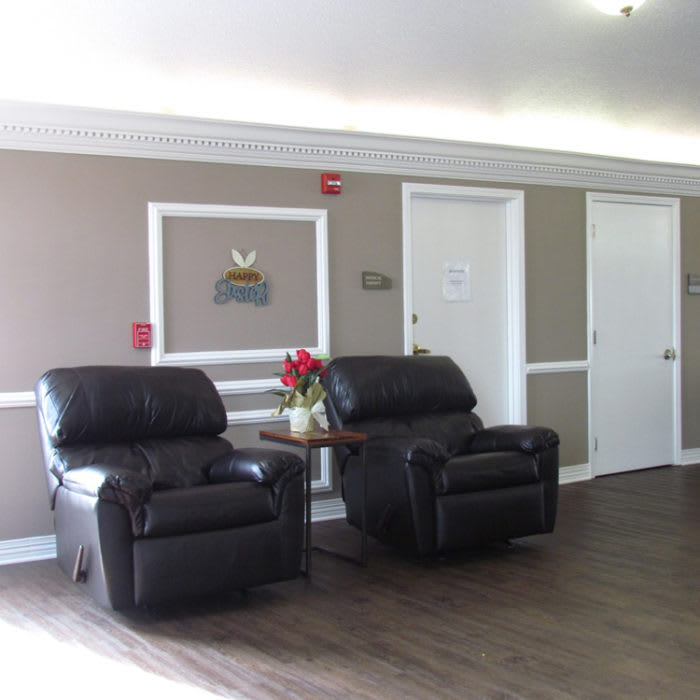
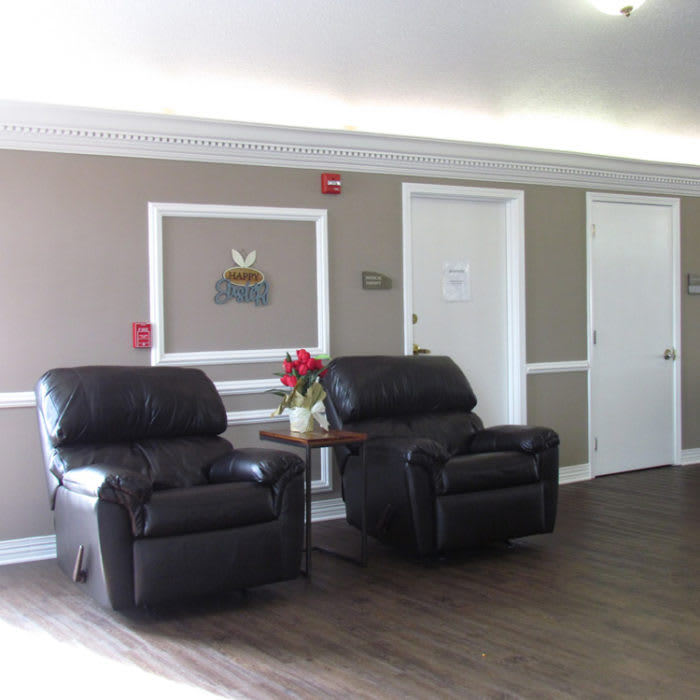
    Three black recliner chairs in a minimalist room setting with a small table and flowers.
  • Decor

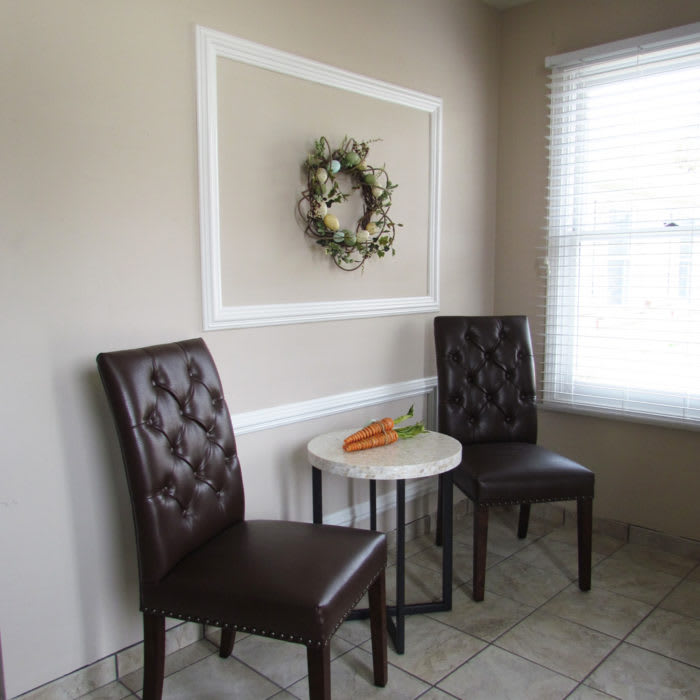
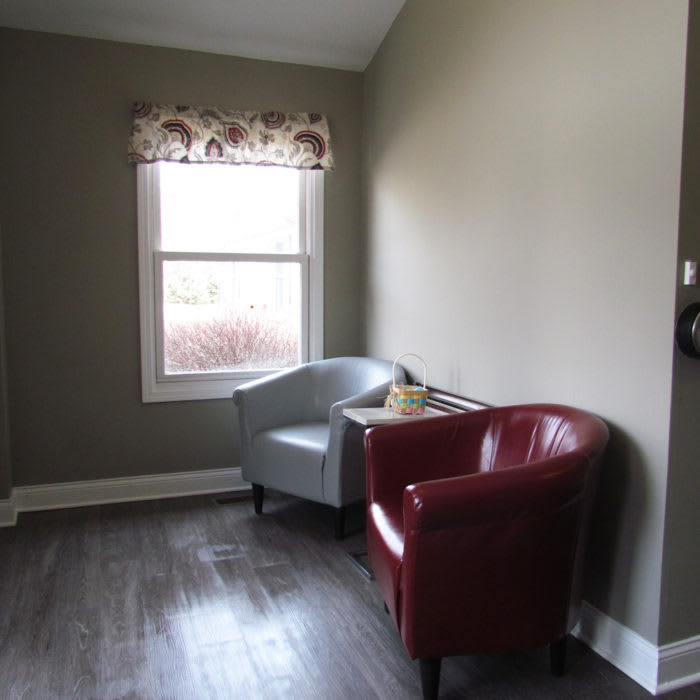
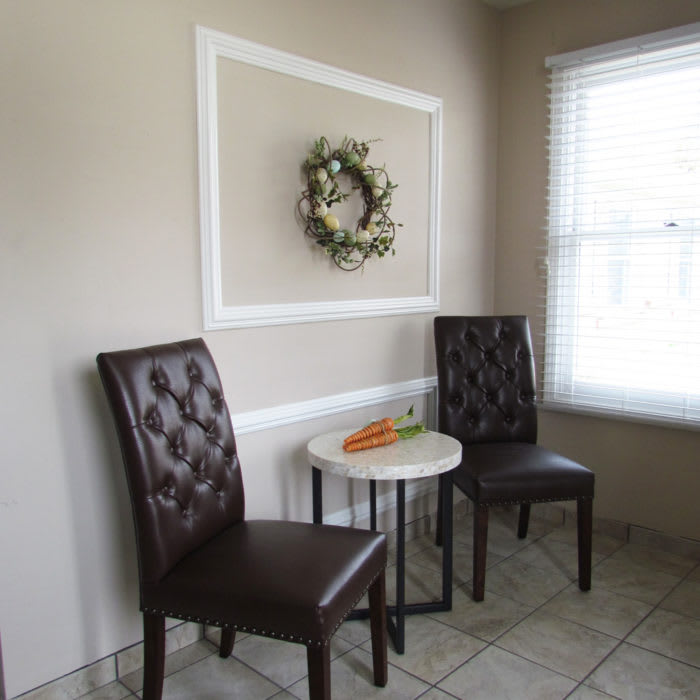
    A cozy corner with two dark chairs and a small round table, adorned with a decorative wreath on the wall.
  • Living Room

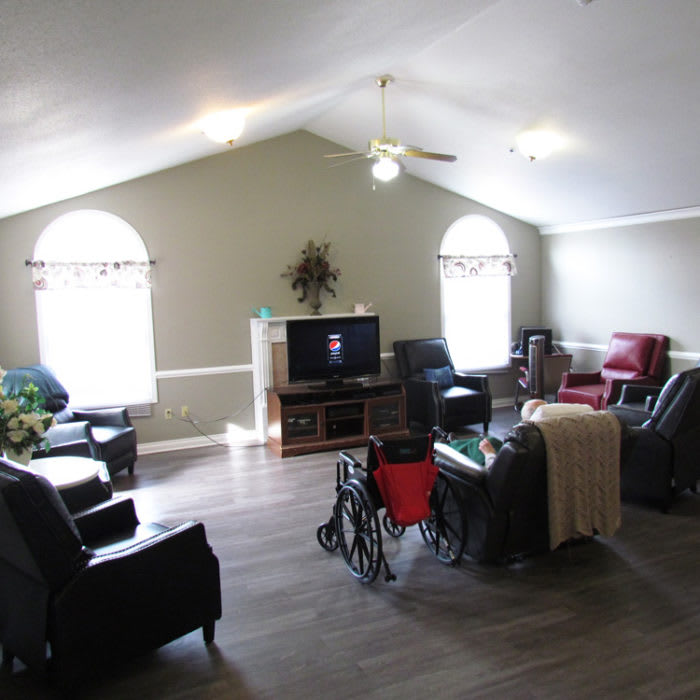
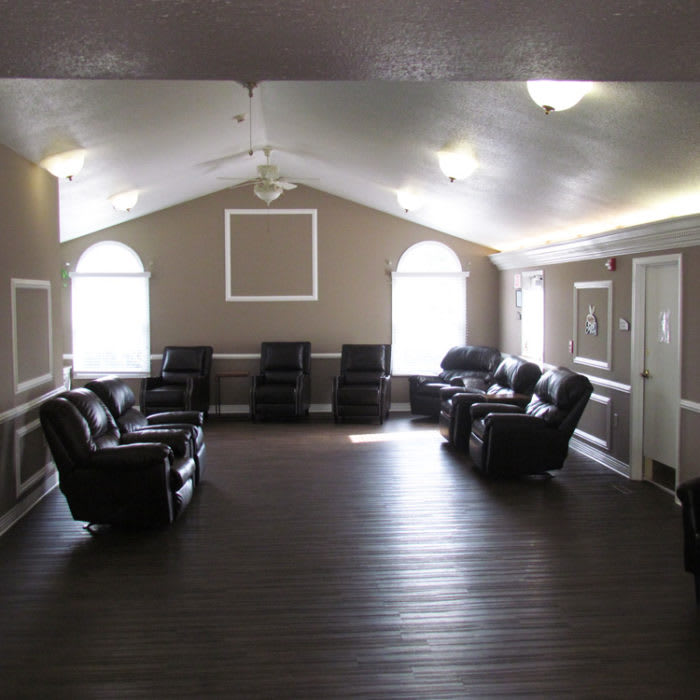
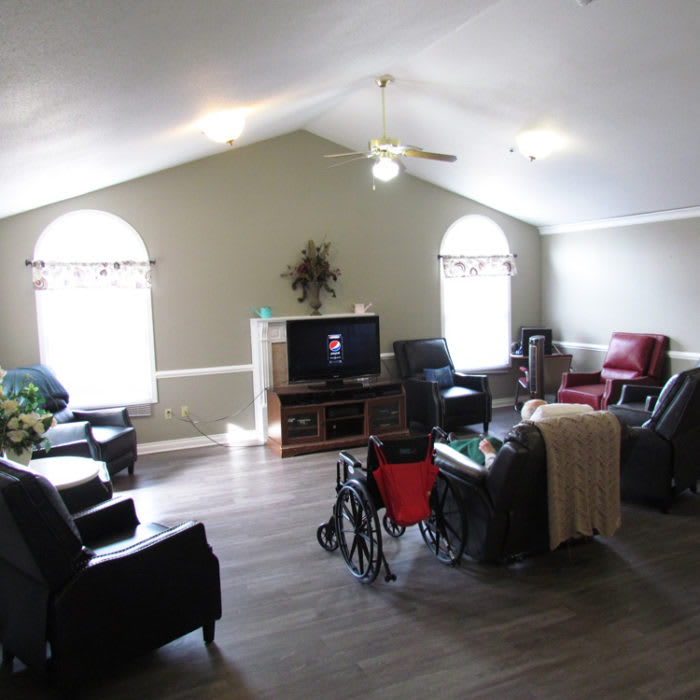
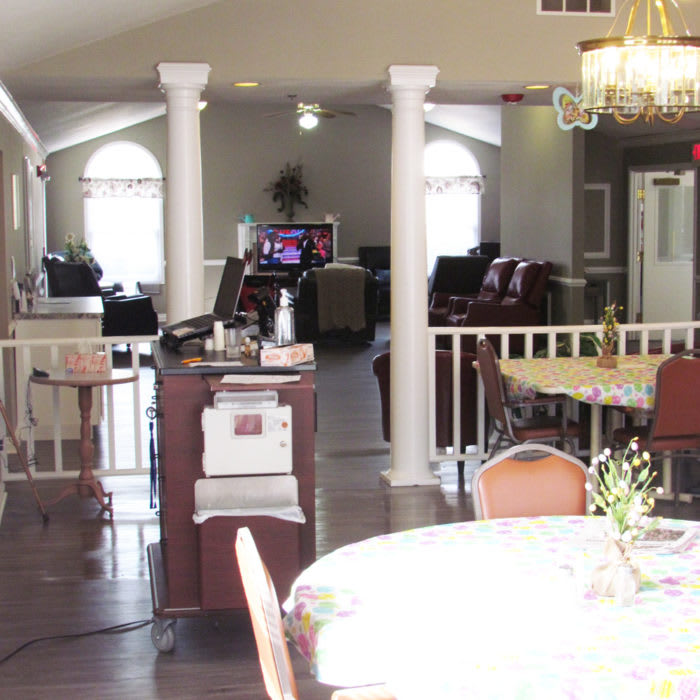
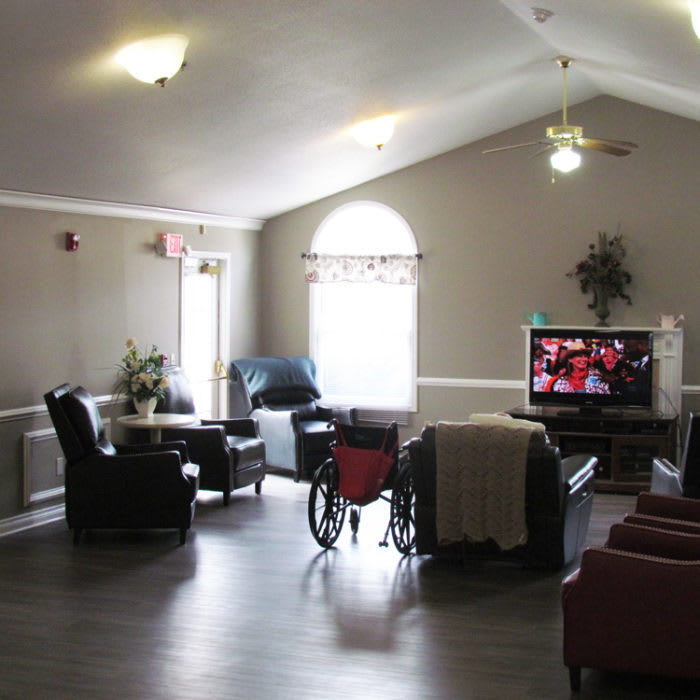
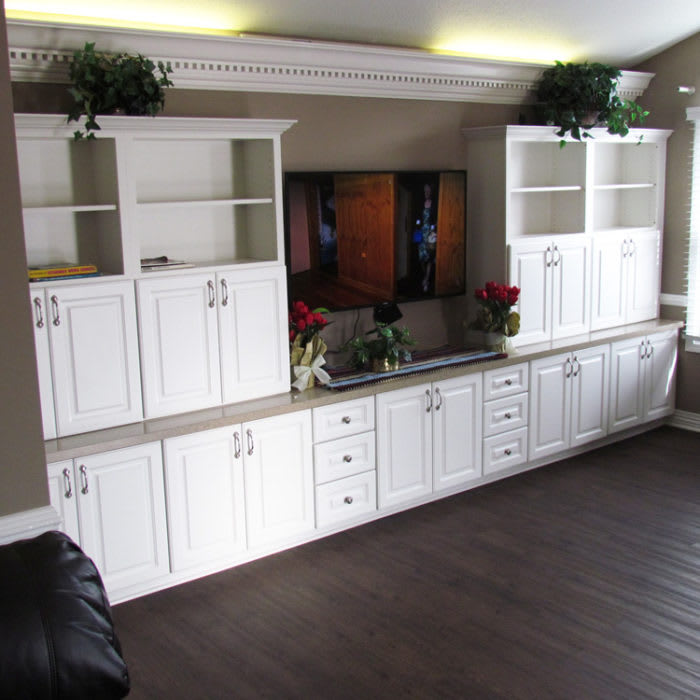
    A cozy living room with various chairs, a television, large windows, and a wheelchair.
  • Bedroom

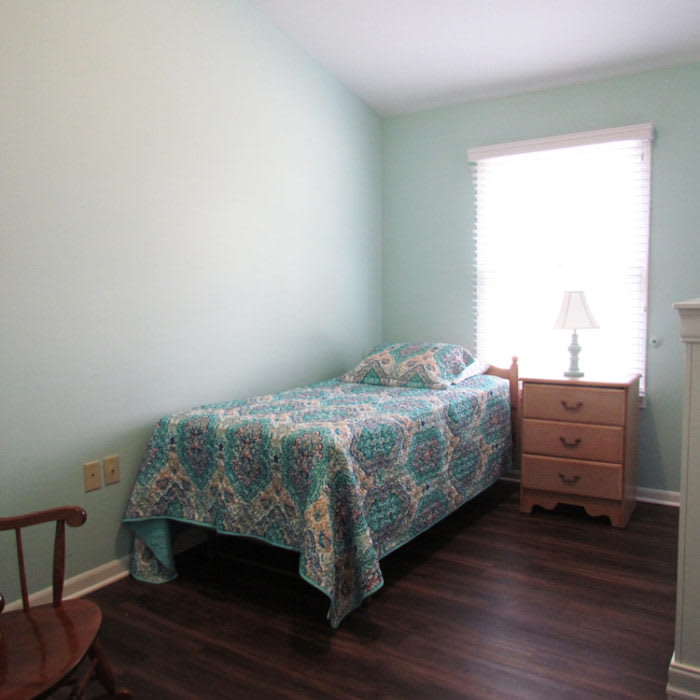
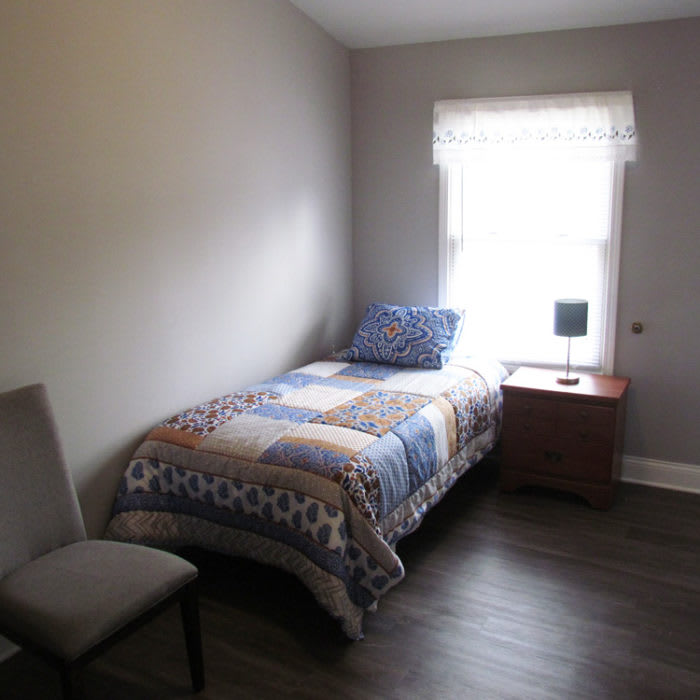
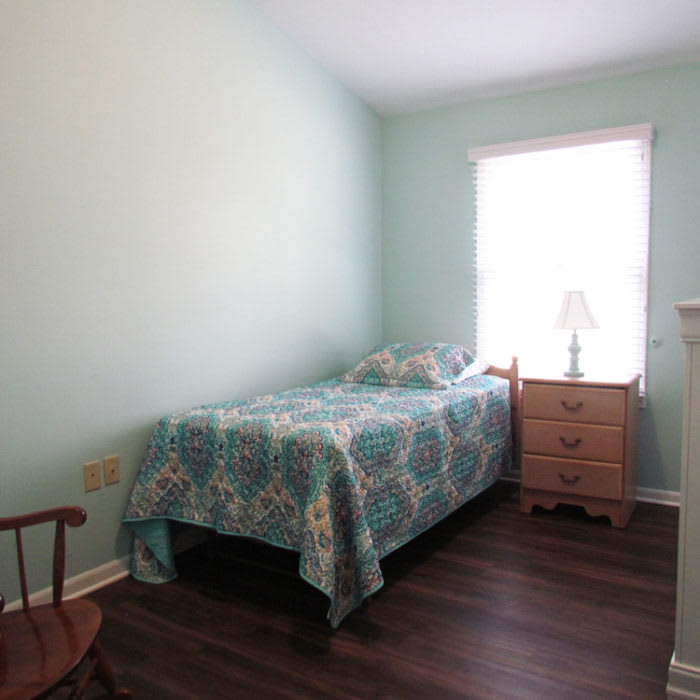
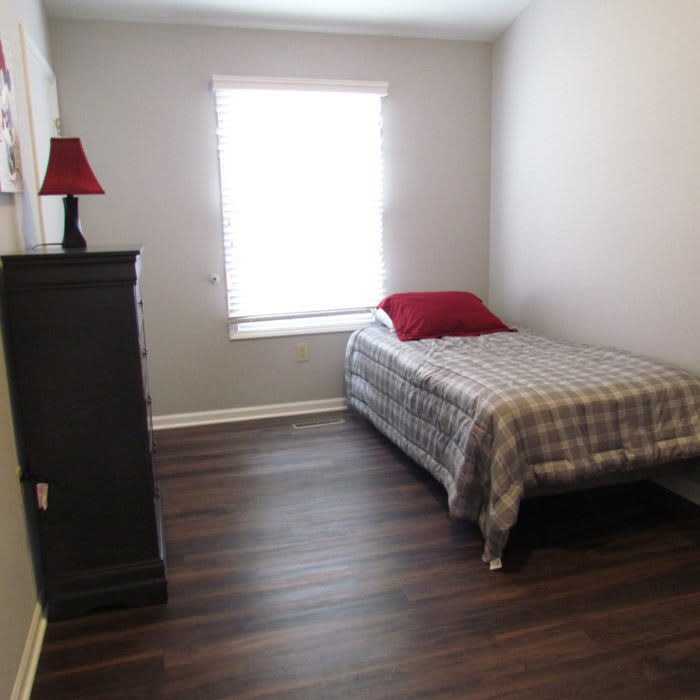
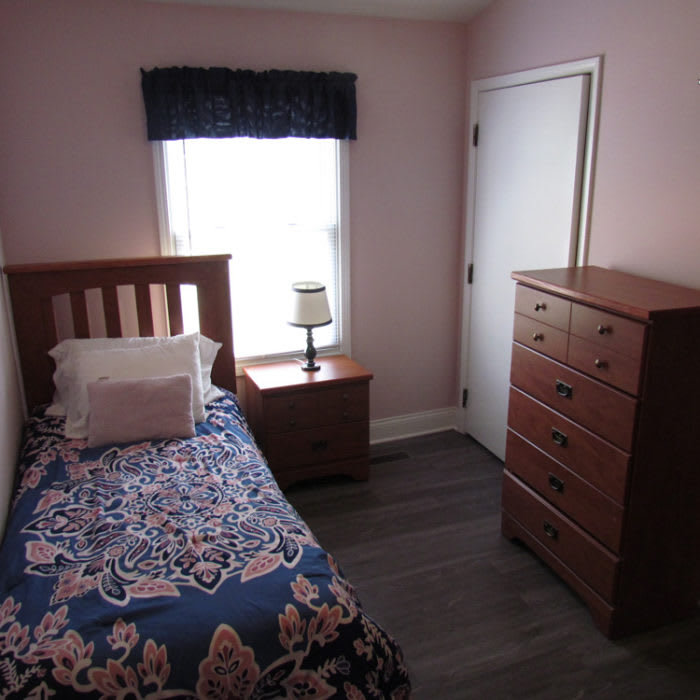
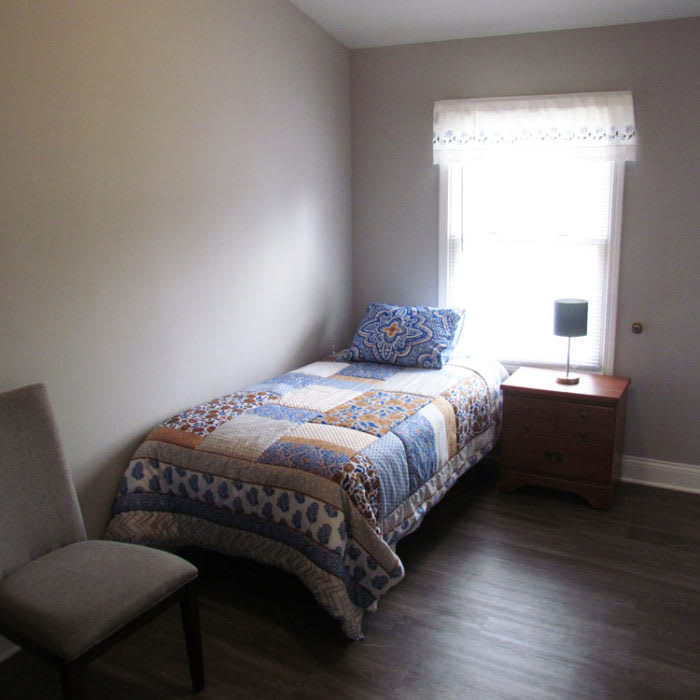
    A simple bedroom with a single bed, nightstand, and wooden chair by the window.
  • Windows

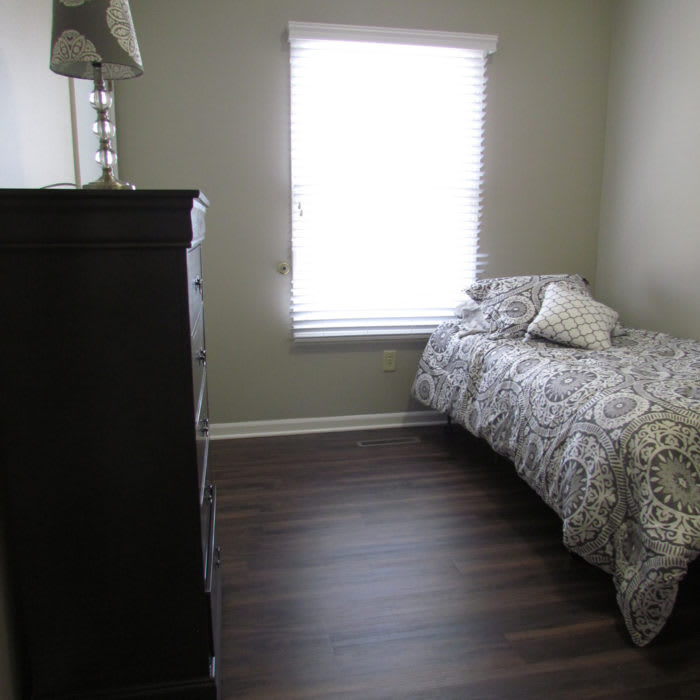
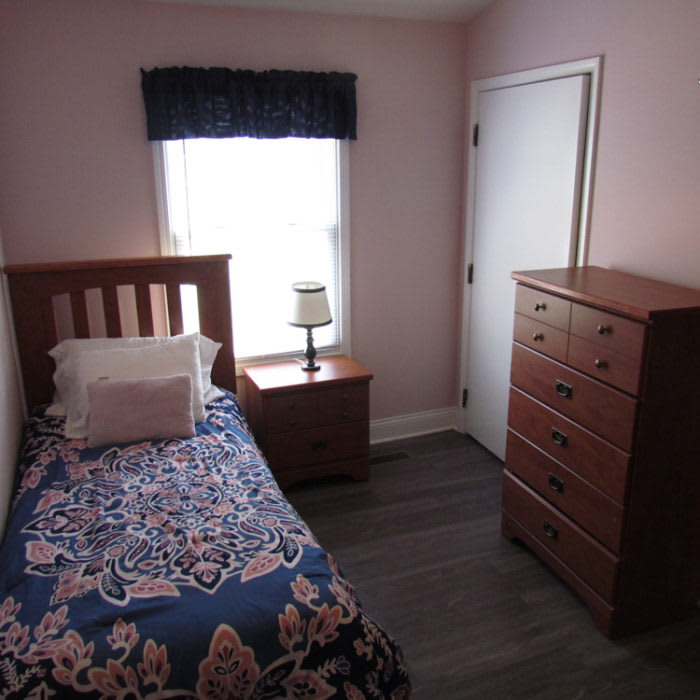
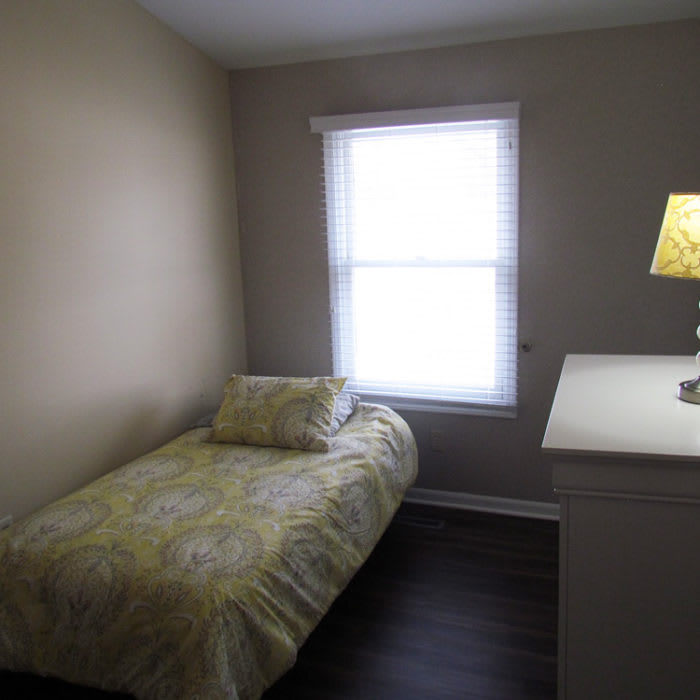
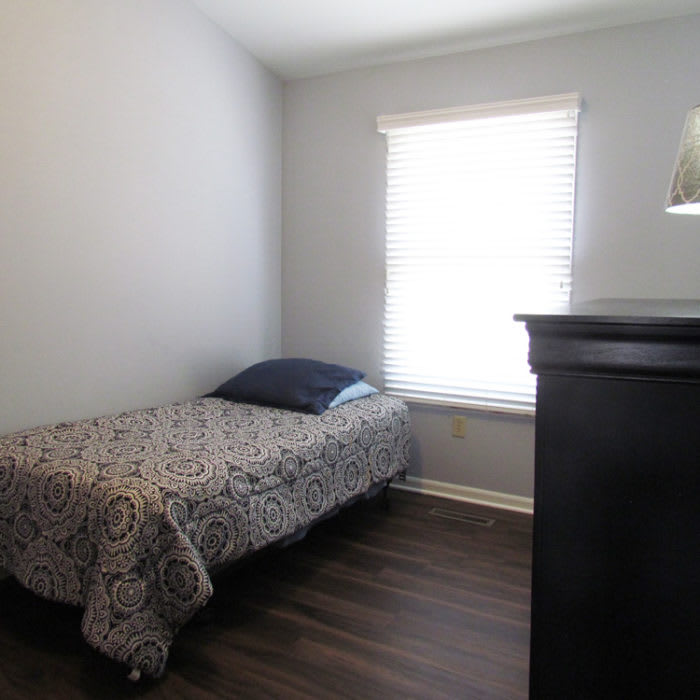
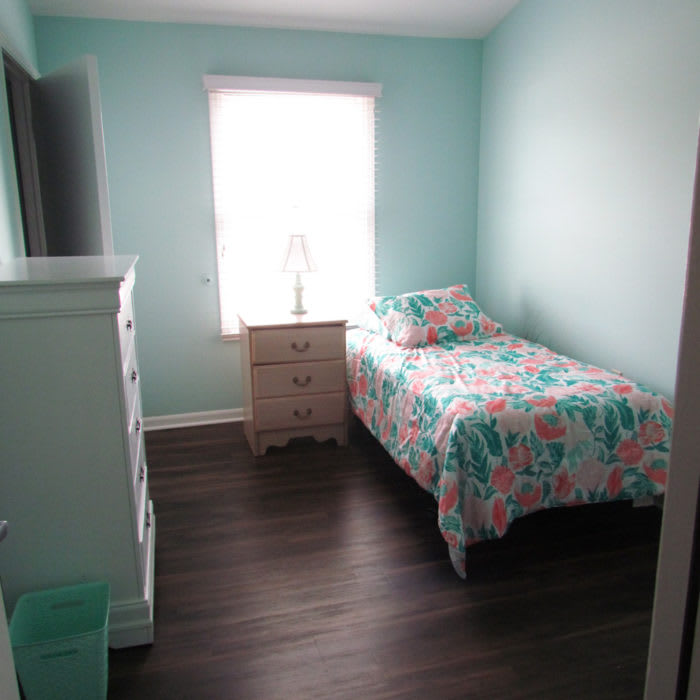
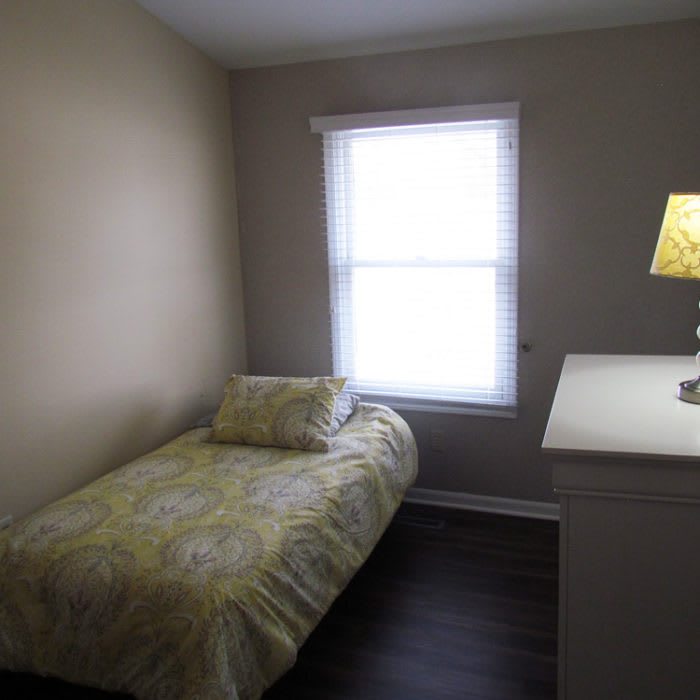
    A small bedroom with a single bed, dresser, and a window with blinds.
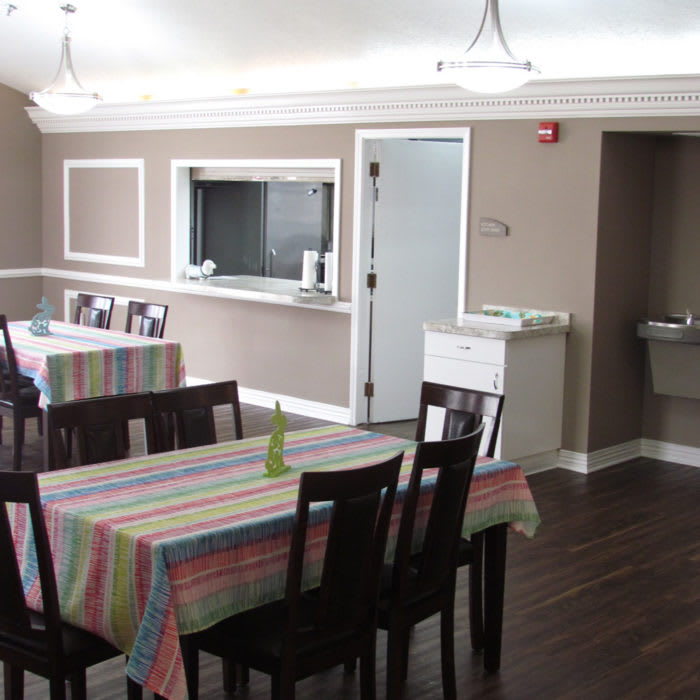
  • Dining

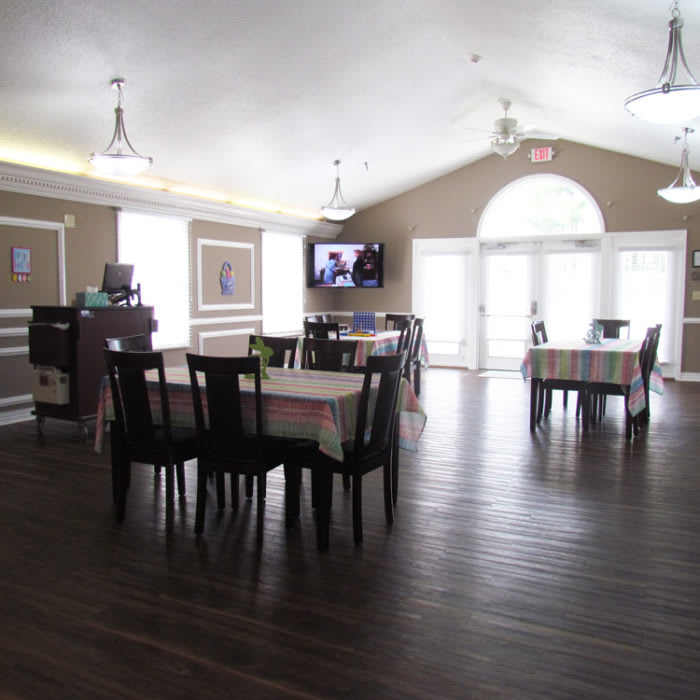
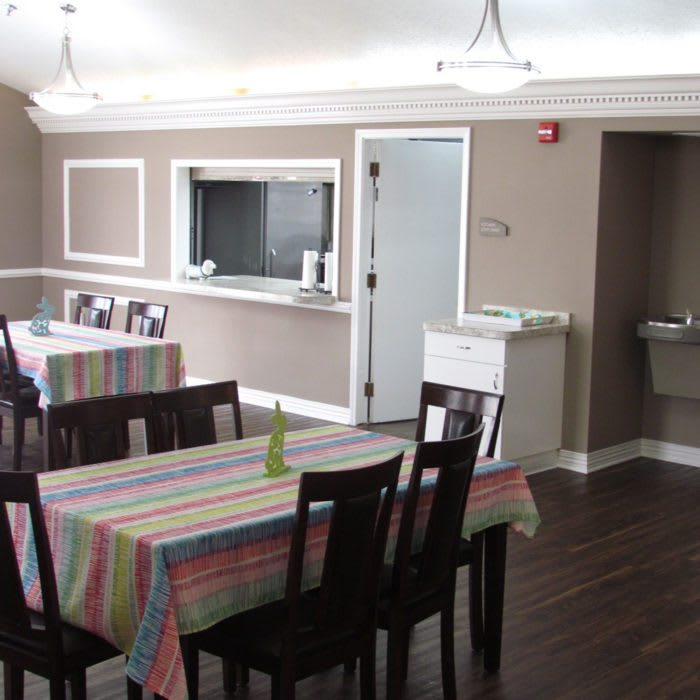
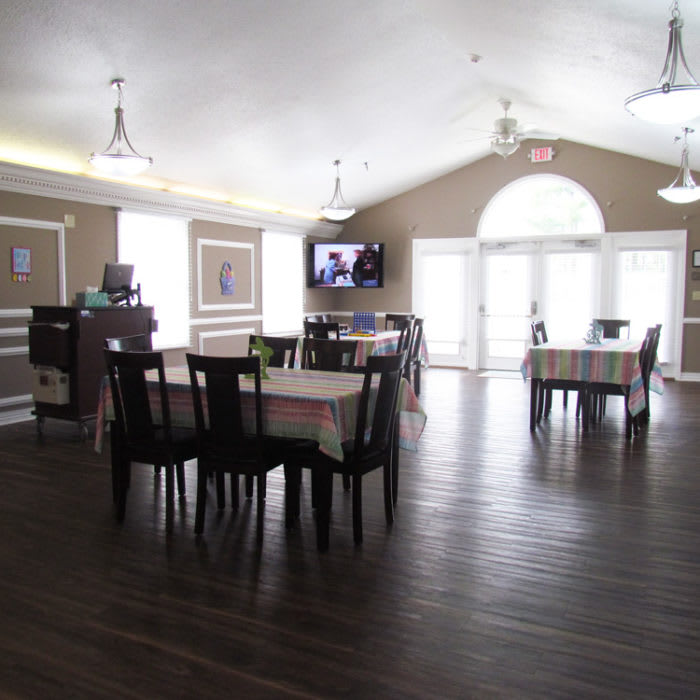
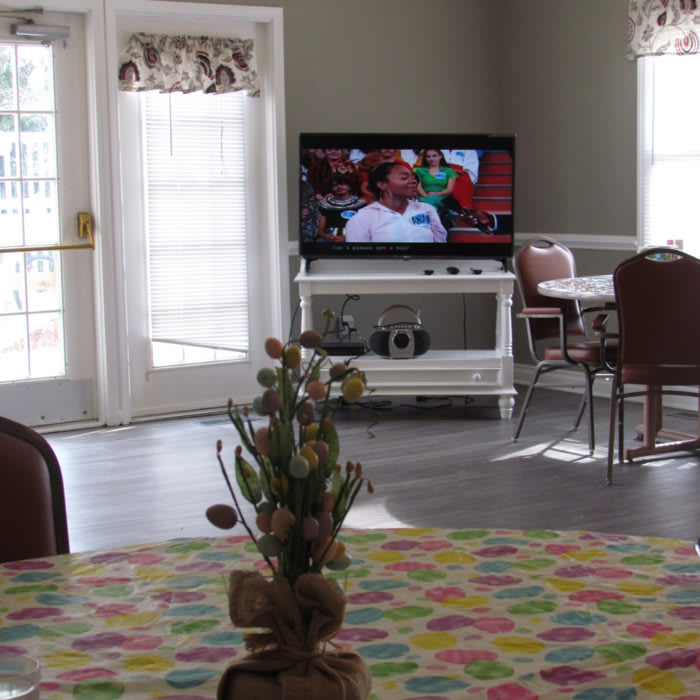
    A cozy dining area with tables covered in colorful tablecloths and a view into the kitchen.
  • Kitchen

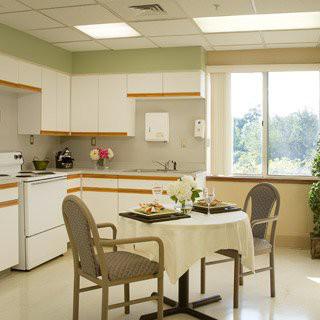
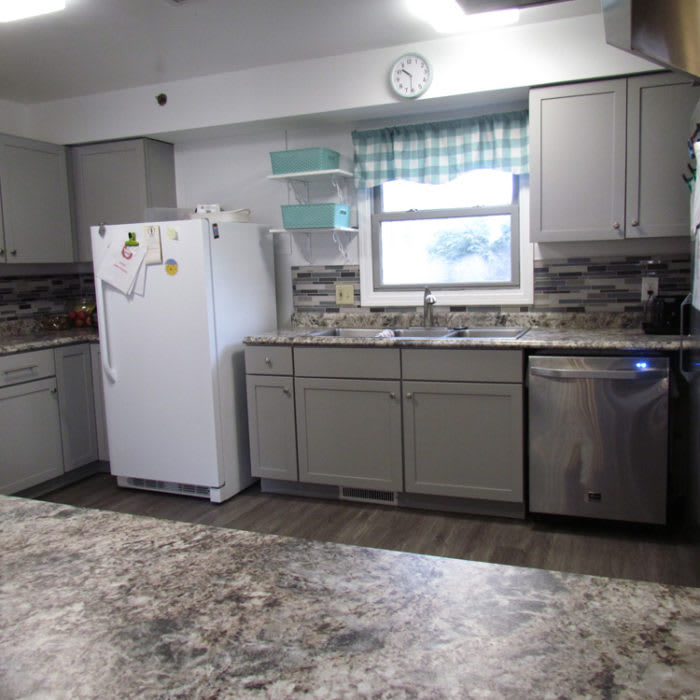
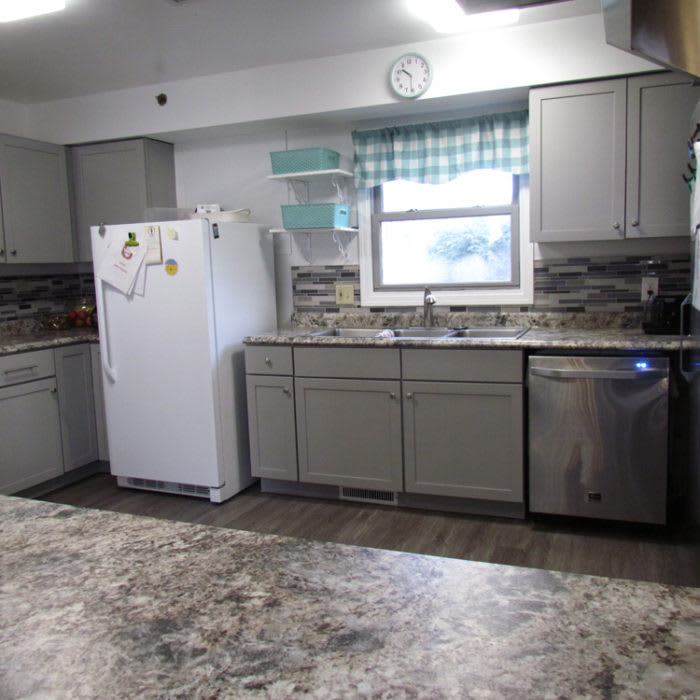
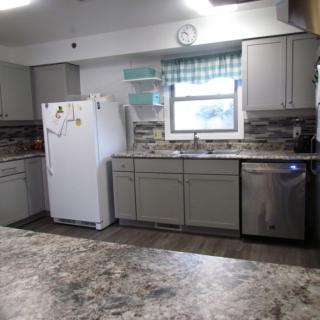
    A kitchen interior featuring appliances and cabinetry.
  • Lighting

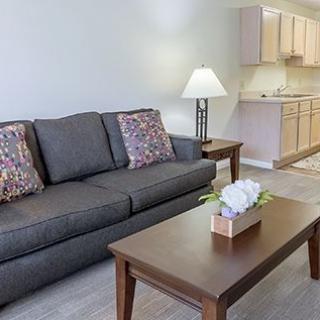
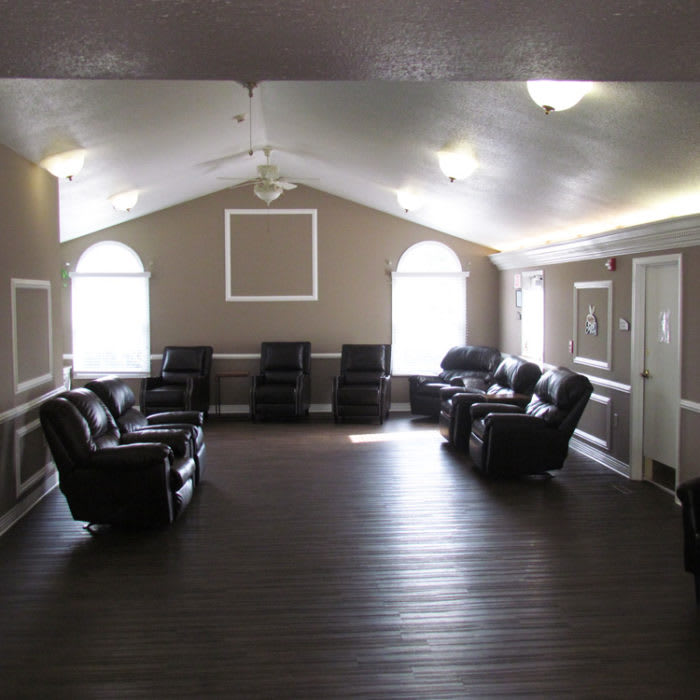
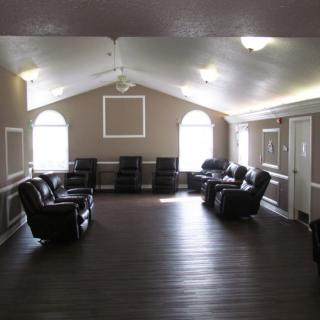
    A spacious living room with comfortable seating and natural light.
  • Seating Area

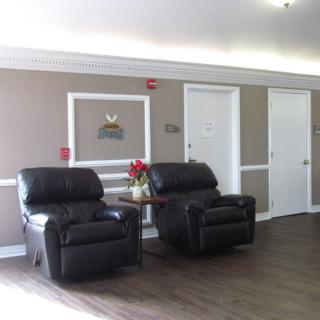
    A cozy waiting area with two leather recliners and a small table with flowers.
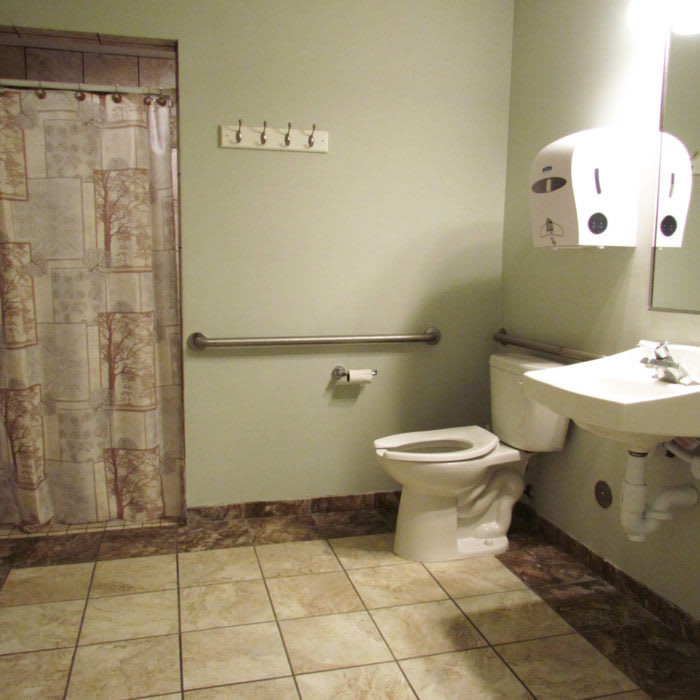
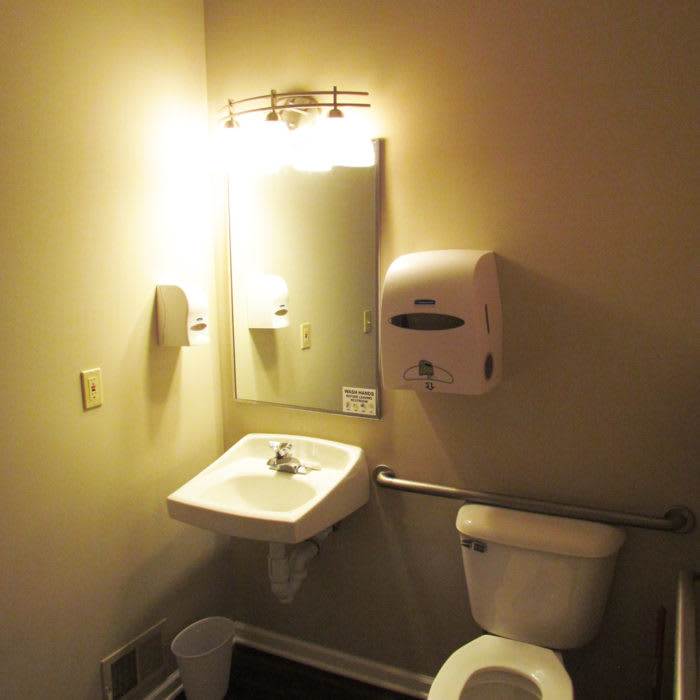
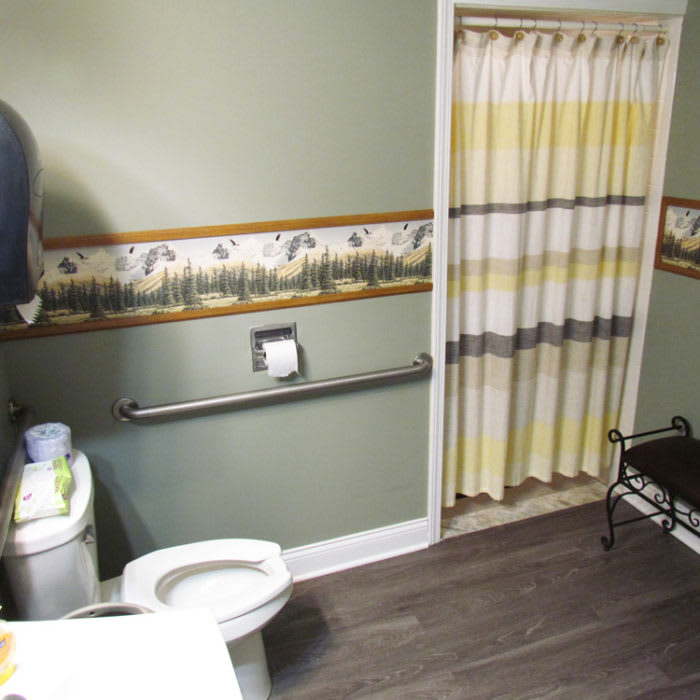
  • Bathroom

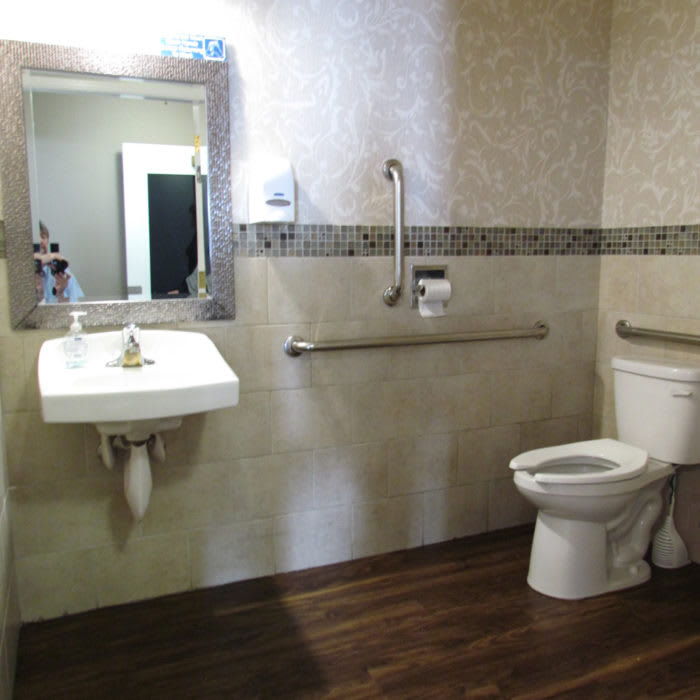
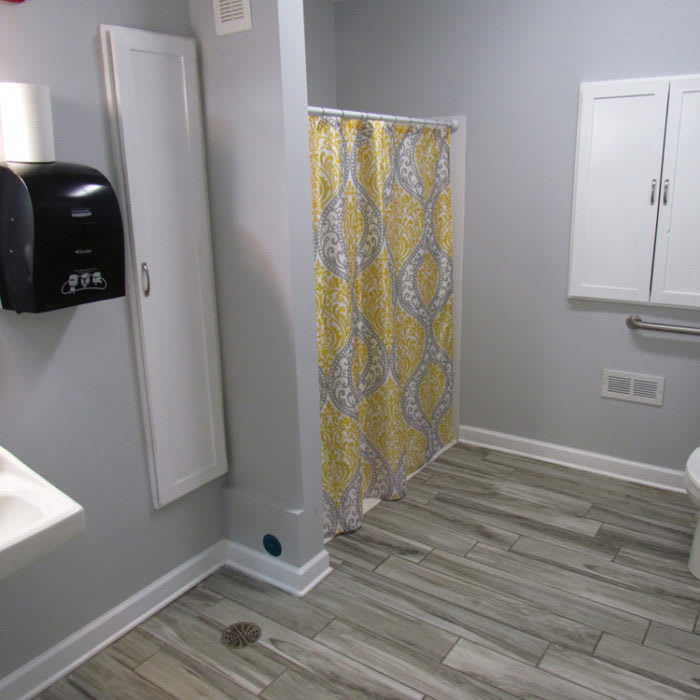
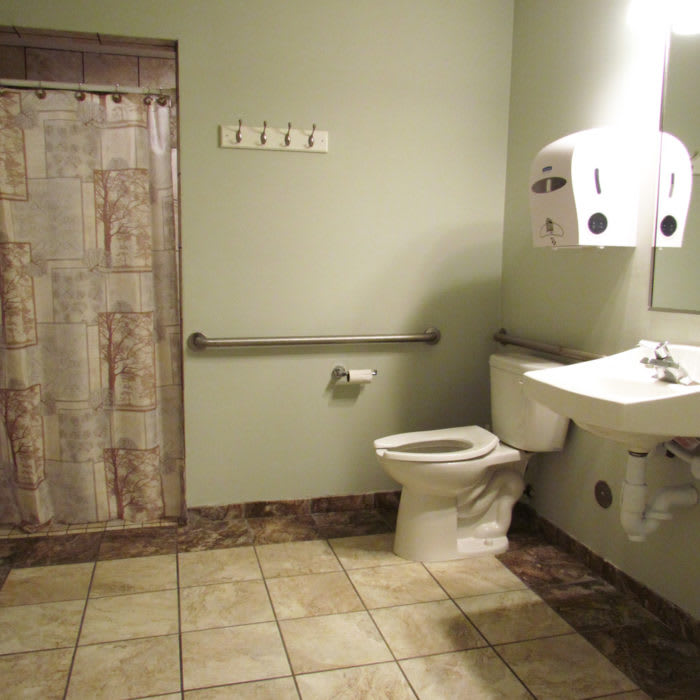
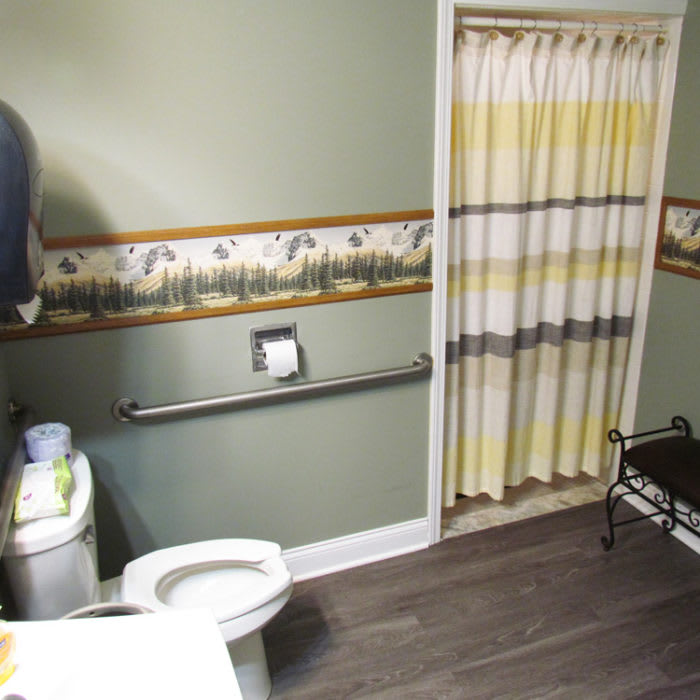
    A tiled bathroom with a wall-mounted sink and a shower with a decorative curtain.
  • Television

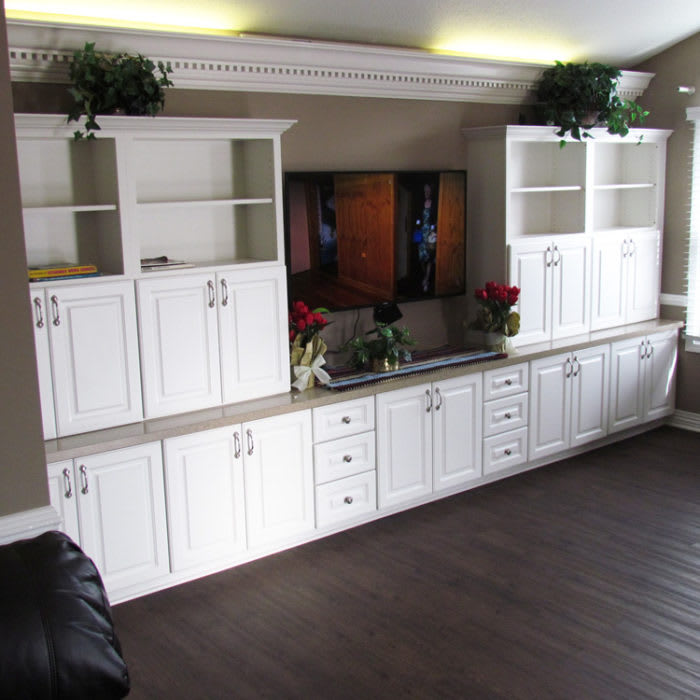
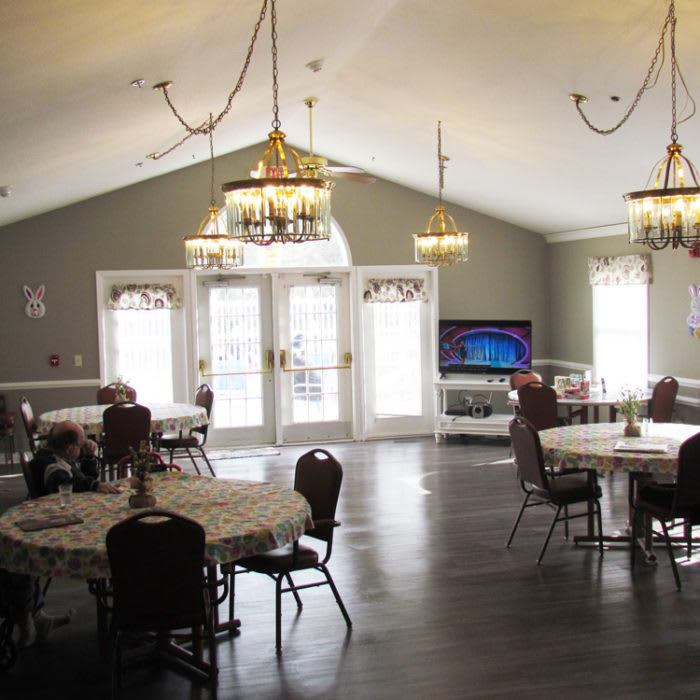
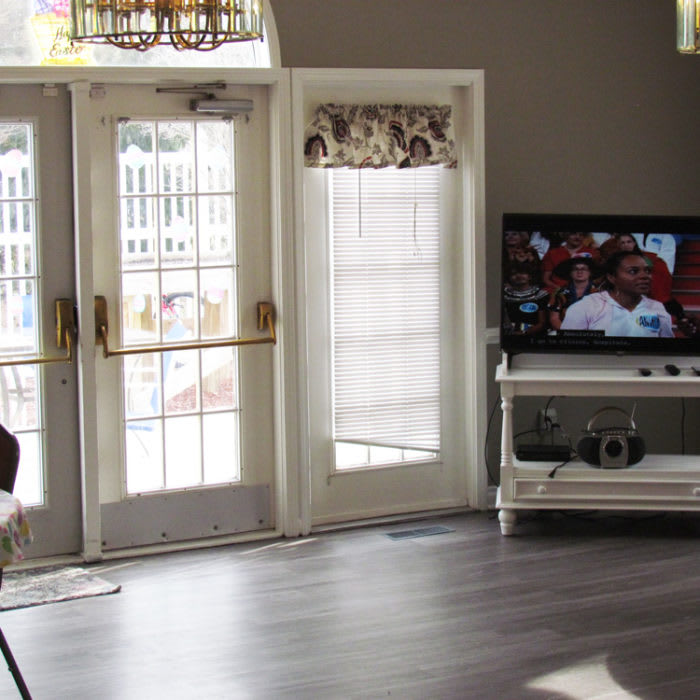
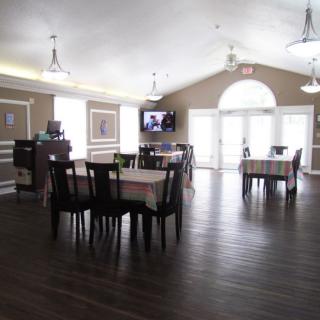
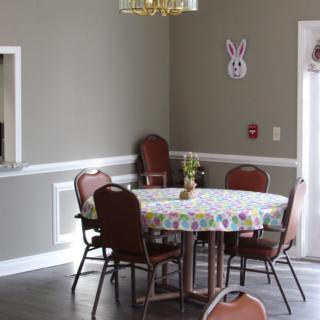
    A bright dining area with wooden floors, multiple tables and chairs, and a television mounted on the wall.
  • Chandelier

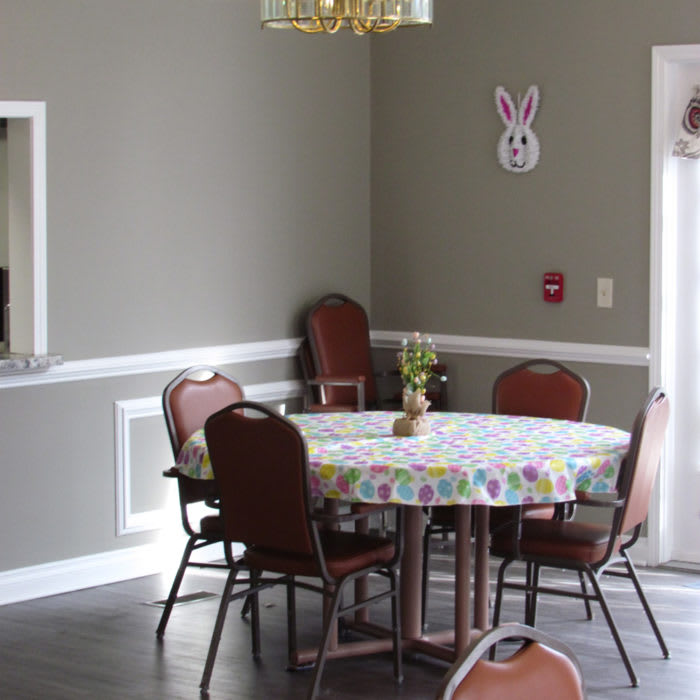
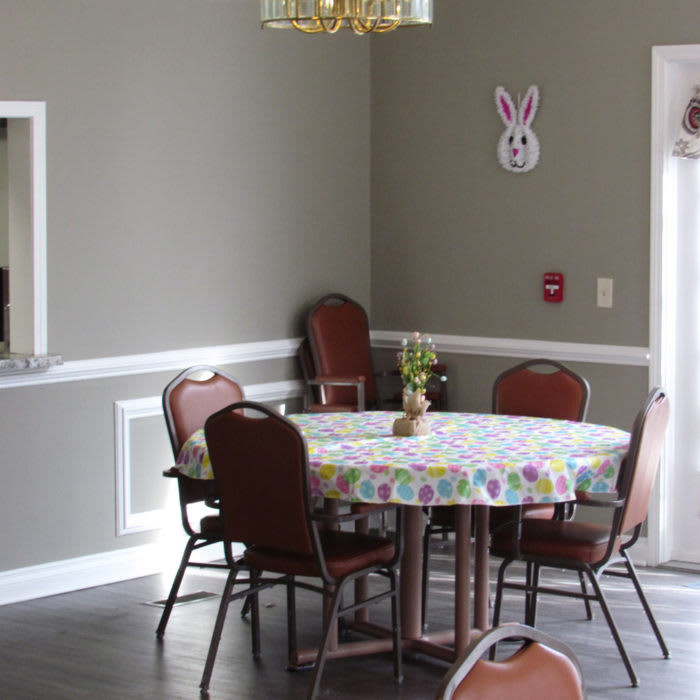
    A decorated dining area with a round table, chairs, and wall decorations.
  • Natural Light

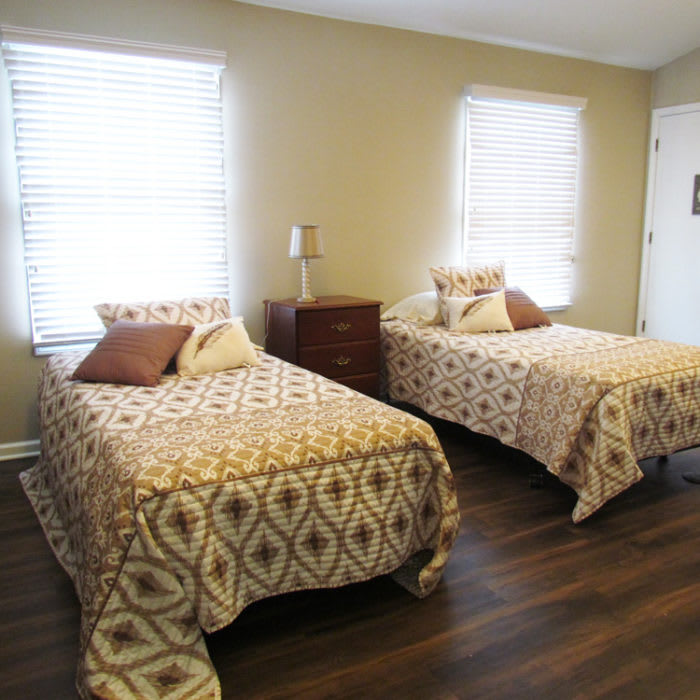
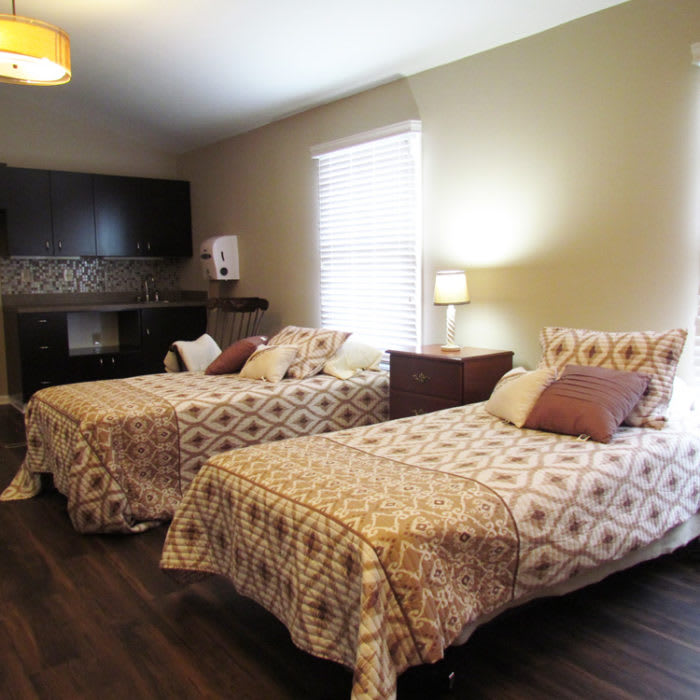
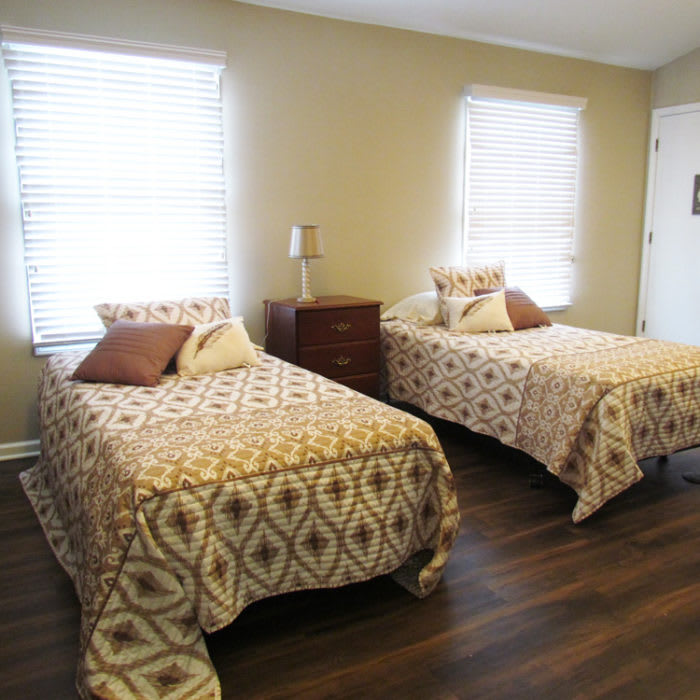
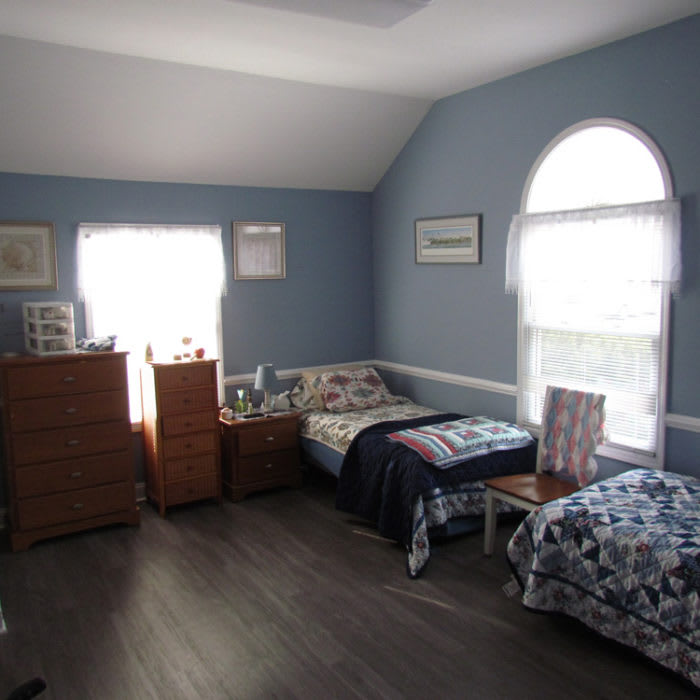
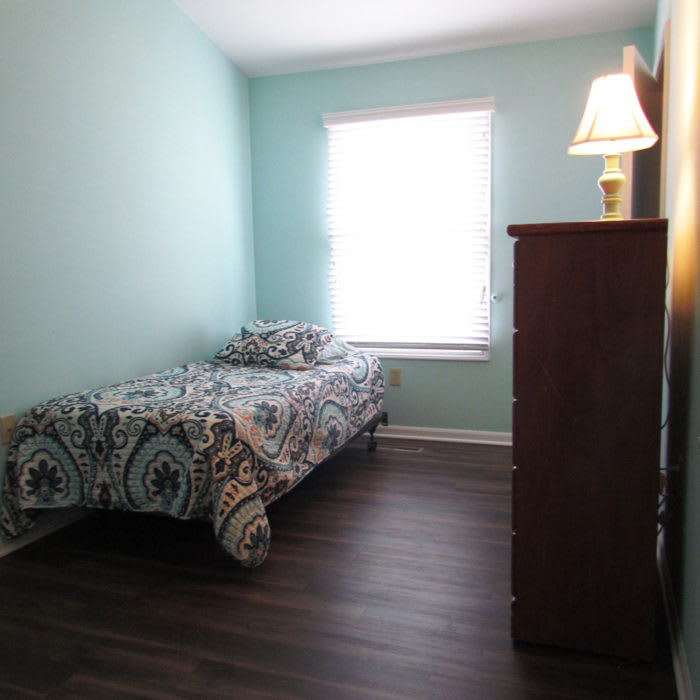
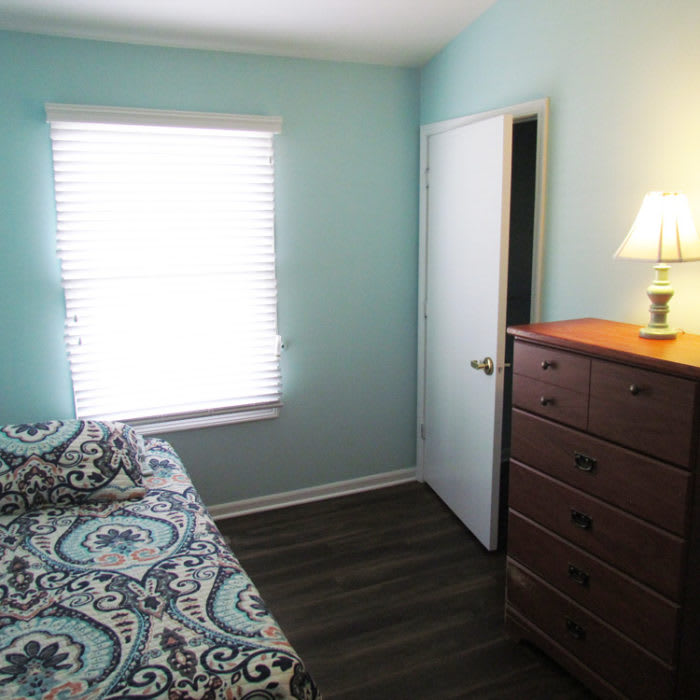
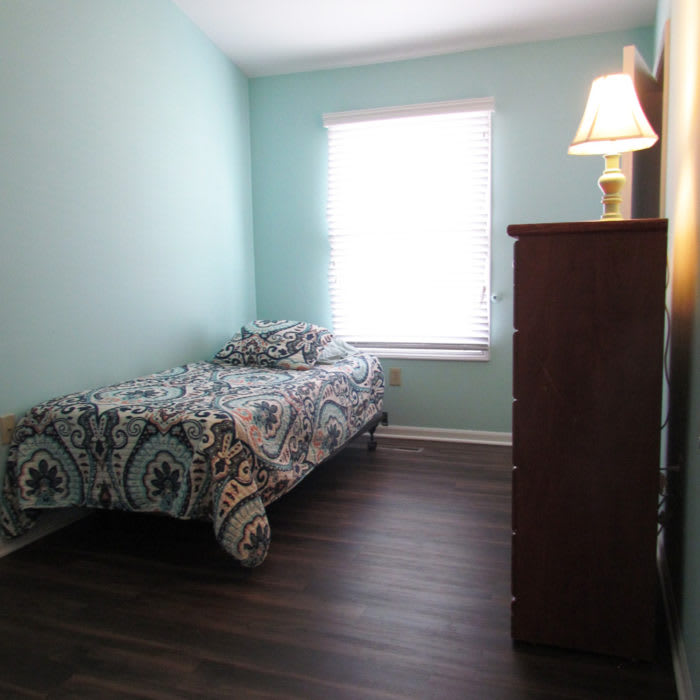
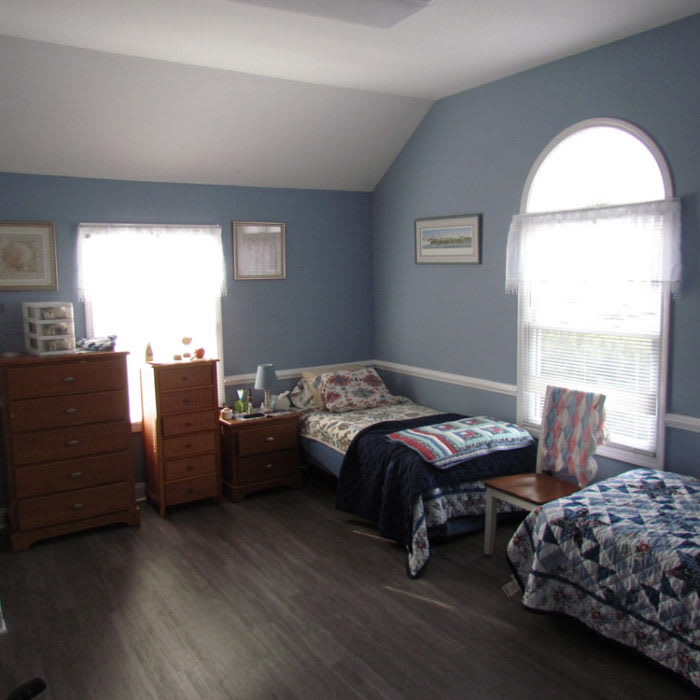
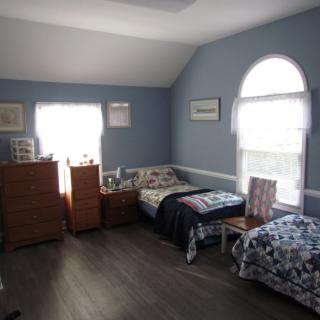
    A cozy bedroom with blue walls features two twin beds, a dresser, and ample natural light from large windows.
  • Hardwood Floor

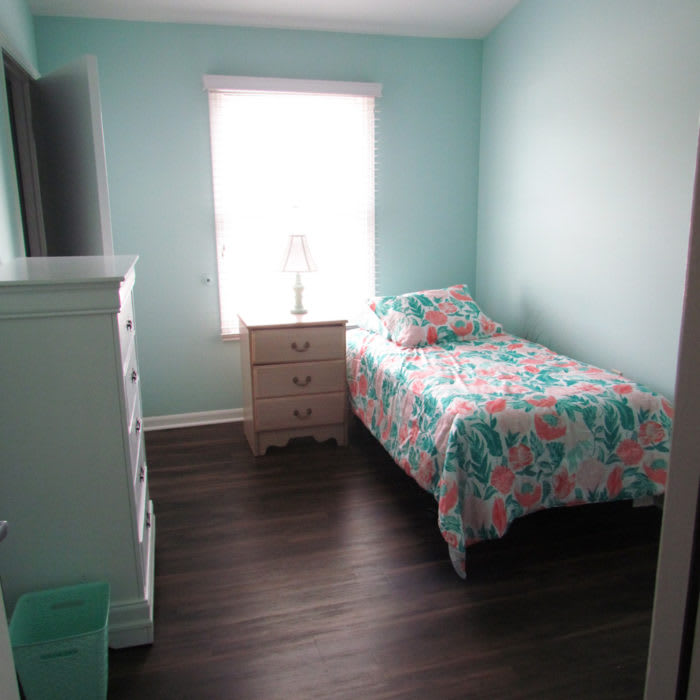
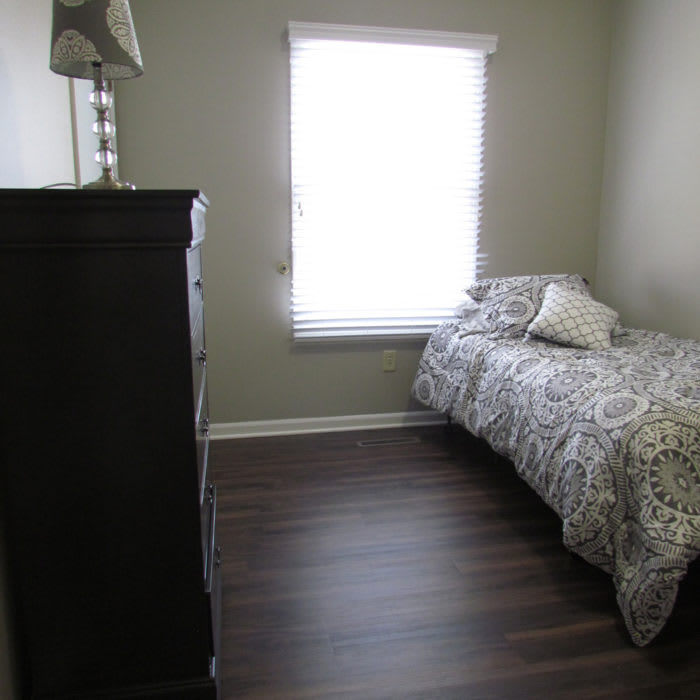
    A minimalist bedroom with a single bed, dresser, and a lamp by the window.

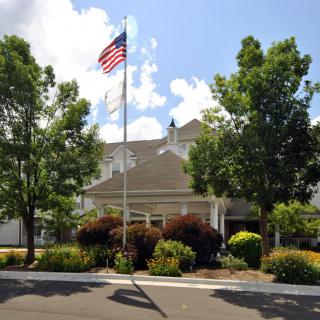
New Life Assisted Living Center in Lansing, MI

1038 Eastbury Drive, Lansing, MI 48917

For more information about senior living options: (844) 490-3973

5 from 2 reviews
Assisted Living Memory Care

New Life Assisted Living Center Costs & Pricing

New Life Assisted Living Center offers competitive pricing in comparison to both Ingham County and the broader Michigan state averages. For a semi-private room, residents can expect a monthly fee of $3,300, which is slightly above the county average of $3,168 but remains lower than the state average of $3,191. Meanwhile, for those opting for a studio room, the cost at New Life is set at $4,300 - this exceeds both Ingham County's average of $3,783 and Michigan's state average of $3,824. Overall, while New Life Assisted Living Center presents a higher price point for studio accommodations compared to nearby options, its semi-private offerings remain competitively priced within the local and state context.

Floor plansNew Life Assisted Living CenterIngham CountyMichigan
Semi-Private$3,300$3,111$3,189
Studio$4,300$3,783$3,824

Overall Review of New Life Assisted Living Center

Pros

  • pro The staff cared for residents emotionally as well as physically.
  • pro They took the time to understand that losing the ability to remember is life-altering and worked hard to help residents through the challenges.
  • pro Caring staff are essential to the residents' well-being.
  • pro The manager maintains very high standards and expectations for the staff.
  • pro The reviewer would recommend this facility to other families.
  • pro The mom feels secure and has connected with other residents, with some staff being very loving and making her comfortable.
  • pro The owners are physical therapists who show compassion for residents and treat caregiving as a calling, not just a business.
  • pro The meals are prepared on-site and residents seem happy with the food.

Cons

  • pro None found in the reviews.

Review

New Life Assisted Living Center in Lansing, MI is best suited for families seeking a caregiver-first environment where memory-impaired residents are treated with genuine warmth, steady routines, and hands-on attention. The accounts describe a program attentive to both the emotional and physical needs of residents with memory loss, not merely a custodial setting. The leadership is noted for high standards, with a manager who expects strong performance from staff, and owners who bring a physical therapy background to the floor. This combination translates into a culture that feels more like a calling than a transaction, where staff members strive to connect personally with residents, help them feel secure, and sustain daily dignity through consistent care and on-site cooking that supports reliable meals.

Yet potential families should consider alternatives if the situation calls for deeper medical oversight or a larger, more specialized memory-care operation. For residents with complex medical needs requiring around-the-clock nursing, intensive respiratory or wound care, or highly structured clinical programming, a bigger community with dedicated memory-care units and on-site medical teams may deliver more comprehensive support. Additionally, those prioritizing a broader array of therapeutic activities, extensive rehab services, or a campus with multiple levels of care might find that other facilities better align with long-term care trajectories and budgetary planning.

The key positives - compassionate staffing, a leadership team that holds staff to high professional standards, and a clear emphasis on meaningful daily living - tend to outweigh the drawbacks identified in the limited feedback. The reviews suggest that care partners connect with residents, offering gentleness and patience, which helps residents with Alzheimer's feel secure and socially engaged. The owners' clinical background signals a practical, mobility-conscious approach to daily life: safe transfers, encouraged activity, and an implicit commitment to continuity of care. On-site meals add a practical and comforting touch, contributing to nutrition and consistency. In a setting where familiarity and trust matter, these strengths can translate into fewer behavioral challenges stemming from anxiety or isolation.

However, the data pool is narrow, confined to two perspectives, which naturally limits confidence in universal experiences. Prospective families should verify that the warm, resident-centered tone persists across shifts and that staff consistency remains high during weekends and holidays. Observing actual interactions during a trial tour, asking about staff training in dementia care, and reviewing routine schedules will reveal whether the claimed caring culture translates into everyday practice. Clarifying the availability of on-site therapy, activity programming, and transportation options can also illuminate how well the facility sustains engagement for socially and physically active residents.

In practical terms, families weighing options should press for specifics: caregiver-to-resident ratios by shift, the extent of dementia-specific training among frontline staff, and the exact nature of daily activities designed for memory-care residents. Inquiries about mobility supports, fall-prevention measures, and the role of the physical-therapy-aligned leadership in ongoing rehabilitation plans will help determine if expectations align with reality. If these questions yield strong, consistent answers, New Life stands out as a compelling choice for those who value authentic compassion and practical, mobility-minded care in a memory-impacted population.

Ultimately, New Life Assisted Living Center is a compelling fit for families prioritizing a nurturing, respectful memory-care environment backed by attentive leadership and hands-on care. It is less suitable for those needing intensive medical supervision, a larger or more clinical memory-care footprint, or highly segmented programs across several levels of care. For families who want a place that treats memory loss with seriousness, empathy, and practical daily structure - and who are comfortable with the tradeoffs of a smaller, caregiver-driven setting - this center offers a trustworthy, grounded option in Lansing.

Features

Housing

  • 20 resident community capacity 20 resident community capacity

Types of Care

  • Assisted Living Assisted LivingAssisted living facilities provide crucial support and care for seniors who may need help with daily tasks such as medication management, bathing, and meal preparation. These communities offer a safe and comfortable environment where seniors can maintain their independence while receiving the assistance they need to thrive in their golden years.
  • Memory Care Memory CareMemory care is crucial for seniors as it provides specialized support and services for individuals with dementia or Alzheimer's disease. These programs offer a safe and secure environment where residents receive personalized care, cognitive stimulation, and help with daily activities. Memory care helps seniors maintain their independence, quality of life, and dignity while also providing peace of mind for their families.

Amenities

  • Activities on-site Activities on-siteActivities on-site are important for seniors because they provide opportunities for socialization, mental stimulation, physical activity, and overall well-being. Engaging in activities can help seniors stay active, maintain their independence, and improve their quality of life.
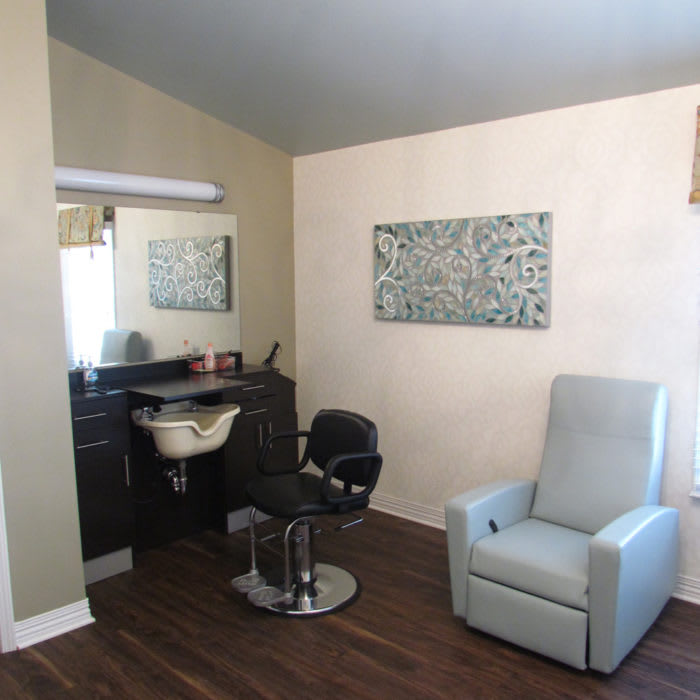
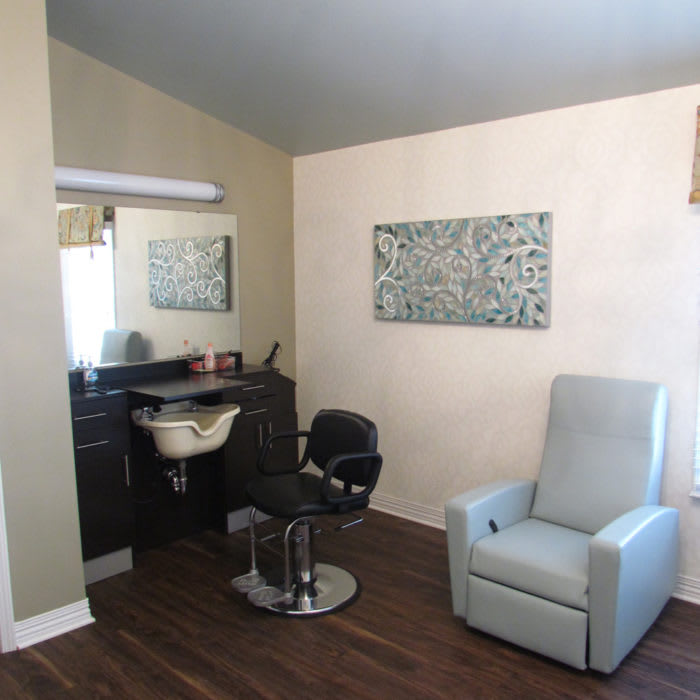
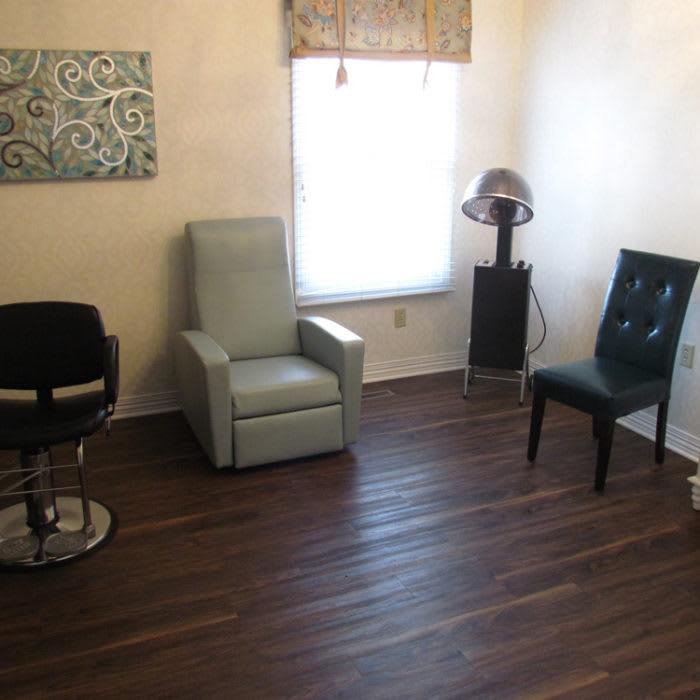
  • Beauty salon Beauty salonBeauty salons are important for seniors because they provide a space for them to feel pampered, socialize, and maintain their personal grooming and hygiene. Regular visits to a beauty salon can help boost seniors' self-esteem and overall well-being.
  • Cable or satellite TV Cable or satellite TVCable or satellite TV is important for seniors because it provides entertainment, news, and companionship, helping to combat loneliness and boredom. It also offers a wide range of programming options tailored to different interests and preferences.
  • Devotional services off-site Devotional services off-siteDevotional services off-site are important for seniors as they provide spiritual nourishment, social engagement, and a sense of community outside of the senior living facility. This can enhance overall well-being and help combat feelings of isolation and loneliness often experienced by older adults.
  • Dining room Dining roomDining rooms are important for seniors as they provide a space for socialization, connection, and nutritious meals. They offer opportunities for residents to bond over shared meals, foster a sense of community, and promote healthy eating habits. Dining rooms also ensure that seniors have access to well-balanced meals tailored to their dietary needs and preferences.
  • Fully furnished Fully furnishedFully furnished senior living communities are important for seniors because they provide convenience, comfort, and a hassle-free moving experience. Seniors can easily settle into their new living space without the stress of having to buy and move furniture. This allows them to focus on enjoying their new home and community.
  • Garden GardenGardens are important for seniors as they provide a peaceful and therapeutic environment for relaxation, physical activity, and socialization. Being in nature has been shown to reduce stress, improve mood, and promote overall well-being. Gardens also offer opportunities for seniors to engage in gardening activities, which can improve mobility, flexibility, and cognitive function. Additionally, gardens create a sense of community and connection with others who share a passion for plants and outdoor spaces.
  • Housekeeping services Housekeeping servicesHousekeeping services are important for seniors because they help maintain a clean and safe living environment, promote independence, and reduce the risk of accidents or illnesses. Additionally, having assistance with household chores can alleviate physical strain and allow seniors to focus on other aspects of their well-being.
  • Indoor common areas Indoor common areasIndoor common areas are crucial for seniors as they provide a space for socialization, recreation, and community engagement, promoting overall well-being and reducing feelings of isolation and loneliness.
  • Kitchenette KitchenetteKitchenettes are important for seniors living in senior living communities because they provide the convenience and independence of being able to prepare simple meals and snacks in the comfort of their own living space. This can help promote a sense of autonomy and well-being for seniors, allowing them to maintain some level of control over their dietary choices and daily routines.
  • Move-in coordination Move-in coordinationMove-in coordination is important for seniors because it helps ease the transition into their new living environment. It ensures that all logistics, such as packing, organizing movers, and setting up utilities are taken care of, allowing seniors to focus on settling in and adjusting to their new home. Having a smooth move-in process can alleviate stress and anxiety, making the transition smoother and more enjoyable for seniors.
  • Outdoor space Outdoor spaceOutdoor spaces are important for seniors as they provide opportunities for physical activity, social interaction, exposure to natural light and fresh air, and a sense of connection to nature. Having access to outdoor spaces can improve overall well-being and quality of life for older adults living in senior communities.
  • Telephone TelephoneTelephones are important for seniors as they provide a lifeline for communication with loved ones, emergency services, and healthcare providers. They offer a sense of security and independence, enabling seniors to stay connected and access assistance when needed.
  • Wi-Fi/high-speed internet available Wi-Fi/high-speed internet availableWi-Fi/high-speed internet is important for seniors to stay connected with loved ones, access online resources, and participate in virtual activities to combat feelings of loneliness and isolation. It also allows them to easily manage healthcare needs, access entertainment, and engage in lifelong learning opportunities.

Transportation

  • Capital City (4 miles away) Capital City (4 miles away)

Care Services

  • 24-hour call system 24-hour call system24-hour call systems are important for seniors because they provide peace of mind and immediate assistance in case of emergencies. This technology ensures that help is always available, promoting safety and security for elderly individuals living alone or in assisted living facilities.
  • 24-hour supervision 24-hour supervision24-hour supervision is important for seniors to ensure their safety, well-being, and access to immediate assistance in case of emergencies or health issues. This constant support provides peace of mind for both seniors and their loved ones, allowing them to age in place with dignity and security.
  • Activities of daily living assistance Activities of daily living assistanceActivities of daily living assistance are important for seniors because they provide essential support with tasks such as eating, bathing, dressing, and mobility. This assistance helps seniors maintain their independence, dignity, and overall quality of life as they age.
  • Ambulatory care Ambulatory care"Ambulatory care services provide essential medical support and treatment to seniors without requiring hospitalization, allowing them to maintain their independence and quality of life while managing chronic conditions or receiving routine medical care."
  • Assistance with bathing Assistance with bathingAssistance with bathing is crucial for seniors as it helps maintain personal hygiene, prevents infections, and ensures their overall well-being and comfort. It also provides a sense of dignity and independence for seniors who may struggle with this task on their own.
  • Assistance with dressing Assistance with dressingAssistance with dressing is important for seniors because it helps maintain their independence, promotes personal hygiene, prevents accidents and injuries, and improves overall quality of life. This service ensures that seniors can continue to dress comfortably and confidently, despite any physical limitations they may have.
  • Assistance with transfers Assistance with transfersAssistance with transfers is crucial for seniors as it helps prevent falls and injuries, maintains their independence, and ensures they can safely navigate their living environment. It also provides peace of mind for both seniors and their loved ones.
  • Coordination with health care providers Coordination with health care providersCoordination with health care providers is crucial for seniors to ensure proper medical care, medication management, and overall well-being. This collaboration helps prevent overlapping treatments, track progress more effectively, and provide comprehensive support tailored to individual needs.
  • Diabetes diet Diabetes dietA diabetes diet is crucial for seniors as it helps manage blood sugar levels, reduce risks of complications, and improve overall health and well-being. By following a balanced and nutritious diet tailored to their specific needs, seniors can better control their diabetes and enhance their quality of life.
  • Diabetic care Diabetic careDiabetic care is crucial for seniors as they are more susceptible to developing diabetes due to aging and other health conditions. Proper management of diabetes can help prevent complications such as heart disease, vision loss, and nerve damage, improving the overall quality of life for seniors in senior living communities.
  • Meal preparation and service Meal preparation and serviceMeal preparation and service are crucial for seniors as they may have limited mobility or energy to cook nutritious meals. Having access to healthy and convenient food options can ensure they are getting the proper nutrition needed to maintain their overall health and well-being.
  • Medication management Medication managementMedication management is crucial for seniors to ensure they are taking the right medications at the correct dosages and times. This helps prevent adverse drug interactions, reduces the risk of medication errors, and promotes overall health and well-being. Proactive management also allows for adjustments as needed based on changing health conditions or new prescriptions.
  • Mental wellness program Mental wellness programMental wellness programs are essential for seniors as they promote cognitive stimulation, emotional support, and social engagement. These programs help prevent isolation, depression, and cognitive decline, ultimately enhancing the overall quality of life for older adults.
  • Special dietary restrictions Special dietary restrictionsSpecial dietary restrictions are important for seniors because age-related changes in metabolism and health conditions can make it difficult for their bodies to process certain foods. By following a diet tailored to their specific needs, seniors can maintain their overall health and well-being, manage chronic conditions, and reduce the risk of complications such as malnutrition or food interactions with medications.
  • Transportation arrangement (medical) Transportation arrangement (medical)Transportation arrangements for medical purposes are essential for seniors as they may have difficulty driving themselves to appointments or accessing public transportation. Having reliable and safe transportation options ensures that seniors can receive timely medical care and maintain their health and well-being.
  • Transportation to doctors appointments Transportation to doctors appointmentsTransportation to doctors' appointments is crucial for seniors as it ensures they have access to necessary medical care and support for their health needs. Without reliable transportation, seniors may struggle to attend important appointments, leading to potential delays in treatment and health complications. Providing transportation services helps seniors maintain their overall well-being and quality of life.

Dining

  • Diabetes diet Diabetes dietA diabetes diet is crucial for seniors as it helps manage blood sugar levels, reduce risks of complications, and improve overall health and well-being. By following a balanced and nutritious diet tailored to their specific needs, seniors can better control their diabetes and enhance their quality of life.
  • Meals provided Meals provided"Meals provided" are crucial for seniors in assisted living communities as it ensures they have access to nutritious, balanced meals without the stress of meal planning and preparation. This can help promote overall health and well-being for seniors who may have limited mobility or cognitive abilities.
  • Special dietary restrictions Special dietary restrictionsSpecial dietary restrictions are important for seniors because age-related changes in metabolism and health conditions can make it difficult for their bodies to process certain foods. By following a diet tailored to their specific needs, seniors can maintain their overall health and well-being, manage chronic conditions, and reduce the risk of complications such as malnutrition or food interactions with medications.

Activities

  • Activities on-site Activities on-siteActivities on-site are important for seniors because they provide opportunities for socialization, mental stimulation, physical activity, and overall well-being. Engaging in activities can help seniors stay active, maintain their independence, and improve their quality of life.
  • Community-sponsored activities Community-sponsored activitiesCommunity-sponsored activities are important for seniors as they provide opportunities for social interaction, mental stimulation, and physical activity. These activities can help improve overall well-being, combat loneliness and isolation, and promote a sense of belonging and purpose among older adults.
  • Devotional activities offsite Devotional activities offsiteDevotional activities offsite are important for seniors because they provide social engagement, spiritual growth, and a sense of community outside of their living environment. This can improve overall well-being, mental health, and combat feelings of isolation or loneliness.
  • Resident-run activities Resident-run activitiesResident-run activities are important for seniors as they encourage social interaction, creativity, and a sense of autonomy. These activities empower seniors to stay engaged and active in their community while fostering meaningful connections with their peers.
  • Scheduled daily activities Scheduled daily activitiesScheduled daily activities are important for seniors because they provide structure, socialization, mental stimulation, and physical activity. Engaging in regular activities can improve overall well-being and quality of life for seniors living in a community setting.

Description

New Life Assisted Living Center is a premier senior living community located in Lansing, MI. Our dedicated staff provides exceptional care for residents in need of memory care services. Our center offers a wide range of amenities to ensure that our residents enjoy a comfortable and fulfilling lifestyle.

Residents can take advantage of our on-site beauty salon to stay looking their best or relax in our indoor common areas while watching their favorite shows on cable or satellite TV. We also offer devotional services off-site to cater to the spiritual needs of our residents. Our dining room provides delicious meals prepared by our skilled chefs, and special dietary restrictions are accommodated.

All of our rooms are fully furnished with comfortable furniture and residents have access to Wi-Fi/ high-speed internet. The outdoor space and garden provide a serene environment where residents can take a stroll or enjoy the fresh air.

Our care services include 24-hour supervision by trained professionals who assist with activities of daily living and provide ambulatory care. Assistance with bathing, dressing, transfers, and medication management are offered to ensure the well-being of our residents. We also coordinate with healthcare providers to ensure comprehensive medical care is provided including diabetes diet and diabetic care.

At New Life Assisted Living Center, we believe in promoting mental wellness through engaging activities such as community-sponsored events, resident-run activities, and scheduled daily activities. Devotional activities offsite are available for those who wish to nourish their spiritual well-being.

Convenience is key at New Life Assisted Living Center as we have cafes, parks, pharmacies, physicians' offices, restaurants, transportation options nearby. Residents can easily access various amenities without any hassle.

We pride ourselves on creating a warm and welcoming environment where seniors can thrive and enjoy their golden years with peace of mind. Come join us at New Life Assisted Living Center for exceptional care and an enriching senior living experience in Lansing, MI.

Nearby Places of Interest

This particular area of Lansing, Michigan offers a convenient and diverse range of amenities for seniors considering it as a potential living location. With several reputable restaurants, cafes, pharmacies, and healthcare facilities within close proximity, residents can easily access essential services and enjoy dining options. Additionally, the presence of parks provides opportunities for outdoor activities and relaxation. The nearby hospitals ensure quick access to medical care in case of emergencies. Places of worship offer spiritual fulfillment and a sense of community. The Capital Region International Airport allows for convenient travel options, while U-Haul Moving & Storage provides assistance with relocation if needed. Overall, this area presents a comfortable and well-equipped environment for seniors looking to settle down in Lansing.

Restaurants

  • Ukai Hibachi Grill & Sushi Bar (0.1 miles)
  • McDonald's (0.2 miles)
  • Burger King (0.4 miles)
  • Horrocks Tavern (0.4 miles)
  • Ohana Sushi and Bar (0.4 miles)
  • Carrabba's Italian Grill (0.4 miles)
  • Dimitri's Restaurant (0.7 miles)

Physicians

  • SVS Vision Optical Centers (0.5 miles)
  • Sparrow Medical Group West (0.5 miles)
  • MSU Pediatrics West Side (0.5 miles)
  • Sparrow Family Medical Services West (0.5 miles)
  • Associated Physicians PC (1.3 miles)
  • Podiatric Medicine & Surgery (1.4 miles)
  • Edin Basic,DO (1.8 miles)

Cafes

  • Starbucks (0.5 miles)
  • Panera Bread (1.5 miles)
  • Toads (4.5 miles)
  • Biggby Coffee (5.5 miles)

Pharmacies

  • Walgreens (0.6 miles)
  • Walmart Pharmacy (1.2 miles)
  • CVS Pharmacy (1.4 miles)
  • Meijer Pharmacy (1.6 miles)
  • Sav-On Drugs (2.5 miles)
  • Walgreens (2.6 miles)
  • Your Pharmacy (2.6 miles)

Hospitals

  • America's Best Hearing (0.7 miles)
  • Work Health (2.6 miles)
  • Ingham Regional Medical Center (5.8 miles)
  • McLaren Greater Lansing (5.8 miles)

Parks

  • Delta Mills Park (1 miles)
  • Frances Park (3.7 miles)
  • Jaycee Park (4.4 miles)
  • Quentin Park (4.5 miles)
  • Rotary Park (5.4 miles)
  • Fitzgerald Park (5.5 miles)
  • Lincoln Brick Park (5.6 miles)

Places of Worship

  • Riverview Church (1.3 miles)
  • First Congregational UCC (4.9 miles)
  • United Pentecostal Church (5.7 miles)

Transportation

  • Capital Region International Airport (LAN) (3.9 miles)
  • U-Haul Moving & Storage (5.9 miles)

Frequently Asked Questions

How much does it cost to live at New Life Assisted Living Center in Lansing, MI?
Where is New Life Assisted Living Center?
Does New Life Assisted Living Center provide care for residents with dementia or Alzheimer's disease?
What photos are available for New Life Assisted Living Center in Lansing, Michigan?

Nearby Communities

  • Eastbury Supportive Living Center

    Eastbury Supportive Living Center

    Lansing, MI

    5 from 3 reviews
    $3,300 to $4,300 / month

    pro Efficient tour scheduling and personalized meal options.

  • New Life Assisted Living Center II

    New Life Assisted Living Center II

    Lansing, MI

    4 from 5 reviews
    $3,300 to $4,300 / month

    pro Small, intimate community with personalized, compassionate staff and open family communication.

  • Medilodge Of Lansing

    Medilodge Of Lansing

    Lansing, MI

    3 from 69 reviews
     

    pro Restaurant-style dining, 24/7 supervision, and a variety of daily activities and care services.

  • Brookdale Delta

    Brookdale Delta

    Lansing, MI

    4 from 61 reviews
    $3,345 / month

    pro Clean facility with friendly, attentive staff in a smaller, close-knit community.

  • Brookdale Delta MC

    Brookdale Delta MC

    Lansing, MI

    3.9 from 44 reviews
    $5,145 to $6,865 / month

    pro Caring staff, good meals, and a clean, inviting environment.

  • Bickford of West Lansing

    Bickford of West Lansing

    Lansing, MI

    4.3 from 80 reviews
    $3,042 to $4,715 / month

    pro Friendly, caring staff in a clean, well-equipped community with ample activities and on-site amenities.

  • Delta Retirement Center

    Delta Retirement Center

    Lansing, MI

    4.4 from 78 reviews
    $2,450 to $3,680 / month

    pro Caring staff in a warm, activity-rich community with updated rooms.

  • Ivan Woods Senior Apartments

    Ivan Woods Senior Apartments

    Lansing, MI

    4.2 from 32 reviews
    $665 to $5,000 / month

    pro Friendly staff and an active, social community with on-site activities.

  • Grandhaven Manor

    Grandhaven Manor

    Lansing, MI

    4.2 from 84 reviews
    $1,099 to $1,399 / month

    pro Friendly staff and a range of amenities create a welcoming community.

Related Resources

  • assisted living vs skilled nursingExploring the Contrasts Between Assisted Living and Skilled Nursing

    The article compares assisted living and skilled nursing facilities, detailing their differing levels of assistance, medical support, cost structures, and day-to-day experiences. It emphasizes that assisted living is for those needing help with daily activities while maintaining independence, whereas skilled nursing facilities provide intensive medical care with 24-hour staff supervision.

  • active senior livingVibrant Senior Living: A Comprehensive Guide for Active Older Adults

    Vibrant Senior Living emphasizes active senior living communities that promote independence and engagement through diverse amenities and activities, fostering wellness and social interaction among older adults. These communities range from independent to assisted living, with a focus on personal growth, family involvement, financial planning, and leveraging technology to enhance residents' experiences.

  • assisted living vs memory careAssisted Living and Memory Care: Understanding Their Core Differences
    Assisted living provides moderate support for seniors seeking independence, while memory care offers specialized support for individuals with dementia or cognitive impairments through structured routines and trained staff. Key differences include care approaches, environment security measures, staff training levels, activity types, and cost considerations.