Residents and families frequently describe therapy sessions and supervised visitation.
A recurring thread is that families use the site for therapy-related support and supervised visitation, including play therapy and individual counseling. Some reviewers describe therapists talking directly with children and helping them feel more comfortable, while others focus on appointment timing and what happens during visits and pick-ups. Overall, the reviews make it clear that visit supervision and ongoing support are a core part of the experience.
common16 reviews mention this
Staff and caregivers feel kind
Many reviews highlight friendly, caring, and respectful staff.
Several reviews describe staff members as friendly, helpful, compassionate, and professional, with particular praise for therapists and caregivers. A number of families mention that their children were treated with kindness and respect, and that staff support helped them feel safer or more at ease during services. Even when complaints appear, many reviews still reinforce that people providing care are a standout part of the experience.
caveat9 reviews mention this
Communication and monitoring can fail
Some families report problems with responsiveness and supervision during visits.
While many reviews are positive, a smaller set of families report negative experiences around follow-through and oversight. These reviewers mention staff not responding to emails or phone calls, issues during visit supervision and pick-ups, and instances where policies or expectations were not followed. Others report appointment disruptions or feeling dismissed, which added stress for both parents and children.
caveat2 reviews mention this
Costs can change or surprise
A few reviewers mention pricing concerns that felt unfair or unexpected.
Two reviews call out cost directly—one questions paying an hourly rate for a supervised role during a child’s play time, and another says the price changed after arrival. Together, those comments suggest families may want to confirm pricing details ahead of time to avoid surprises.
differentiator12 reviews mention this
Mission-focused foster care work
Reviews repeatedly describe a strong focus on foster care and supporting families.
Many reviewers praise the organization’s mission to help struggling families and children, including adoption- and counseling-related services described in the reviews. Others mention working with foster kids, foster parents, and families, emphasizing that support goes beyond a single visit or appointment. This theme aligns with the community’s care categories listed for assisted living, board and care, and respite care.
common2 reviews mention this
Help for children and families
Several reviewers say the services provide meaningful support for children.
A couple of reviews focus on the practical impact—describing help for children directly and praising outcomes for youth using the programs. These comments also connect to the broader review pattern that the community is used for therapeutic and supervised-support needs rather than only general activities.
How we summarize
Counts show how many written reviews mention each theme; a review can touch several themes, and only frequently mentioned themes are displayed.
Features
Housing
6 resident community capacity
Types of Care
Assisted Living
Board and Care Home
Respite Care
Amenities
Cable or satellite TV
Dining room
Fully furnished
Garden
Housekeeping services
Move-in coordination
Outdoor space
Telephone
Wi-Fi/high-speed internet available
Transportation
Capital City (8 miles away)
Care Services
24-hour supervision
Activities of daily living assistance
Assistance with bathing
Assistance with dressing
Assistance with transfers
Coordination with health care providers
Diabetes diet
Meal preparation and service
Medication management
Special dietary restrictions
Transportation arrangement (medical)
Transportation to doctors appointments
Dining
Diabetes diet
Special dietary restrictions
Activities
Community-sponsored activities
Scheduled daily activities
Nearby Places of Interest
Restaurants
Dan's Coney Island (0.1 miles)
Fazoli's (0.3 miles)
Taco Bell (0.3 miles)
Applebee's (0.6 miles)
Culver's (0.6 miles)
McDonald's (0.8 miles)
Zeus' Coney Island (0.9 miles)
Physicians
Cardiology Consultants PC (0.4 miles)
Delta Medical Center (0.5 miles)
Lansing Oral Surgery (1.2 miles)
Lansing Oral Surgery (1.3 miles)
South Side Medical Center - Douglas R Vanderjagt Do (1.6 miles)
Allergy And Asthma Consultants Of Mid-Michigan (1.6 miles)
McLaren Greater Lansing - Holt Family Medicine (1.7 miles)
Pharmacies
Walgreens (0.6 miles)
Target Pharmacy (0.8 miles)
CVS Pharmacy (1.5 miles)
Mclaren Drug Shop Irmcp (2 miles)
Walgreens (2 miles)
Epic Pharmacies (2 miles)
Rite Aid (2.1 miles)
Cafes
Panera Bread (0.6 miles)
Starbucks (1.1 miles)
Tim Hortons (2.6 miles)
Biggby Coffee (2.8 miles)
Biggby Coffee (4.6 miles)
Theaters
Celebration Cinema (1.1 miles)
Parks
Hawk Island County Park (1.5 miles)
Quentin Park (3.3 miles)
Deadman's Hill Park (3.4 miles)
Frances Park (3.8 miles)
Rotary Park (4.2 miles)
Hospitals
Ingham Regional Orthopedic (2 miles)
McLaren Greater Lansing (2.1 miles)
Ingham Regional Medical Center (2.1 miles)
McLaren Greater Lansing Comprehensive Stroke Center (2.9 miles)
The article discusses assisted living expenses, the importance of long-term care insurance in covering these costs, and various financing options, highlighting the need for careful policy review and early planning to address potential needs. It also clarifies common misconceptions about Medicare and private health insurance limitations regarding long-term care coverage.
Assisted living facilities offer crucial support for older adults needing help with daily activities but come with varying and significant costs, which can be financed through personal savings, government assistance programs, long-term care insurance, and home equity options. Professional guidance from experts can aid families in navigating these financial complexities to establish a sustainable budgeting approach for assisted living services.
Assisted living costs often exceed Social Security benefits, necessitating a combination of funding sources like state aid and Medicaid. Understanding the interaction between Social Security programs and available financial support is essential for affording such care.
Get PricingAsk A QuestionSchedule A TourContact Senior Advisor
By clicking submit, you agree to our Partner's Terms of Use. You
also consent to receive calls and texts, which may be autodialed, from our Partner. Your consent is not a condition to
using our Partner's service. Please visit our Partner's Privacy Policy for information about their privacy practices.

 6 resident community capacity
 Assisted Living
 Board and Care Home
 Respite Care
 Cable or satellite TV
 Dining room
 Fully furnished
 Garden
 Housekeeping services
 Move-in coordination
 Outdoor space
 Telephone
 Wi-Fi/high-speed internet available
 Capital City (8 miles away)
 24-hour supervision
 Activities of daily living assistance
 Assistance with bathing
 Assistance with dressing
 Assistance with transfers
 Diabetes diet
 Meal preparation and service
 Medication management
 Special dietary restrictions
 Transportation arrangement (medical)
 Transportation to doctors appointments
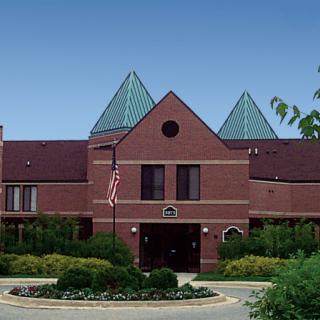
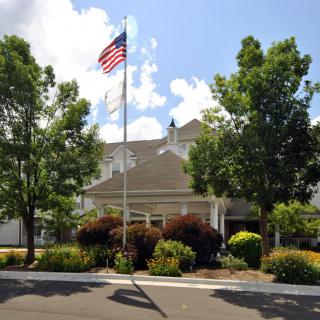
 Intimate 12-unit community with comprehensive assisted living services and on-site amenities.


 Assisted Living Expenses and Long-Term Care Insurance: A Comprehensive Exploration
 Securing Financial Support for Assisted Living: A Comprehensive Overview
 Social Security Benefits and Assisted Living: Navigating Options Across the U.S.