

930 E Mount Hope, Lansing, MI 48910
To contact a resident: (517) 908-3200
For more information about senior living options: (866) 208-4318
Overall Review of CareMinders Home Care
Pros
 It seems much more doable.
- It seems much more doable in pursuing it.
Review
CareMinders Home Care in Lansing is best suited for families seeking in-home, non-institutional support for seniors who want to preserve independence while receiving help with daily activities. This option works well for individuals who can operate with a structured plan of assistance, companionship, and light supervision within the familiarity of home. It suits those who want to avoid moving to an assisted living setting as long as the level of care remains moderate and does not require round-the-clock skilled nursing or advanced medical management. In short, this community is a practical choice for families prioritizing continuity of home life, adaptable visit schedules, and a care approach centered on daily routines rather than a campus environment.
Those considering alternatives should recognize that in-home care is not a substitute for facilities designed around 24/7 clinical oversight or specialized memory-care programming. If the situation involves complex medical needs, high and constant supervision, or the social and structured activities of an assisted living campus, a traditional facility may deliver a more comprehensive package. Families with tight budgets may also find that some facility options offer more predictable monthly costs for consistent 24/7 coverage. For seniors needing intensive nursing, group-based social programs, or the safety net of on-site medical staff, alternatives deserve careful consideration.
The review pattern for CareMinders shows a mixed signal: two 4-star assessments and one 1-star rating across three reports. That spread signals usable strengths in some visits, likely dependable companionship, task assistance, and responsiveness, paired with at least one experience that fell short of expectations. The absence of top-tier reviews suggests reliability and satisfaction can vary by caregiver and coordinator. This means families should probe explicitly into caregiver matching, continuity, and communication processes before committing, to ensure the positive elements are consistently delivered.
Key pros center on the in-home advantage: the comfort of familiar surroundings, the ability to tailor routines to personal preferences, and the potential for flexible scheduling that aligns with medical appointments or fluctuating energy levels. The reality, however, is that the strongest benefits hinge on steady caregiver availability and clear oversight from a supervising team. When those elements align, daily living tasks, errands, light housekeeping, meal support, and companionship, can be integrated smoothly into a homelike cadence, reducing disruption for the senior and easing family members’ caregiving load.
On the other side, the main cons warrant serious attention. In-home care inherently relies on rotating or changing aides unless there is strategic staffing stability, which is not guaranteed in every case. This creates potential gaps in continuity, communication bottlenecks, and delayed responses to urgent needs. Medical oversight is typically less comprehensive than in a facility, which can matter for anyone with evolving health concerns or requires regular monitoring. The review spread hints at these vulnerabilities: cheerful, capable care can be inconsistent, and that inconsistency can undermine trust if not actively managed.
The bottom-line decision hinges on what balance of independence, cost predictability, and risk is acceptable. For families determined to keep a senior at home with moderate assistance and who can invest time in carefully vetting caregivers, CareMinders offers a feasible path that preserves autonomy and familiar routines. To maximize chances of a positive outcome, demand a thorough caregiver-matching process, explicit backup coverage plans, regular supervisory check-ins, and transparent billing with clear expectations on visit lengths and scope. A trial period with measurable milestones helps separate dependable teams from the variability reflected in the mixed reviews. If the goal is comprehensive 24/7 clinical nursing, structured memory-care programming, or campus social life, alternatives should be pursued proactively.
 Capital City (5 miles away)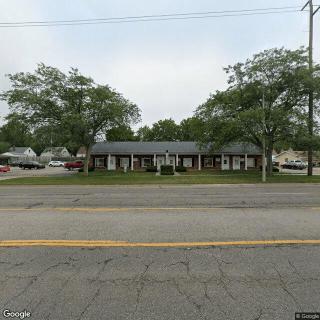


 Caregiver Exhaustion: Recognizing the Signs and Restoring Your Well-Being
 Understanding Hospice Care at Home: Comprehensive Services, Key Benefits, and Eligibility
 Understanding the Full Cost of 24/7 In-Home Care: A Detailed Overview