
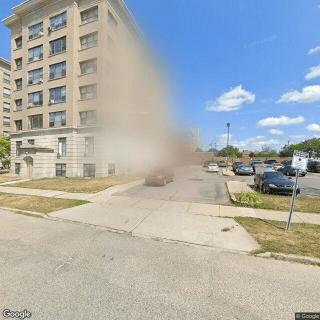
509 West Barnes Avenue, Lansing, MI 48910
For more information about senior living options: (866) 208-4318
Overall Review of His Able Hands
Pros
 They have always been very helpful.
- Dr. Que seemed very helpful and arranged an appointment for a phone discussion the following day.
- Dr. Que is an amazing human being and an amazing doctor; the office genuinely cares about the people they see.
- Dr. Que has been really helpful and genuinely cares.
- Everyone at the clinic is beyond helpful and kind, setting patients on the right path to heal and even praying with them.
- The staff at the clinic are a helpful and caring team, making patients feel valued.
Cons
 The phone number has been out of service for the last week and a half.
 - The facility is reportedly open, yet no one answers the door or the phone.
- They are never open on the days they are supposed to be open; the place is described as shady and dirty.
- There are long lines, suggesting frequent wait times.
- A routine check-up allegedly resulted in an incorrect diagnosis and a failure to call the prescription to the pharmacy, culminating in an ER visit and a potentially life-threatening situation.
- The patient says they will never be allowed to return.
- There are many sick people today, with standing room only.
Review
This community is best suited for seniors or adults who prioritize a relationship-centered care approach and are comfortable in a faith-informed setting. Dr. Que is repeatedly described as genuinely caring, with patients noting persistent outreach, personal concern, and a sense that their well-being matters beyond a single visit. For families seeking a clinician who will invest time, check in, and involve spiritual support as part of the healing process, this facility delivers a rare combination of warmth and accessibility at the human level.
Those with a need for rock-solid reliability should consider alternatives. If scheduling consistency, predictable hours, and consistently answered phone lines are non-negotiable, this clinic will frustrate. A number of reviews flag doors not opening, phones going to voicemail or being out of service, and extended wait times that feel unavoidable rather than managed. For secular environments where clinical workflow and administrative efficiency take precedence, other practices with more robust front-desk operations and clearer escalation paths are likely a better fit.
The strongest positives center on the personal connection and active patient engagement. The team is described as helpful, kind, and mission-driven, with patients recalling concrete acts of guidance and encouragement that go beyond routine medical care. When the clinical relationship is working, the care feels attentive enough to make a real difference in day-to-day health decisions, and the willingness to pray with patients is cited as meaningful by those who value that dimension. These pros can offset some dissatisfaction with scheduling quirks for individuals who prize relational care and spiritual support as part of ongoing management.
Yet the downsides carry real weight in decisions for seniors or families managing chronic conditions. The most alarming concerns involve clinical missteps and delayed communication: a misdiagnosis with a prescription not submitted to the pharmacy, followed by a weekend wait and an ER visit, and a pattern of limited access on Fridays and other days. Compounding this risk are reports of inconsistent hours, long lines, and, in at least one account, a sense that the facility is not well maintained. When medical precision, timely prescriptions, and clean, accessible facilities are priorities, these issues undermine confidence in how well day-to-day care can be coordinated.
Practical next steps for evaluating the fit are essential. Prospective families should verify current hours, confirm a reliable phone line, and request a clear plan for after-hours communication. It makes sense to visit at different times to observe how the staff handles scheduling, patient flow, and triage. Asking for a representative care plan, including who else is on the medical team and how decision-making is documented, can illuminate whether the relational strengths can coexist with more rigorous clinical oversight. A trial period might reveal whether the spiritual and compassionate aspects harmonize with the expected standard of medical reliability.
Ultimately, the recommendation centers on patient priorities. If the priority is a compassionate, pastorally supportive environment where the clinician knows the patient well and follows up consistently, this facility offers authenticity and warmth that are hard to find. If, however, the decision hinges on unwavering scheduling reliability, rapid access to care, uncontested diagnostic accuracy, and a secular, strictly clinical setting, alternatives should be on the short list. The decision should hinge on whether the family can tolerate occasional access friction in exchange for personal attention and spiritual comfort, the right balance for some, but not for all.
 6 resident community capacity
 Assisted Living
 Cable or satellite TV
 Dining room
 Fully furnished
 Garden
 Housekeeping services
 Move-in coordination
 Outdoor space
 Telephone
 Wi-Fi/high-speed internet available
 Capital City (5 miles away)
 24-hour supervision
 Activities of daily living assistance
 Assistance with bathing
 Assistance with dressing
 Assistance with transfers
 Diabetes diet
 Meal preparation and service
 Medication management
 Special dietary restrictions
 Transportation arrangement (medical)
 Transportation to doctors appointments


 When to Transition from Assisted Living to Memory Care: Key Indicators, Steps, and Finding the Right Community
 Assisted Living and Memory Care: Understanding Their Core Differences
 Beyond the Bingo Hall: 50+ Enriching Activities for Seniors in Assisted Living