
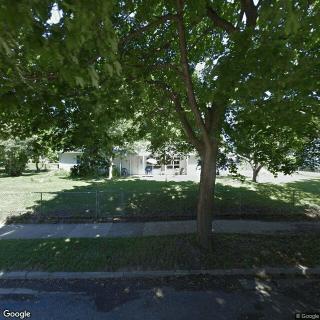
204 West Greenlawn, Lansing, MI 48910
For more information about senior living options: (866) 208-4318
Overall Review of Gracious Adult Foster Care
Pros
 The owner is a registered nurse who goes above and beyond to answer medical questions at home.
- The owner demonstrates exceptional willingness to assist with medical questions.
- The reviewer is very pleased.
Review
Gracious Adult Foster Care in Lansing, MI is best suited for families seeking a small, home-like care setting where medical oversight is immediately accessible. The pivotal advantage is the owner’s background as a registered nurse, which translates into direct, in-home medical guidance and a readiness to address questions beyond routine caregiving. This arrangement suits seniors who value hands-on medical responsiveness stitched into daily life, rather than a detached, institutional feel. For families who want transparency, warmth, and the reassurance that a clinician is always within reach, this community stands out as a practical, reliability-forward option.
Those evaluating options should also consider who might want alternatives. A larger assisted living community with extensive programming, scheduled activities, and more formalized memory care services could be a better fit for residents who crave a broad social calendar, specialized dementia care, or a facility with abundant staff coverage around the clock. If the primary need is a wide array of amenities, robust structured programming, or a distinct memory care unit, Gracious Adult Foster Care may not check every box. In short, it excels in intimate, personalized care but may lag behind bigger homes in breadth of non-medical services.
The strongest pro is unmistakably the medical latitude offered by the nurse-owner. The capacity to answer medical questions in the home and to provide above-and-beyond clinical guidance creates a sense of security that is hard to match in larger settings. Families can expect a caregiving environment where medical concerns feel manageable rather than daunting, and where daily routines can be adjusted with a clinician’s insight. This level of in-house medical stewardship can translate into fewer trips to external clinics and more timely adjustments to care plans, which is a meaningful safeguard for residents with ongoing health considerations.
Because the model leans toward a small, in-home approach, there are natural trade-offs. The reviews illuminate a strong sense of satisfaction with medical attentiveness, but they do not detail a broad slate of activities, staff depth, or specialized programming. Prospective residents should anticipate a quieter, more intimate schedule than what larger facilities may offer. There may be fewer on-site amenities, fewer diverse activities, and less visible on-paper support for complex needs that require a large team. In short, the charm of a home setting comes with a corresponding limit on scale and variety.
Still, the favorable emphasis on medical accessibility can offset these potential limitations for the right resident. For families prioritizing trust, rapid medical dialogue, and a setting that feels like a caregiver’s extended family, the in-home nurse presence reduces uncertainty and builds confidence. The smaller footprint also fosters closer relationships with caregivers and care planning that can adapt quickly to changing conditions, which is a tangible advantage when a resident’s health status fluctuates. In this light, many concerns about limited programming or staffing are mitigated by the direct, personal medical connection and the comfort of a home environment.
Ultimately, this community is a practical match for seniors who want intimate, physician-accessible care within a warm, homelike setting, and for families that value proactive medical dialogue integrated into daily life. It is less compelling for those who require a broad menu of activities, extensive social programming, or specialized memory-care infrastructure. The recommended next steps are clear: arrange a visit, observe how the RN-owner engages with residents, inquire about night coverage and emergency readiness, and probe what medical equipment and services are readily available. With those checkpoints, the decision will reveal whether Gracious Adult Foster Care aligns with the resident’s medical needs, care preferences, and family expectations.
 6 resident community capacity
 Assisted Living
 Cable or satellite TV
 Dining room
 Fully furnished
 Garden
 Housekeeping services
 Move-in coordination
 Outdoor space
 Telephone
 Wi-Fi/high-speed internet available
 Capital City (5 miles away)
 24-hour supervision
 Activities of daily living assistance
 Assistance with bathing
 Assistance with dressing
 Assistance with transfers
 Diabetes diet
 Meal preparation and service
 Medication management
 Special dietary restrictions
 Transportation arrangement (medical)
 Transportation to doctors appointments


 Assisted Living Support for Veterans: A Complete and Detailed Overview
 Exploring the Contrasts Between Assisted Living and Skilled Nursing
 8 Key Indicators That Suggest It May Be Time to Transition from Assisted Living to Skilled Nursing Care