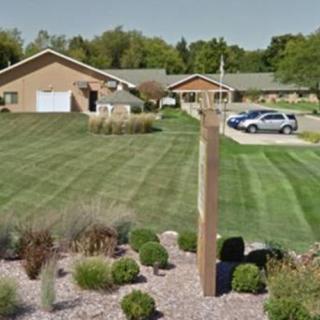
Dining is a frequent highlight, with residents citing the café experience and accommodating dietary needs.
Several reviews praise the community’s food, including meals in the dining room and service in the café. Residents also describe that the kitchen can work with changing dietary needs, including finding options they like. One reviewer notes the day-to-day food can be disappointing compared with special occasions, but even then the dining room atmosphere and service get credit in the reviews.
differentiator7 reviews mention this
Care levels transition within community
Residents describe smooth movement between care levels without leaving the community.
Multiple families describe a path that starts with rehab and later moves into assisted living and independent living, all within the same campus. Others mention care evolving over time, including periods in skilled nursing or special care, with the support continuing as needs changed. One reviewer also specifically values the ability to transition to other care levels in the same place, which reduced stress about future steps.
caveat2 reviews mention this
Emergency response concerns and alert use
Some reviews raise questions about how quickly residents can get help in an emergency.
One resident’s family member says an emergency alert button was answered quickly after pressing it. Another reviewer is concerned that residents may not have an emergency call button available around the clock, which they say could delay help if someone falls. The contrast suggests experiences vary depending on the situation and/or level of care described.
caveat3 reviews mention this
Pricing is viewed as mixed value
Reviews reflect a mixed view of value for what residents pay.
At least a couple of reviewers describe the community as good value, including calling it competitively priced or a good investment. In contrast, one critical review argues residents do not receive adequate care for the cost they pay. Taken together, the reviews point to value feeling strong for some families and not strong enough for others.
caveat3 reviews mention this
Residents mention coverage breakdowns
Some residents and families describe serious gaps in daily care.
A critical review says a family member did not receive showers over more than a week, which the reviewer connects to infections and sores. Another negative review raises multiple care-related concerns, including pest issues and safety and medical decisions. A third review agrees with the overall theme of breakdowns by describing both emergency-call worries and problems with daily service quality like food consistency and telecom reliability.
How we summarize
Counts show how many written reviews mention each theme; a review can touch several themes, and only frequently mentioned themes are displayed.
Features
Housing
83 resident community capacity
Types of Care
Assisted Living
Amenities
Air-conditioning
Beauty salon
Cable or satellite TV
Computer center
Dining room
Fitness room
Fully furnished
Gaming room
Garden
Housekeeping services
Kitchenette
Move-in coordination
Outdoor space
Private bathrooms
Restaurant-style dining
Small library
Telephone
Wellness center
Wi-Fi/high-speed internet available
Transportation
Kalamazoo County (7 miles away)
Community operated transportation
Transportation arrangement
Transportation arrangement (non-medical)
Transportation to doctors appointments
Care Services
12-16 hour nursing
24-hour call system
24-hour supervision
Activities of daily living assistance
Assistance with bathing
Assistance with dressing
Assistance with transfers
Diabetes diet
Meal preparation and service
Medication management
Mental wellness program
Special dietary restrictions
Dining
Diabetes diet
Special dietary restrictions
Activities
Community-sponsored activities
Concierge services
Fitness programs
Planned day trips
Resident-run activities
Scheduled daily activities
Nearby Places of Interest
Places of Worship
Church of Jesus Christ of Latter Day Saints (0.2 miles)
Choosing between assisted living and nursing homes involves evaluating emotional and financial factors, with assisted living offering independence and support for daily activities at a lower cost, while nursing homes provide intensive medical care for individuals with significant health needs. The decision is influenced by personal preferences, health status, cognitive function, and varying Medicaid coverage across states.
Assisted living in 2025 offers a crucial balance of independence and support for seniors, with costs varying from $2,500 to over $7,000 per month based on factors such as location and care level. Understanding pricing complexities, including regional differences and potential hidden fees, is essential for families to plan financially while ensuring quality care for their loved ones.
The guide outlines the complexities of Medicaid coverage for assisted living, highlighting significant state-to-state variations, limited coverage often restricted to personal care services, and the existence of specialized waivers for certain needs like memory care. It advises families to consult local Medicaid offices for options while emphasizing the importance of understanding state-specific regulations and facility policies.
Get PricingAsk A QuestionSchedule A TourContact Senior Advisor
By clicking submit, you agree to our Partner's Terms of Use. You
also consent to receive calls and texts, which may be autodialed, from our Partner. Your consent is not a condition to
using our Partner's service. Please visit our Partner's Privacy Policy for information about their privacy practices.

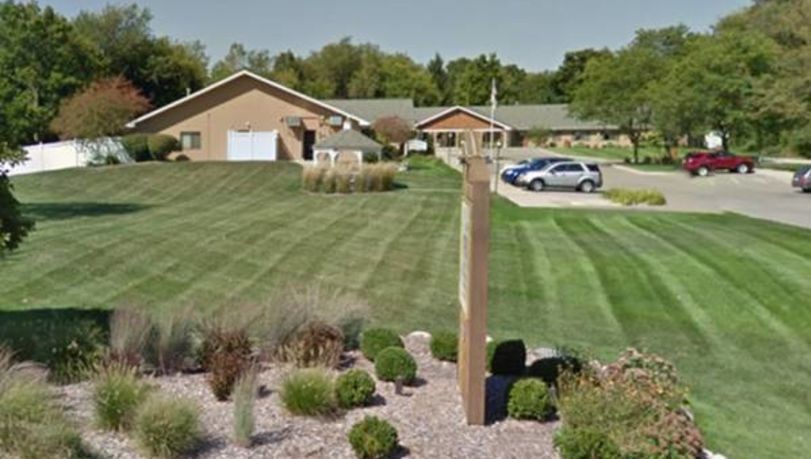

 83 resident community capacity
 Assisted Living
 Air-conditioning
 Beauty salon
 Cable or satellite TV
 Computer center
 Dining room
 Fitness room
 Fully furnished
 Gaming room
 Garden
 Housekeeping services
 Kitchenette
 Move-in coordination
 Outdoor space
 Private bathrooms
 Restaurant-style dining
 Small library
 Telephone
 Wellness center
 Wi-Fi/high-speed internet available
 Kalamazoo County (7 miles away)
 Community operated transportation
 12-16 hour nursing
 24-hour call system
 Activities of daily living assistance
 Assistance with bathing
 Assistance with dressing
 Assistance with transfers
 Diabetes diet
 Medication management
 Mental wellness program
 Special dietary restrictions
 Concierge services
 Planned day trips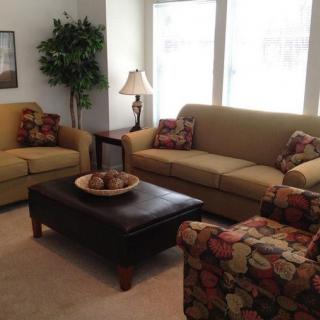

 Beautiful, well-maintained facility with diverse care options, engaging activities, and attentive staff.

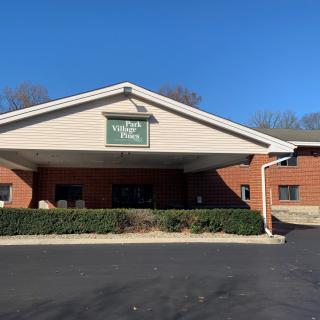

 Choosing the Right Senior Care: A Detailed Exploration of Assisted Living and Nursing Homes
 Understanding the True Cost of Assisted Living in 2025: A Comprehensive Guide
 Understanding Medicaid Coverage for Assisted Living: A Comprehensive Guide