
2208 East Cork Street, Kalamazoo, MI 49001
For more information about senior living options: (866) 208-4318
Overall Review of Wisner House
Pros
 It is a great place to live.
- The owners and staff have a caring, loving atmosphere.
- It feels wonderful here.
- Tender Living Home provides a higher level of care for the aged and a beautiful home-like environment to live in.
- Tender Living Home is highly recommended for anyone considering residential assisted living for a loved one.
Cons
 None found.
Review
Wisner House in Kalamazoo is best suited for seniors who prize a small, intimate, home-like environment where staff know residents well and care deeply about daily quality of life. This community is a strong fit for those who want a warm, family-style atmosphere and ongoing personal attention rather than a large institutional feel. It works especially well for residents who respond positively to stable relationships with owners and caregivers, and who do not demand an expansive campus with a dense calendar of activities. In short, Wisner House is ideal for someone who values comfort, warmth, and individualized care over scale and program variety.
Those weighing alternatives should consider options that deliver more extensive medical infrastructure, larger social ecosystems, or highly specialized programming. If a resident requires aggressive medical oversight, frequent on-site clinician presence, or a broad range of therapies and amenities, a bigger assisted living campus or a specialized memory care setting may be a better match. Families seeking robust, structured activity schedules, extensive on-site rehab services, or highly regimented clinical care should test those capabilities directly. Wisner House’s homey, AFC-style model can feel less “hospital-like” and more personal, which is superb for many, but not every care scenario.
The strongest pros at Wisner House flow directly from its small, caring culture. Reviewers consistently highlighted the owners and staff as a standout asset, delivering a caring, loving atmosphere that feels more like a well-loved home than an institution. That human warmth translates into reliable routines, quick responsiveness, and a sense of safety that many families fear they might lose in larger facilities. The licensed AFC framework underpinning the operation ensures that baseline standards are met and that care is regulated, predictable, and aligned with aging-in-place expectations. Taken together, these factors create a powerful offset to the absence of a sprawling campus: residents gain genuine connection, dignity in daily life, and a peaceful environment that can ease transitions and daily stress.
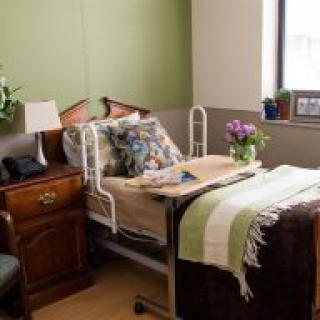
Another clear advantage is the home-like environment itself. In a setting designed to feel less clinical, residents often experience less agitation and more comfort, an important consideration for memory-safe living, routine-dependent seniors, or those who simply value the feel of a private home with familiar faces. The qualitative impressions in the reviews, positive experiences, evident appreciation for staff, and a sense that life there is “wonderful” and satisfying, suggest that Wisner House can deliver meaningful improvements in mood, morale, and day-to-day happiness. For families, that translates into fewer caregiving anxieties and a more confident sense of overall well-being as a loved one settles into a rhythm that fits their personality and needs.
However, the limited size and scope carry plausible trade-offs that families should acknowledge. The most common caveat with intimate AFC settings is that the breadth of on-site clinical resources and specialty programming is naturally more constrained than on larger campuses. Residents may rely more on external providers for certain therapies, and staff coverage, while consistent, can fluctuate with the schedule on any given day. Prospective families should verify specifics such as 24/7 coverage norms, access to on-site medical professionals, and how care plans incorporate variations in acuity. These are not red flags but important questions to ensure alignment with long-term care goals.
Ultimately, Wisner House represents a compelling fit for households prioritizing heart over size. It earns its high marks through authentic care, a loving, stable team, and a genuinely homey atmosphere that makes daily life feel calmer and more meaningful. For families facing the decision, a clear path emerges: if the priority is a trusted, person-centered living experience where staff become extended family and care feels personal, Wisner House delivers in spades. If, instead, the resident’s needs demand broad clinical services, expansive social programming, or highly specialized therapy, exploring larger or more medically equipped options is prudent. A visit should be scheduled to observe staff interactions, ask direct questions about care levels, and verify that the resident’s anticipated routine will align with expectations and goals.
 12 resident community capacity
 Assisted Living
 Cable or satellite TV
 Dining room
 Fully furnished
 Garden
 Housekeeping services
 Move-in coordination
 Outdoor space
 Telephone
 Wi-Fi/high-speed internet available
 Kalamazoo County (2 miles away)
 24-hour supervision
 Activities of daily living assistance
 Assistance with bathing
 Assistance with dressing
 Assistance with transfers
 Diabetes diet
 Meal preparation and service
 Medication management
 Special dietary restrictions
 Transportation arrangement (medical)
 Transportation to doctors appointments

 Medicare Coverage for Assisted Living: An In-Depth Exploration
 Choosing the Right Senior Care: A Detailed Exploration of Assisted Living and Nursing Homes
 Understanding the True Cost of Assisted Living in 2025: A Comprehensive Guide