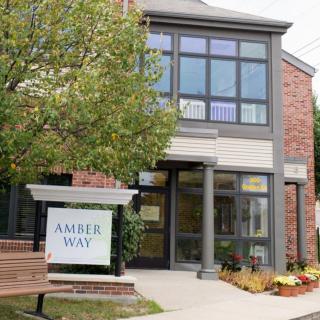
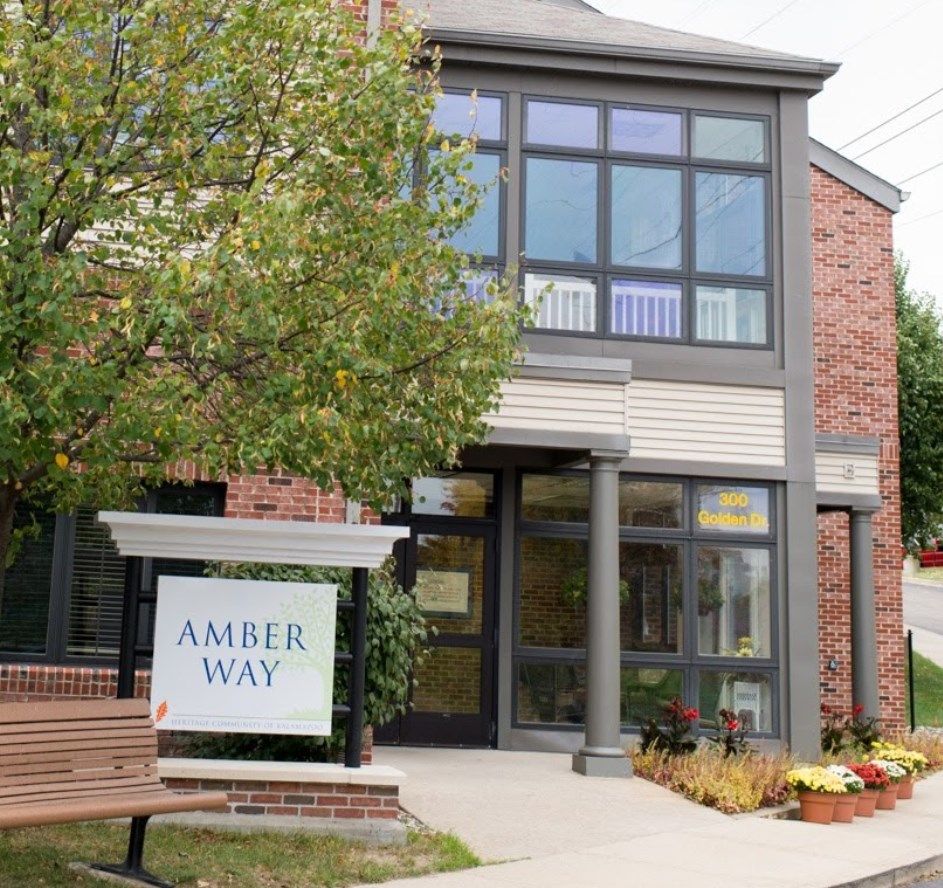
300 Golden Drive, Kalamazoo, MI 49001
For more information about senior living options: (866) 208-4318
Overall Review of Amber Way
Pros
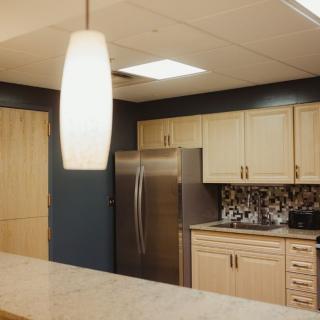
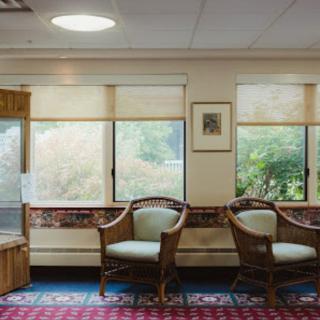
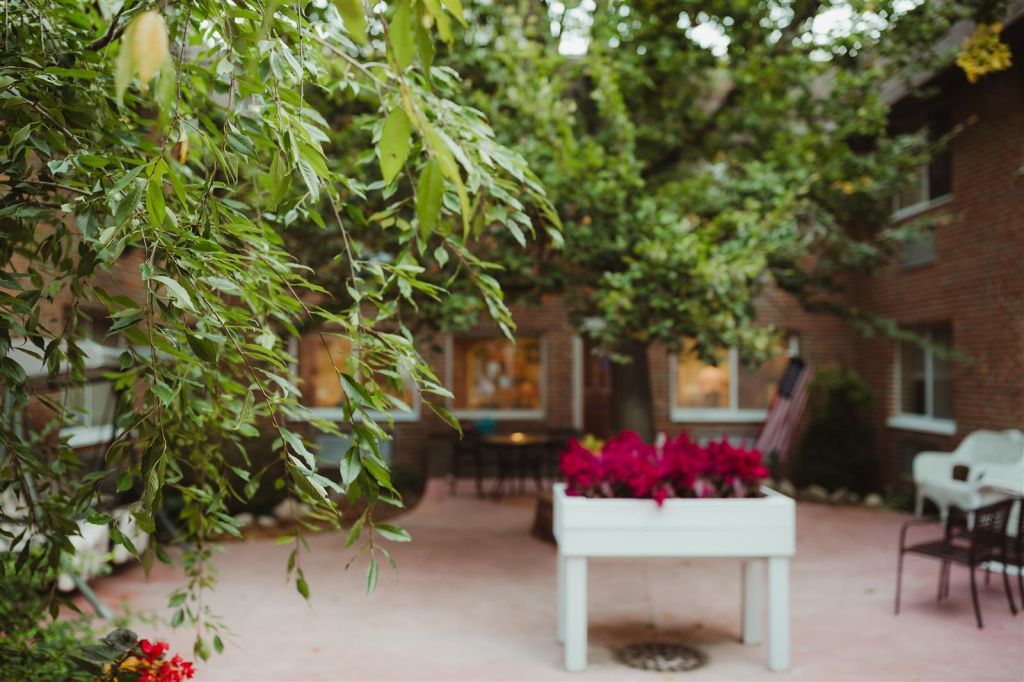
 The facility was kept pretty clean.
- The staff seemed okay.
Cons
 There was a waiting list for admission to the rehab center.
- There was a long wait for alarms to be answered when a resident needed help, which was concerning for a fall-risk resident.
- The longest alarm reportedly went off for about seven minutes.
Review
Amber Way in Kalamazoo is best suited for seniors and families who value a clean, orderly environment and can tolerate variability in rehab placement timing and emergency-response speed. The community presents a tidy, calm setting that supports routine and privacy, which matters for residents seeking predictable daily life. It is a solid fit for those not requiring immediate admission to rehabilitative care, and for families who can accept that rehab slots may be limited and that call-answer times are not guaranteed to be instantaneous. In short, Amber Way serves residents who want dependable housekeeping, steady staffing, and a quiet atmosphere with reasonable expectations about services.
Evidence of overall satisfaction appears in the ratings, two five-star voices among three reviews, suggesting several visitors found the experience favorable. The staff, while not described as exceptional, comes across as competent and approachable in the moments captured by tour impressions. Cleanliness stands out as a consistent positive, with the facility maintaining order and hygiene that support comfort and dignity. Taken together, these markers point to a dependable baseline of operation, where residents can feel comfortable in their surroundings and rely on routine care to a degree.
Yet significant red flags temper the appeal. The rehab wait list introduces a real timing risk for families with a loved one who needs rehab services soon. More consequential is the alarm-response dynamic: reports of long waits for assistance, including a seven-minute gap before help arrived, highlight a potential safety liability for fall-prone residents. While the environment and daily operations may be solid, the ability to receive timely help when needed becomes a decisive factor for those with mobility limitations or high fall risk.
These drawbacks do not erase Amber Way's practical strengths. A clean, orderly setting reduces daily stress and supports well-being, and competent staff can deliver reliable routine care, medication administration, and activity scheduling. For residents with moderate needs and families who can supplement monitoring or create contingency plans, the facility can function effectively. However, the safety gap in alarm responsiveness shifts the calculus away from placement in which rapid assistance is critical. In such cases, the overall value hinges on how much weight is given to a serene environment versus immediate accessibility to help.
For families assessing alternatives, options with quicker rehab admissions and faster alarm responses should be prioritized when fall risk or urgent post-acute needs are central. Look for facilities with higher staffing levels, robust call systems, and transparent performance metrics on response times. If these elements are non-negotiable, Amber Way may not be the best fit. On the other hand, families prioritizing a calm, clean living space and steady routine, especially when the post-acute timeline allows for some flexibility, may find Amber Way satisfies those non-urgent care goals.
In the next steps, schedules and questions should focus on current rehab wait times, typical alarm-response times during day and night shifts, and how calls are triaged. Request visits to observe the call system in action, review incident logs, and speak with current residents or families about their experiences with safety and responsiveness. Clarify staffing ratios, turnover, and how management handles escalations. When these factors align with the family’s risk tolerance and care goals, Amber Way can be a sound choice for a settled, clean, and reliable environment, but only if the projected pace of rehab access and emergency responsiveness match the resident’s needs.
 22 resident community capacity
 Assisted Living
 Independent Living
 Memory Care
 Skilled Nursing Facility
 Activities on-site
 Beauty salon
 Cable or satellite TV
 Devotional services off-site
 Dining room
 Fully furnished
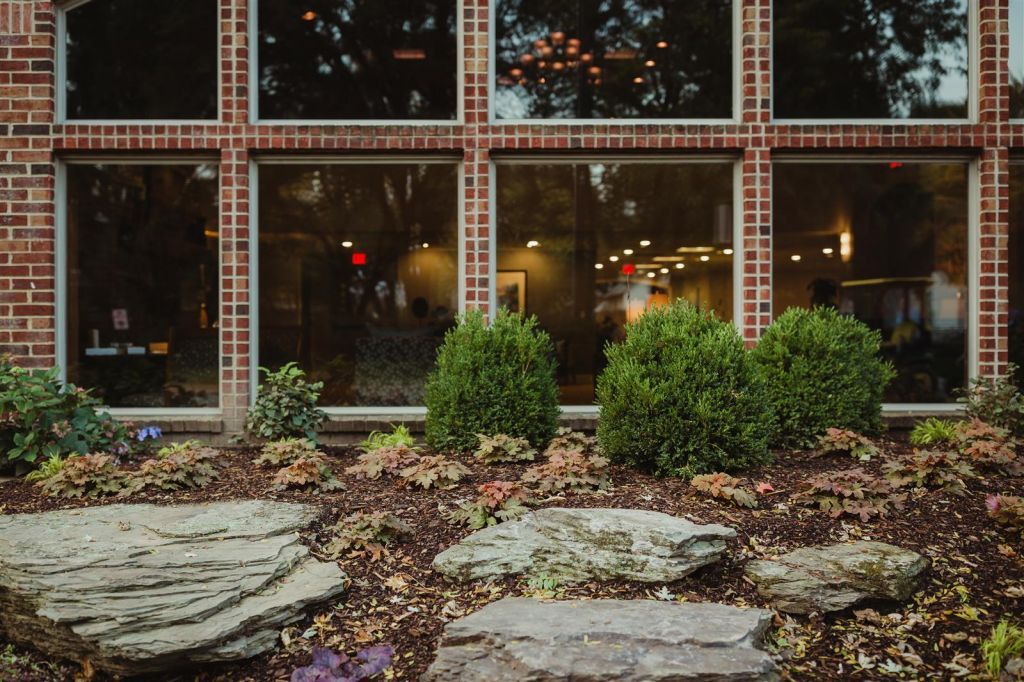
 Garden
 Housekeeping services
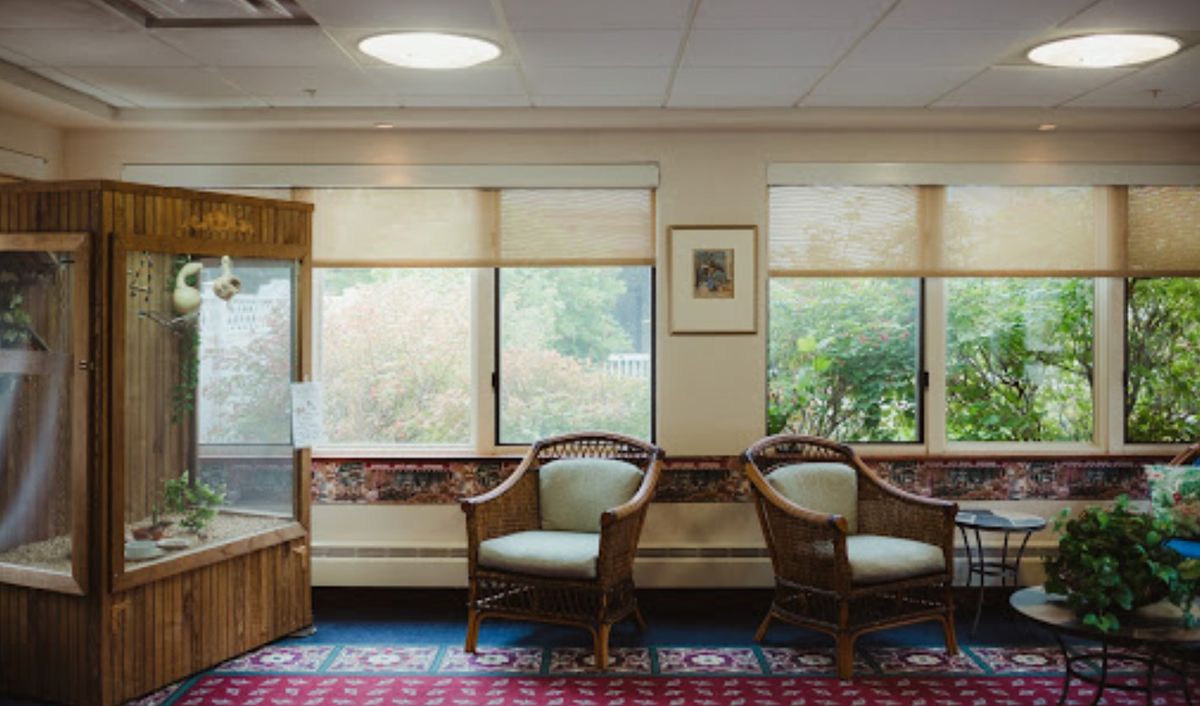
 Indoor common areas
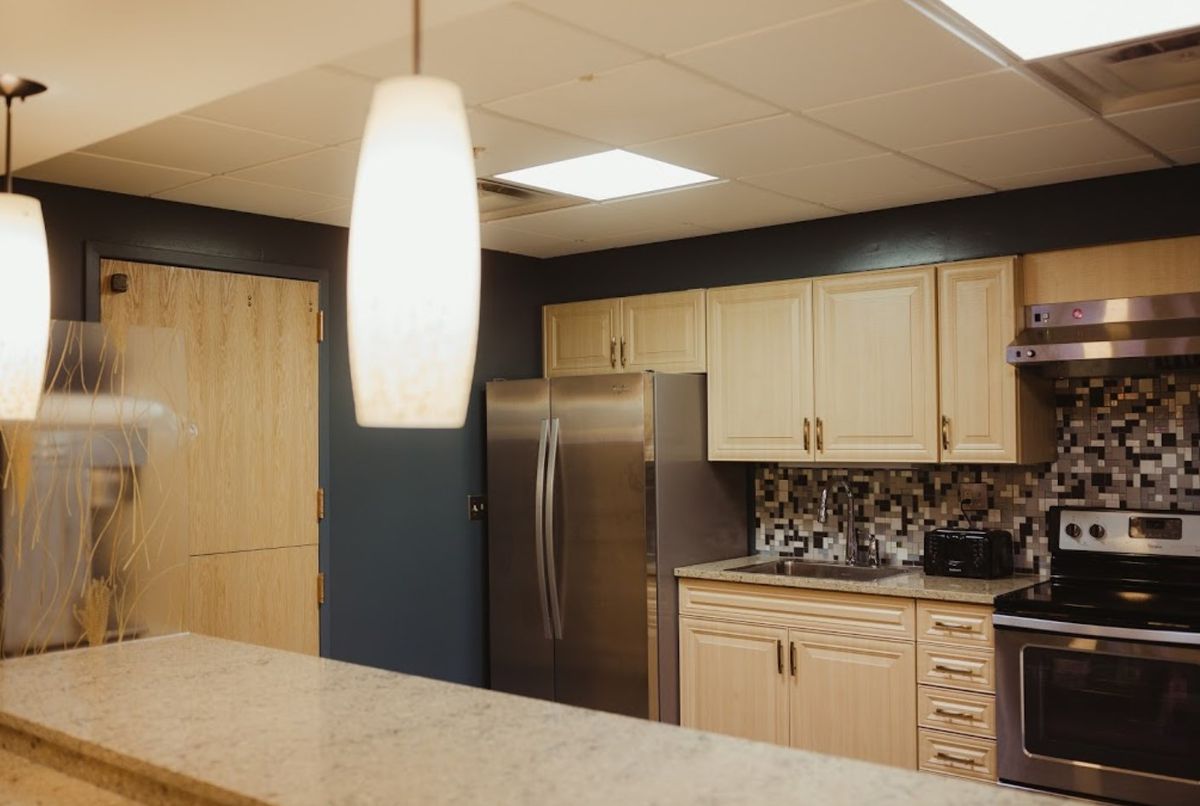
 Kitchenette
 Move-in coordination
 Outdoor space
 Restaurant-style dining
 Small library
 Telephone
 Wi-Fi/high-speed internet available
 Kalamazoo County (2 miles away)
 24-hour call system
 Ambulatory care
 Assistance with bathing
 Assistance with dressing
 Assistance with transfers
 Diabetes diet
 Diabetic care
 High acuity care
 Medication management
 Mental wellness program
 Special dietary restrictions

 Delving into the Inner World of Dementia: Insights into Thoughts and Awareness
 Five Subtle Dementia Indicators to Observe: An In-Depth Guide to Understanding “Does My Mom Have Dementia?”
 Dementia, Paranoia, and Caregiver Guidance: Understanding the Connection