
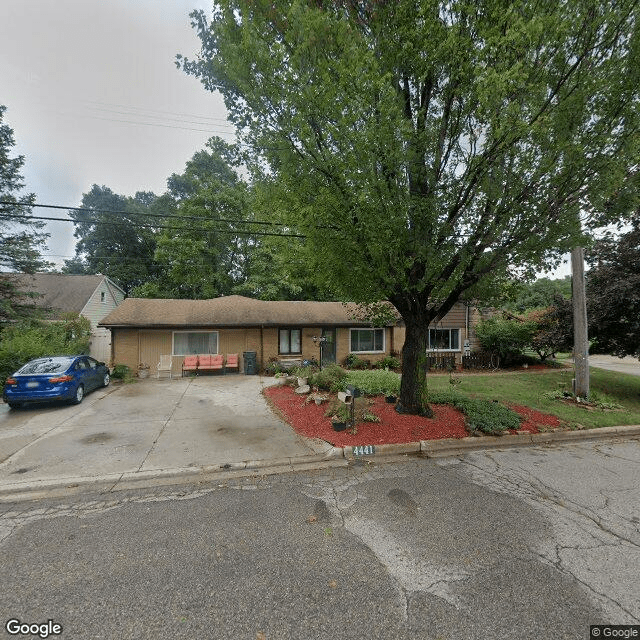
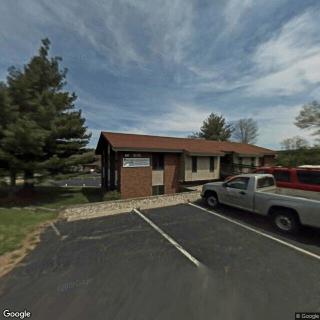
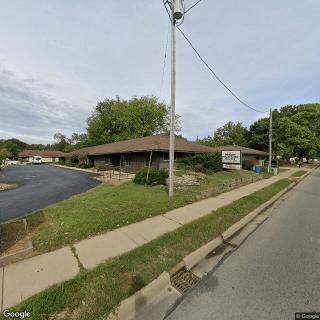
4441 Old Colony Road, Kalamazoo, MI 49008
For more information about senior living options: (866) 208-4318
Amazing Grace Home Costs & Pricing
Amazing Grace Home offers competitive pricing for its residential care services, reflecting the value of personalized support and a nurturing environment. For a semi-private room, residents can expect a monthly cost of $3,500, which is slightly higher than the average rate in Kalamazoo County at $3,435 and notably above the state average of $3,191. Similarly, for those seeking more privacy in a private room setting, Amazing Grace Home's fee of $4,500 surpasses both the county's average of $3,859 and Michigan's overall average of $3,675. This pricing structure suggests that while Amazing Grace Home may be on the higher end compared to local and state figures, it likely reflects an enhanced quality of care and amenities provided to its residents.
| Floor plans | Amazing Grace Home | Kalamazoo County | Michigan |
|---|---|---|---|
| Semi-Private | $3,500 | $3,435 | $3,189 |
| Private | $4,500 | $3,859 | $3,674 |
Memory care communities with a similar price nearby
-
About the same

StoryPoint Portage
$3,600 to $5,161 / month2.1 miles away -
from +$500 / mo
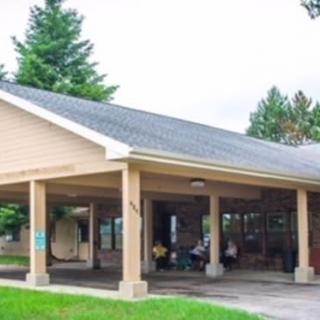
Stanford Lodge
$4,000 / month14.2 miles away -
from +$300 / mo
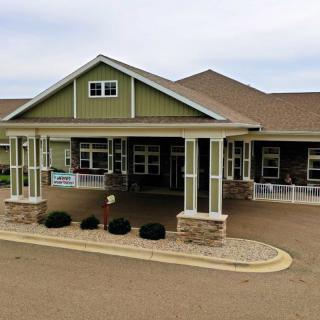
Vicinia Gardens of Otsego
$3,800 to $4,200 / month16.5 miles away -
from -$154 / mo
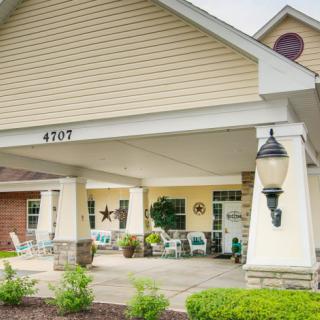
Bickford of Portage
$3,346 to $4,410 / month2.6 miles away -
from -$655 / mo

The Fountains At Bronson Place
$2,845 to $4,995 / month5.0 miles away
Overall Review of Amazing Grace Home
Pros
 Sis. Moore is very compassionate and caring with her residents.
- The staff are friendly and kind, and appear very caring toward residents.
- The resident expressed her appreciation for the family atmosphere compared with other places she had spent time at.
- The staff prepared good, healthy, and tasty meals.
- They kept the resident clean and well cared for.
Review
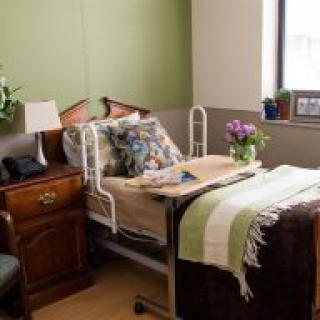
Amazing Grace Home in Kalamazoo, Michigan, is best suited for seniors who prize a warm, family-like atmosphere and close, attentive daily care delivered in a smaller, homey setting. This community stands out for residents who want a sense of belonging, where staff form genuine connections, routines feel predictable, and daily life centers on comfort rather than formality. Families seeking reassurance that their loved one will be treated with kindness, respect, and consistency will find that promise repeatedly reflected in the anecdotes from caregivers and relatives alike.
That intimacy, however, may not check every box for every senior. Those with more complex medical needs, memory-care requirements, or a desire for a wide menu of on-site amenities and structured programming should evaluate alternatives. A larger community or a facility with dedicated nursing oversight might be a better fit for residents who require frequent medical attention, specialized dementia care, or robust activity calendars with extensive options. The question is whether the heart of the home-style environment can be sustained as needs evolve.
From the available input, the strongest selling point is the caregiving voice of the team. Sis. Moore is described as especially compassionate and caring with residents, a sentiment echoed by family members who say the staff come across as friendly, patient, and genuinely invested in each person’s well-being. That personal warmth translates into practical daily benefits: residents receive attentive assistance with routine tasks, supervision that feels steady rather than episodic, and meals that are both healthy and tasty. Cleanliness and consistent care multiply the sense of safety and dignity in daily routines, reinforcing trust for families during planning and handoffs.
In a small, home-like setting, those advantages carry notable weight. A family atmosphere reduces the cognitive load for families worried about transitions, and residents often respond with greater cooperation and engagement because they feel known and valued. The favorable balance of compassionate staff, dependable meals, and clean living spaces helps offset potential drawbacks that come with a smaller campus, fewer options, less formal programming, and possible limits on how quickly services scale as needs change. The reviews suggest that when a resident is at risk of isolation or distress, the environment and the staff response mitigate those risks effectively.
Still, the absence of explicit cons in the reviews does not eliminate the need for careful due diligence. Pros offset possible constraints only if the resident’s needs stay within the scope of what a small home-like operation can reliably provide. Prospective families should verify practical details: exact staff-to-resident ratios, 24/7 nursing or on-call medical oversight, capabilities for memory care, availability of medical transport, and how dietary accommodations are handled for allergies or special diets. A site visit focused on daily routines, meal service, hygiene standards, and the warmth of interactions with front-line staff will reveal whether the reality matches the impressions.
Overall, Amazing Grace Home represents a compelling choice for families who value warmth, consistency, and a strong sense of community for a loved one who thrives in a less institutional setting. The documented strengths, compassionate leadership, friendly staff, a family atmosphere, nourishing meals, and clean facilities, form a solid foundation for steady daily life. For seniors whose needs lean toward intensive medical oversight, complex dementia care, or an expansive activity program, it is prudent to widen the search and compare options. When the priority is dignity, belonging, and everyday kindness delivered with reliability, Amazing Grace Home should be on the shortlist.
 6 resident community capacity
 Assisted Living
 Board and Care Home
 Memory Care
 Activities on-site
 Bath tubs
 Cable or satellite TV
 Dining room
 Fully furnished
 Garden
 Housekeeping services
 Indoor common areas
 Move-in coordination
 Outdoor common areas
 Private
 Respite or short term stays offered
 Telephone
 Wi-Fi/high-speed internet available
 Kalamazoo County (3 miles away)
 24-hour supervision
 Ambulatory care
 Assistance with bathing
 Assistance with dressing
 Assistance with transfers
 Diabetes diet
 Diabetic care
 High acuity care
 Hospice waiver
 Incontinence care
 Meal preparation and service
 Medication management
 Mental wellness program
 Special dietary restrictions
 Transportation arrangement (medical)
 Transportation to doctors appointments


 8 Key Indicators That Suggest It May Be Time to Transition from Assisted Living to Skilled Nursing Care
 Nourishing the Mind: Essential Dietary Approaches for Dementia
 Understanding Dementia Behaviors: Practical Insights and Strategies for Caregivers