
1223 Cobblestone Lane, Portage, MI 49024
For more information about senior living options: (866) 208-4318
Overall Review of RoseDiri Care Facility
Pros
 They were helpful with roach traps.
- They made a call to the landlord.
- Their help was appreciated.
Cons
 Some workers are lazy.
- They judge residents for Trump signs in their homes.
Review
RoseDiri Care Facility in Portage, MI appears best suited for seniors who want a straightforward, budget-conscious assisted-living option and can tolerate uneven staff performance in a smaller, less formal setting. The impression from a single experience suggests a place where basic tasks get done when prompted, but where reliability and tone from some staff members can significantly affect daily life. Residents who value a modest environment over a polished, highly proactive care culture may feel the fit is acceptable, especially if independent living with occasional assistance is the goal and pest concerns can be managed through direct requests rather than through a consistently proactive program. In short, this is a practical choice for those who prioritize location and cost, and who can endure fluctuations in staff attentiveness without it eroding overall safety or comfort.
Those considering alternatives should focus on needs around consistent staffing, respectful interactions, and anticipatory care. If reliability, timely response to requests, and a culture of nonjudgmental support are nonnegotiable, it’s wise to explore other communities that emphasize higher staff-to-resident ratios, formal customer-service standards, and a track record of proactive problem-solving. Families with residents who require more hands-on medical oversight, daily assistance with activities of daily living, or who want a stronger emphasis on creating a warm, inclusive environment should compare RoseDiri with facilities that demonstrate sustained, above-average consistency in care and communication. In short, for households seeking a more predictable care experience, alternatives may provide more alignment with expectations and peace of mind.
The single review highlights a mixed set of practical pros and notable cons. On the upside, staff did engage with a concrete need, help with roach traps and a landlord call, which indicates a capacity to act on problems when they arise. That responsiveness can translate into meaningful, tangible relief for residents facing pest nuisances or simple logistical snags. However, the major downside centers on perceived inconsistencies in staff performance and attitude: some workers described as lazy, and a culture that felt judgmental toward personal beliefs represented by political signs. Those dynamics matter deeply, because they shape trust, daily comfort, and the willingness to ask for help when needs suddenly change. The negative signals here can undermine safety nets that families rely on in a setting that is supposed to provide steady assistance.
Those reliability concerns have real implications for daily life. If staff are inconsistent, residents may experience delays in routine tasks, missed reminders, or gaps in monitoring that matter for safety and well-being. The perception that some staff judge residents over personal expressions can erode a sense of dignity and belonging, which is critical in long-term living arrangements. Pest issues, even when addressed, may reflect broader housekeeping and environmental management practices; a one-off fix in response to roach traps is not enough to gauge ongoing pest-control effectiveness. Taken together, these factors tilt the balance away from this community for families prioritizing steady, compassionate engagement and a culture of consistent accountability.
To evaluate RoseDiri effectively, families should pursue a focused vetting process. Arrange a guided tour and observe how staff interact with residents, noting response times to questions and the tone used in everyday exchanges. Ask direct questions about staff coverage, turnover, and whether there is a formal complaint-resolution pathway that protects residents’ rights and dignity. Inquire about pest-control history and ongoing maintenance plans to determine whether the environment is actively managed or merely patched as issues surface. Request a trial period or short-term placement to assess fit without long-term commitment. Finally, clarify how personal beliefs and expressions are treated within the community to ensure a respectful, inclusive atmosphere aligns with the resident’s values.
In the end, RoseDiri Care Facility presents a pragmatic option for families seeking an affordable Portage address with basic assisted-living support, tempered by clear caveats about staff consistency and the perceived culture. It works best for residents who can tolerate variability in care quality, who do not require intensive medical oversight, and who are comfortable pressing for help when needed. For those who place a premium on reliable, proactively delivered care and a consistently respectful environment, alternatives with stronger staffing discipline and a more unequivocal commitment to resident-centered culture are worth pursuing. The decision rests on whether the need for cost-effective, straightforward support outweighs the potential disruption of uneven staffing and sporadic reputational concerns. Families should act on this by comparing multiple options side by side and prioritizing those elements that most directly affect safety, dignity, and daily peace of mind.
 6 resident community capacity
 Assisted Living
 Cable or satellite TV
 Dining room
 Fully furnished
 Garden
 Housekeeping services
 Move-in coordination
 Outdoor space
 Telephone
 Wi-Fi/high-speed internet available
 Kalamazoo County (3 miles away)
 24-hour supervision
 Activities of daily living assistance
 Assistance with bathing
 Assistance with dressing
 Assistance with transfers
 Diabetes diet
 Meal preparation and service
 Medication management
 Special dietary restrictions
 Transportation arrangement (medical)
 Transportation to doctors appointments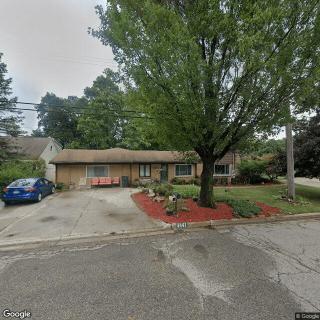




 When to Transition from Assisted Living to Memory Care: Key Indicators, Steps, and Finding the Right Community
 Assisted Living and Memory Care: Understanding Their Core Differences
 Beyond the Bingo Hall: 50+ Enriching Activities for Seniors in Assisted Living