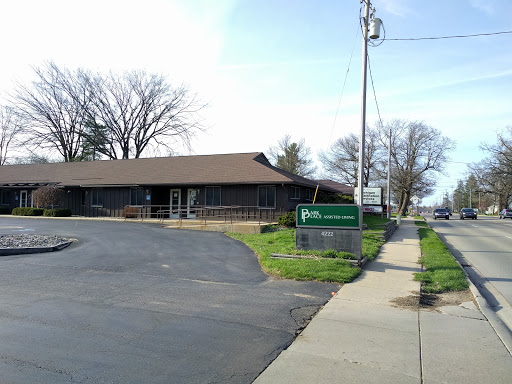
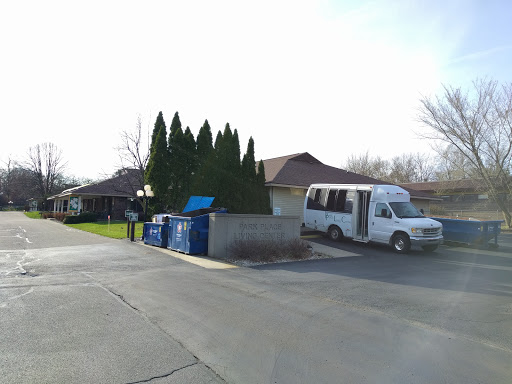
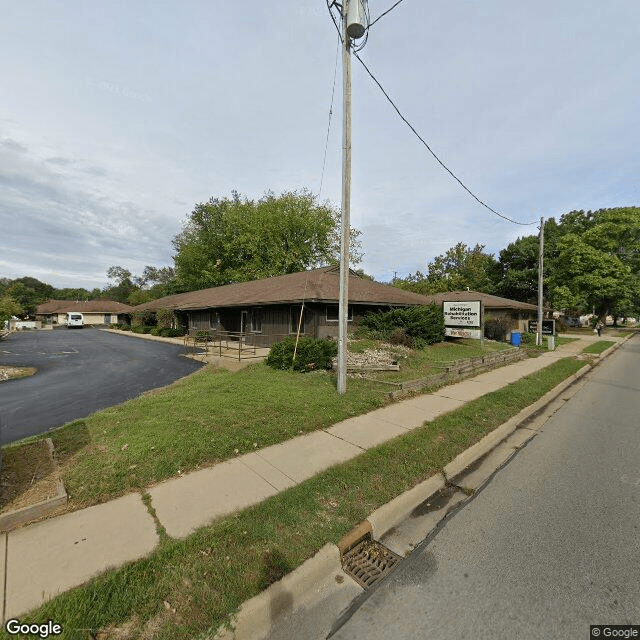
4214 S Westnedge Ave, Kalamazoo, MI 49008
To contact a resident: (269) 388-7303
For more information about senior living options: (866) 208-4318
Park Place Assisted Living Costs & Pricing
Park Place Assisted Living offers competitive pricing for its one-bedroom accommodations, with a monthly cost of $2,600. This is notably lower than the average rates in Kalamazoo County, which sit at approximately $2,890, and significantly less than the statewide average in Michigan of $3,384. By choosing Park Place, residents can enjoy a quality living experience at a more affordable rate compared to both the county and state averages, making it an appealing option for individuals seeking assisted living solutions without compromising on care or comfort.
| Floor plans | Park Place Assisted Living | Kalamazoo County | Michigan |
|---|---|---|---|
| 1 Bedroom | $2,600 | $2,890 | $3,384 |
Memory care communities with a similar price nearby
-
from -$281 / mo
NorthPointe Woods
$2,319 to $4,413 / month21.9 miles away -
from +$245 / mo

The Fountains At Bronson Place
$2,845 to $4,995 / month5.1 miles away -
from -$100 / mo

New Friends Dementia Community 2
$2,500 to $3,500 / month3.1 miles away -
from +$400 / mo
Heritage Community of Kalamazoo
$3,000 to $4,290 / month1.5 miles away -
from +$425 / mo
Fountain View of Portage
$3,025 to $3,550 / month3.2 miles away
Overall Review of Park Place Assisted Living
Pros
 Park Place Assisted Living is praised for very good management and a great team.
- The service is superb, the facility is very clean and organized, and the staff is amazing.
- It is a great place under new administration.
- Park Place conducts fundraising to support accessibility and involves families.
- The facility is clean and residents are thoughtful and friendly.
- The staff are kind and caring toward residents, including through challenging times like COVID.
- The administrator and staff are very nice; the facility is clean and the food is good.
- The place offers a variety of activities, such as exercise classes, bingo, and group movies, with a gazebo and a garden.
- The place is well-maintained.
- New management in the last two years is doing a wonderful job hiring caring staff.
- Many caretakers have been with Park Place for over 15 years.
- The meals are very good, with desserts highlighted.
- The facility provides 24-hour staffing, a barber shop, housekeeping, and full-time RN and LPN services.
- The rooms have been updated with fresh paint, new carpet, and bathroom flooring.
Cons
 The facility had bed bugs, was filthy, and appeared to lack proper licensing.
- Staff failed to provide adequate care, contributing to dehydration and hospitalization of a resident.
- Rooms were outdated and dirty, with bed bug bites reported on a relative and an improper diet served.
- Unkempt residents and dirty facilities reflected a complete lack of professionalism within the organization.
- Roaches and bed bugs were present, and residents were mistreated.
- A report described terrible care, with aides rough in handling residents and allowing bullying among residents, and meals were neglected.
- Following a change in ownership, meals became unhealthy, staffing was reduced, and laundry and other services were poorly managed.
- Showers fluctuated between hot and cold, the building was old, and there was a general lack of investment.
Review
Park Place Assisted Living in Kalamazoo is best suited for seniors who want a smaller, home-like setting with attentive, long-tenured staff and a pace that prioritizes social engagement over high-intensity medical care. The community can work well for residents who mainly need help with meals, medication reminders, and daily activities, and who value a calm, intimate atmosphere with accessible amenities and regular activities. However, this is not the place for those who require round-the-clock nursing, aggressive memory-care supervision, or constant medical oversight. In practice, the best fit tends to be residents who can enjoy companionship, light support, and a stable staff presence, while recognizing that care quality can fluctuate.
Those considering alternatives should pay close attention to safety, cleanliness, and clinical staffing. Red flags from multiple accounts include reports of pests, dirty conditions, and maintenance gaps, along with instances of insufficient responsiveness from aides and nurses. Family decision-makers should be cautious if memory-care needs are present or if a loved one requires frequent physician follow-up, consistent hydration, and reliable help with life-sustaining routines. Some families have also questioned the consistency of meals and dietary planning, and a portion of reviews flag serious concerns about resident safety and staff conduct. The bottom line is that for residents needing strong, predictable clinical care, Park Place may not be the strongest option.
On the plus side, the community earns credibility from management and a cadre of caring staff, including long-standing employees in some roles. When the operation is running well, Park Place presents a clean, organized environment with pleasant common spaces, an outdoor garden, walkable paths, and a schedule of group activities that fosters social connection. Rooms tend to be adequate, with private bathrooms in at least some units, and the setting can feel calmer and more intimate than larger campuses. Families of residents who report positive experiences often highlight the warmth of caregivers, the opportunity for social engagement, and a sense that the place is well-maintained when things are running smoothly.
Yet the drawbacks are substantial and repeatedly echoed across reviews. Pest issues and lingering sanitation concerns surface repeatedly, and there are alarming anecdotes about residents being left dirty or soaked without timely care. The perception of staff distraction, often described as being on their phones or spread too thin, translates into real safety risks, including dehydration or missed medication, and in some cases hospital visits. Maintenance and housekeeping weaknesses, inconsistent meal quality, and outdated room conditions further erode confidence. Reports of bullying among residents, and some families feeling the facility shifted priorities after ownership changes, add to the sense that environment and care can be volatile.
These contrasting realities create a clear decision framework. The pros, stable, compassionate staff in a smaller setting, social programming, and an atmosphere of care when functioning well, offer meaningful value for residents who prioritize companionship and manageable supervision. The cons, pest problems, safety and cleanliness gaps, inconsistent clinical oversight, and concerns about meal quality, can significantly undermine daily life and peace of mind for families seeking reliable, comprehensive care. When the balance tilts toward safety and predictable care, the scales tip toward alternatives that deliver stronger nursing presence, stricter hygiene practices, and more consistent staffing.
The practical path forward is disciplined due diligence. Prospective families should visit multiple times, observe meal service and medication routines, and speak with current residents and several staff members. Demand transparent answers about staffing ratios, RN/LPN coverage, and how care plans are developed and updated. Request the latest state licensure or inspection findings, and ask about pest control, maintenance response times, and steps taken after ownership changes. Review menus for nutritional balance and customization options, and verify room sizes, private baths, and accessibility features. If these assurances cannot be provided, or if the tone shifts toward “that’s just how it is,” it is prudent to pursue alternatives that align more consistently with safety, care quality, and long-term peace of mind.
 Studio apartments
 Assisted Living
 Memory Care
 Cats allowed
 Dogs allowed
 Activities on-site
 Beautician on-site
 Devotional services off-site
 Dining room
 Financial aid
 Guest parking
 Housekeeping services
 Indoor common areas
 Laundry
 Party space
 Respite or short term stays offered
 Kalamazoo County (2 miles away)
 Ambulatory care
 Diabetic care
 Meal preparation and service
 Medication management
 Arts and crafts
 Games
Games Live musical performances
 Tai Chi
 English

 A Thorough Discussion of Medications Potentially Linked to Dementia Risk
 Why Do Dementia Patients Sleep So Much? Understanding Oversleeping, Stages, and Care Approaches
 8 Key Indicators That Suggest It May Be Time to Transition from Assisted Living to Skilled Nursing Care