
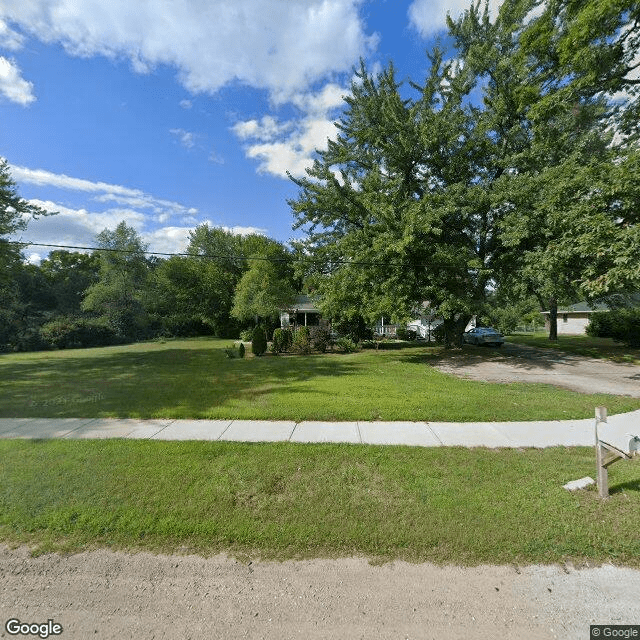
3365 Grange Hall Road, Holly, MI 48442
To contact a resident: (810) 634-7797
For more information about senior living options: (866) 208-4318
Young At Heart 2 Costs & Pricing
Young At Heart 2 offers a semi-private room at a cost of $3,500 per month. This rate is notably higher than the average costs observed in Oakland County and throughout Michigan, which stand at approximately $3,204 and $3,191 respectively for similar accommodations. While the pricing may reflect enhanced services or amenities provided by Young At Heart 2, it is essential for prospective clients and their families to consider these figures in conjunction with the overall value offered by the facility. Understanding the distinctions in care quality, environment, and resident experience can provide a clearer perspective on what justifies this premium in costs.
| Floor plans | Young At Heart 2 | Oakland County | Michigan |
|---|---|---|---|
| Semi-Private | $3,500 | $3,204 | $3,189 |
Overall Review of Young At Heart 2
Pros
 The home is described as clean and quiet, with not many residents, creating a calm environment.
- It feels more like a home than a facility, offering a homelike atmosphere.
- The large, ranch-style property provides a peaceful setting where one can hear birds from the porch.
- Residents receive home-cooked meals daily, with staff willing to prepare alternatives if needed.
- The staff are compassionate and recognize the person behind dementia, showing understanding and care.
- Young at Heart is strongly recommended as a place for loved ones.
Cons
 The reviewer had a bad feeling about the place.
- The reviewer wondered if staff do things with residents.
- She would get loud and mean sometimes as the dementia took over.
- The reviewer described it as a six-bed facility only.
Review
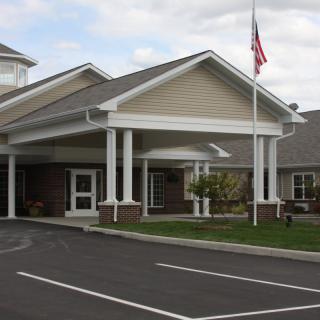
Young At Heart 2 in Holly, MI is best suited for families seeking an intimate, home-like setting where a loved one can receive highly personalized attention in a quiet, almost residential environment. With only six beds, the place functions more like a private home than a typical assisted-living campus, which appeals to families prioritizing stability, routine, and easy family access. This arrangement works well for residents who benefit from close caregiver contact, predictable days, and a setting that feels less crowded and more homelike. The emphasis is on comfort, continuity, and a sense of security that comes from knowing the caregivers and neighbors well.
Those considering alternatives should note that the small scale may not fit every need. If a resident requires robust programming, broader social opportunities, or more formal medical oversight, a larger facility or a dedicated memory-care community might provide the depth of activities and staff coverage that a busier setting can offer. For families expecting a platitude of structured programming, scheduled outings, and a full slate of enrichment options, Young At Heart 2 may feel limiting. It is less about a bustling campus and more about a trusted, hands-on, family-forward care approach.
The strongest positives center on cleanliness, quiet, and a genuine home atmosphere. The property sits back from the road on ample land, which creates a peaceful backdrop where a resident can hear birds and enjoy a retreat-like feeling. The six-bed footprint enables a high degree of daily familiarity: caregivers know routines, preferences, and personalities intimately, which can translate into consistent meals, responses to quirks, and responsive, person-centered care. One account notes home-cooked meals daily with a willingness to prepare alternatives, signaling a care team that adapts to individual tastes and needs. The sense of being “known” can temper the stress of dementia for both residents and families, turning daily caregiving into a predictable, respectful ritual.
On the downside, the very small size can translate into limited activity options and sparse social exposure. One reviewer questioned whether residents are engaged or included in meaningful activities, signaling a potential gap between care and enrichment. For a person who thrives on movement, new programs, or peer interaction, the limited resident pool and staff bandwidth may feel constraining. Another practical concern is the absence of a formalized, large-scale program calendar; while flexibility is a strength, it can also mean fewer scheduled opportunities for cognitive stimulation and social integration. These dynamics matter most for families weighing whether a highly personal setting will meet all daily-life and wellness expectations.
Yet the intimate format also buffers several common drawbacks of larger facilities. The small community fosters highly visible caregiver accountability and easier family communication, a clarity that often translates into quicker responses and more tailored support. The home-like environment reduces hospital-like stressors and can ease anxiety for residents with dementia, who respond to familiar faces and steady routines. For families, the upside is straightforward: consistent caregiving, direct access to the people who know the resident best, and the comfort of a setting that feels safe and controllable. These trade-offs can outweigh the downsides when the priority is dignified, person-centered living rather than a broad menu of activities.
In practical terms, families weighing Young At Heart 2 should prioritize a candid discussion about staffing, daily schedules, and dementia-specific care. They should ask how meals are planned and whether there is flexibility to honor individual preferences, discuss visitation norms, and probe how care plans adapt as needs change. If the goal is a warm, quiet, personally attentive home where a loved one can thrive with frequent family involvement, this setting stands out as a compelling option in Holly. For those seeking a larger community with more structured programming or more intensive medical support, it is prudent to compare other nearby options that can deliver those elements without sacrificing the intimate, caregiver-led focus that defines Young At Heart 2.
 6 resident community capacity
 Assisted Living
 Board and Care Home
 Cable or satellite TV
 Dining room
 Fully furnished
 Garden
 Housekeeping services
 Move-in coordination
 Outdoor space
 Telephone
 Wi-Fi/high-speed internet available
 Bishop (12 miles away)
 24-hour supervision
 Activities of daily living assistance
 Assistance with bathing
 Assistance with dressing
 Assistance with transfers
 Diabetes diet
 Diabetic care
 Meal preparation and service
 Medication management
 Special dietary restrictions
 Transportation arrangement (medical)
 Transportation to doctors appointments

 Comprehensive Supportive Living Arrangements for Adults with Disabilities
 Funding and Affording Assisted Living: A Thorough Overview
 Assisted Living Expenses and Long-Term Care Insurance: A Comprehensive Exploration