
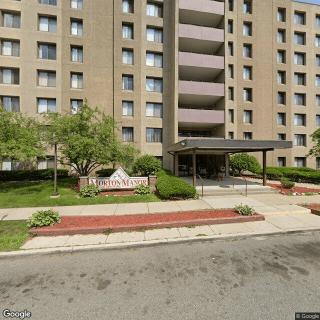
95 Winona, Highland Park, MI 48203
For more information about senior living options: (866) 208-4318
Overall Review of Fresh Start Transitional Homes
Cons
 They say not answering their phone is very disrespectful.
- They claim there are threats there.
- They are about ready to move out.
- They can't do it anymore.
- They insist they are not lying and are dead serious.
Review
Fresh Start Transitional Homes in Highland Park, MI is best suited for families seeking a low-cost, entry-level transitional option and who can tolerate uneven service interactions. The reviews suggest a basic level of care may be present, but the experience is not consistently reliable. This is not a place to rely on for predictable responsiveness or a uniformly respectful communications culture. For families that require steadier, more professional engagement from staff, alternatives warrant serious consideration.
Those who should consider alternatives are families prioritizing consistent, courteous communication and proactive resident advocacy. A facility that fails to respond promptly or maintain respectful contact can create cascading problems in care coordination, medication management, and appointment scheduling. In other words, when reaching out to the community is a struggle, coordinating transitions, family updates, and crisis responses becomes a risky proposition. If any of these areas are non-negotiable, exploring other options with stronger documented reliability is the prudent path.
On the upside, one 4-star reference implies there are redeeming qualities worth noting. While details are scarce, the rating signals that the operation can meet basic expectations for some families in some situations. That suggests a functional environment for residents who can tolerate variability and who do not demand highly structured, anticipatory service. In practical terms, it may indicate acceptable environments for short-term placement or for residents with more independent or minimally assisted needs, provided the overall care framework is sound and staff interactions do not deteriorate.
The primary risk area centers on communication and staff conduct. The explicit 1-star report describes a pattern of unhelpful phone handling and threatening language, a combination that undermines trust and raises concerns about safety and respect in caregiver–family interactions. When staff communication deteriorates to the point of intimidation, it becomes difficult to coordinate care plans, respond to changes in health status, and ensure timely escalation if issues arise. This kind of reportage, even if limited in volume, should not be dismissed as a single outlier; it points to a systemic risk in front-line operations that can directly affect resident well-being.
Given the mixed signals from the limited sample, the pros can offset only marginally if the concerns about staff behavior persist. A 4-star impression is insufficient to overcome a credible fear of poor communication, especially in transitional care where planning, consent, and ongoing oversight matter daily. The math here favors caution: acceptable baseline operations do not automatically translate into reliable, respectful, and proactive service. Families should not assume a favorable outcome based on appearance or price alone; the absence of consistent, professional engagement will erode the advantages of any favorable basic care.
Practical next steps are clear for families evaluating this community. Schedule an in-person visit focused on communication workflows: observe how staff greet families, how quickly calls are returned, and who handles urgent requests. Ask to see written policies on resident rights, incident reporting, and a formal grievance process. Request recent references and contact them about how staff responded during health changes or emergencies. Compare these findings with nearby communities that offer transparent staffing levels, documented response times, and a demonstrated track record of respectful family interactions. If any component of the experience feels opaque or uncomfortable, expand the search to other options with stronger credentials in resident advocacy and proactive care management. This is not a place to settle when reliable communications and respectful treatment are non-negotiable.
 6 resident community capacity
 Assisted Living
 Cable or satellite TV
 Dining room
 Fully furnished
 Garden
 Housekeeping services
 Move-in coordination
 Outdoor space
 Telephone
 Wi-Fi/high-speed internet available
 Detroit Metropolitan-Wayne County (19 miles away)
 24-hour supervision
 Activities of daily living assistance
 Assistance with bathing
 Assistance with dressing
 Assistance with transfers
 Diabetes diet
 Meal preparation and service
 Medication management
 Special dietary restrictions
 Transportation arrangement (medical)
 Transportation to doctors appointments
 Comprehensive care in a small, fully furnished setting with meals, housekeeping, and transportation.


 Social Security Benefits and Assisted Living: Navigating Options Across the U.S.
 An Extensive Exploration of the VA Aid and Attendance Benefit
 Senior Transition Services: Understanding Their Role, Cost, and Importance