
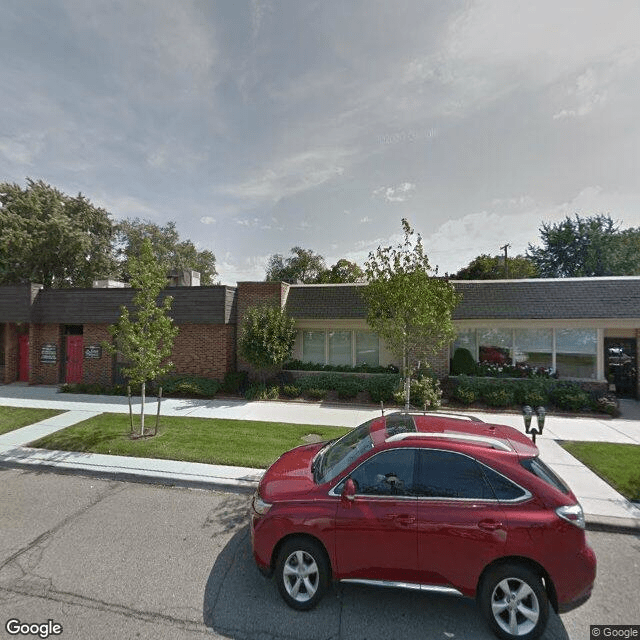
18080 Mack Ave, Grosse Pointe, MI 48230
To contact a resident: (313) 885-0600
For more information about senior living options: (866) 208-4318
Overall Review of Senior Helpers Grosse Pointe
Pros
 The caregivers were wonderful.
- The office staff were very accommodating and helpful.
- All the helpers were very friendly.
- They did everything possible to put me at ease.
- They seemed more adaptable and accommodating.
Cons
 Their health was getting worse, and they didnā€™t know what their future held.
- They were concerned about how a caregiver would be received by their parents.
Review
Senior Helpers Grosse Pointe is best suited for families seeking dependable, caregiver-led support that feels like a hands-on, person-centered in-home option. The reviews repeatedly highlight warm, helpful caregivers who willingly tackle daily tasks and provide companionship, backed by an office team that is accommodating and responsive. This is a setting where the emphasis is on practical daily assistance delivered with warmth, clarity, and a personal touch, making it a strong fit for seniors who prefer a familiar, home-like routine and benefit from consistent, attentive caregiving.
Those weighing alternatives should consider options if the priority shifts toward heavy clinical oversight, memory-care-specific programming, or around-the-clock medical supervision. For seniors with complex medical conditions, advanced wound care, or specialized dementia care needs, a facility with on-site skilled nursing or a dedicated memory-care program may offer greater assurance and structure. Similarly, families on tight budgets or seeking highly predictable, highly regulated environments might find other communities with different care mixes or fee structures a better fit. The Grosse Pointe option excels in human connection, but it does not replace the depth of medical acuity some families require.
The strongest positives are tangible and actionable. Caregivers are described as wonderful, friendly, and responsive to requests, which translates into reliable help with daily activities, personal care, and practical errands. The office staff and client-relations leadership are repeatedly portrayed as eager and accommodating, easing the transition for families and calming anxious clients. That frontline reliability is not only comforting; it directly reduces stress for families trying to juggle schedules, caregivers, and evolving needs, and it sets a solid foundation for a care plan that can be adjusted as circumstances change.
Where the data remains cautious, the main concerns are less about personality and more about scope and duration. Reviews cluster around positive impressions, but the overall sample is small, and long-term consistency is not demonstrated in the provided feedback. The language hints at early-stage engagement and the need to monitor how care adapts over time as health declines or mobility changes. The absence of explicit, ongoing clinical detail means families should verify caregiver-to-client ratios for the anticipated hours, the process for shift continuity, and the supervision model to ensure alignment with rising or changing needs.
In practice, the pros offset many potential gaps by delivering a trustworthy initial experience, strong caregiver relationships, rapid rapport with the client-relations team, and a responsive office that can smooth transitions. This makes Senior Helpers Grosse Pointe a sensible match for families prioritizing companionship and practical daily support over formal medical programming. The combination of personable caregivers and a proactive administrative team creates a flexible framework that can absorb mild to moderate shifts in care needs, provided expectations remain calibrated to the level of medical supervision available on-site.
The bottom line: Senior Helpers Grosse Pointe stands out as a practical, compassionate choice for seniors who want dependable, person-centered assistance with a strong emphasis on caregiver continuity and responsive communication. It is a particularly attractive option for those in early to mid-stages of decline who value daily living support, social engagement, and a home-like atmosphere. For families requiring extensive medical oversight, dementia-specific programming, or 24/7 supervision, alternatives with deeper clinical scope should be explored. A disciplined initial visit, meeting the caregivers, reviewing the care plan, and testing a short-term trial, will reveal how well this team matches the anticipated trajectory of care.






 Top Cars for Senior Drivers and Essential Safety Innovations
 A Closer Look at Private Pay Home Care
 Comprehensive Approaches for Arthritis: A Detailed Guide to Symptoms, Causes, and Care