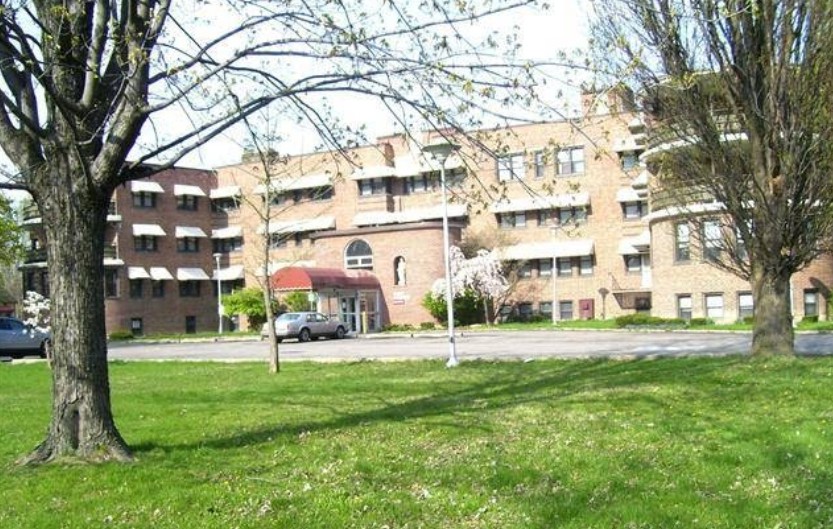
4800 Cadieux Road, Detroit, MI 48224
For more information about senior living options: (866) 208-4318
Overall Review of St. Joseph Manor
Pros
 They appreciate that everyone has their own room at St. Joseph Manor.
- The director is really kind.
- The rooms are very clean.
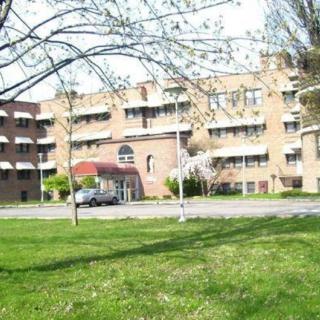
- The building is old, but it has a very good foundation.
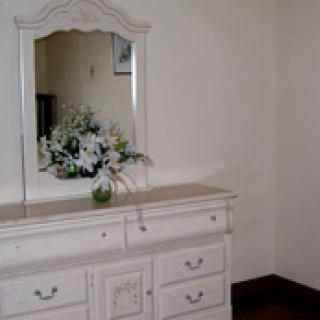
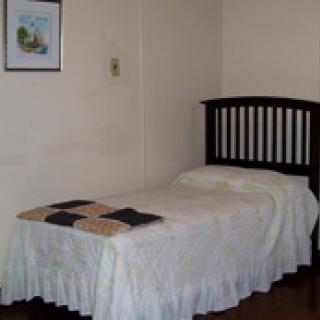
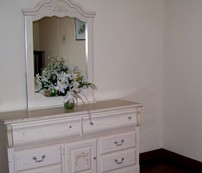
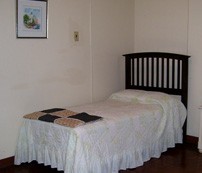
- The rooms are nice, and even the smallest rooms offer ample space.
- They don’t have to share rooms with anyone.
- The facility is more affordable than many others.
- They work in conjunction with E Triple A to help with some of the cost.
- The dining room looks good.
- The place is very secure.
Cons
 It was horrible and one of the worst places in Detroit.
- It lacks many amenities.
- There are only two staff members for about 500 residents.
- The food is bad; there is no chef, only a lone cook with occasional helpers.
- For the last two years, it did not allow new patients.
- Since COVID, residents cannot leave and are kept locked in 24-7.
- The facility did not handle the reviewer’s mother properly.
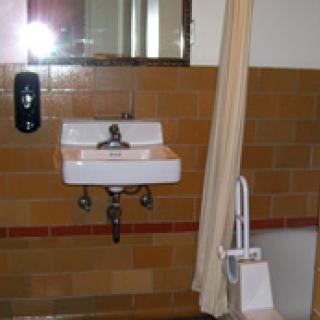
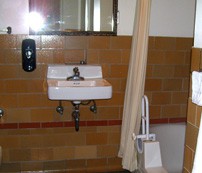
- The rooms are outdated.
Review
St. Joseph Manor is best suited for memory-care focused seniors who prize private rooms, predictable routines, and a budget-conscious option where privacy is the norm. The facility’s emphasis on memory care, combined with an older but solid building and a campus layout that minimizes shared spaces, serves families seeking a stable, home-like setting over flashy amenities. Those who value individualized attention, a secure environment, and clear cost controls will find the most value here, particularly when a loved one needs dementia-informed care in a private-room model rather than a more传媒 expansive, resort-like campus.
Alternatives should be on the radar for families whose priorities include robust staff coverage, broader on-site programming, and a higher standard of dining. The reality here is lean staffing and limited amenities, which can translate into slower responses and fewer daily activities beyond basic care. For residents requiring intensive supervision, frequent one-to-one interactions, or a facility with more modern infrastructure and dining options, other communities with stronger nurse-to-resident ratios and richer programming will typically deliver a more comfortable and engaging daily experience.
The strongest positives center on quiet reliability: private rooms, a dedicated memory-care focus, a compassionate director, and a clean, orderly environment. Residents can enjoy personal space without sharing, and the rooms tend to feel dignified even in an older building. The care team’s competence in dementia-related needs and a leadership presence that residents and families perceive as kind contribute to daily stability. Affordability stands out, with potential support through cost-sharing programs, and the dining room is presented as well-kept, reinforcing a sense of security and routine that many families value in memory care.
Yet the downsides are tangible and lingering. Staffing ratios are lean, with reports of only a couple of nurses for hundreds of residents, which raises legitimate concerns about timely care and supervision during busy shifts. Amenities beyond the basics are sparse, and the facility’s infrastructure can feel dated, contributing questions about meal quality, program breadth, and the overall daily experience. The capacity to leave the campus is limited, trading personal freedom for safety, a dynamic some families will accept and others will not, depending on how much independence matters for a loved one.
Despite those drawbacks, affordability and the potential for cost assistance create practical leverage for families balancing care quality with monthly expenses. For memory-care-focused seniors prioritizing privacy and predictable routines, this combination can translate into meaningful savings without forcing a move into a larger, less intimate setting. The secure environment and the sense that staff know residents well can yield calmer days, even if the breadth of activities and culinary variety don’t rival more upscale options.
In weighing St. Joseph Manor, the bottom-line recommendation is clear: it serves best those families who can tolerate a lean, older building with limited amenities in exchange for private accommodations, memory-care focus, a compassionate leadership presence, and financial practicality. For seniors who require higher staffing levels, more dynamic programming, or modern, feature-rich surroundings, alternatives with stronger nurse coverage and broader on-site offerings deserve serious consideration. The pros, private rooms, memory-care specialization, and a budget-friendly framework, offset the core drawbacks only when the care needs align with a more restrained, home-like model. The decisive questions come down to whether the loved one’s care requirements and the family’s tolerance for limited amenities align with this lean, memory-focused approach. An in-person tour, direct staffing disclosures, and candid conversations about meal quality and daily activity schedules will illuminate the best path forward.
 104 resident community capacity
 Assisted Living
 Independent Living
 Respite Care
 Air-conditioning
 Beautician on-site
 Cable or satellite TV
 Computer center
 Dining room
 Fitness room
 Fully furnished
 Gaming room
 Garden
 Housekeeping services
 Kitchenette
 Move-in coordination
 Outdoor space
 Private bathrooms
 Restaurant-style dining
 Security gate
 Small library
 Telephone
 Wellness center
 Wi-Fi/high-speed internet available
 Community operated transportation
 12-16 hour nursing
 24-hour call system
 Activities of daily living assistance
 Assistance with bathing
 Assistance with dressing
 Assistance with transfers
 Diabetes diet
 Medication management
 Mental wellness program
 Special dietary restrictions
 Concierge services
 Planned day trips


 Social Security Benefits and Assisted Living: Navigating Options Across the U.S.
 An Extensive Exploration of the VA Aid and Attendance Benefit
 Senior Transition Services: Understanding Their Role, Cost, and Importance