Walker Adult Foster Care in Detroit, MI

16840 East Warren, Detroit, MI 48224

For more information about senior living options: (844) 490-3973

5 from 4 reviews
5 stars
4
4 stars
0
3 stars
0
2 stars
0
1 stars
0

Assisted Living

What level of care are you interested in?

Assisted Living

Memory Care

Independent Living

Skilled Nursing Facility

Continuing Care Retirement Community (CCRC)CCRC

Other


Request a tour at Walker Adult Foster Care

    Overall Review of Walker Adult Foster Care

    Pros

    • pro Leonard Walker is regarded as a godsend to patients and staff.
    • pro Caregivers at the group home are treated with great respect.
    • pro Mr. Walker is respected and admired by patients and staff alike.
    • pro The adult foster care home for adults ages 40 and up offers great staff, great meals, and field trips.

    Review

    Walker Adult Foster Care in Detroit is best suited for adults aged 40 and up who want a warm, home-like setting with attentive staff, regular meals, and engaging social activities. The model centers on respect, dignity, and person-centered care, delivered in a small, community-focused environment rather than a large institution. Families seeking a steady routine, meaningful interaction, and a setting where caregivers are known by name will find this option particularly compelling. The combination of good meals, structured outings, and a culture built around mutual respect creates a sense of belonging that can ease transitions for adults who value interpersonal connection and daily purpose.

    Those considering alternatives should note that Walker AFC may not meet every need. Residents requiring intensive medical management, round-the-clock nursing oversight, or specialized memory care typically found in larger licensed facilities may need a different arrangement. The intimate, group-home format inherently provides less on-site medical staffing than traditional assisted living or skilled nursing environments. For families confronted with significant cognitive challenges, complex wound care, or highly regulated medication schedules, a facility with broader clinical resources could prove more appropriate. In short, this setting excels as a humane, social, everyday-living solution rather than a high-acuity care option.

    The strongest advantages center on leadership, staff engagement, and the daily lived experience. Leonard Walker's leadership is repeatedly described as transformative for both residents and staff, translating into a culture where residents are treated with genuine respect and where caregivers are valued. The personnel are perceived as capable, present, and responsive, contributing to reliable daily care and predictable routines. Nutritious meals and regular outings - beyond simple meals - contribute to a sense of normalcy and adventure in daily life. The consistent warmth, combined with opportunities for field trips, crafts, and social activity, reduces isolation and supports mood, motivation, and social connection in a small-scale setting.

    In balancing pros and potential constraints, the key trade-off lies in scale. The intimate size of a foster care home means a tightly knit team and closer relationships, which translates into personalized attention and quicker rapport with residents and families. However, this same scale can limit the breadth of services and the immediacy of high-level medical response compared to larger facilities. Yet the reviews imply that the positive elements - respect, strong staff performance, good meals, and ongoing activities - often outweigh these limitations for residents who prioritize dignity, companionship, and a consistent daily rhythm over expansive medical infrastructure.

    For decision-making purposes, this community is a strong match for families prioritizing a respectful, engaging, and home-like atmosphere where staff know residents well and treat caregivers with appreciation. It is well-suited for adults seeking social engagement, routine, and a sense of community, with the reassurance of dependable staffing and thoughtful programming. Those weighing options should probe practical details that align with individual needs: how often staff interact one-on-one with residents, the availability of on-site nursing or medical oversight, the process for care planning and updates to families, and transportation to activities or appointments. Clarifying these factors helps ensure the setting's strengths translate into tangible daily living quality.

    In conclusion, Walker Adult Foster Care stands out as a dependable, family-like option for Detroit-area adults who want a dignified, engaging home environment backed by respectful staff and robust daily programming. The blend of leadership-driven culture, quality meals, and active social life creates a compelling value proposition for a specific audience: those who prize personal attention, meaningful routines, and a low-key, supportive atmosphere over institutional breadth. For families with residents who fit this profile, a closer visit to assess fit, pace, and compatibility with care goals is strongly advised; for those needing higher levels of medical care or dementia-specific programming, exploring alternatives with greater clinical depth will be prudent.

    Features

    Housing

    • 20 resident community capacity 20 resident community capacity

    Types of Care

    • Assisted Living Assisted LivingAssisted living facilities provide crucial support and care for seniors who may need help with daily tasks such as medication management, bathing, and meal preparation. These communities offer a safe and comfortable environment where seniors can maintain their independence while receiving the assistance they need to thrive in their golden years.

    Amenities

    • Beauty salon Beauty salonBeauty salons are important for seniors because they provide a space for them to feel pampered, socialize, and maintain their personal grooming and hygiene. Regular visits to a beauty salon can help boost seniors' self-esteem and overall well-being.
    • Cable or satellite TV Cable or satellite TVCable or satellite TV is important for seniors because it provides entertainment, news, and companionship, helping to combat loneliness and boredom. It also offers a wide range of programming options tailored to different interests and preferences.
    • Dining room Dining roomDining rooms are important for seniors as they provide a space for socialization, connection, and nutritious meals. They offer opportunities for residents to bond over shared meals, foster a sense of community, and promote healthy eating habits. Dining rooms also ensure that seniors have access to well-balanced meals tailored to their dietary needs and preferences.
    • Fully furnished Fully furnishedFully furnished senior living communities are important for seniors because they provide convenience, comfort, and a hassle-free moving experience. Seniors can easily settle into their new living space without the stress of having to buy and move furniture. This allows them to focus on enjoying their new home and community.
    • Garden GardenGardens are important for seniors as they provide a peaceful and therapeutic environment for relaxation, physical activity, and socialization. Being in nature has been shown to reduce stress, improve mood, and promote overall well-being. Gardens also offer opportunities for seniors to engage in gardening activities, which can improve mobility, flexibility, and cognitive function. Additionally, gardens create a sense of community and connection with others who share a passion for plants and outdoor spaces.
    • Housekeeping services Housekeeping servicesHousekeeping services are important for seniors because they help maintain a clean and safe living environment, promote independence, and reduce the risk of accidents or illnesses. Additionally, having assistance with household chores can alleviate physical strain and allow seniors to focus on other aspects of their well-being.
    • Kitchenette KitchenetteKitchenettes are important for seniors living in senior living communities because they provide the convenience and independence of being able to prepare simple meals and snacks in the comfort of their own living space. This can help promote a sense of autonomy and well-being for seniors, allowing them to maintain some level of control over their dietary choices and daily routines.
    • Move-in coordination Move-in coordinationMove-in coordination is important for seniors because it helps ease the transition into their new living environment. It ensures that all logistics, such as packing, organizing movers, and setting up utilities are taken care of, allowing seniors to focus on settling in and adjusting to their new home. Having a smooth move-in process can alleviate stress and anxiety, making the transition smoother and more enjoyable for seniors.
    • Outdoor space Outdoor spaceOutdoor spaces are important for seniors as they provide opportunities for physical activity, social interaction, exposure to natural light and fresh air, and a sense of connection to nature. Having access to outdoor spaces can improve overall well-being and quality of life for older adults living in senior communities.
    • Telephone TelephoneTelephones are important for seniors as they provide a lifeline for communication with loved ones, emergency services, and healthcare providers. They offer a sense of security and independence, enabling seniors to stay connected and access assistance when needed.
    • Wi-Fi/high-speed internet available Wi-Fi/high-speed internet availableWi-Fi/high-speed internet is important for seniors to stay connected with loved ones, access online resources, and participate in virtual activities to combat feelings of loneliness and isolation. It also allows them to easily manage healthcare needs, access entertainment, and engage in lifelong learning opportunities.

    Care Services

    • 24-hour call system 24-hour call system24-hour call systems are important for seniors because they provide peace of mind and immediate assistance in case of emergencies. This technology ensures that help is always available, promoting safety and security for elderly individuals living alone or in assisted living facilities.
    • 24-hour supervision 24-hour supervision24-hour supervision is important for seniors to ensure their safety, well-being, and access to immediate assistance in case of emergencies or health issues. This constant support provides peace of mind for both seniors and their loved ones, allowing them to age in place with dignity and security.
    • Activities of daily living assistance Activities of daily living assistanceActivities of daily living assistance are important for seniors because they provide essential support with tasks such as eating, bathing, dressing, and mobility. This assistance helps seniors maintain their independence, dignity, and overall quality of life as they age.
    • Assistance with bathing Assistance with bathingAssistance with bathing is crucial for seniors as it helps maintain personal hygiene, prevents infections, and ensures their overall well-being and comfort. It also provides a sense of dignity and independence for seniors who may struggle with this task on their own.
    • Assistance with dressing Assistance with dressingAssistance with dressing is important for seniors because it helps maintain their independence, promotes personal hygiene, prevents accidents and injuries, and improves overall quality of life. This service ensures that seniors can continue to dress comfortably and confidently, despite any physical limitations they may have.
    • Assistance with transfers Assistance with transfersAssistance with transfers is crucial for seniors as it helps prevent falls and injuries, maintains their independence, and ensures they can safely navigate their living environment. It also provides peace of mind for both seniors and their loved ones.
    • Coordination with health care providers Coordination with health care providersCoordination with health care providers is crucial for seniors to ensure proper medical care, medication management, and overall well-being. This collaboration helps prevent overlapping treatments, track progress more effectively, and provide comprehensive support tailored to individual needs.
    • Diabetes diet Diabetes dietA diabetes diet is crucial for seniors as it helps manage blood sugar levels, reduce risks of complications, and improve overall health and well-being. By following a balanced and nutritious diet tailored to their specific needs, seniors can better control their diabetes and enhance their quality of life.
    • Meal preparation and service Meal preparation and serviceMeal preparation and service are crucial for seniors as they may have limited mobility or energy to cook nutritious meals. Having access to healthy and convenient food options can ensure they are getting the proper nutrition needed to maintain their overall health and well-being.
    • Medication management Medication managementMedication management is crucial for seniors to ensure they are taking the right medications at the correct dosages and times. This helps prevent adverse drug interactions, reduces the risk of medication errors, and promotes overall health and well-being. Proactive management also allows for adjustments as needed based on changing health conditions or new prescriptions.
    • Mental wellness program Mental wellness programMental wellness programs are essential for seniors as they promote cognitive stimulation, emotional support, and social engagement. These programs help prevent isolation, depression, and cognitive decline, ultimately enhancing the overall quality of life for older adults.
    • Special dietary restrictions Special dietary restrictionsSpecial dietary restrictions are important for seniors because age-related changes in metabolism and health conditions can make it difficult for their bodies to process certain foods. By following a diet tailored to their specific needs, seniors can maintain their overall health and well-being, manage chronic conditions, and reduce the risk of complications such as malnutrition or food interactions with medications.
    • Transportation arrangement (medical) Transportation arrangement (medical)Transportation arrangements for medical purposes are essential for seniors as they may have difficulty driving themselves to appointments or accessing public transportation. Having reliable and safe transportation options ensures that seniors can receive timely medical care and maintain their health and well-being.
    • Transportation to doctors appointments Transportation to doctors appointmentsTransportation to doctors' appointments is crucial for seniors as it ensures they have access to necessary medical care and support for their health needs. Without reliable transportation, seniors may struggle to attend important appointments, leading to potential delays in treatment and health complications. Providing transportation services helps seniors maintain their overall well-being and quality of life.

    Dining

    • Diabetes diet Diabetes dietA diabetes diet is crucial for seniors as it helps manage blood sugar levels, reduce risks of complications, and improve overall health and well-being. By following a balanced and nutritious diet tailored to their specific needs, seniors can better control their diabetes and enhance their quality of life.
    • Special dietary restrictions Special dietary restrictionsSpecial dietary restrictions are important for seniors because age-related changes in metabolism and health conditions can make it difficult for their bodies to process certain foods. By following a diet tailored to their specific needs, seniors can maintain their overall health and well-being, manage chronic conditions, and reduce the risk of complications such as malnutrition or food interactions with medications.

    Activities

    • Community-sponsored activities Community-sponsored activitiesCommunity-sponsored activities are important for seniors as they provide opportunities for social interaction, mental stimulation, and physical activity. These activities can help improve overall well-being, combat loneliness and isolation, and promote a sense of belonging and purpose among older adults.
    • Resident-run activities Resident-run activitiesResident-run activities are important for seniors as they encourage social interaction, creativity, and a sense of autonomy. These activities empower seniors to stay engaged and active in their community while fostering meaningful connections with their peers.
    • Scheduled daily activities Scheduled daily activitiesScheduled daily activities are important for seniors because they provide structure, socialization, mental stimulation, and physical activity. Engaging in regular activities can improve overall well-being and quality of life for seniors living in a community setting.

    Description

    Walker Adult Foster Care in Detroit, MI is a welcoming and comfortable assisted living community where residents receive personalized care and support. The community offers a range of amenities to ensure that residents feel at home, including cable or satellite TV for entertainment, a dining room for communal meals, fully furnished accommodations, a beautiful garden for outdoor relaxation, and convenient housekeeping services.

    Residents are provided with a well-equipped kitchenette in their accommodation for personal use. In addition to these amenities, the community also provides move-in coordination services to make the transition as smooth as possible.

    The care services at Walker Adult Foster Care are comprehensive and designed to meet the individual needs of each resident. With 24-hour supervision, residents can feel safe and secure at all times. Dedicated caregivers are available to provide assistance with activities of daily living such as bathing, dressing, and transfers. The staff also coordinates with health care providers to ensure that residents receive the necessary medical attention.

    The community offers support for residents with special dietary requirements such as diabetes diet or specific restrictions, ensuring that their nutritional needs are met through meal preparation and service. Medication management is provided by trained staff members who assist residents in taking their medications according to prescribed schedules.

    Mental wellness is emphasized at Walker Adult Foster Care through a specially designed program that promotes emotional well-being among residents. Transportation arrangements are available for medical appointments and visits to doctors.

    Residents can enjoy a variety of activities within the community including resident-run activities and scheduled daily activities organized by staff members. Additionally, there are two parks nearby where residents can take walks or enjoy outdoor activities. The community's location also offers easy access to numerous pharmacies, physicians' offices, restaurants, places of worship, and hospitals.

    Overall, the assisted living community at Walker Adult Foster Care in Detroit provides a supportive environment where seniors can maintain their independence while receiving personalized care and enjoying an active lifestyle.

    Nearby Places of Interest

    Restaurants

    • Cadieux Cafe (0.4 miles)
    • Joseph's Coney Island (2.8 miles)
    • National Coney Island (3.3 miles)
    • Little Caesars Pizza (3.9 miles)
    • Gilbert's Lodge (4 miles)
    • Wally's Frozen Custard (4.1 miles)
    • Shores Inn Food & Spirits (4.6 miles)

    Pharmacies

    • CVS Pharmacy (1.1 miles)
    • Walgreens (1.3 miles)
    • CVS Pharmacy (1.3 miles)
    • Rite Aid (1.6 miles)
    • CVS Pharmacy (2.6 miles)
    • CVS Pharmacy (2.7 miles)
    • CVS Pharmacy (3.3 miles)

    Hospitals

    • Select Specialty Hospital (1.4 miles)
    • St John Hospital & Medical Center (1.4 miles)
    • Henry Ford Medical Center (1.6 miles)
    • Detroit Receiving Hospital (7.1 miles)
    • DMC Heart Hospital (7.3 miles)
    • Barbara Ann Karmanos Cancer Institute (7.3 miles)
    • Harper University Hospital (7.3 miles)

    Places of Worship

    • Grosse Pointe United Methodist Church (1.9 miles)
    • St Joan Of Arc Church (3.6 miles)
    • St Charles Church (5 miles)
    • St John's Presbyterian Church (6.7 miles)

    Parks

    • Matthew C Patterson Park (2.5 miles)
    • Windmill Pointe Park (3.1 miles)
    • Belle Isle Park (5.5 miles)
    • Lakewood Park (6.4 miles)
    • Valade Park (6.5 miles)
    • Lac St Claire Park (6.8 miles)
    • William G. Milliken State Park and Harbor (6.9 miles)

    Physicians

    • Pointes Allergy And As (4.7 miles)
    • Childrens Hospital Of Michigan Specialty Center - Detroit (7.1 miles)
    • University Health Center (7.2 miles)
    • Beaumont East Area Family Physicians (8.1 miles)

    Cafes

    • Tim Hortons (6.3 miles)
    • Tim Hortons (6.8 miles)
    • Tim Hortons (7.1 miles)
    • Tim Hortons (7.6 miles)
    • The Bean Bar (7.9 miles)

    Frequently Asked Questions

    Where is Walker Adult Foster Care?

    Nearby Communities

    • St. Joseph Manor

      St. Joseph Manor

      Detroit, MI

      2.3 from 3 reviews
       

      pro Memory-care specialization with private rooms and affordable pricing.

    • St Joseph's Manor

      St Joseph's Manor

      Detroit, MI

      3.3 from 58 reviews
      $1,680 to $2,500 / month

      pro Caring staff and resident engagement (on-site activities and home-cooked meals).

    • Angel Patience

      Angel Patience

      Detroit, MI


      pro Fully furnished assisted living with comprehensive care, meals, housekeeping, medication management, and medical transportation.

    • Horizon House

      Horizon House

      Detroit, MI


      pro Comprehensive care with meals, 24/7 supervision, and medication management.

    • Bedford Home

      Bedford Home

      Detroit, MI

       
      $2,750 to $5,000 / month

      pro Small, personalized community with dementia care and comprehensive on-site services.

    • Liberal Manor

      Liberal Manor

      Detroit, MI


      pro Fully furnished, all-inclusive assisted living with meals, 24/7 care supervision, and transportation in a small, personalized community.

    • American House Cottage Senior Living

      American House Cottage Senior Living

      Grosse Pointe Farms, MI

      4.7 from 58 reviews
      $3,350 to $4,740 / month

      pro Clean, well-maintained community with good family communication and engaging activities.

    • The Rivers Grosse Pointe

      The Rivers Grosse Pointe

      Grosse Pointe, MI

      2.5 from 82 reviews
      $2,995 to $4,125 / month

      pro Clean, well-maintained facility with attractive finishes and some caring staff.

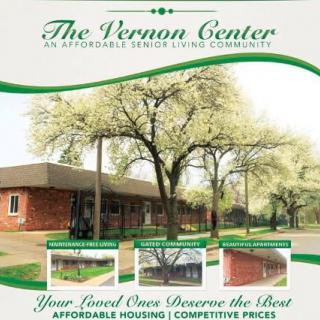
    • The Vernon Center

      The Vernon Center

      Detroit, MI

      4.5 from 20 reviews
      $1,300 to $3,500 / month

      pro Caring staff and clean, peaceful environment with engaging activities.

    Related Resources

    • when to move from assisted living to nursing home8 Key Indicators That Suggest It May Be Time to Transition from Assisted Living to Skilled Nursing Care

      The transition from assisted living to skilled nursing care is often prompted by complex medical needs that assisted living cannot meet, with key indicators including frequent health declines, increased falls, severe memory issues, and caregiver burnout. Families should recognize these signs early to discuss options with healthcare providers and prepare for the emotional and logistical aspects of moving to a facility that offers comprehensive medical support.

    • active senior livingVibrant Senior Living: A Comprehensive Guide for Active Older Adults

      Vibrant Senior Living emphasizes active senior living communities that promote independence and engagement through diverse amenities and activities, fostering wellness and social interaction among older adults. These communities range from independent to assisted living, with a focus on personal growth, family involvement, financial planning, and leveraging technology to enhance residents' experiences.

    • when to move from assisted living to memory careWhen to Transition from Assisted Living to Memory Care: Key Indicators, Steps, and Finding the Right Community

      Transitioning from assisted living to memory care is driven by an individual's cognitive decline and specific needs, requiring careful evaluation of indicators like increased confusion and wandering. The process involves consulting medical professionals, researching suitable communities, considering financial and legal aspects, and ensuring effective communication for personalized care plans.


    Get Pricing Ask A Question Schedule A Tour Contact Senior Advisor