
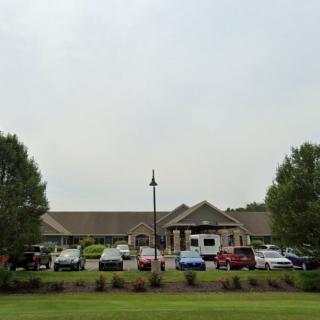
5408 Mills Ridge Drive SW, Wyoming, MI 49418
For more information about senior living options: (866) 208-4318
Overall Review of Wyoming Adult Foster Care
Pros
 Agnes and Etienne were born to provide care and to provide it well.
- For anyone who wants their loved one to be well cared for, this is the home to send them to.
- They are highly recommended.
Review
Wyoming Adult Foster Care in Wyoming, MI is best suited for families seeking an intimate, home-like setting where care is the central mission and the caregivers are directly involved in daily life. This community is ideal for seniors who value consistent, personal attention and a warm, trusting relationship with the people who are caring for them. It serves well those who want a close-knit, actively engaged caregiving atmosphere rather than a larger, more impersonal facility. For families looking primarily for a highly clinical environment, a broad menu of medical services, or a highly structured program, alternatives with bigger staffs and formal protocols may be more appropriate.
Those who should consider alternatives are primarily families with loved ones requiring extensive medical oversight or specialized memory-care programming. If round-the-clock nursing attention, sophisticated on-site rehabilitation, or a wide array of clinical services are non-negotiable, it is prudent to compare options that explicitly advertise robust nursing teams and crisis-response capabilities. Additionally, households seeking extensive group activities, formalized therapeutic schedules, or a large social calendar may want to evaluate facilities that offer a broader scope of programming. In short, the decision hinges on whether the top priority is extreme personalization and a homelike feel or a more expansive, clinic-style care model.
The standout advantage here is the quality of caregiving itself. The administrator’s note that Agnes and Etienne were “born to provide care and to provide it well” signals a depth of genuine commitment and a high-touch approach that translates into daily consistency, attentiveness, and a reassuring presence for residents. The reviewer’s strong recommendation reinforces the impression that residents receive reliable, compassionate support from people who treat caregiving as a vocation rather than a job. In practical terms, families can expect vigilant daily routines, a focus on safety, and a caregiving culture that rewards trust and long-term familiarity between residents and staff.
With no explicit drawbacks highlighted in the reviewed impressions, the main risk in decision-making becomes a matter of fit rather than fault. The pronounced strengths in personal care act as a meaningful offset to any potential desire for broader facility amenities. For families prioritizing emotional comfort, continuity of caregivers, and a home-style living experience, the pros effectively counterbalance the absence of features associated with larger, more resource-rich settings. Those who require less personalization and more formalized systems, because of advanced medical needs or specific therapy goals, should treat these as decisive differentiators rather than minor gaps.
From a practical standpoint, families are advised to verify a few fundamentals during site visits. Inquire about caregiver-to-resident ratios, the cadence of daily activities, and how care plans are developed and updated as needs evolve. Request to observe interactions between staff and residents to gauge warmth, responsiveness, and respect. Clarify what happens when medical needs escalate and how emergencies are handled, along with meal planning, accessibility, and the degree of resident involvement in routine decisions. Understanding these elements helps translate the qualitative strength of caregiving into concrete expectations and budget planning.
Ultimately, the bottom line is clear: this community shines for families seeking intimate, dependable, and deeply attentive care delivered by two caregivers who truly live their vocation. The emotional and practical reassurance that comes from such dedication can be the decisive factor when safety, trust, and daily comfort are non-negotiables. If those qualities align with the loved one’s needs and the family’s preferences for a small, personal environment, Wyoming Adult Foster Care stands out as a strong, credible choice. If, however, the chart of needs includes extensive clinical services, broad social programming, or a larger care team, exploring alternatives with a more formalized infrastructure is a prudent step.
 6 resident community capacity
 Assisted Living
 Cable or satellite TV
 Dining room
 Fully furnished
 Garden
 Housekeeping services
 Move-in coordination
 Outdoor space
 Telephone
 Wi-Fi/high-speed internet available
 Kent County International (12 miles away)
 24-hour supervision
 Activities of daily living assistance
 Assistance with bathing
 Assistance with dressing
 Assistance with transfers
 Diabetes diet
 Meal preparation and service
 Medication management
 Special dietary restrictions
 Transportation arrangement (medical)
 Transportation to doctors appointments



 Understanding Medicaid Coverage for Assisted Living: A Comprehensive Guide
 How and When Medicaid May Cover Assisted Living Costs
 A Detailed Exploration of Assisted Living Medicaid Waivers Across the United States