Pilgrim Manor in Grand Rapids, MI

Save

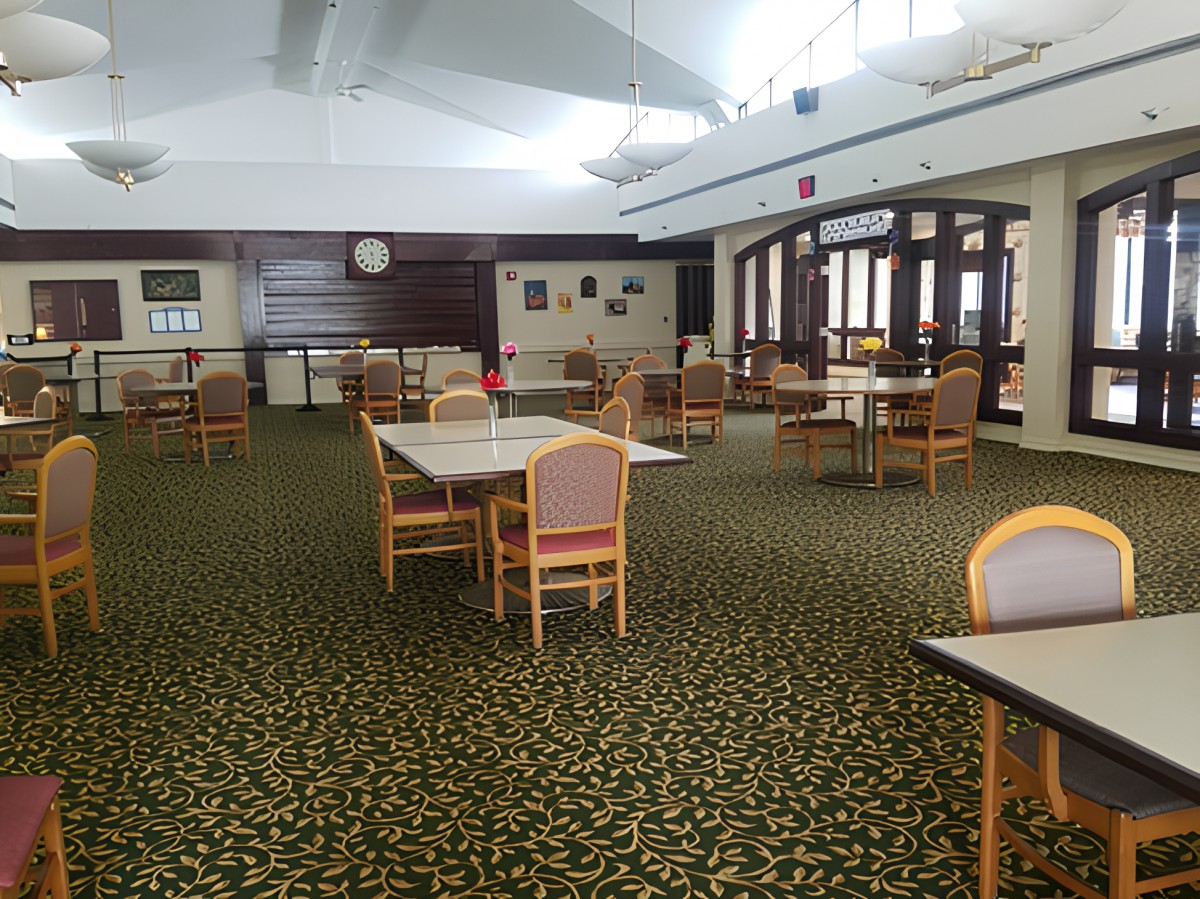
  • Interior

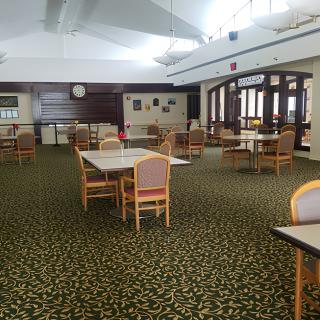
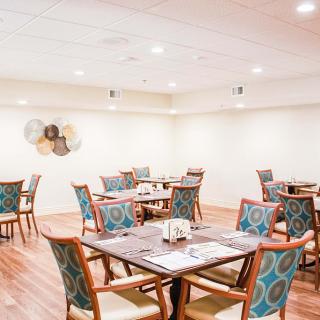
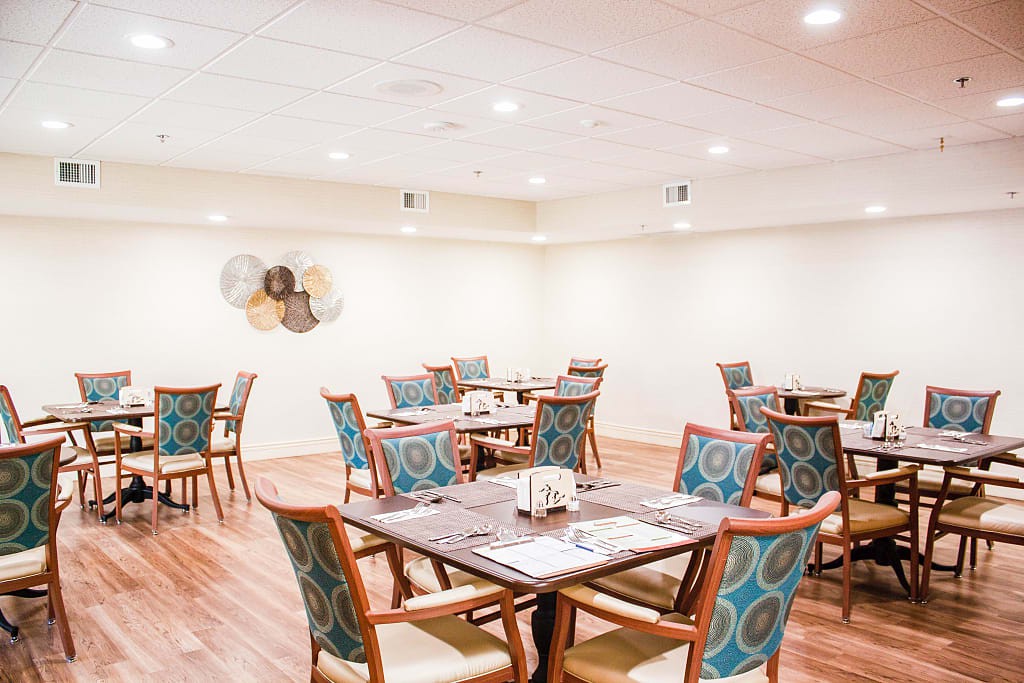
    An empty dining hall with arranged tables and chairs on a patterned carpet.
  • Outdoors

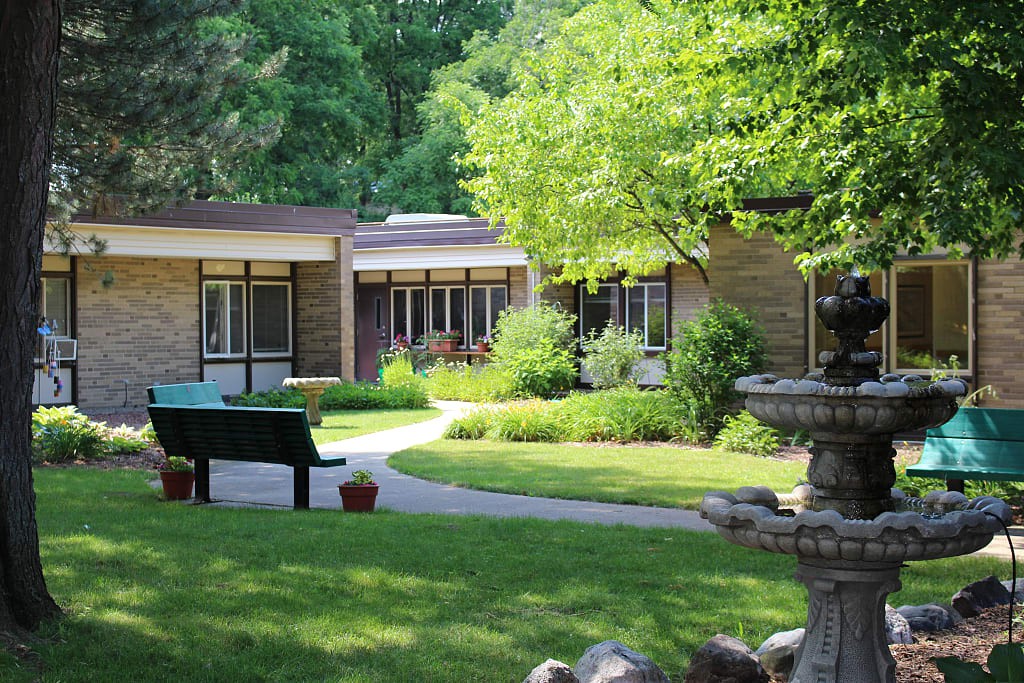
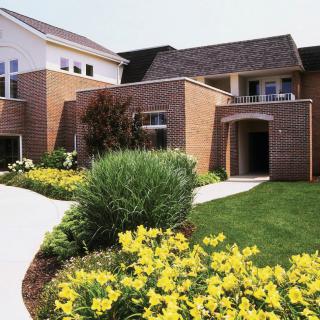
    A tranquil garden area with a pathway, surrounded by lush greenery and buildings.
  • Decor

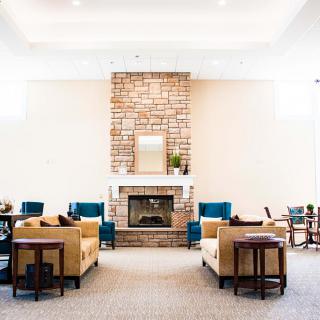
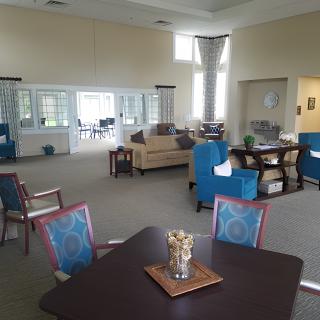
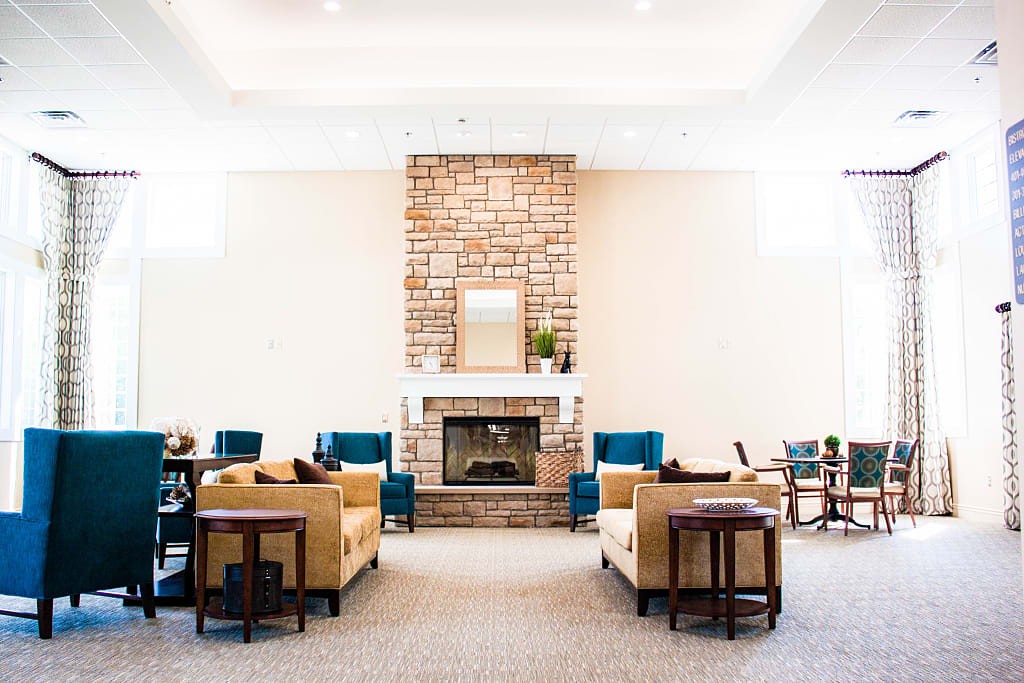
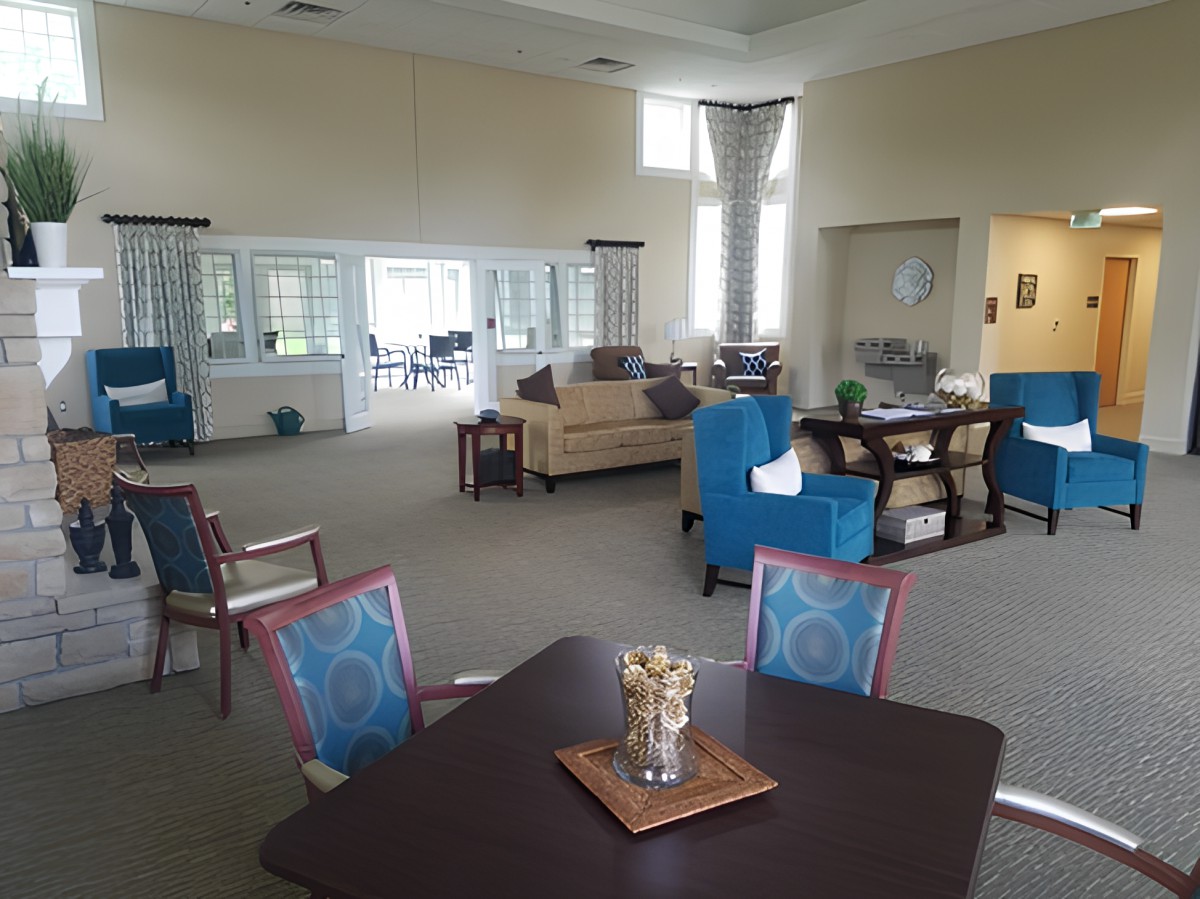
    A cozy living room with a central fireplace surrounded by sofas and armchairs.
  • Living Room

    A spacious and modern living room with comfortable seating and abundant natural light.
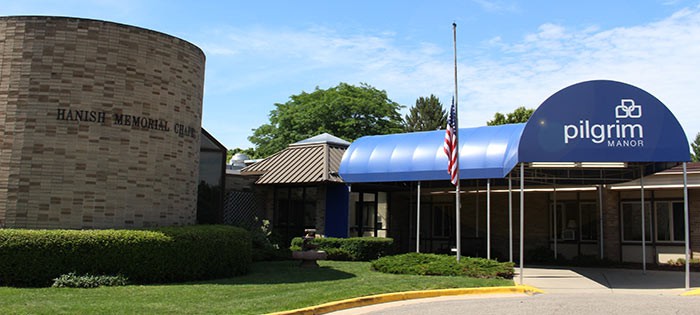
  • Building

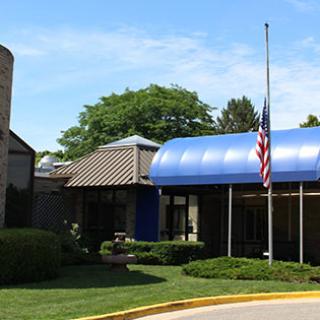
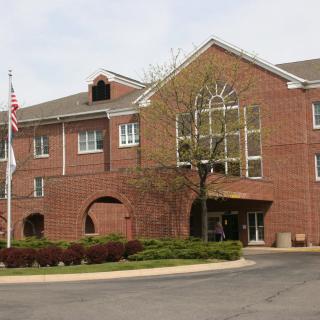
    A building with a blue awning, surrounded by greenery and featuring an American flag at half-staff.
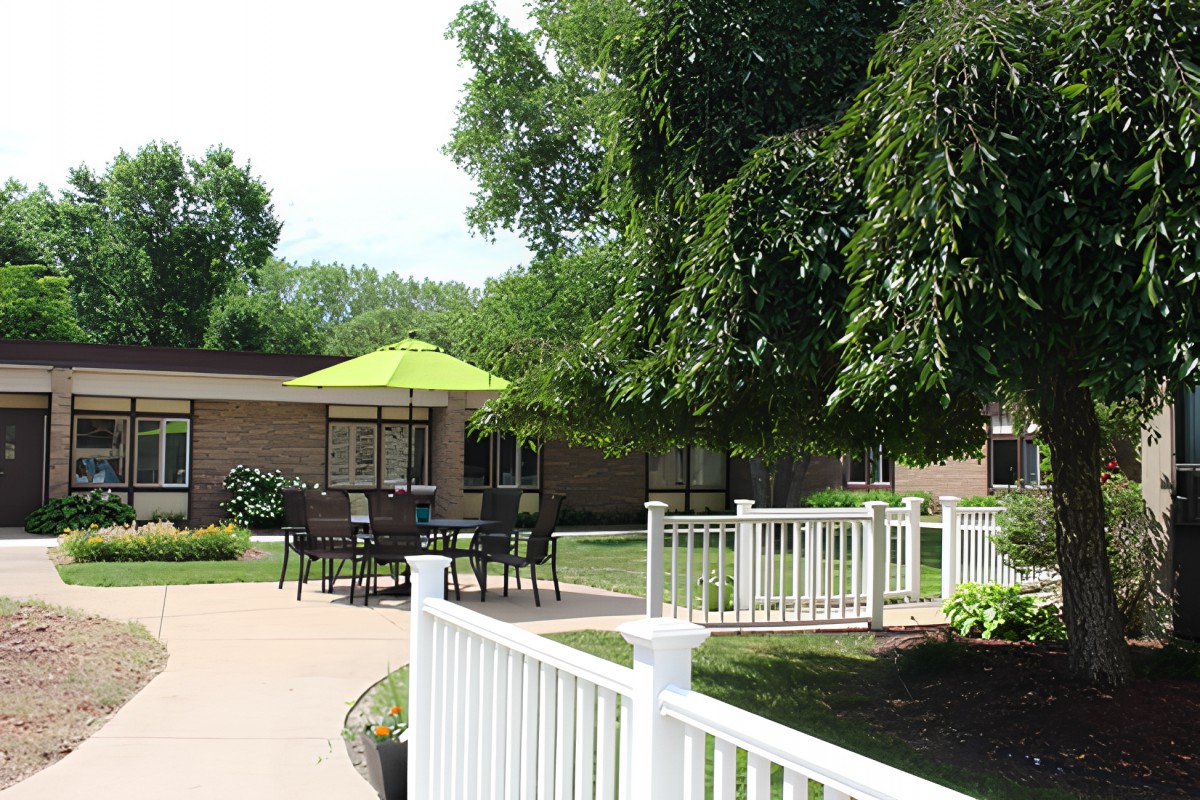
  • Trees

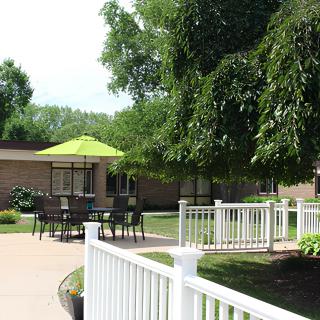
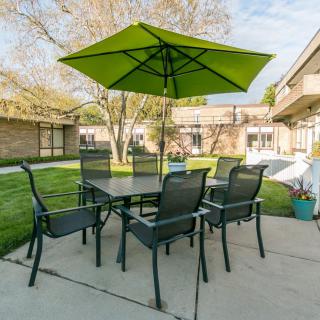
    A peaceful garden patio with a green umbrella and benches surrounded by trees and a white fence.
  • Dining

    An elegant dining area with neatly arranged tables and chairs.
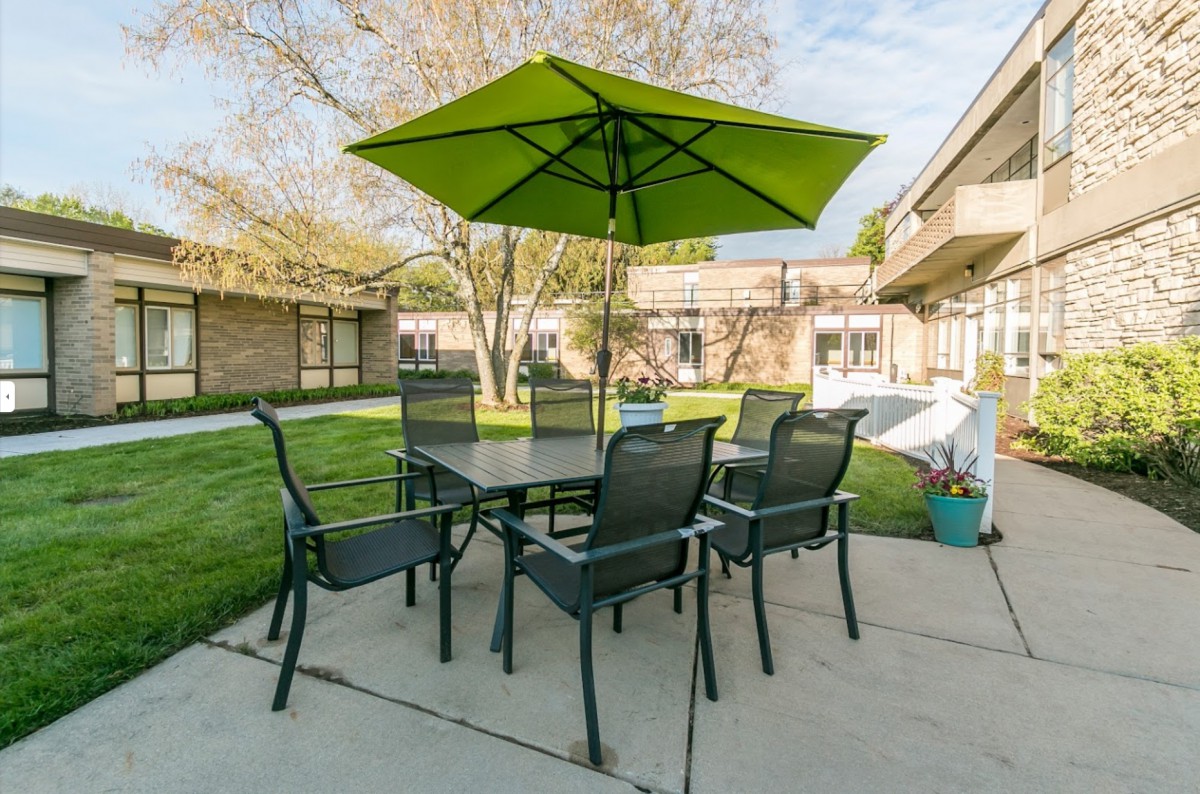
  • Landscaping

    Outdoor patio setup with a green umbrella, table, and chairs in a garden setting.

Pilgrim Manor in Grand Rapids, MI

2000 Leonard Street NE, Grand Rapids, MI 49505

For more information about senior living options: (844) 490-3973

3.4 from 86 reviews
5 stars
41
4 stars
13
3 stars
2
2 stars
3
1 stars
27

Assisted Living Continuing Care Retirement Community (CCRC) Memory Care Respite Care Skilled Nursing Facility

Overall Review of Pilgrim Manor

Pros

  • pro The care providers and staff have consistently improved over the past two years, and the redecorating looks great.
  • pro Angela was extremely friendly and genuinely cared about the patients.
  • pro Carla is a very helpful and sympathetic aide.
  • pro Amanda was kind and helpful during the admissions process.
  • pro The facility is easy to find, clean, and the staff are courteous.
  • pro Jamie Nowak is amazing and a gem shining bright at Medilodge.
  • pro The admissions team was knowledgeable and honest, and the staff on tours were smiling and kind.
  • pro The facility is beautiful with nice staff and well-kept grounds.
  • pro The chapel and Sunday mass offerings are valued by residents and families.
  • pro The courtyard features, such as feeding ducklings, are appreciated.

Cons

  • pro The manager is very rude to workers.
  • pro The facility is consistently understaffed with high turnover, even at the top leadership.
  • pro The food quality is terrible, with a new contracted company and no consistent meal times.
  • pro Many aides lack compassion and seem to be there only for a paycheck.
  • pro Despite looking nice after remodeling, care and empathy are lacking; the place feels untrustworthy.
  • pro As a patient, care is hindered by poor staffing; aides may care for up to 20 patients at once; nurses come in sick; meals are awful and often cold.
  • pro The reviewers would not recommend Medi-lodge.
  • pro The facility has witnessed violent incidents among residents with dementia, and family visits are restricted in hospice, causing distress.
  • pro Under Medilodge management, long-time staff left and food quality declined, leading to perceptions of Mediocre Lodge and care influenced by profit motives.
  • pro The building is dirty and poorly maintained; rooms are not cleaned timely and sanitation lapses are evident (e.g., dirty windows, unclean areas).
  • pro Attempts to contact management about concerns are not answered and communication is lacking.
  • pro Phone calls to check on loved ones are often not returned.
  • pro Staff can be unprofessional, with instances of racial comments and a general lack of compassion.
  • pro For rehabilitation, the facility is described as the worst place to place a loved one.

Review

Pilgrim Manor in Grand Rapids is best suited for families seeking a welcoming, well-kept environment with spiritual life, visible resident engagement, and an admissions process that feels responsive. The facility offers a calm campus feel, nicely renovated common areas, and amenities like a chapel, outdoor spaces, and a garden that residents frequently enjoy. For families who prize personal connections and a straightforward path through admissions, staff who recall names and faces, and a social calendar that includes caregiver-led activities, Pilgrim Manor can feel like a caring, community-focused choice. It is not a purely clinical setting; it leans into warmth and ambiance as part of daily life.

That warmth, however, is where cautions begin. Families should explicitly consider alternatives if reliable staffing, consistent care, and transparent operations are non-negotiable. Reviews reveal ongoing issues with understaffing, high turnover, and inconsistent leadership, producing real worries about timely assistance, medication management, and basic hygiene. Some families report rude or disengaged management, frequent staff changes, and facilities that look polished but fail to deliver dependable daily care. For those prioritizing predictable nurse-to-patient ratios and consistently clean, well-maintained spaces, other options in the area may provide a safer, more stable baseline.

The most persuasive pros come from the facility's atmosphere and individual staff moments. There are credible accounts of friendly admissions personnel who walk families through the process with clarity, aides and nurses who show genuine kindness in many shifts, and therapy teams that perform well for rehab needs. Residents and families appreciate the chapel, the gardens, and the sense that a resident can still participate in meaningful activities. The rebuilt common areas and the attention paid to appearance contribute to a dignified setting that can support emotional well-being, especially for those who value social engagement and spiritual life.

Yet the cons carry significant weight in real-world decisions. Repeated complaints highlight under-staffing leading to heavy patient loads for aides, delayed responses to calls, and uneven quality of care across shifts. Food quality and consistency were cited as problematic after a contracted kitchen took over, with meals lacking variety and reliability in timing. Maintenance and housekeeping lapses, pest concerns in some units, and rooms that feel neglected at times further deteriorate the care experience for residents who require meticulous routines. In several unsettling reviews, families describe harm or near-harm due to medication errors, patient-on-patient incidents, or slow communication about changes in a loved one's condition. These patterns undermine confidence for long-term placement and rehab alike.

Financial considerations reinforce the cautious stance. At least one review cites the monthly cost as substantial, paired with concerns about whether care needs are being met by the current staffing and process. TheMedilodge leadership transition brings questions about consistency in policy, staffing retention, and the degree to which core care priorities - disease management, mobility support, and daily hygiene - are treated as essential versus cosmetic upgrades. Pros like d?cor upgrades and a pleasant campus do not fully offset the risk of inconsistent care, frequent turnover, and the potential for administrative gaps that disrupt families seeking steady, transparent communication and dependable service.

Actionable guidance for families is clear. Schedule multiple in-person tours and insist on speaking with frontline staff across shifts, not just admissions reps. Request current staffing ratios, konkretly nurse-to-patient and aide-to-patient limits, and ask to see the week's menu options and a plan for ensuring timely meals. Probe how medication administration is tracked and what safeguards are in place to prevent errors. Ask about pest control, room cleanliness, and room-to-room consistency, as well as how quickly maintenance issues are addressed. Finally, seek candid feedback from current residents and their families about daily routines, response times, and the facility's transparency in communicating changes. Pilgrim Manor can be a comforting home for some, but for those needing ironclad reliability and unwavering care standards, alternatives deserve serious consideration.

Features

Housing

  • 123 resident community capacity 123 resident community capacity
  • 1-bedroom apartments 1-bedroom apartments1-bedroom apartments are important for seniors because they provide a sense of independence, privacy, and autonomy while still offering the necessary space for comfortable living. These apartments allow seniors to maintain their own personal space and lifestyle preferences in a supportive community setting.
  • Studio apartments Studio apartmentsStudio apartments are important for seniors because they offer a smaller, more manageable living space that is easier to navigate and maintain as physical abilities decline. Additionally, studio apartments provide seniors with independence and privacy while still being part of a community that offers support and social opportunities.

Types of Care

  • Assisted Living Assisted LivingAssisted living facilities provide crucial support and care for seniors who may need help with daily tasks such as medication management, bathing, and meal preparation. These communities offer a safe and comfortable environment where seniors can maintain their independence while receiving the assistance they need to thrive in their golden years.
  • Continuing Care Retirement Community (CCRC) Continuing Care Retirement Community (CCRC)Continuing Care Retirement Communities (CCRCs) are important for seniors because they provide a range of housing options and care services all in one location. This allows seniors to age in place and receive the level of care they need as their health changes, without having to move to a new facility. CCRCs provide a sense of security and peace of mind for seniors and their families, knowing that they will be taken care of no matter what the future holds.
  • Memory Care Memory CareMemory care is crucial for seniors as it provides specialized support and services for individuals with dementia or Alzheimer's disease. These programs offer a safe and secure environment where residents receive personalized care, cognitive stimulation, and help with daily activities. Memory care helps seniors maintain their independence, quality of life, and dignity while also providing peace of mind for their families.
  • Respite Care Respite CareRespite care provides temporary relief for caregivers, allowing them to recharge and attend to their own needs. It also gives seniors the opportunity to socialize, receive professional care, and experience a change of scenery, promoting overall well-being and reducing feelings of isolation.
  • Skilled Nursing Facility Skilled Nursing FacilitySkilled Nursing Facilities are crucial for seniors as they provide round-the-clock medical care, rehabilitation services, and assistance with daily activities. These facilities ensure that seniors receive the specialized care they need to maintain their health and well-being as they age.

Amenities

  • Air-conditioning Air-conditioningAir conditioning is important for seniors as they are more vulnerable to heat-related illnesses and may have underlying health conditions that make it difficult for them to regulate their body temperature. It helps to keep them comfortable, safe, and healthy in hot weather.
  • Beauty salon Beauty salonBeauty salons are important for seniors because they provide a space for them to feel pampered, socialize, and maintain their personal grooming and hygiene. Regular visits to a beauty salon can help boost seniors' self-esteem and overall well-being.
  • Cable or satellite TV Cable or satellite TVCable or satellite TV is important for seniors because it provides entertainment, news, and companionship, helping to combat loneliness and boredom. It also offers a wide range of programming options tailored to different interests and preferences.
  • Computer center Computer centerA computer center is essential for seniors as it provides access to technology, communication tools, and resources that can enhance their daily lives. It allows them to stay connected with loved ones, engage in online activities, and learn new skills, ultimately promoting socialization and mental stimulation.
  • Dining room Dining roomDining rooms are important for seniors as they provide a space for socialization, connection, and nutritious meals. They offer opportunities for residents to bond over shared meals, foster a sense of community, and promote healthy eating habits. Dining rooms also ensure that seniors have access to well-balanced meals tailored to their dietary needs and preferences.
  • Fitness room Fitness roomHaving a fitness room in a senior living community is essential for seniors to stay active, maintain their physical health, and improve their overall well-being. Regular exercise can help prevent falls, reduce the risk of chronic diseases, and promote mental sharpness. It also provides social opportunities for residents to connect with others and enjoy a sense of community.
  • Fully furnished Fully furnishedFully furnished senior living communities are important for seniors because they provide convenience, comfort, and a hassle-free moving experience. Seniors can easily settle into their new living space without the stress of having to buy and move furniture. This allows them to focus on enjoying their new home and community.
  • Gaming room Gaming roomGaming rooms are important for seniors as they provide a fun and engaging environment for socializing, cognitive stimulation, and physical activity. Games can improve memory, problem-solving skills, and overall mental well-being while fostering friendships and reducing feelings of isolation.
  • Garden GardenGardens are important for seniors as they provide a peaceful and therapeutic environment for relaxation, physical activity, and socialization. Being in nature has been shown to reduce stress, improve mood, and promote overall well-being. Gardens also offer opportunities for seniors to engage in gardening activities, which can improve mobility, flexibility, and cognitive function. Additionally, gardens create a sense of community and connection with others who share a passion for plants and outdoor spaces.
  • Housekeeping services Housekeeping servicesHousekeeping services are important for seniors because they help maintain a clean and safe living environment, promote independence, and reduce the risk of accidents or illnesses. Additionally, having assistance with household chores can alleviate physical strain and allow seniors to focus on other aspects of their well-being.
  • Kitchenette KitchenetteKitchenettes are important for seniors living in senior living communities because they provide the convenience and independence of being able to prepare simple meals and snacks in the comfort of their own living space. This can help promote a sense of autonomy and well-being for seniors, allowing them to maintain some level of control over their dietary choices and daily routines.
  • Move-in coordination Move-in coordinationMove-in coordination is important for seniors because it helps ease the transition into their new living environment. It ensures that all logistics, such as packing, organizing movers, and setting up utilities are taken care of, allowing seniors to focus on settling in and adjusting to their new home. Having a smooth move-in process can alleviate stress and anxiety, making the transition smoother and more enjoyable for seniors.
  • Outdoor space Outdoor spaceOutdoor spaces are important for seniors as they provide opportunities for physical activity, social interaction, exposure to natural light and fresh air, and a sense of connection to nature. Having access to outdoor spaces can improve overall well-being and quality of life for older adults living in senior communities.
  • Private bathrooms Private bathroomsPrivate bathrooms are important for seniors in senior living communities because they provide independence, dignity, and comfort. Having a private bathroom allows seniors to maintain their personal hygiene routines without the need for assistance, promoting a sense of autonomy and privacy. Additionally, private bathrooms help prevent the spread of infections and provide a safe and clean environment for seniors to navigate safely.
  • Respite or short term stays offered Respite or short term stays offeredRespite or short term stays provide seniors with a temporary solution when their regular caregiver is unavailable, offering them the opportunity to receive additional care and support during times of need, while also giving caregivers a chance to rest and recharge.
  • Restaurant-style dining Restaurant-style diningRestaurant-style dining is important for seniors because it allows them to enjoy delicious, nutritious meals in a social and upscale setting. This enhances their dining experience, promotes healthy eating habits, and fosters socialization with fellow residents, ultimately contributing to their overall well-being and quality of life.
  • Small library Small librarySmall libraries are important for seniors as they provide access to a variety of reading materials, including books, newspapers, and magazines. This can help stimulate their minds, keep them engaged, and provide a sense of community through book clubs and other social activities. Additionally, reading has been shown to improve cognitive function and overall mental well-being in older adults.
  • Telephone TelephoneTelephones are important for seniors as they provide a lifeline for communication with loved ones, emergency services, and healthcare providers. They offer a sense of security and independence, enabling seniors to stay connected and access assistance when needed.
  • Wellness center Wellness centerWellness centers are important for seniors because they offer a variety of programs and services that promote physical, mental, and emotional well-being. These centers provide opportunities for exercise, socialization, education, and relaxation, helping seniors maintain their overall health and quality of life.
  • Wi-Fi/high-speed internet available Wi-Fi/high-speed internet availableWi-Fi/high-speed internet is important for seniors to stay connected with loved ones, access online resources, and participate in virtual activities to combat feelings of loneliness and isolation. It also allows them to easily manage healthcare needs, access entertainment, and engage in lifelong learning opportunities.

Transportation

  • Kent County International (9 miles away) Kent County International (9 miles away)
  • Community operated transportation Community operated transportationCommunity operated transportation is crucial for seniors as it provides them with the means to access essential services, social activities, and medical appointments. It allows seniors to maintain their independence and quality of life by ensuring they can participate in activities outside of their homes. Additionally, community-operated transportation services offer a safe and reliable way for seniors to travel without having to rely on family or friends for assistance.
  • Transportation arrangement Transportation arrangementTransportation arrangements are crucial for seniors as they may face challenges with driving, mobility, or access to public transportation. Having reliable transportation services ensures that seniors can easily attend appointments, social activities, and maintain their independence and quality of life.
  • Transportation arrangement (non-medical) Transportation arrangement (non-medical)Transportation arrangements are essential for seniors as they provide access to essential services, activities, and social interactions outside the home. This service helps maintain independence, mobility, and overall well-being for seniors who may have limited transportation options.
  • Transportation to doctors appointments Transportation to doctors appointmentsTransportation to doctors appointments is crucial for seniors as it ensures they have access to necessary medical care and support, promoting their health and well-being. It allows them to receive timely treatment, monitor existing conditions, and address any new health concerns efficiently. Additionally, transportation services can help seniors maintain their independence and quality of life by enabling them to stay connected with their healthcare providers.

Care Services

  • 12-16 hour nursing 12-16 hour nursing12-16 hour nursing care is crucial for seniors in order to ensure around-the-clock monitoring, timely medication administration, and prompt response to any health concerns or emergencies. This level of care helps to promote the overall well-being and safety of seniors living in senior living communities.
  • 24-hour call system 24-hour call system24-hour call systems are important for seniors because they provide peace of mind and immediate assistance in case of emergencies. This technology ensures that help is always available, promoting safety and security for elderly individuals living alone or in assisted living facilities.
  • 24-hour supervision 24-hour supervision24-hour supervision is important for seniors to ensure their safety, well-being, and access to immediate assistance in case of emergencies or health issues. This constant support provides peace of mind for both seniors and their loved ones, allowing them to age in place with dignity and security.
  • Activities of daily living assistance Activities of daily living assistanceActivities of daily living assistance are important for seniors because they provide essential support with tasks such as eating, bathing, dressing, and mobility. This assistance helps seniors maintain their independence, dignity, and overall quality of life as they age.
  • Assistance with bathing Assistance with bathingAssistance with bathing is crucial for seniors as it helps maintain personal hygiene, prevents infections, and ensures their overall well-being and comfort. It also provides a sense of dignity and independence for seniors who may struggle with this task on their own.
  • Assistance with dressing Assistance with dressingAssistance with dressing is important for seniors because it helps maintain their independence, promotes personal hygiene, prevents accidents and injuries, and improves overall quality of life. This service ensures that seniors can continue to dress comfortably and confidently, despite any physical limitations they may have.
  • Assistance with transfers Assistance with transfersAssistance with transfers is crucial for seniors as it helps prevent falls and injuries, maintains their independence, and ensures they can safely navigate their living environment. It also provides peace of mind for both seniors and their loved ones.
  • Diabetes diet Diabetes dietA diabetes diet is crucial for seniors as it helps manage blood sugar levels, reduce risks of complications, and improve overall health and well-being. By following a balanced and nutritious diet tailored to their specific needs, seniors can better control their diabetes and enhance their quality of life.
  • Meal preparation and service Meal preparation and serviceMeal preparation and service are crucial for seniors as they may have limited mobility or energy to cook nutritious meals. Having access to healthy and convenient food options can ensure they are getting the proper nutrition needed to maintain their overall health and well-being.
  • Medication management Medication managementMedication management is crucial for seniors to ensure they are taking the right medications at the correct dosages and times. This helps prevent adverse drug interactions, reduces the risk of medication errors, and promotes overall health and well-being. Proactive management also allows for adjustments as needed based on changing health conditions or new prescriptions.
  • Mental wellness program Mental wellness programMental wellness programs are essential for seniors as they promote cognitive stimulation, emotional support, and social engagement. These programs help prevent isolation, depression, and cognitive decline, ultimately enhancing the overall quality of life for older adults.
  • Special dietary restrictions Special dietary restrictionsSpecial dietary restrictions are important for seniors because age-related changes in metabolism and health conditions can make it difficult for their bodies to process certain foods. By following a diet tailored to their specific needs, seniors can maintain their overall health and well-being, manage chronic conditions, and reduce the risk of complications such as malnutrition or food interactions with medications.

Dining

  • Diabetes diet Diabetes dietA diabetes diet is crucial for seniors as it helps manage blood sugar levels, reduce risks of complications, and improve overall health and well-being. By following a balanced and nutritious diet tailored to their specific needs, seniors can better control their diabetes and enhance their quality of life.
  • Special dietary restrictions Special dietary restrictionsSpecial dietary restrictions are important for seniors because age-related changes in metabolism and health conditions can make it difficult for their bodies to process certain foods. By following a diet tailored to their specific needs, seniors can maintain their overall health and well-being, manage chronic conditions, and reduce the risk of complications such as malnutrition or food interactions with medications.

Activities

  • Community-sponsored activities Community-sponsored activitiesCommunity-sponsored activities are important for seniors as they provide opportunities for social interaction, mental stimulation, and physical activity. These activities can help improve overall well-being, combat loneliness and isolation, and promote a sense of belonging and purpose among older adults.
  • Concierge services Concierge servicesConcierge services are essential for seniors as they provide assistance with daily tasks and errands, enhance their quality of life by offering convenience and personalized care, and promote a sense of safety and security.
  • Fitness programs Fitness programsFitness programs are crucial for seniors as they help improve strength, flexibility, balance, and overall well-being. Staying active can reduce the risk of chronic diseases, improve mental health, and enhance quality of life in older adults.
  • Planned day trips Planned day tripsPlanned day trips are important for seniors because they offer opportunities for socialization, mental stimulation, and physical activity. They provide a change of scenery and help seniors stay engaged and connected to their community, promoting overall well-being and quality of life.
  • Resident-run activities Resident-run activitiesResident-run activities are important for seniors as they encourage social interaction, creativity, and a sense of autonomy. These activities empower seniors to stay engaged and active in their community while fostering meaningful connections with their peers.
  • Scheduled daily activities Scheduled daily activitiesScheduled daily activities are important for seniors because they provide structure, socialization, mental stimulation, and physical activity. Engaging in regular activities can improve overall well-being and quality of life for seniors living in a community setting.

Description

Pilgrim Manor in Grand Rapids, MI is a vibrant and welcoming assisted living community that offers a range of care options to meet the unique needs of each resident. With spacious and comfortable studio apartments, residents can enjoy their own private space while also having access to the amenities and services provided by the community.

The community is a Continuing Care Retirement Community (CCRC), providing residents with various levels of care, including Memory Care for those with Alzheimer's or other forms of dementia, Respite Care for temporary stays, and a Skilled Nursing Facility for more intensive medical needs. The 24-hour call system and supervision ensure that residents always have assistance available whenever they need it.

Pilgrim Manor boasts an array of amenities designed to enhance the residents' experience. These include a beauty salon, cable or satellite TV, a computer center, fitness room, gaming room, outdoor spaces such as gardens, and a small library. Housekeeping services are provided to ensure that residents can enjoy a clean and comfortable living environment.

Dining at Pilgrim Manor is restaurant-style, with special dietary restrictions catered to. Residents can savor delicious meals prepared by skilled chefs in the spacious dining room. For those who prefer to cook their own meals or snacks, each studio apartment features its own kitchenette equipped with modern appliances.

Engaging activities are an integral part of life at Pilgrim Manor. Residents can take part in fitness programs, planned day trips organized by the community, resident-run activities that encourage social interaction and creativity, as well as scheduled daily activities to keep them entertained and stimulated.

Located conveniently near numerous cafes, parks pharmacies physicians, restaurants places of worship theaters hospitals , transportation arrangements are available for non-medical purposes as well as transportation to doctors' appointments.

At Pilgrim Manor in Grand Rapids, MI, seniors can enjoy a fulfilling and active lifestyle while receiving personalized care services tailored to their individual needs. This warm and inviting community provides everything needed to support the well-being and happiness of its residents.

Nearby Places of Interest

Physicians

  • Maupin, Bernard Orthopaedic Associates of Michigan (0.8 miles)
  • Eye Plastic And Facial Cosmetic Surgery (0.9 miles)
  • DBC-Dr DenBoer/Dr Fischer (1.3 miles)
  • Trinity Health OB/GYN East Beltline (1.5 miles)
  • Patel Dipa S MD (1.6 miles)
  • Metro Heart & Vascular (1.9 miles)
  • Decatur Vein Clinic (2 miles)

Pharmacies

  • Family Fare Supermarkets (1 miles)
  • Walgreens (1.4 miles)
  • Walgreens (1.5 miles)
  • Meijer Pharmacy (1.6 miles)
  • Family Fare Supermarkets (1.6 miles)
  • CVS Pharmacy (2 miles)
  • The Chemist Shoppe (2.1 miles)

Hospitals

  • Spectrum Health (1.2 miles)
  • Blodgett Hospital (2.1 miles)
  • Lemmen-Holton Cancer Pavilion (2.5 miles)
  • Helen Devos Children Emergency Room (2.5 miles)
  • Richard J. Lacks Sr. Cancer Center (2.7 miles)
  • Trinity Health Birth Center - Grand Rapids Hospital (2.8 miles)
  • St Marys Hospital (2.8 miles)

Places of Worship

  • Temple Emanuel (1.4 miles)
  • Ada Bible Church (2.7 miles)
  • Madison Square Christian Reformed Church (3.8 miles)

Restaurants

  • Wendy's (1.5 miles)
  • Applebee's (1.7 miles)
  • P.F. Chang's China Bistro (2 miles)
  • Palio - Grand Rapids (2 miles)
  • Wolfgang's Restaurant (2 miles)
  • The Green Well (2.1 miles)
  • Rose's On Reeds Lake (2.1 miles)

Parks

  • Huff Park (1.5 miles)
  • Frederik Meijer Gardens & Sculpture Park (1.7 miles)
  • Belknap Park (2.4 miles)
  • Riverside Park (2.7 miles)
  • Provin Trails Park (3.3 miles)
  • Chesebro Park (4.1 miles)

Cafes

  • Kitchen 67 (1.6 miles)
  • Rowster New American Coffee (2.5 miles)
  • The Intersection (3.2 miles)
  • Biggby Coffee (3.7 miles)
  • Starbucks (3.9 miles)

Theaters

  • Celebration Cinema Grand Rapids North & IMAX (1.8 miles)
  • Celebration Cinema Stu (3 miles)
  • Studio Park (3 miles)

Transportation

  • Amtrak - Grand Rapids Vernon J. Ehlers Station (3.3 miles)

Frequently Asked Questions

What floor plans and room types does Pilgrim Manor offer?
Where is Pilgrim Manor?
Does Pilgrim Manor provide care for residents with dementia or Alzheimer's disease?
What photos are available for Pilgrim Manor in Grand Rapids, Michigan?

Nearby Communities

  • Medilodge of Grand Rapids

    Medilodge of Grand Rapids

    Grand Rapids, MI

    3.4 from 101 reviews
    $1,600 to $3,090 / month

    pro Friendly staff, supportive community, and multiple care levels in a well-appointed setting.

  • Heron Manor

    Heron Manor

    Grand Rapids, MI

    4.3 from 55 reviews
    $3,029 to $3,527 / month

    pro Warm, close-knit community with caring staff and engaging activities.

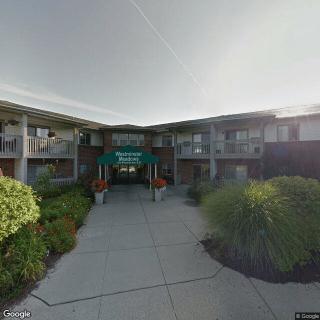
  • Westminster Meadows

    Westminster Meadows

    Grand Rapids, MI

    4.8 from 13 reviews
    $679 to $799 / month

    pro Well-maintained, friendly community with engaging activities and supportive staff.

  • Skld Leonard

    Skld Leonard

    Grand Rapids, MI

    4 from 35 reviews
     

    pro Extensive on-site amenities with 24/7 care and personalized support.

  • Hnrs Maryland House

    Hnrs Maryland House

    Grand Rapids, MI


    pro Comprehensive assisted living with meals, housekeeping, 24/7 supervision, care coordination, and activities in a furnished, garden setting.

  • Rivervalley 1

    Rivervalley 1

    Grand Rapids, MI

    5 from 1 review
     

    pro Home-like board and care with 24-hour supervision, personalized care, meals, daily activities, and outdoor spaces.

  • Clark Retirement Community at Franklin

    Clark Retirement Community at Franklin

    Grand Rapids, MI

    3.8 from 62 reviews
    $1,700 to $2,790 / month

    pro Clean, well-maintained facility with friendly staff, engaging activities, and excellent dining; solid memory care option.

  • Porter Hills Village

    Porter Hills Village

    Grand Rapids, MI

    3.8 from 67 reviews
    $2,400 to $3,900 / month

    pro Diverse care options and solid on-site amenities with generally positive staff.

  • Beacon Hill at Eastgate

    Beacon Hill at Eastgate

    Grand Rapids, MI

    4.4 from 45 reviews
    $1,160 to $2,420 / month

    pro Compassionate staff with comprehensive care options (independent, assisted, memory care) in a peaceful, amenity-rich setting.

Related Resources

  • caregiver support group22 Remarkable Caregiver Support Groups Available Online and In-Person

    Caregiver support groups are crucial for providing emotional and practical assistance to those caring for loved ones, offering resources, coping strategies, and a sense of community through various organizations and platforms. These groups help alleviate isolation and burnout while addressing the unique challenges faced by caregivers of individuals with specific conditions.

  • does medicaid pay for assisted livingUnderstanding Medicaid Coverage for Assisted Living: A Comprehensive Guide

    The guide outlines the complexities of Medicaid coverage for assisted living, highlighting significant state-to-state variations, limited coverage often restricted to personal care services, and the existence of specialized waivers for certain needs like memory care. It advises families to consult local Medicaid offices for options while emphasizing the importance of understanding state-specific regulations and facility policies.

  • does medicaid pay for assisted livingHow and When Medicaid May Cover Assisted Living Costs
    Medicaid coverage for assisted living varies by state and is primarily available to low-income individuals, with eligibility dependent on strict income and asset limits. Some states offer HCBS waivers for specific services in assisted living, but families must generally cover room and board costs, and should verify facility acceptance of Medicaid while considering potential waiting lists.