For more information about senior living options: (866) 208-4318
3.8 from 72 reviews
5 stars
37
4 stars
14
3 stars
3
2 stars
5
1 stars
13
Porter Hills Village Costs & Pricing
Porter Hills Village offers competitive monthly rates that stand out favorably against both Kent County and the broader Michigan market. For a studio apartment, residents can expect to pay $2,400, which is significantly lower than the county average of $3,661 and well below the state average of $3,824. One-bedroom units are similarly priced at $3,400, just slightly above the county's rate but still more affordable compared to the state's pricing. The two-bedroom options also reflect an attractive value at $3,900, particularly when compared to Kent County's average of $3,856 and Michigan's average of $3,523. Overall, Porter Hills Village positions itself as a cost-effective choice for potential residents seeking quality living arrangements in a desirable location.
Floor plans
Porter Hills Village
Kent County
Michigan
Studio
$2,400
$3,661
$3,824
1 Bedroom
$3,400
$3,483
$3,384
2 Bedrooms
$3,900
$3,856
$3,523
Assisted Living communities with a similar price nearby
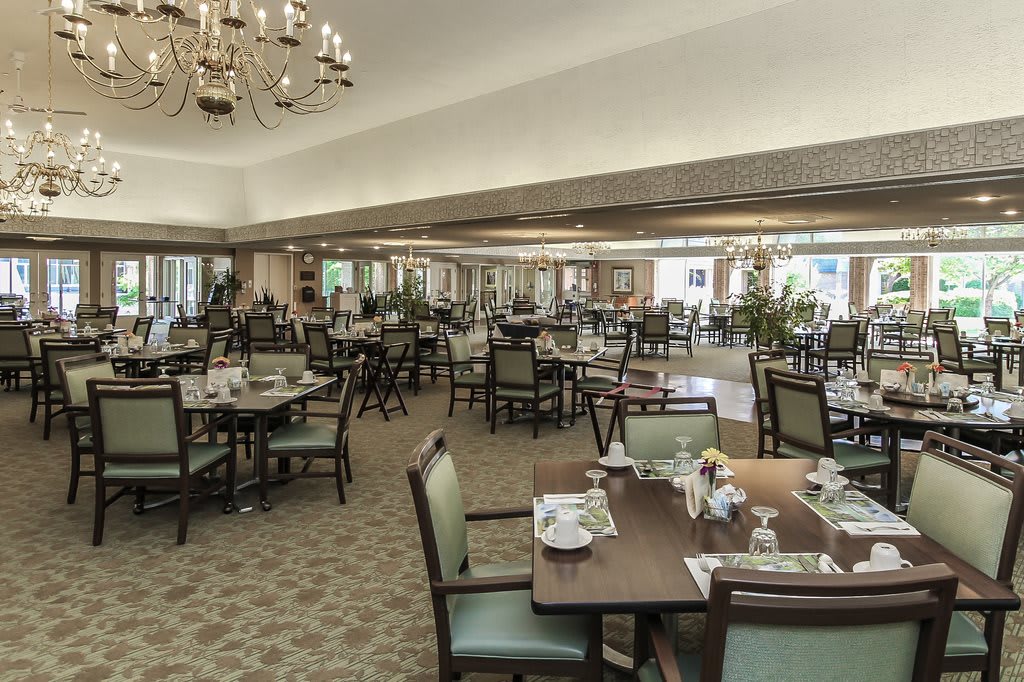
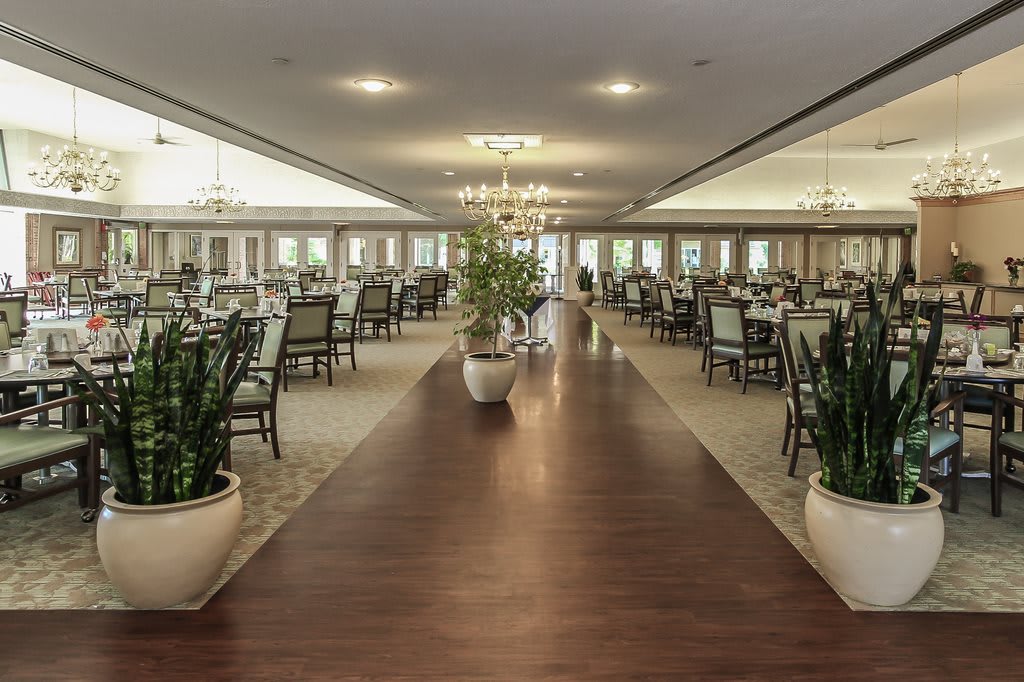
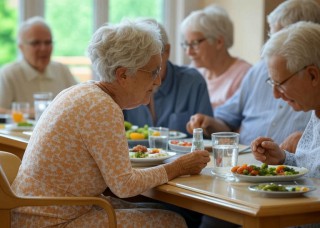
Residents consistently talk about meal quality and the dining room experience.
Many residents highlight the dining room as a key part of everyday life, including multiple meals per day and regular opportunities to socialize over food. Several specifically praise the cooking and presentation, describing excellent meals and chef-prepared options. A smaller set of reviews is much less impressed, criticizing the food quality as more cafeteria-like.
common8 reviews mention this
Activities and social time
Residents frequently mention on-site activities and opportunities to stay engaged.
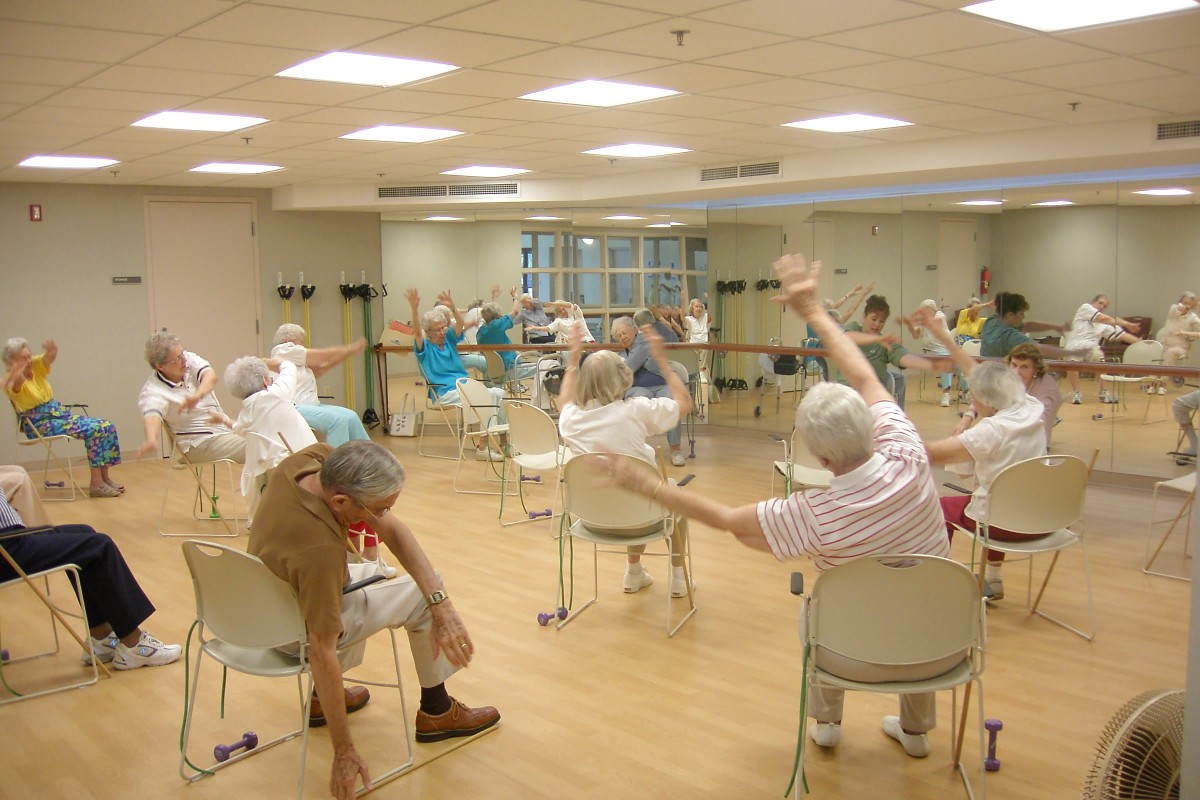
Reviews describe a steady calendar of activities, from scheduled group events to fitness and regular gatherings that make it easier to meet people. Some residents mention specific pursuits like gardening/woodworking, simulated golf, and attending weekly groups. A couple of comments also note that activity fit depends on interests, with one resident saying there wasn’t much that matched their preferences.
caveat9 reviews mention this
Care can vary by staff
Several residents and families report inconsistent care or delayed responses.
Some reviews say care quality depends on the individual worker, with concerns about weekend staffing coverage and how quickly help is provided. Families also describe gaps like missed follow-ups, slow communication, and medication-related issues that took days to get addressed. There are also concerns about care transitions and whether the community had room or the right setting when needs increased.
common7 reviews mention this
Cleanliness shows up in reviews
Cleanliness and maintenance are mentioned repeatedly, for better and worse.
Many residents and families praise cleanliness, including rooms being cleaned regularly, a lack of unpleasant odors, and well-kept facilities. Some also tie the experience to maintenance and a feeling that the building is cared for. On the other hand, a few reviews raise serious cleanliness-related concerns, including pests and hygiene problems tied to care.
common22 reviews mention this
Staff are often described as caring
A large share of reviews describe the staff as kind, professional, and responsive.
Across independent living, assisted living, and rehab experiences, many reviewers say staff members are welcoming and treat residents with respect. Several families describe managers, nurses, and caregivers as attentive and caring, and note that staff keep them informed. A minority of reviews contradict this, describing rude behavior, lack of accountability, and staff members not meeting residents’ needs.
How we summarize
Counts show how many written reviews mention each theme; a review can touch several themes, and only frequently mentioned themes are displayed.
Features
Housing
212 resident community capacity
1-bedroom apartments
2-bedroom apartments
Condos / townhomes
Studio apartments
Types of Care
Assisted Living
Continuing Care Retirement Community (CCRC)
Independent Living
Memory Care
Skilled Nursing Facility
Amenities
Activities off-site
Activities on-site
Air-conditioning
Beauty salon
Cable or satellite TV
Computer center
Devotional services off-site
Devotional services on-site
Dining room
Fitness room
Full kitchen
Fully furnished
Gaming room
Garden
Housekeeping services
Indoor common areas
Kitchenette
Laundry
Move-in coordination
Outdoor space
Private bathrooms
Resident parking
Restaurant-style dining
Small library
Swimming pool
Telephone
Wellness center
Wi-Fi/high-speed internet available
Transportation
Kent County International (6 miles away)
Community operated transportation
Transportation & parking
Transportation arrangement
Transportation arrangement (non-medical)
Care Services
24-hour call system
24-hour supervision
Activities of daily living assistance
Ambulatory care
Assistance with bathing
Assistance with dressing
Assistance with transfers
Diabetes diet
Diabetic care
Meal preparation and service
Medication management
Physical therapy
Special dietary restrictions
Dining
Diabetes diet
Meals provided
Special dietary restrictions
Activities
Activities off-site
Activities on-site
Community-sponsored activities
Concierge services
Devotional activities offsite
Devotional activities on-site
Fitness programs
Planned day trips
Religious services
Resident-run activities
Scheduled daily activities
Languages Spoken
English
Videos
Nearby Places of Interest
This area of Grand Rapids, Michigan offers a convenient and well-equipped location for senior living. With a variety of physicians, hospitals, and pharmacies in close proximity, residents can easily access medical care and services. The presence of parks provides opportunities for outdoor recreation and relaxation, while nearby restaurants and cafes offer dining options for socializing with friends and family. Places of worship are also conveniently located for spiritual fulfillment. Additionally, the presence of theaters and cultural centers like the Frederik Meijer Gardens & Sculpture Park provide opportunities for entertainment and enrichment. Overall, this area provides a balanced blend of healthcare facilities, recreational amenities, dining options, and cultural activities for seniors looking to retire in a vibrant community.
Physicians
Dr Sova Medical Office (1 miles)
Javery Pain Institute (1.1 miles)
Corporate Occupational Health (1.2 miles)
DBC-Dr DenBoer/Dr Fischer (1.2 miles)
Patel Dipa S MD (1.2 miles)
Metro Health (1.3 miles)
Allergy & Asthma Care Of Western Michigan (1.4 miles)
Parks
Frederik Meijer Gardens & Sculpture Park (1.4 miles)
Huff Park (3.9 miles)
Chesebro Park (3.9 miles)
Hospitals
Spectrum Health (1.5 miles)
Blodgett Hospital (2.2 miles)
Richard J. Lacks Sr. Cancer Center (4.1 miles)
Trinity Health Birth Center - Grand Rapids Hospital (4.2 miles)
Porter Hills Village offers competitive monthly rates that stand out favorably against both Kent County and the broader Michigan market. For a studio apartment, residents can expect to pay $2,400, which is significantly lower than the county average of $3,661 and well below the state average of $3,824. One-bedroom units are similarly priced at $3,400, just slightly above the county's rate but still more affordable compared to the state's pricing. The two-bedroom options also reflect an attractive value at $3,900, particularly when compared to Kent County's average of $3,856 and Michigan's average of $3,523. Overall, Porter Hills Village positions itself as a cost-effective choice for potential residents seeking quality living arrangements in a desirable location.
Porter Hills Village's comprehensive approach to memory care includes features such as assistance with dressing, which promotes independence while ensuring residents are comfortably and appropriately attired. Medication management is crucial for maintaining health, as it helps prevent confusion and potential errors, allowing residents to adhere to their treatment regimens. Meal preparation and service cater to nutritional needs, fostering a routine that is vital for individuals with cognitive impairments. Activities of daily living assistance, including bathing and transfers, not only support personal hygiene and mobility but also encourage dignity and self-esteem among residents. The provision of 24-hour supervision ensures safety and peace of mind for both residents and their families, while access to physical therapy helps maintain mobility and physical health, further enhancing overall well-being in a supportive environment tailored to the unique challenges posed by dementia or Alzheimer's disease.
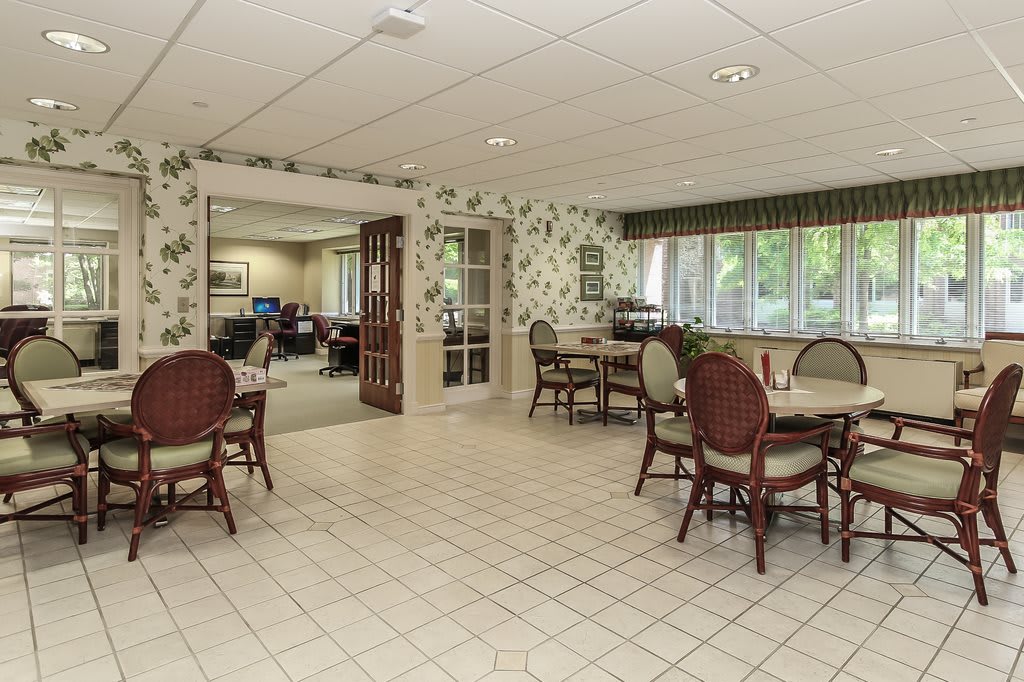
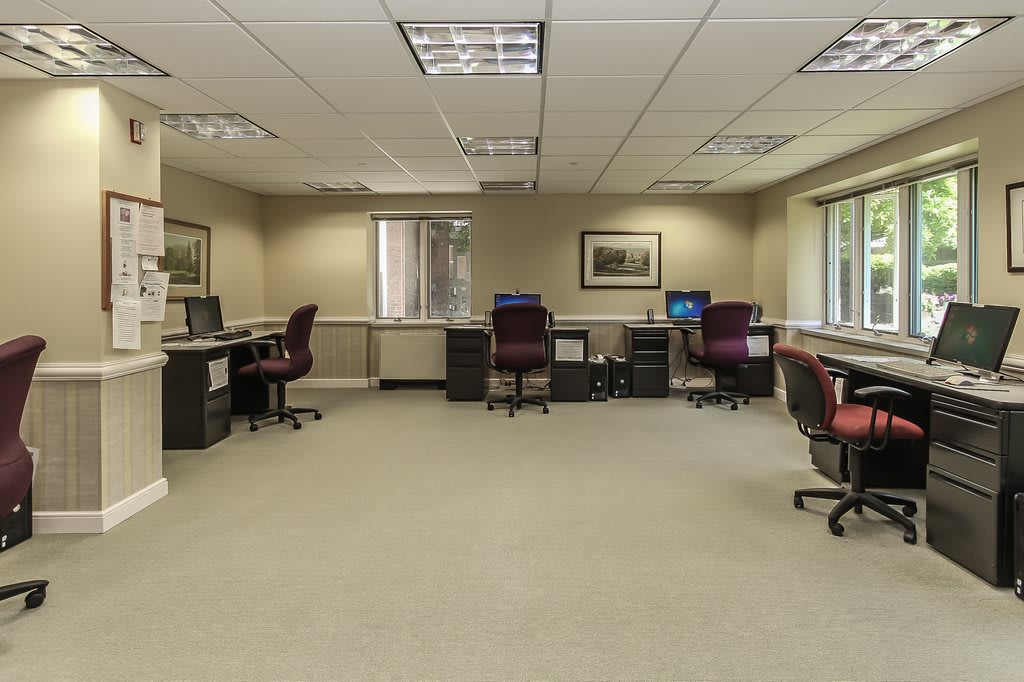
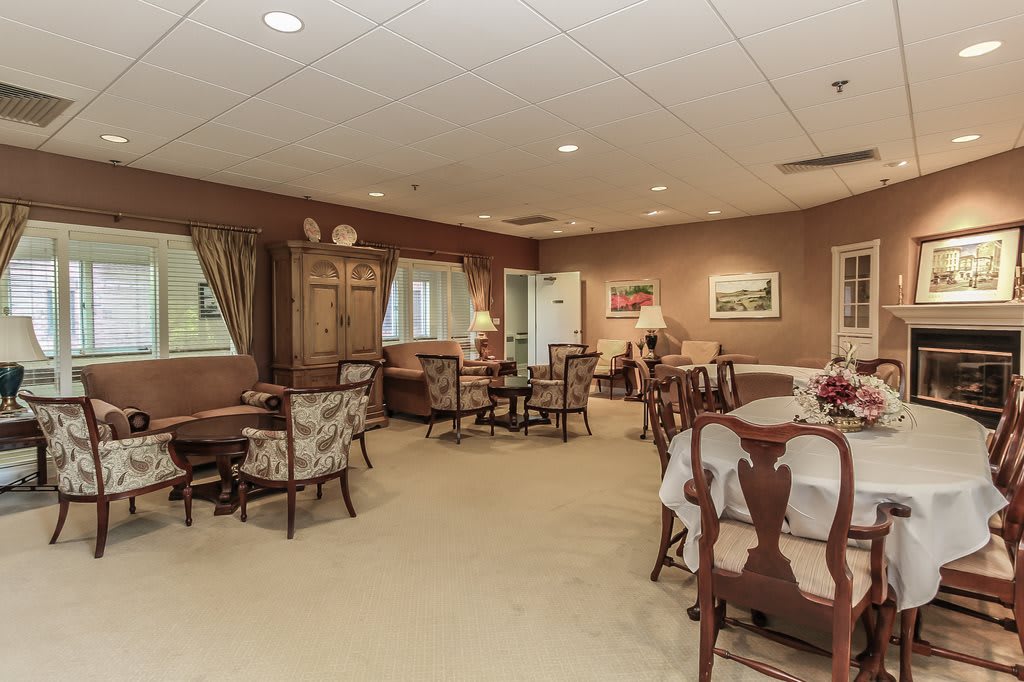
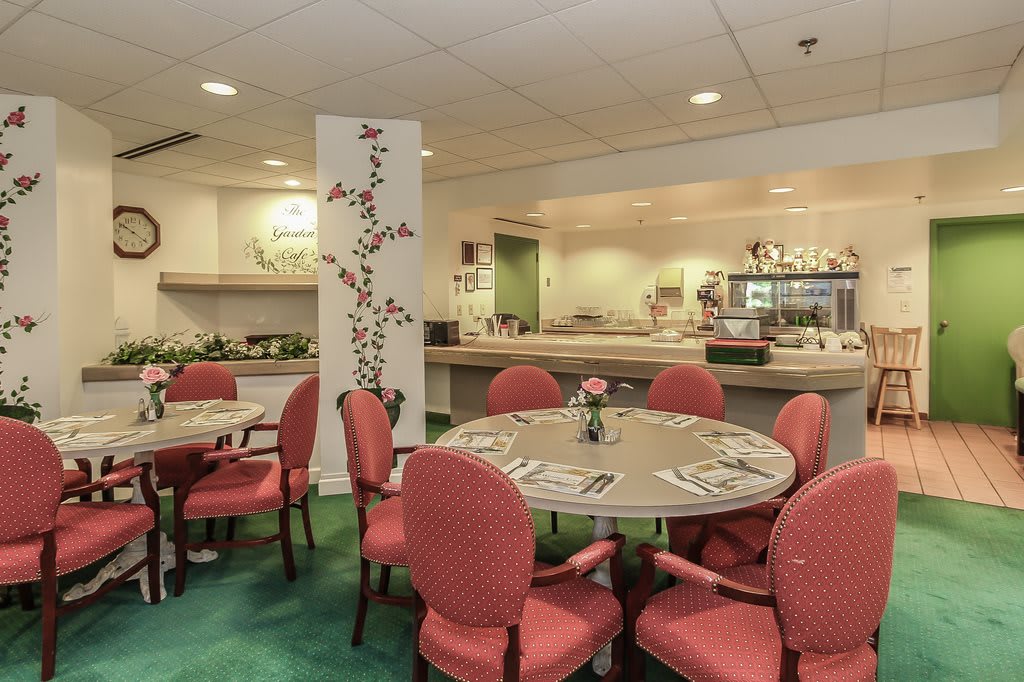
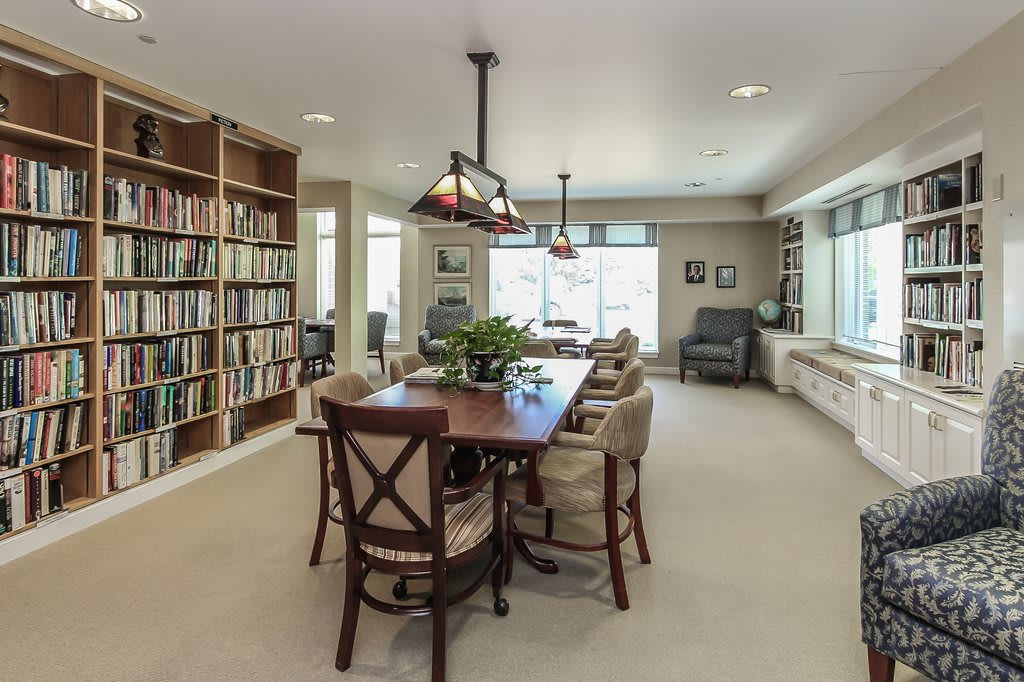
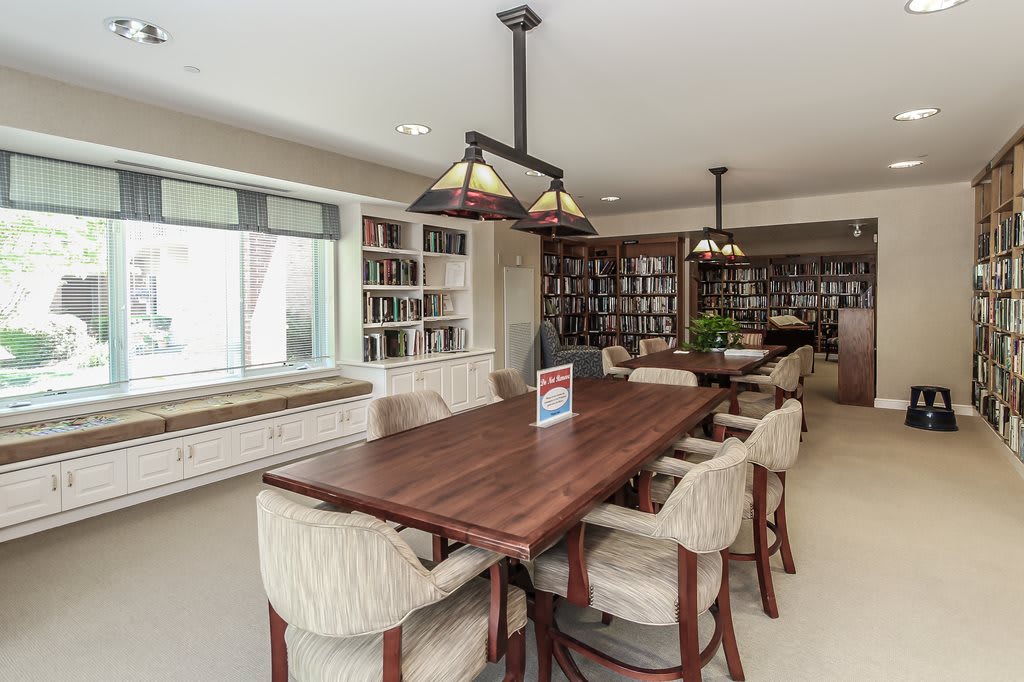
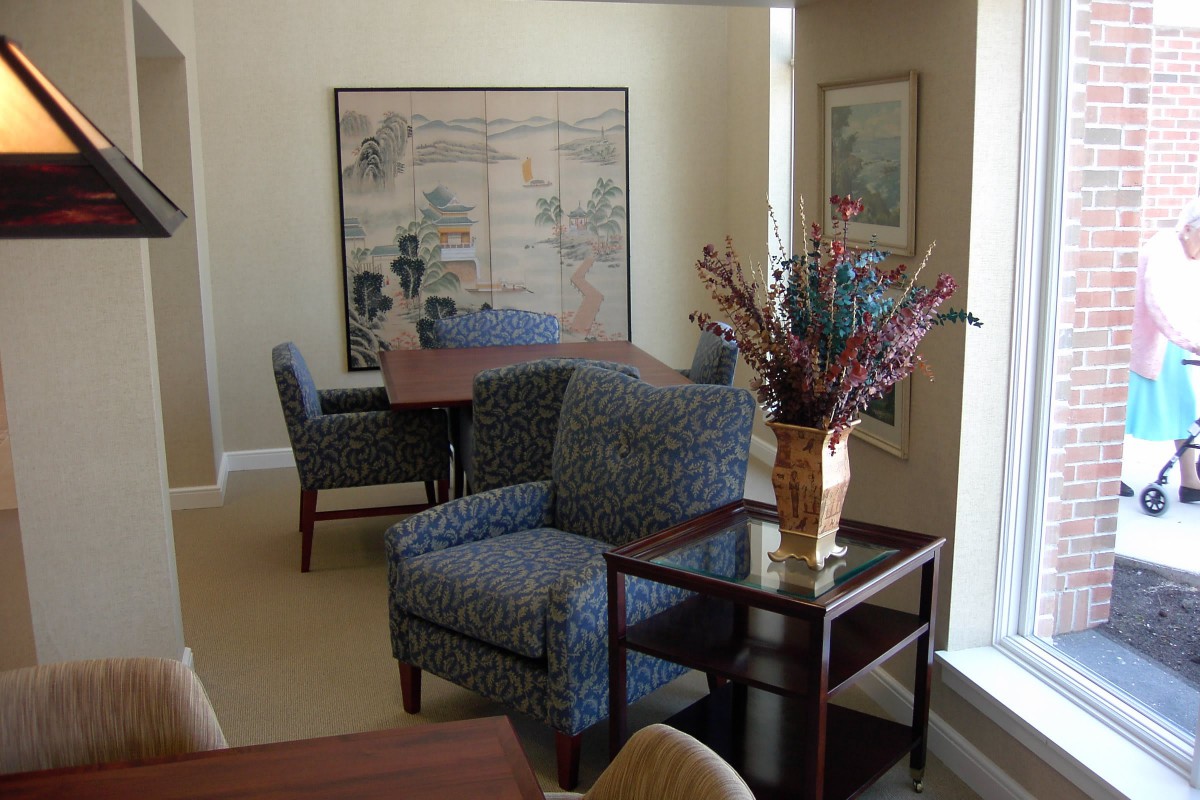
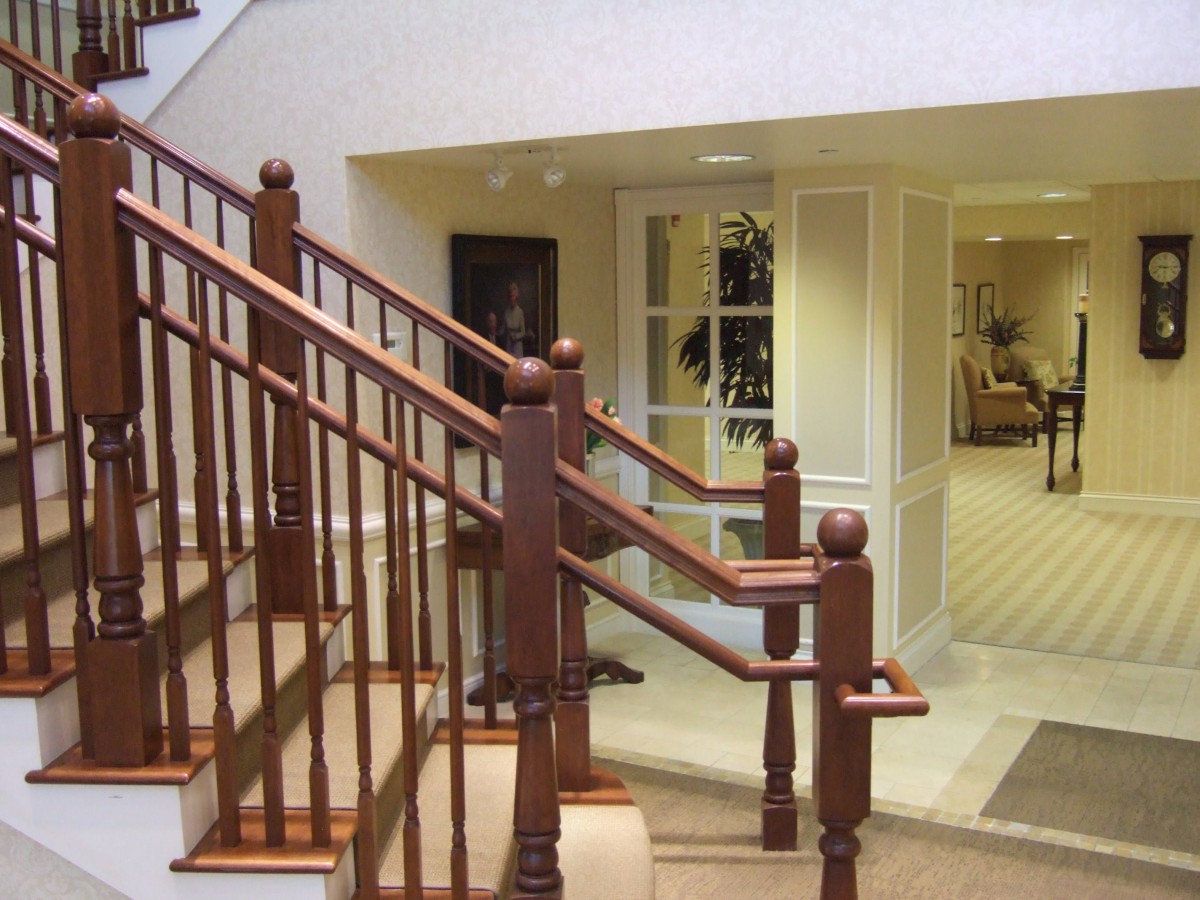
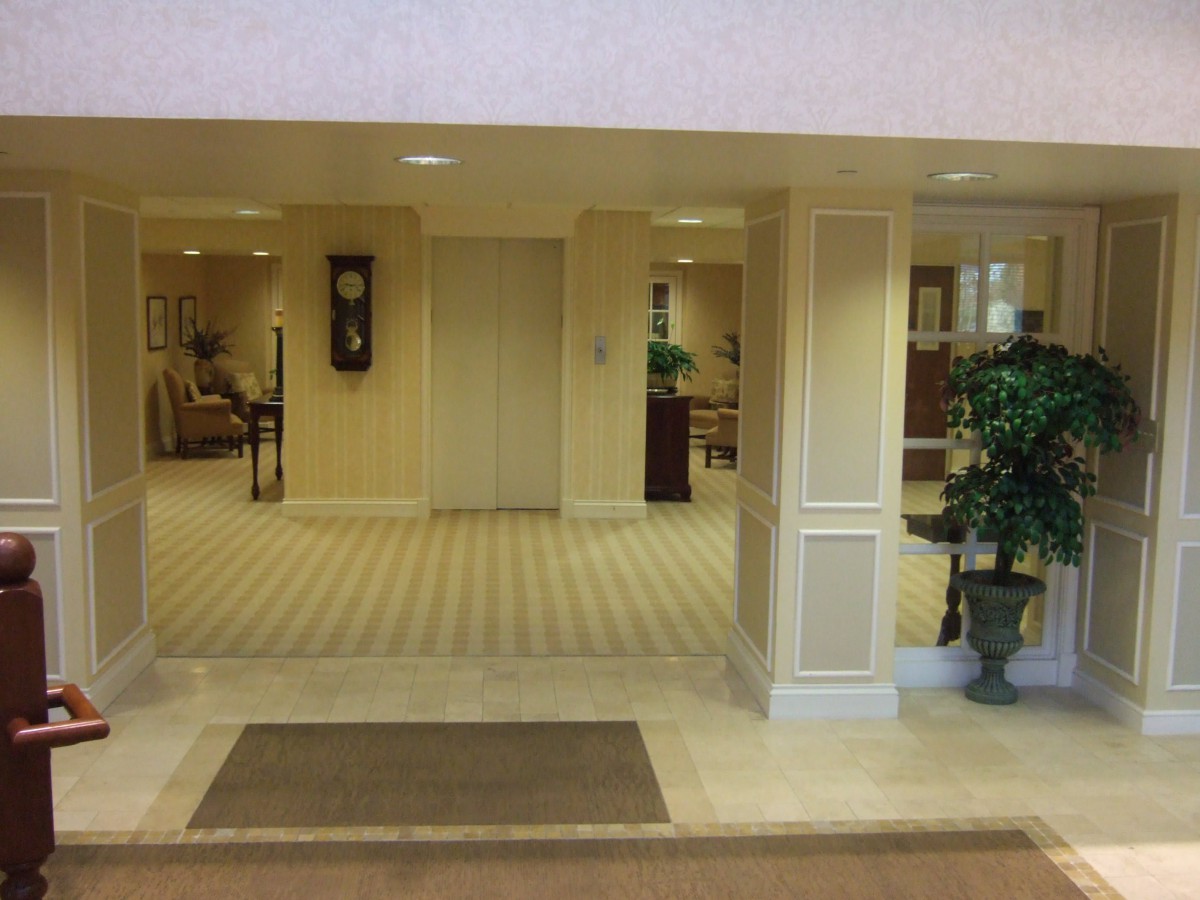
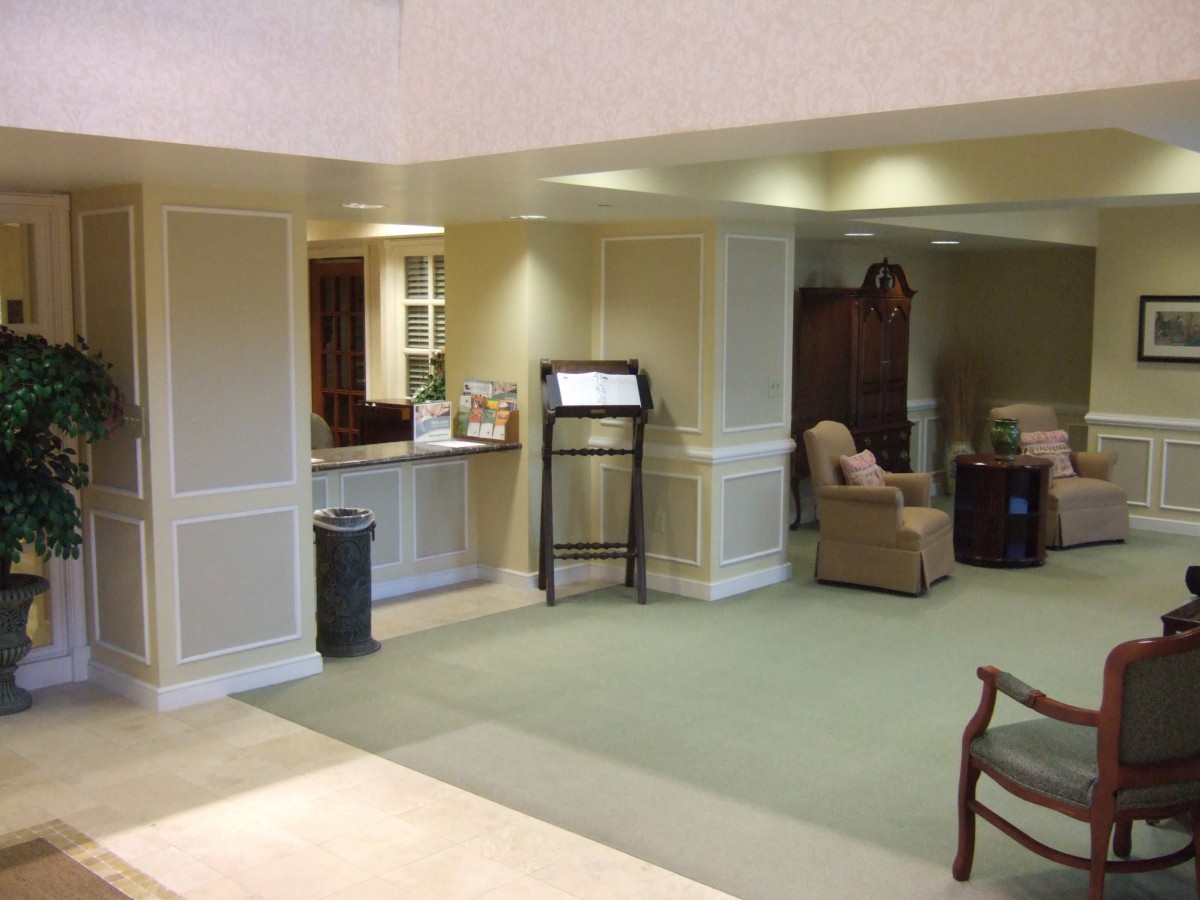
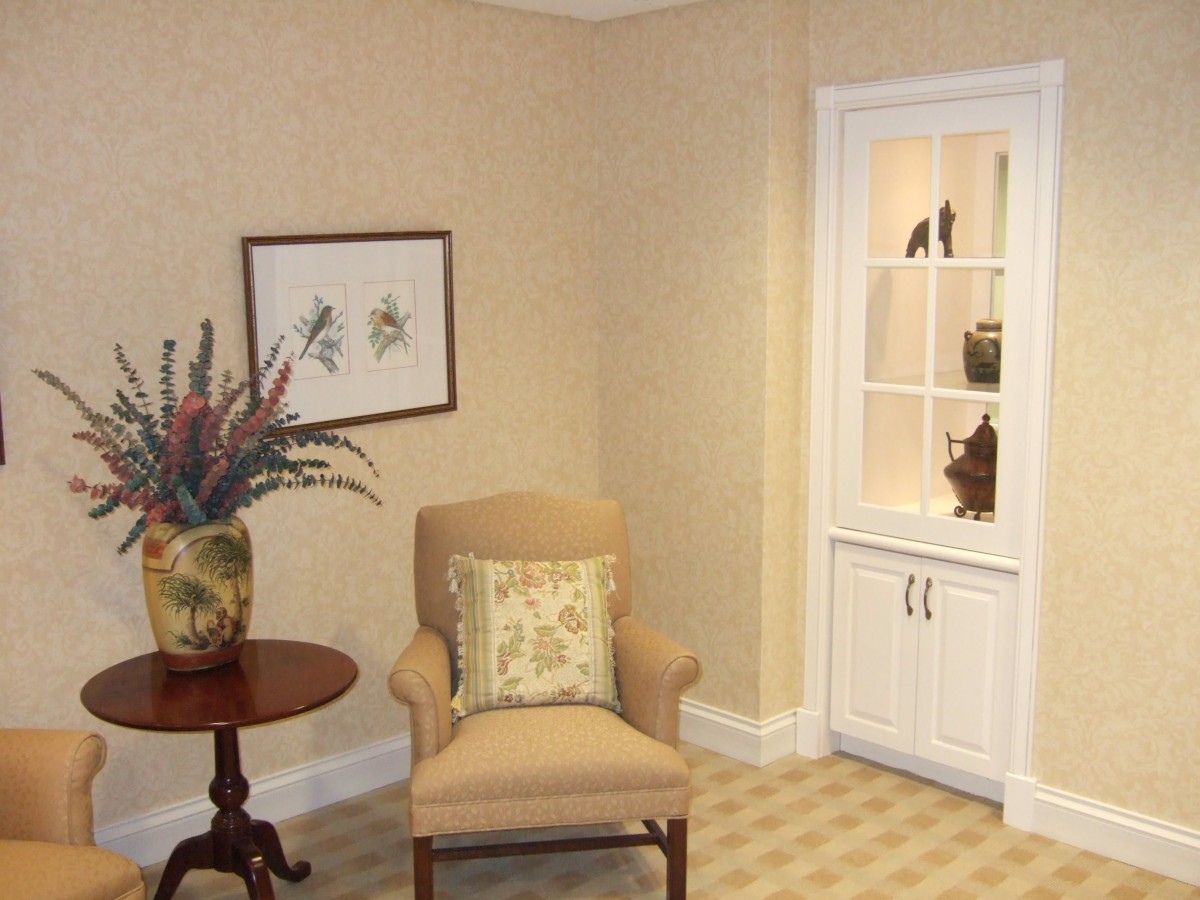
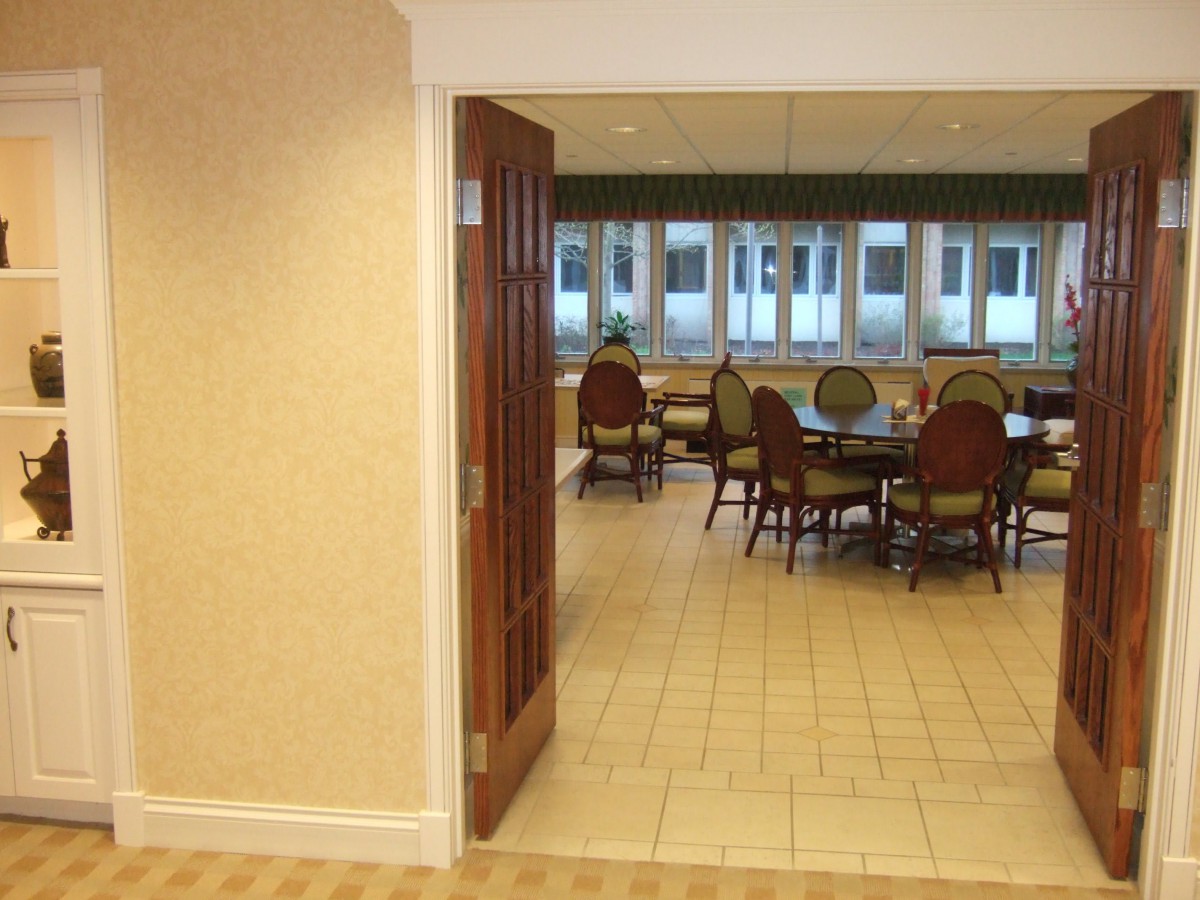
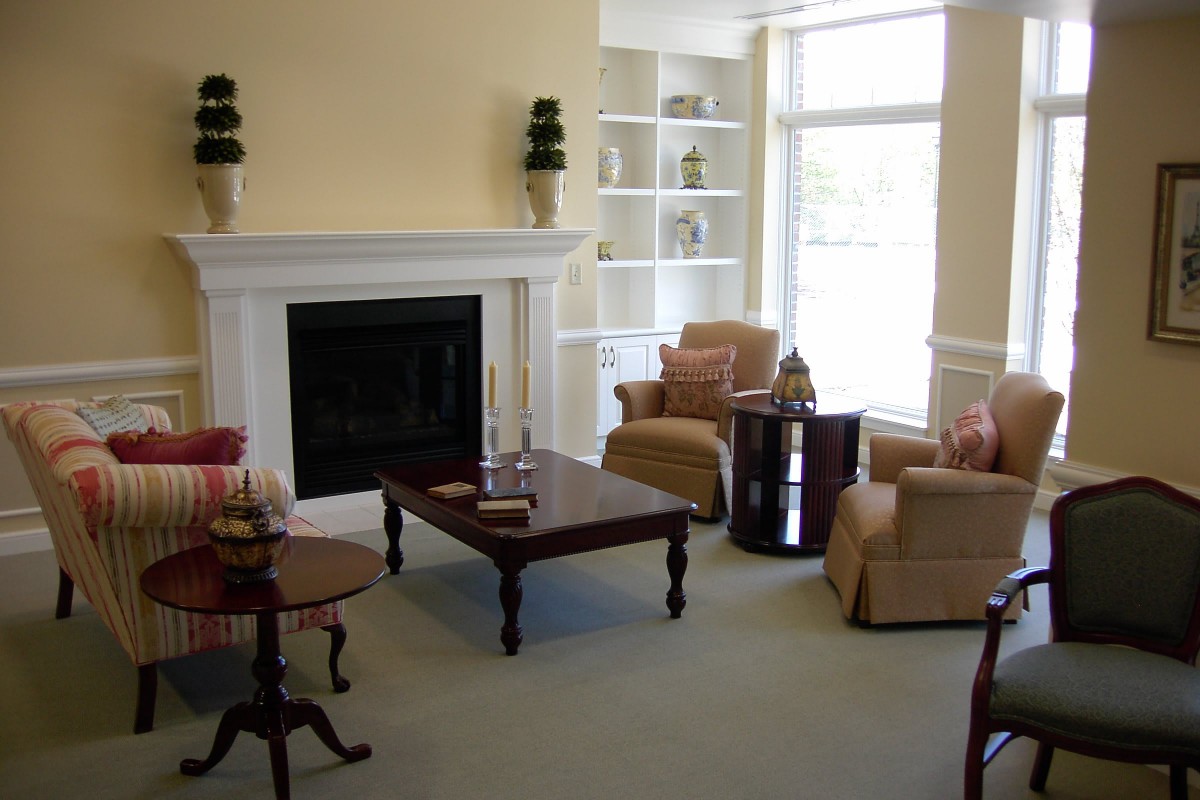
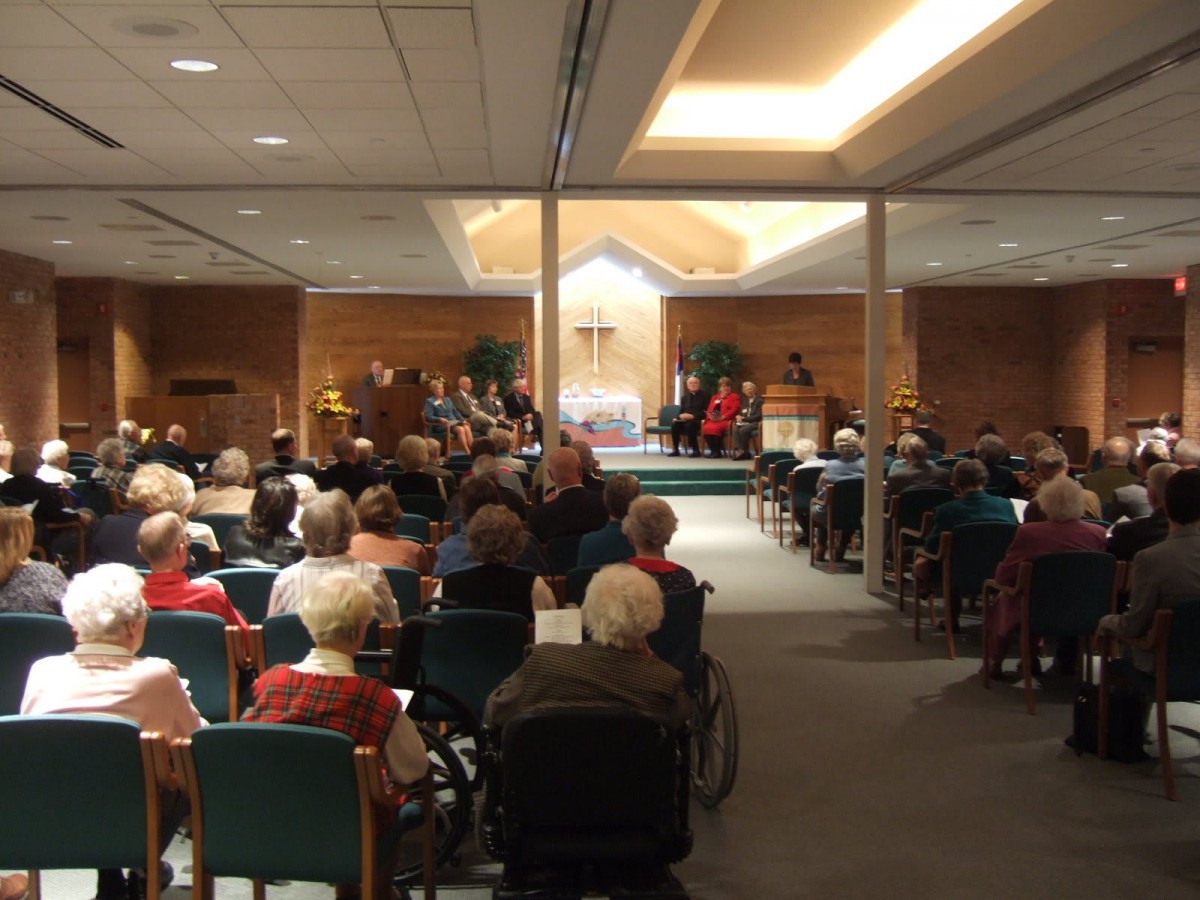
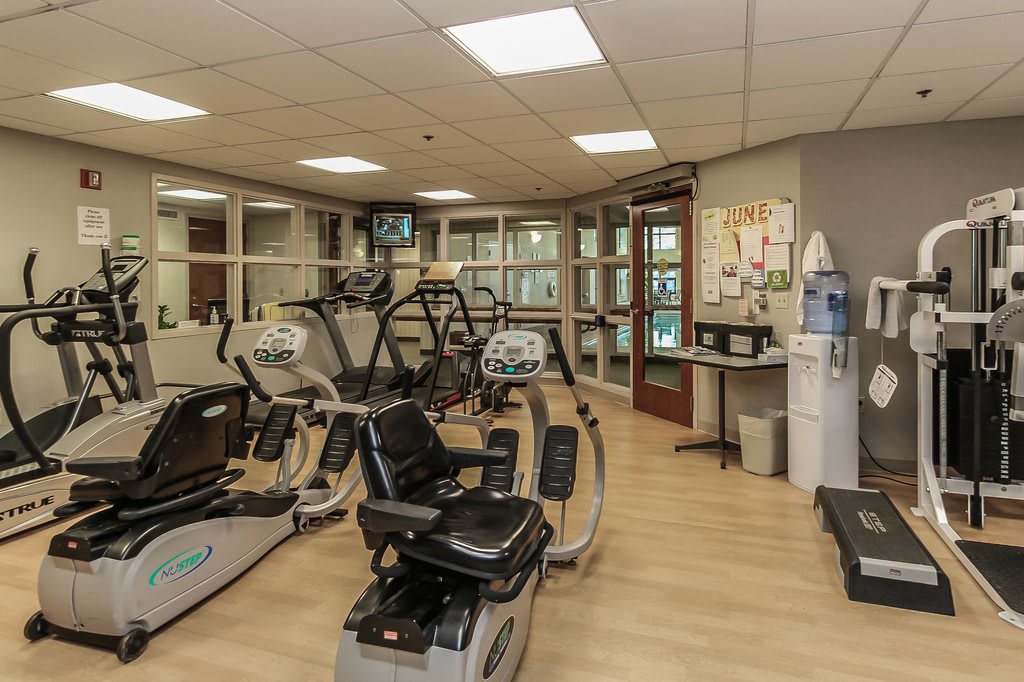
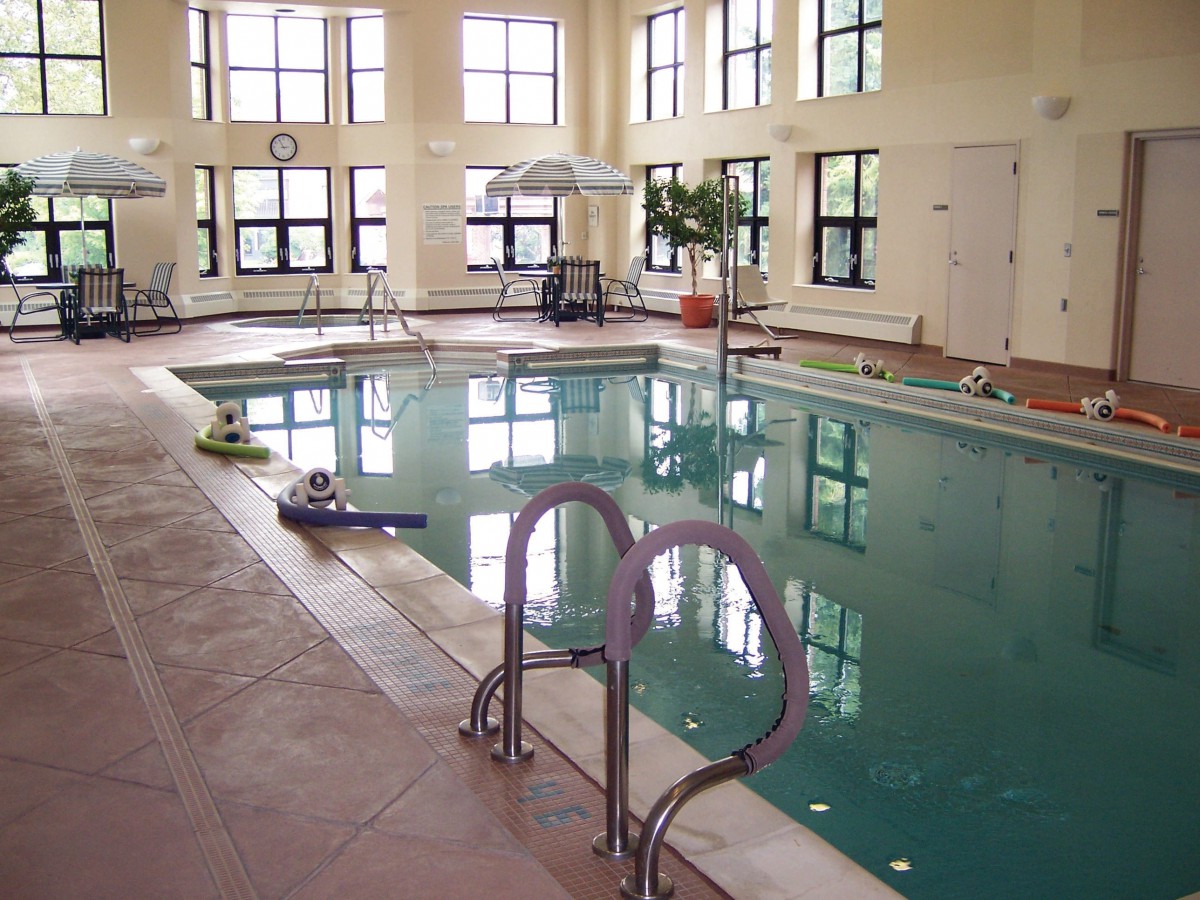
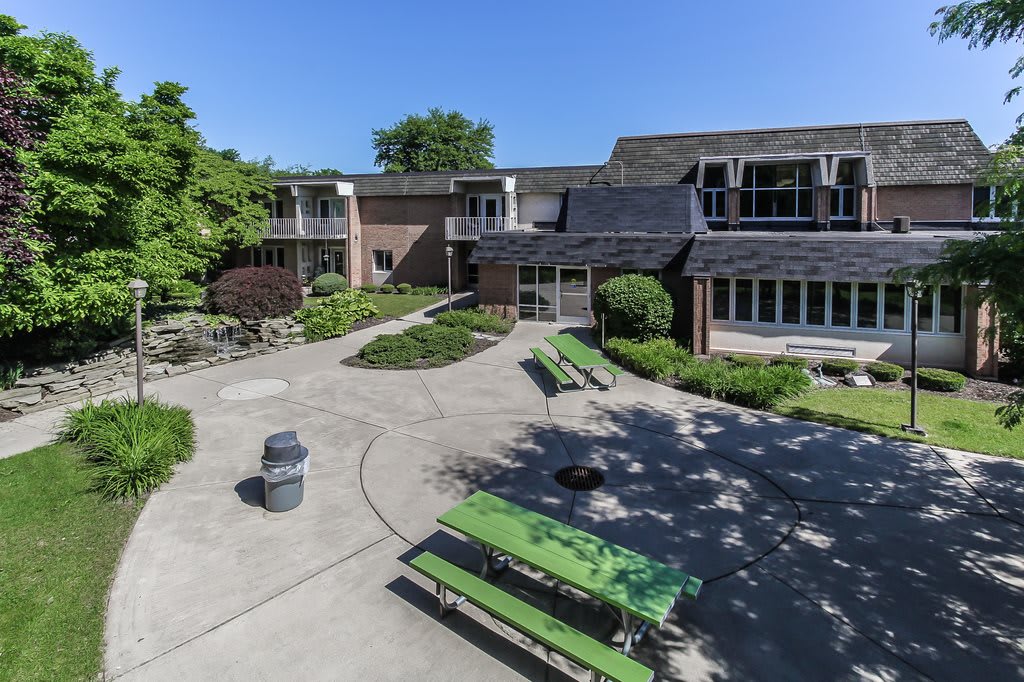
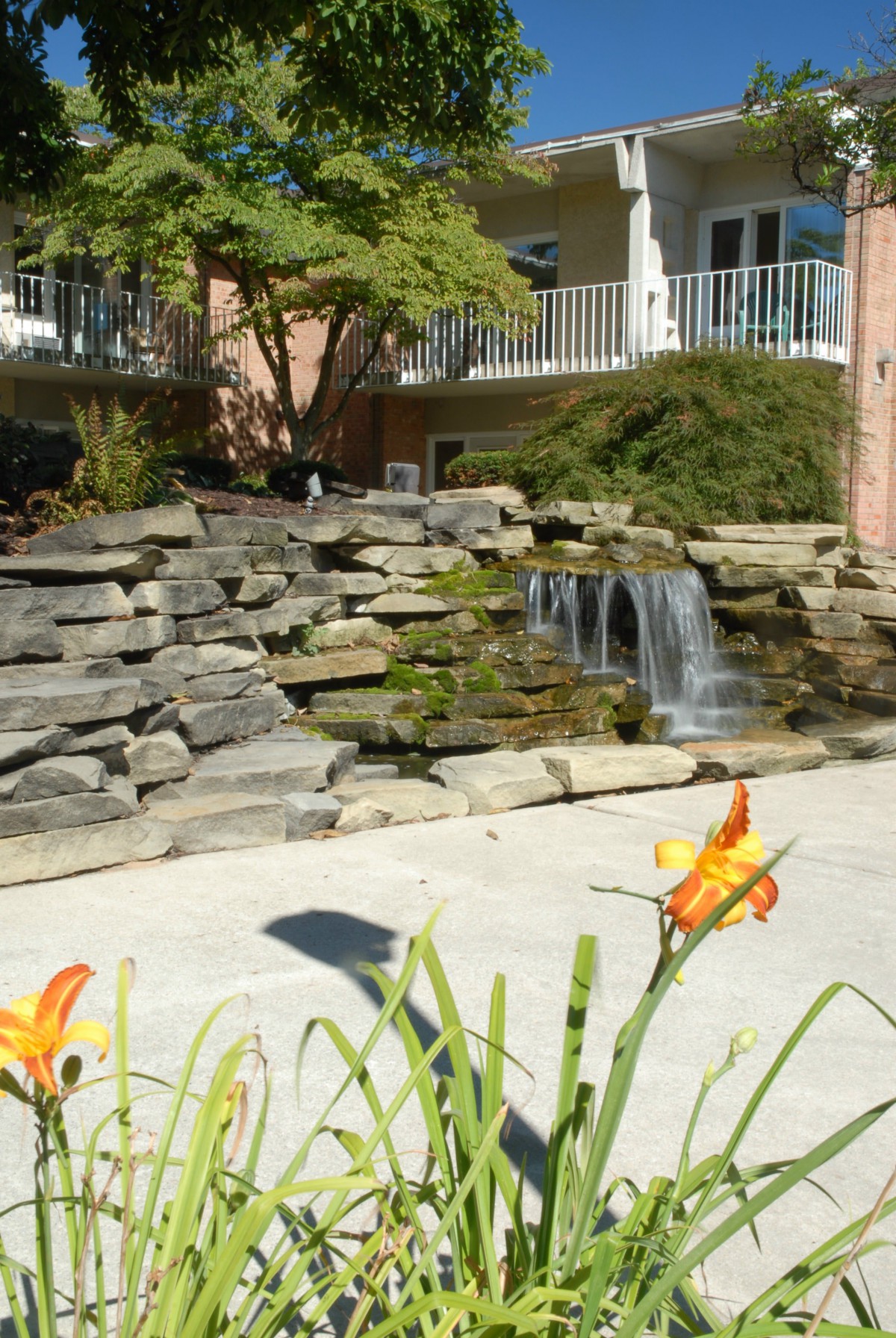
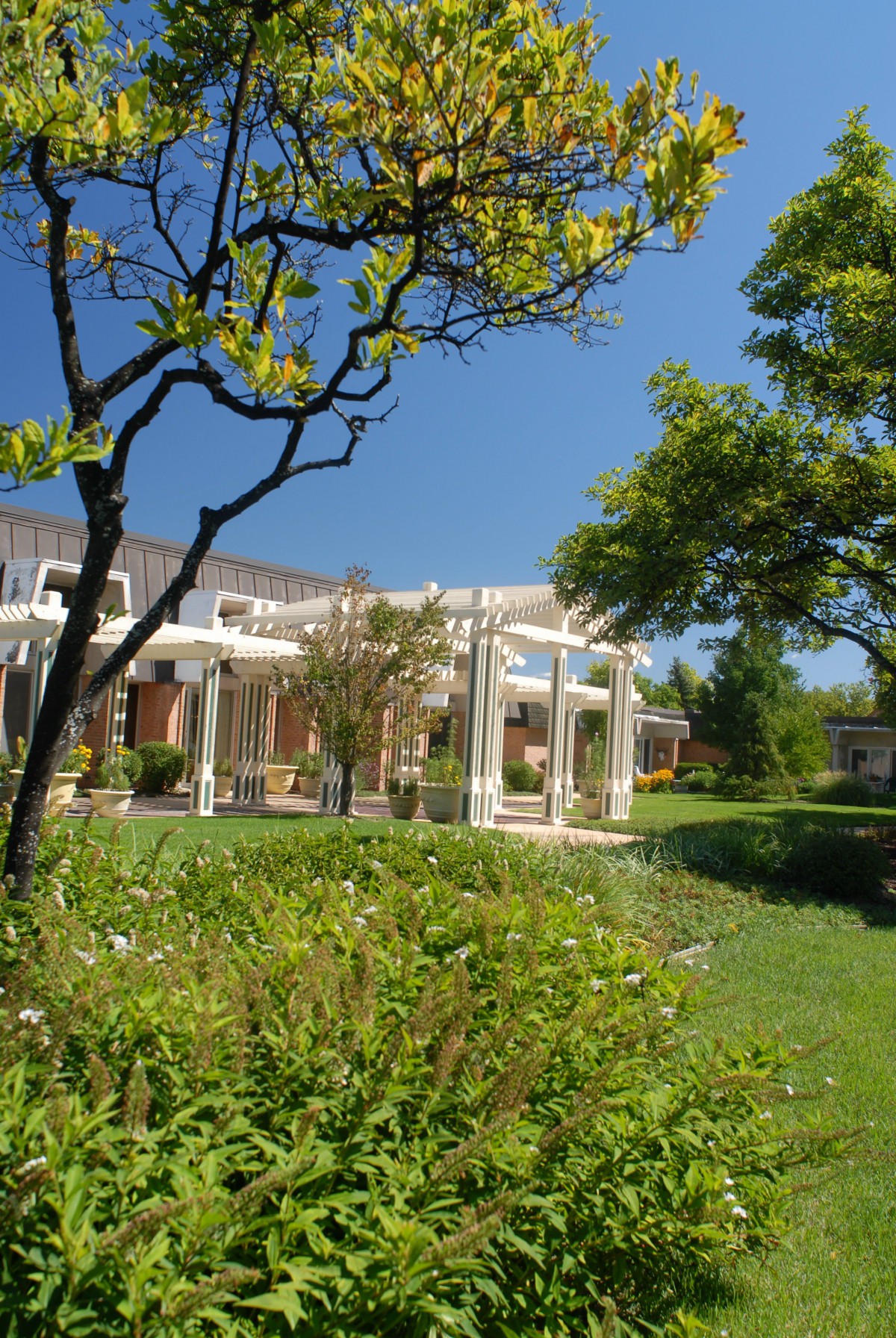
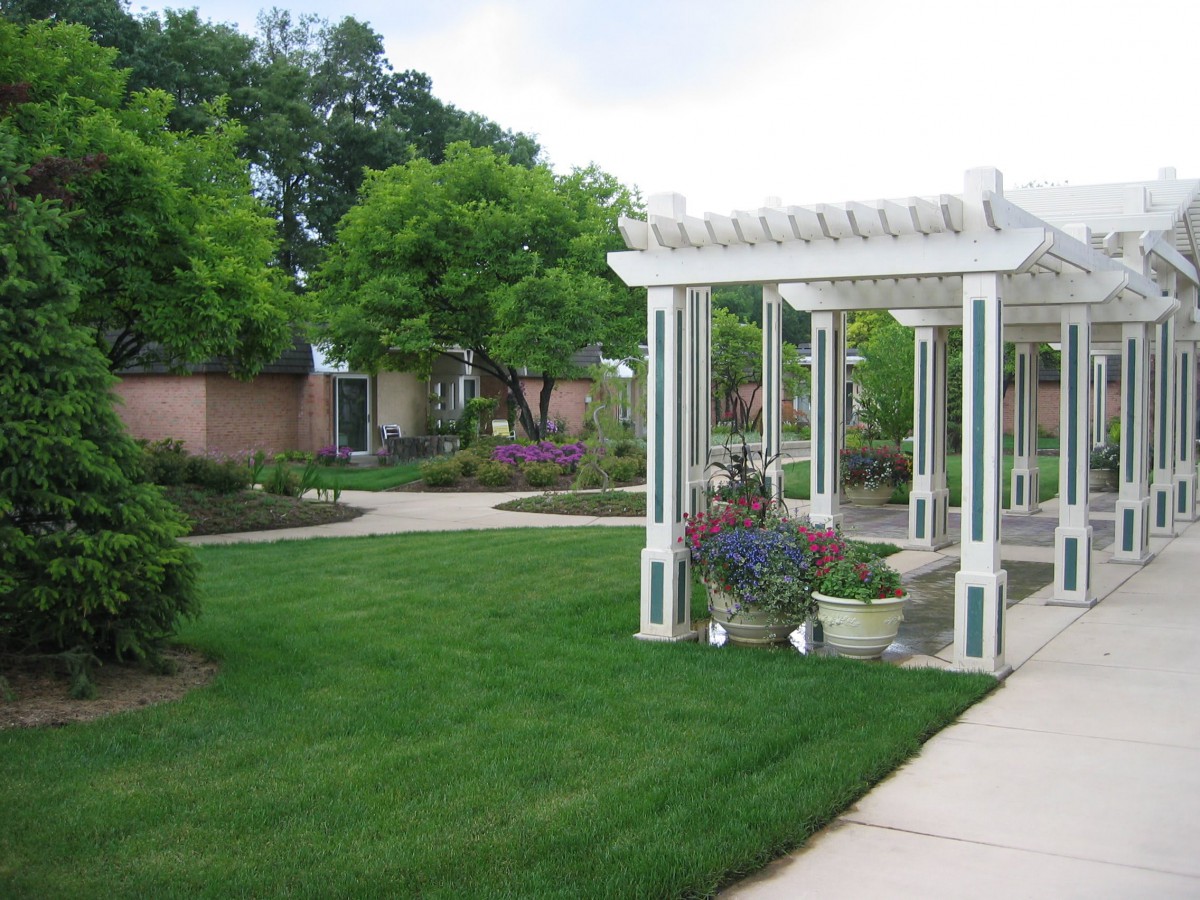
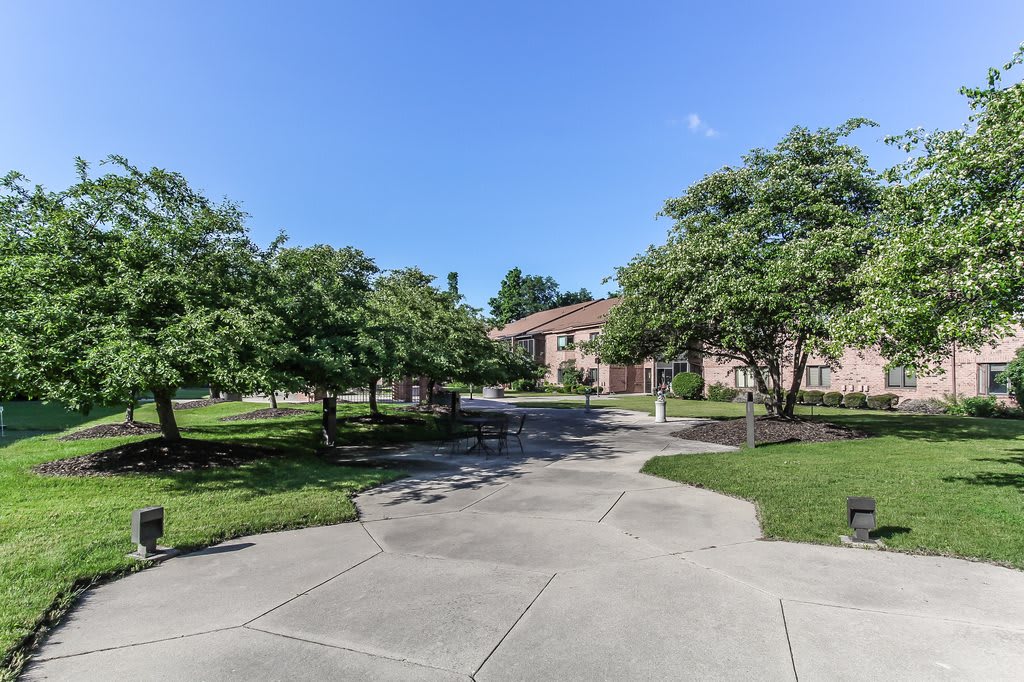
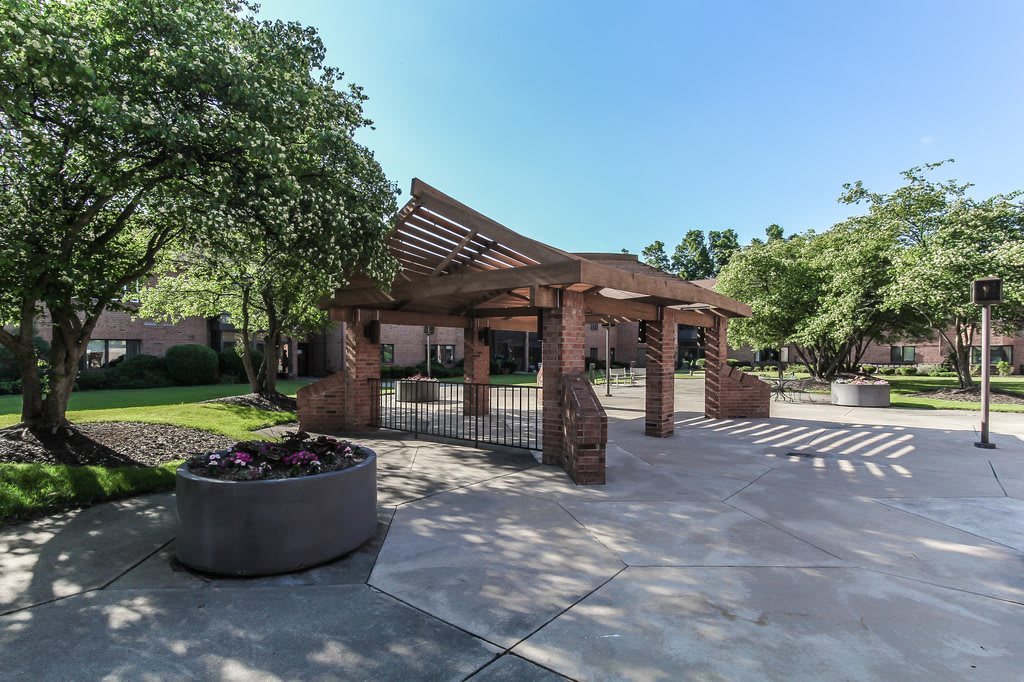
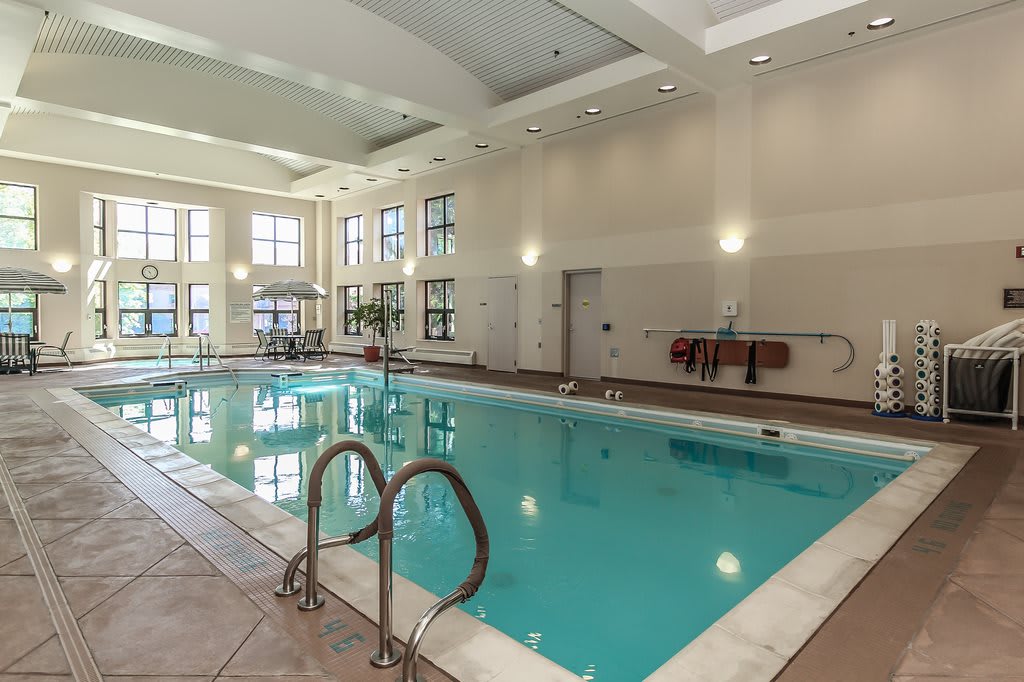
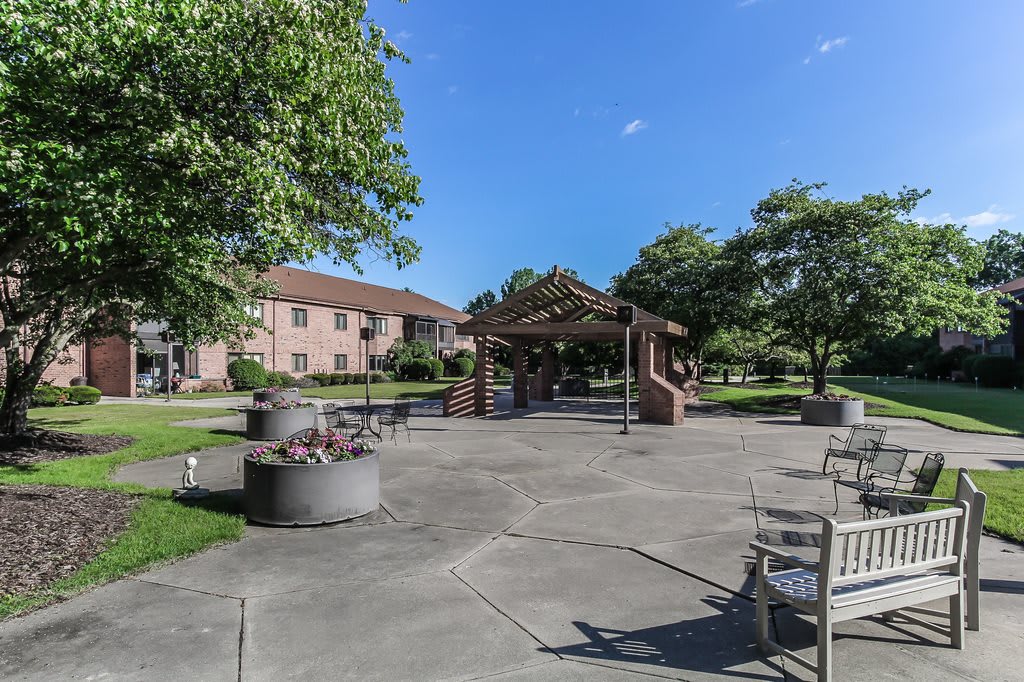
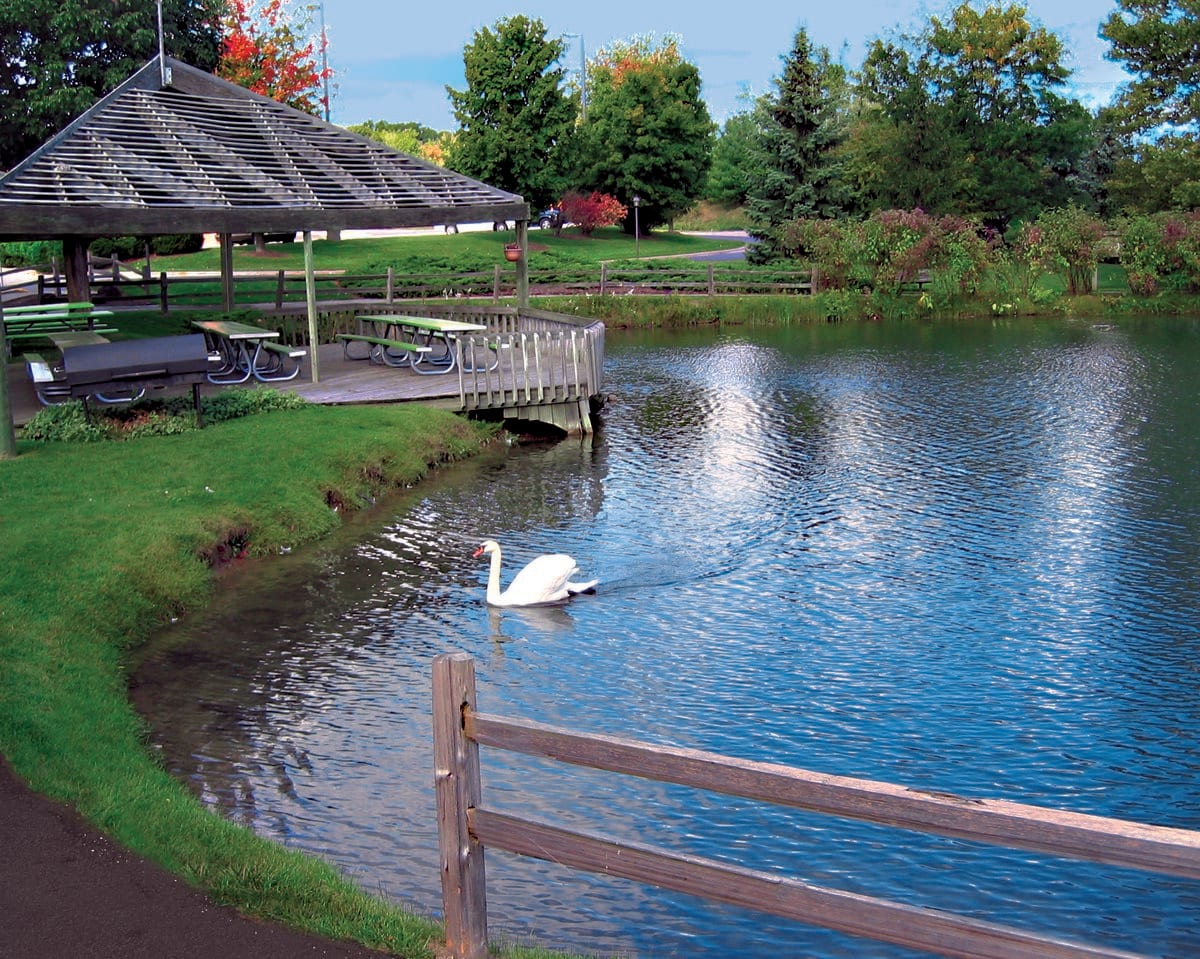
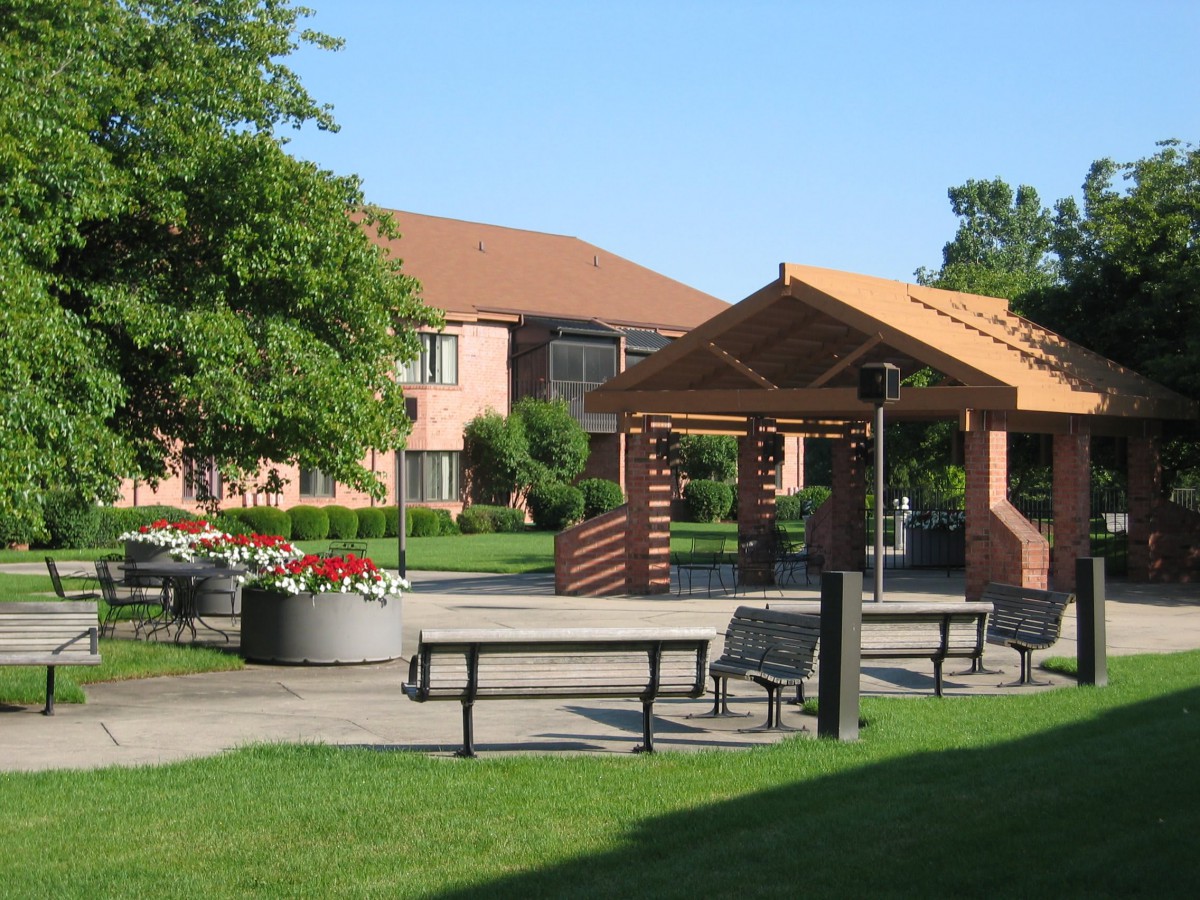
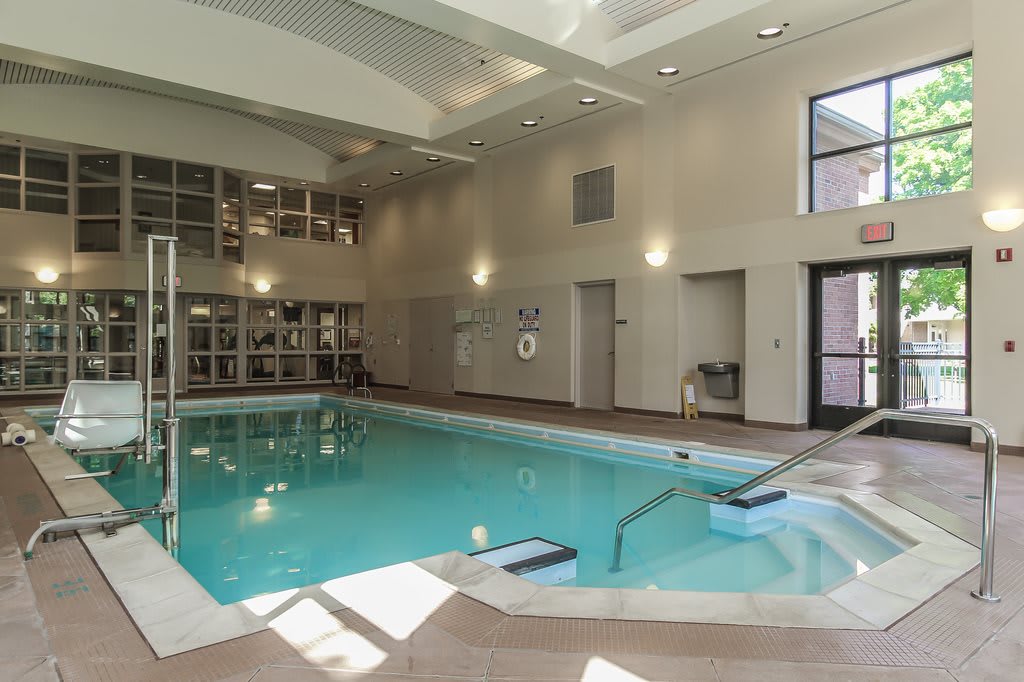
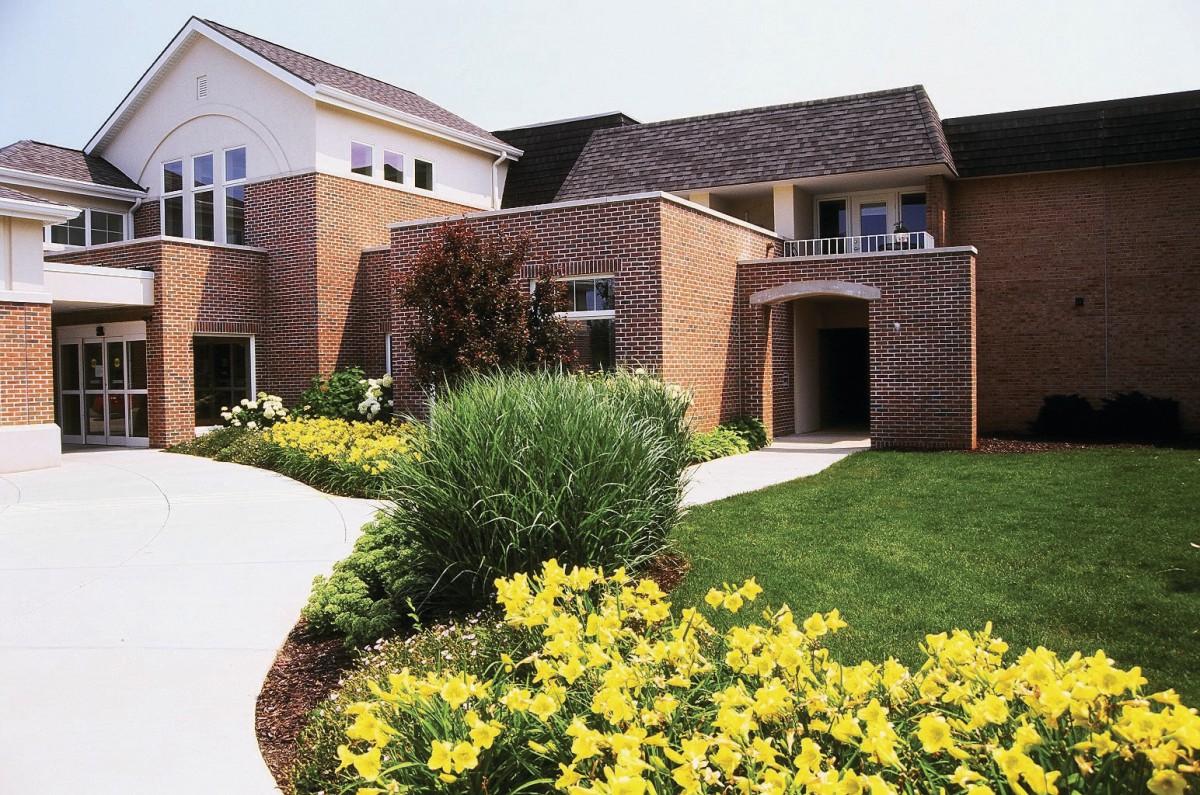
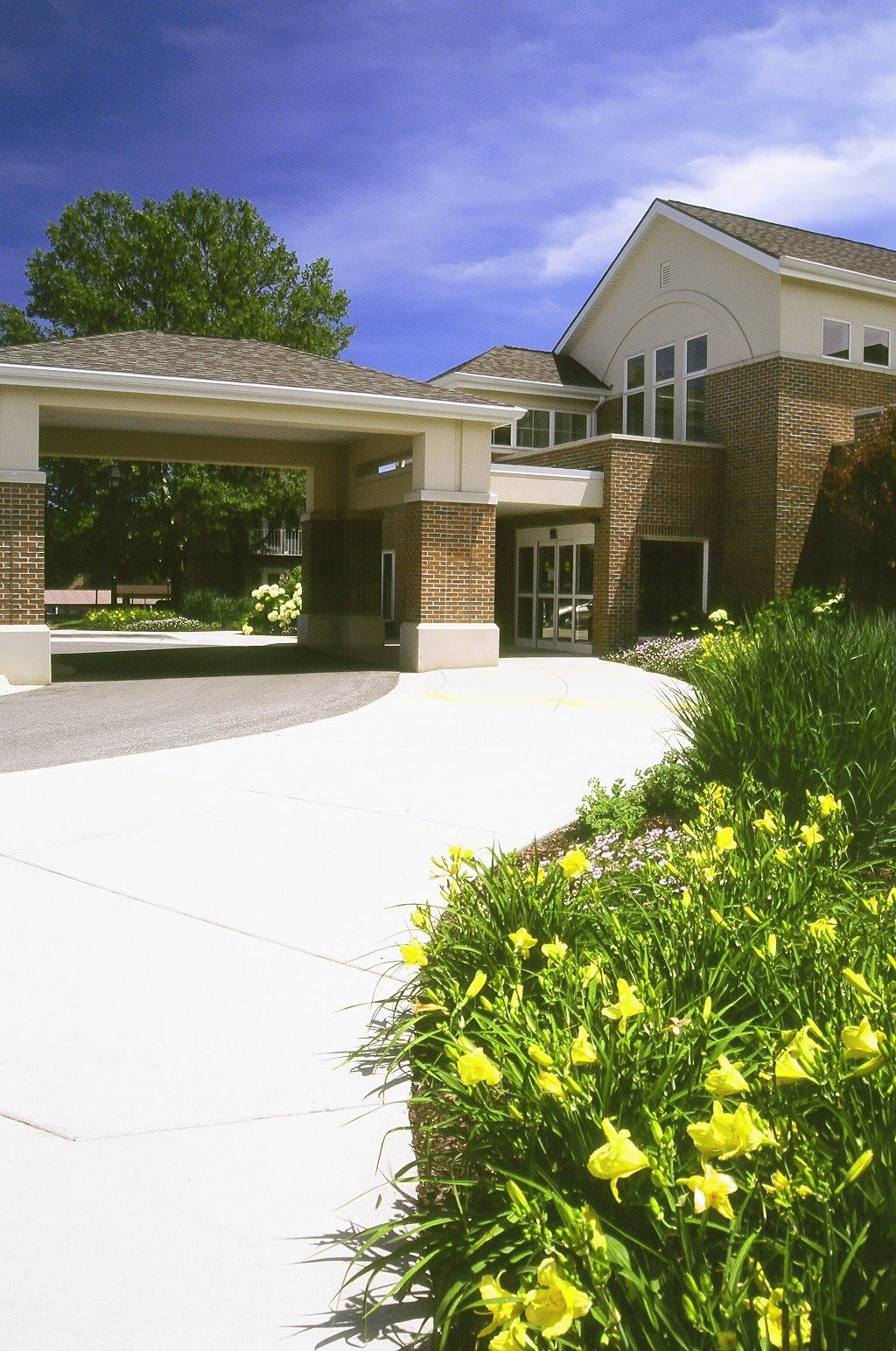
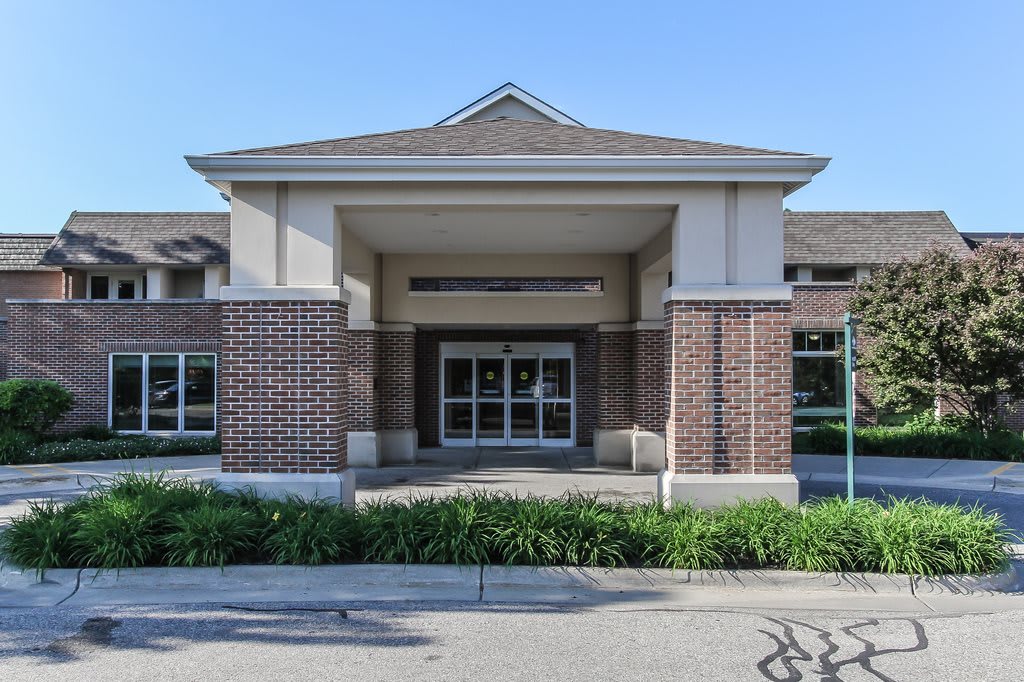
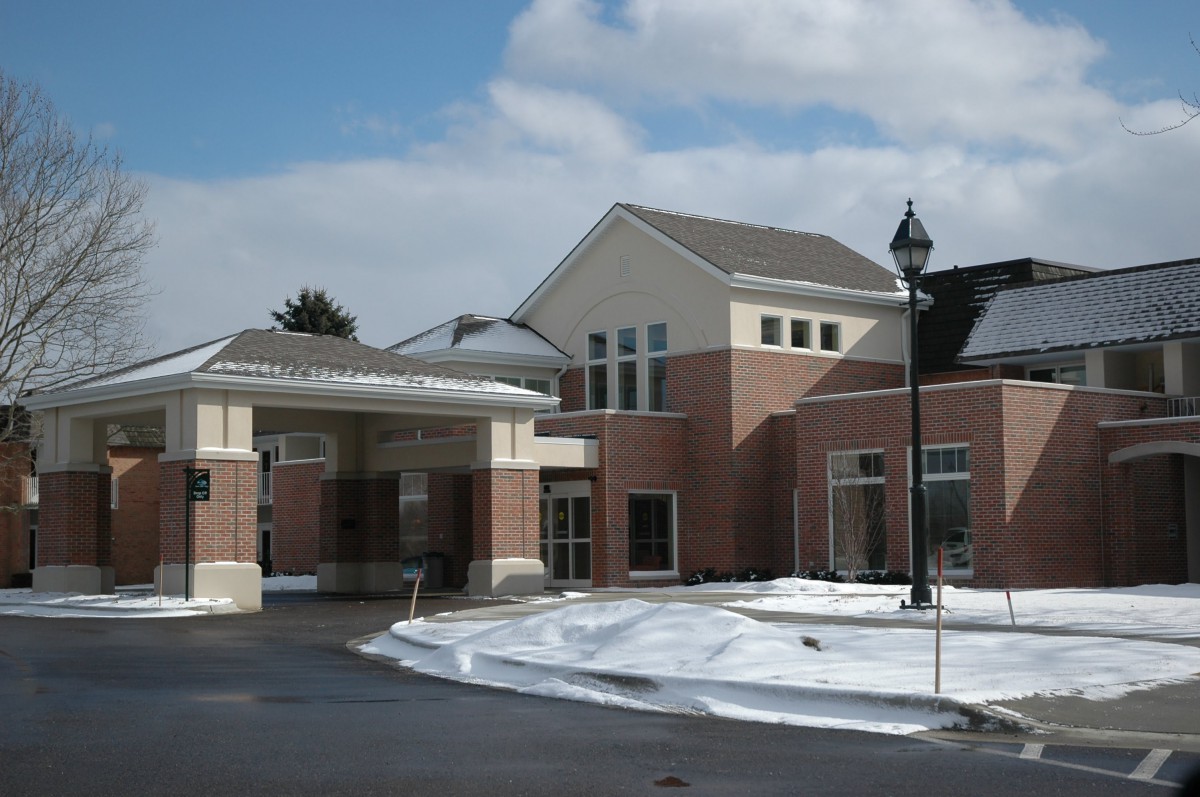
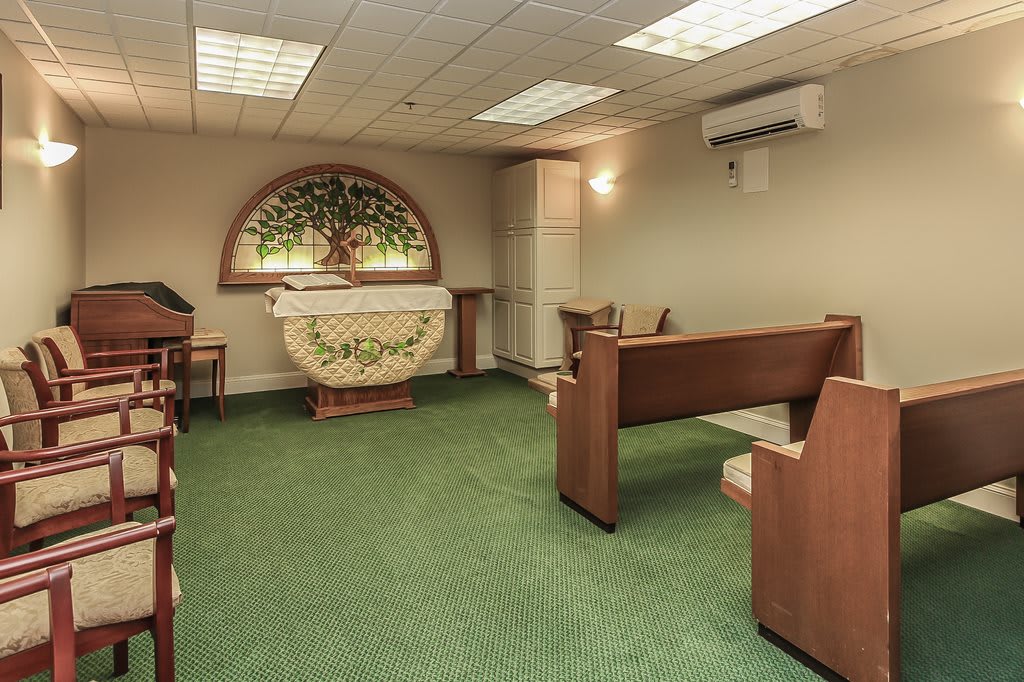
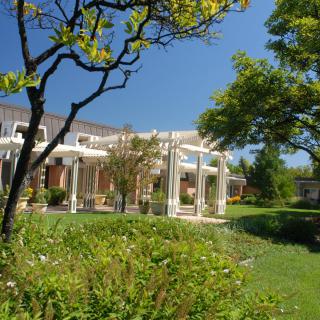
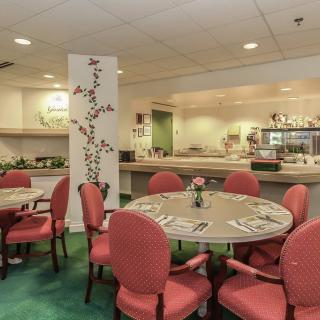
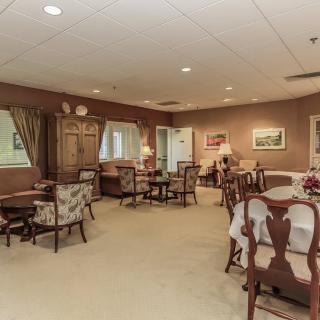
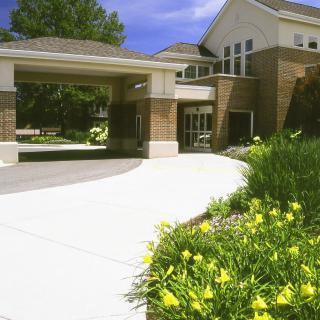
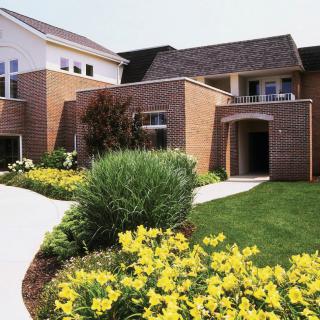
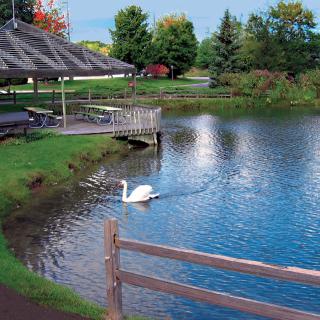
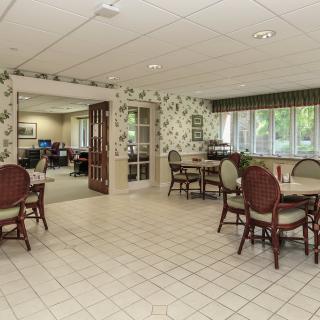
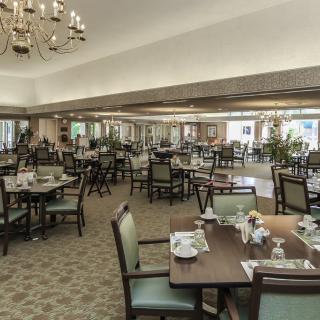
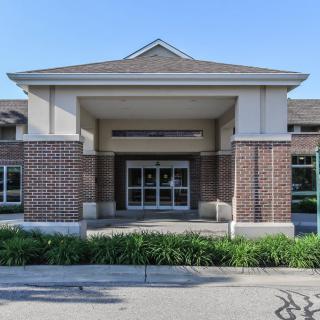
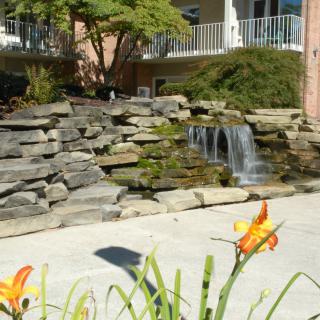
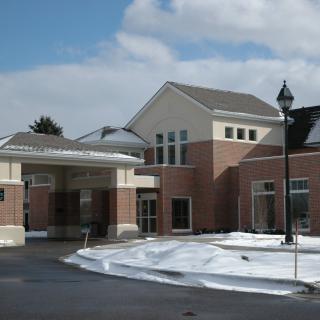
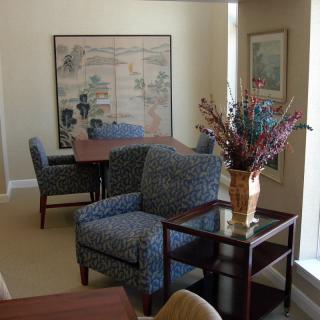
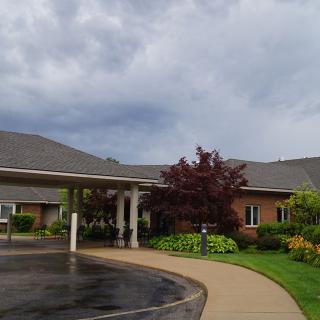
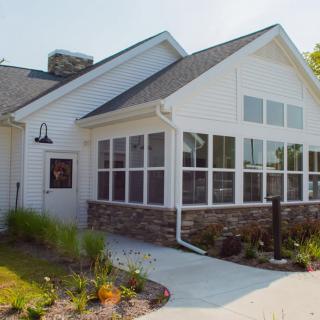
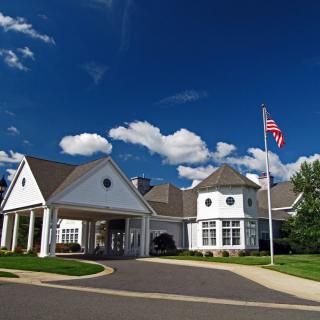
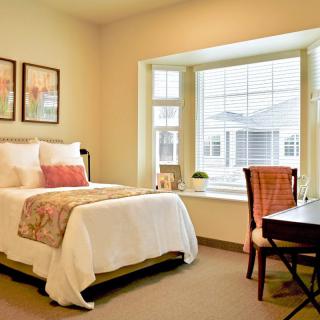
Porter Hills Village on seniors.fyi includes 39 photos including images showing interior, landscaping, architecture, building, trees, dining, garden, entrance, and more.
Nearby Communities
Carin Hands 2
Grand Rapids, MI
4.4 from 5 reviews
Fully furnished with 24/7 supervision, ADL support, meals, and transportation.
Homewatch CareGivers of West MI
Grand Rapids, MI
4 from 6 reviews
24/7 care with bonded/insured staff and ongoing caregiver training plus light housekeeping
Cook Valley Estates
Grand Rapids, MI
4.4 from 17 reviews
Cozy, well-designed apartments with multiple dining rooms.
Valley Health Center
Grand Rapids, MI
4 from 36 reviews
24/7 supervision with specialized diets and mental wellness in a home-like setting.
Forest Hill
Grand Rapids, MI
Small, personalized community with comprehensive care and engaging activities.
Westchester Group Home
Grand Rapids, MI
4 from 1 review
$7,445 to $9,678 / month
Comprehensive on-site care, meals, transportation, and activities.
The Village of Heather Hills
Grand Rapids, MI
4.5 from 99 reviews
$3,550 to $3,850 / month
Beautifully remodeled facility with caring staff and engaging activities.
Cascade Trails Senior Living
Grand Rapids, MI
4.7 from 97 reviews
$4,950 to $6,000 / month
Friendly, attentive staff with engaging activities and spacious, well-maintained apartments.
Medilodge of Grand Rapids
Grand Rapids, MI
3.4 from 101 reviews
$1,600 to $3,090 / month
Friendly staff, supportive community, and multiple care levels in a well-appointed setting.
Dementia is characterized by cognitive decline, with nutrition playing a vital role in brain health; while no specific diet can prevent or reverse it, a nutrient-dense diet rich in antioxidants and healthy fats may support cognitive function. The MIND diet, which emphasizes beneficial foods and limits processed items, along with proper hydration and individualized meal strategies, can enhance the well-being of dementia patients.
Dementia affects memory and cognitive function in older adults, presenting challenges for caregivers due to behavioral changes such as confusion and mood swings. Compassionate, person-centered care that considers individual history and preferences, along with effective communication and environmental modifications, is essential for supporting both patients and their caregivers.
Dementia leads to cognitive impairment and can cause emotional and behavioral changes, including aggression that arises from frustration, confusion, or fear. Effective coping strategies for caregivers include understanding dementia's nature, recognizing triggers, using empathetic communication, and employing non-pharmacological interventions like music and art therapy.
Exercise Equipment, Gym, Fitness Center, Workout Space, and Treadmills
Pathway
Outdoor Seating and Courtyard
Natural Light
Bookshelves and Dining Table
Nature
Hallway and Staircase
Library
Office
Grass
Swimming Pool and Indoor Pool
Fence and Lake
Brick
Gazebo
Fitness
Pergola
Spacious
Park
Meeting Room
Exercise
Sidewalk
Computers and Workspace
Recreation
Water
Traditional Decor
Church
Chapel
Waterfall
Additional Photos
Get PricingAsk A QuestionSchedule A TourContact Senior Advisor
By clicking submit, you agree to our Partner's Terms of Use. You
also consent to receive calls and texts, which may be autodialed, from our Partner. Your consent is not a condition to
using our Partner's service. Please visit our Partner's Privacy Policy for information about their privacy practices.



 212 resident community capacity
 1-bedroom apartments
 Condos / townhomes
 Assisted Living
 Continuing Care Retirement Community (CCRC)
 Independent Living
 Memory Care
 Skilled Nursing Facility
 Activities off-site
 Air-conditioning
 Beauty salon
 Cable or satellite TV
 Computer center
 Devotional services off-site
 Dining room
 Fitness room
 Full kitchen
 Fully furnished
 Gaming room
 Garden
 Housekeeping services
 Indoor common areas
 Laundry
 Move-in coordination
 Outdoor space
 Private bathrooms
 Resident parking
 Restaurant-style dining
 Small library
 Swimming pool
 Telephone
 Wellness center
 Wi-Fi/high-speed internet available
 Kent County International (6 miles away)
 Community operated transportation
 24-hour call system
 Ambulatory care
 Assistance with bathing
 Assistance with dressing
 Assistance with transfers
 Diabetes diet
 Diabetic care
 Medication management
 Physical therapy
 Special dietary restrictions
 Concierge services
 Planned day trips
 English
 Fully furnished with 24/7 supervision, ADL support, meals, and transportation.


 Nourishing the Mind: Essential Dietary Approaches for Dementia
 Understanding Dementia Behaviors: Practical Insights and Strategies for Caregivers
 When Dementia Sparks Anger and Aggression: Understanding the Connection and Ways to Cope