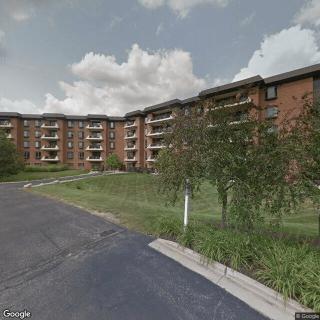
Maplewood Neurobehavioral Program

1492 East Beltline Avenue SE, Grand Rapids, MI 49506

For more information about senior living options: (844) 490-3973

3.3 from 18 reviews
5 stars
10
4 stars
0
3 stars
1
2 stars
0
1 stars
7

Assisted Living

Overall Review of Maplewood Neurobehavioral Program

Pros

  • pro The staff and therapists are really nice and amazing.
  • pro Dr. Ver Merris is the best, with excellent OT and PT staff.
  • pro Hope Neuro Rehab Center has a wonderful family atmosphere where patients feel like family.
  • pro The care team is professional, knowledgeable, and truly cares about patients' recovery outcomes.
  • pro The therapists are experts who listen to preferences and go the extra mile.
  • pro The facility is beautiful and well maintained, with strong aftercare support.
  • pro They helped patients talk and walk again and regain independence.

Cons

  • pro They describe the rehab as the worst and say no one at the facility cares for patients.
  • pro They say Beverly, the care manager, is heartless toward patients.
  • pro They claim patient care is terrible and that staff do not check on patients as promised.
  • pro They allege that workers call residents names and abandon patients.
  • pro They recount being left for hours with the door closed and no one checking on their relative, with no call button within reach.
  • pro They accuse the center of frequent doctor changes and billing for services not received.
  • pro They mention inadequate follow-up care after insurance ran out.
  • pro They state they would not recommend the facility.

Review

The reviews for Hope Network / Hope Neuro Rehab Center present a landscape of strong contrasts. On one side are stories of compassionate care, expert professionals, and measurable progress that left families grateful for the support during some of their hardest hours. On the other, there are persistent warnings about care gaps, administrative missteps, and moments that felt dehumanizing to patients. Taken together, the collection paints a facility capable of delivering life-changing rehabilitation under the right circumstances, but also one where organizational weaknesses and specific interactions can significantly color a family's experience - often in opposite directions for different people.

Several accounts spotlight the quality and dedication of medical professionals. In one detailed narrative, the patient credits a team of therapists - OTs, PTs, and others - with real, meaningful progress, especially after a traumatic brain injury. The reviewer remembers skilled therapists who were not only technically proficient but also attentive to individual preferences and needs. The care extended beyond therapy sessions: a therapist rearranged a patient's bedroom to improve function and comfort, and a recreational therapist introduced aquatic therapy to strengthen muscles in the water. A psychologist is described as wonderful and ongoing support remains a pivotal part of the recovery, underscoring how a supportive, multi-disciplinary approach can drive outcomes that families treasure. For some, these professionals embody the core strength of the facility.

Yet the same set of reviews doesn't shy away from identifying serious issues with administration and the overall patient experience. A recurring complaint centers on a particular care manager, Beverly, who is described as one of the "heartless" figures in the care network. The sentiment is blunt: the person believes Beverly and similar administrative leaders show little regard for the wellbeing of patients. These criticisms aren't isolated musings; they echo through multiple anecdotes that frame administrative interactions as the point where care sometimes buckles under pressure, particularly when it comes to perception of empathy and timely responsiveness. For some families, this is the first impression that colors everything else about their stay.

The timeline of personal experiences adds depth to the mixed picture. One reviewer recounts a nearly two-decade-old hospitalization after a car accident in 1997, including a lengthy coma and a stay at Hope Network that stretched to Halloween of that year. That story carries both awe and caution: the patient recalls a transition back to home life with certain restrictions and a memory that never fully returned, while also noting that the therapists and staff were kind and memorable. It's a testament to the long arc of recovery - where early, supportive interactions can become lasting positive memories and anchor trust during future care decisions.

Meanwhile, another reviewer focuses on the financial and logistical sides of care. They praise a doctor, Ver Merris, and other high-salary professionals while expressing concern about the more junior staff who deliver daily care. The frustration centers on what happened when insurance coverage lapsed: the claim that the patient had been "cured" of a traumatic brain injury, followed by questions about ongoing home care and follow-up medical oversight, which seemed insufficient or inconsistent. Add to that a note about frequent doctor changes and billing confusion - being charged for services that were not received - and you have a picture of care that feels unstable once the patient moves beyond the inpatient setting.

Family members of younger patients offer a different shade to the spectrum, with some recounting deeply positive experiences. A daughter who spent months at the center describes a nurturing, family-like environment where therapists and staff supported not only her physical and cognitive recovery but her overall wellbeing. The account praises THRIVE, ongoing weekly psychology support, and a sense of community that helped the patient thrive beyond expectations. This narrative stands in contrast to others by emphasizing that Hope Network can be a transformative space with a genuine focus on family and long-term outcomes, offering reassurance during the difficult post-injury years.

There are also stories that underscore excellent clinical work coupled with robust safety and privacy practices. One reviewer who spent nearly four months at the center emphasizes constant checks during the early days, patient privacy, and safety as top priorities. They describe a team of therapists who tailor routines, respect patient preferences, and persist in challenging the patient to push for meaningful gains. The anecdote about an occupational therapist rearranging furniture to improve function and comfort stands out as an emblem of practical, patient-centered care. The involvement of a dedicated psychologist and an aquatic therapist rounds out a picture of a comprehensive rehabilitation program where progress is tangible and supported by a broad, coordinated team.

Not all feedback tracks in the same direction, however. Several accounts ring with concern about patient care quality in day-to-day interactions. Some people report care that falls short of promises, including claims that staff do not check on patients as often as stated, or that workers sometimes use disrespectful language toward residents. There are firsthand observations of neglect - such as a nephew left alone for hours with no one visiting, or a patient left in a room without a call button and not properly monitored. These stories emphasize a troubling disconnect between the formal standards of care and the lived reality of patients and their families, raising questions about the reliability of checks and the consistency of attention across shifts.

The mix of feedback also includes lines of disappointment that center on the emotional tone of care. A recurrent complaint is the perception that staff sometimes talk down to patients or fail to treat them with the respect promised by the rehabilitation program. In these voices, the disconnect isn't just about whether care was delivered, but about how patients were spoken to, and whether they felt valued and heard during a vulnerable period of recovery. Taken together with the positive experiences, this tension suggests a facility that can be an extraordinary ally for some, but for others, a source of anxiety and frustration, depending on the individual staff involved and the specific moments that colored their stay.

Despite the varied experiences, several remarks offer a concise verdict that captures the overall sentiment for many families: there are excellent clinicians and a facility that, when functioning at its best, provides meaningful support, clear goals, and a path forward toward greater independence. The positive testimonials emphasize professional, knowledgeable, and experienced staff who are aligned with recovery outcomes and who cultivate teamwork without egos. The descriptions of this environment - beautiful, well-maintained facilities, strong aftercare guidance, and a sense of belonging - are powerful reminders of what Hope Network can accomplish when the right people and processes align. For those who encounter it at its best, the center feels like a genuine gem.

In summary, the collection reflects a complex, real-world portrait of a rehab network that can be life-changing for some and challenging for others. The strongest threads describe high-quality clinical care delivered by dedicated therapists, supportive psychologists, and collaborative teams, often accompanied by practical, patient-centered touches that improve daily life and overall recovery. At the same time, concerns about administrative consistency, billing practices, secure checks, and respectful communication point to opportunities for improvement. Families weighing Hope Network / Hope Neuro Rehab Center should consider both the potential for outstanding outcomes and the importance of clear, compassionate communication and reliable administration to ensure that care keeps pace with clinical excellence.

Features

Housing

  • 12 resident community capacity 12 resident community capacity

Types of Care

  • Assisted Living Assisted LivingAssisted living facilities provide crucial support and care for seniors who may need help with daily tasks such as medication management, bathing, and meal preparation. These communities offer a safe and comfortable environment where seniors can maintain their independence while receiving the assistance they need to thrive in their golden years.

Amenities

  • Cable or satellite TV Cable or satellite TVCable or satellite TV is important for seniors because it provides entertainment, news, and companionship, helping to combat loneliness and boredom. It also offers a wide range of programming options tailored to different interests and preferences.
  • Dining room Dining roomDining rooms are important for seniors as they provide a space for socialization, connection, and nutritious meals. They offer opportunities for residents to bond over shared meals, foster a sense of community, and promote healthy eating habits. Dining rooms also ensure that seniors have access to well-balanced meals tailored to their dietary needs and preferences.
  • Fully furnished Fully furnishedFully furnished senior living communities are important for seniors because they provide convenience, comfort, and a hassle-free moving experience. Seniors can easily settle into their new living space without the stress of having to buy and move furniture. This allows them to focus on enjoying their new home and community.
  • Garden GardenGardens are important for seniors as they provide a peaceful and therapeutic environment for relaxation, physical activity, and socialization. Being in nature has been shown to reduce stress, improve mood, and promote overall well-being. Gardens also offer opportunities for seniors to engage in gardening activities, which can improve mobility, flexibility, and cognitive function. Additionally, gardens create a sense of community and connection with others who share a passion for plants and outdoor spaces.
  • Housekeeping services Housekeeping servicesHousekeeping services are important for seniors because they help maintain a clean and safe living environment, promote independence, and reduce the risk of accidents or illnesses. Additionally, having assistance with household chores can alleviate physical strain and allow seniors to focus on other aspects of their well-being.
  • Move-in coordination Move-in coordinationMove-in coordination is important for seniors because it helps ease the transition into their new living environment. It ensures that all logistics, such as packing, organizing movers, and setting up utilities are taken care of, allowing seniors to focus on settling in and adjusting to their new home. Having a smooth move-in process can alleviate stress and anxiety, making the transition smoother and more enjoyable for seniors.
  • Outdoor space Outdoor spaceOutdoor spaces are important for seniors as they provide opportunities for physical activity, social interaction, exposure to natural light and fresh air, and a sense of connection to nature. Having access to outdoor spaces can improve overall well-being and quality of life for older adults living in senior communities.
  • Telephone TelephoneTelephones are important for seniors as they provide a lifeline for communication with loved ones, emergency services, and healthcare providers. They offer a sense of security and independence, enabling seniors to stay connected and access assistance when needed.
  • Wi-Fi/high-speed internet available Wi-Fi/high-speed internet availableWi-Fi/high-speed internet is important for seniors to stay connected with loved ones, access online resources, and participate in virtual activities to combat feelings of loneliness and isolation. It also allows them to easily manage healthcare needs, access entertainment, and engage in lifelong learning opportunities.

Transportation

  • Kent County International (5 miles away) Kent County International (5 miles away)

Care Services

  • 24-hour supervision 24-hour supervision24-hour supervision is important for seniors to ensure their safety, well-being, and access to immediate assistance in case of emergencies or health issues. This constant support provides peace of mind for both seniors and their loved ones, allowing them to age in place with dignity and security.
  • Activities of daily living assistance Activities of daily living assistanceActivities of daily living assistance are important for seniors because they provide essential support with tasks such as eating, bathing, dressing, and mobility. This assistance helps seniors maintain their independence, dignity, and overall quality of life as they age.
  • Assistance with bathing Assistance with bathingAssistance with bathing is crucial for seniors as it helps maintain personal hygiene, prevents infections, and ensures their overall well-being and comfort. It also provides a sense of dignity and independence for seniors who may struggle with this task on their own.
  • Assistance with dressing Assistance with dressingAssistance with dressing is important for seniors because it helps maintain their independence, promotes personal hygiene, prevents accidents and injuries, and improves overall quality of life. This service ensures that seniors can continue to dress comfortably and confidently, despite any physical limitations they may have.
  • Assistance with transfers Assistance with transfersAssistance with transfers is crucial for seniors as it helps prevent falls and injuries, maintains their independence, and ensures they can safely navigate their living environment. It also provides peace of mind for both seniors and their loved ones.
  • Coordination with health care providers Coordination with health care providersCoordination with health care providers is crucial for seniors to ensure proper medical care, medication management, and overall well-being. This collaboration helps prevent overlapping treatments, track progress more effectively, and provide comprehensive support tailored to individual needs.
  • Diabetes diet Diabetes dietA diabetes diet is crucial for seniors as it helps manage blood sugar levels, reduce risks of complications, and improve overall health and well-being. By following a balanced and nutritious diet tailored to their specific needs, seniors can better control their diabetes and enhance their quality of life.
  • Meal preparation and service Meal preparation and serviceMeal preparation and service are crucial for seniors as they may have limited mobility or energy to cook nutritious meals. Having access to healthy and convenient food options can ensure they are getting the proper nutrition needed to maintain their overall health and well-being.
  • Medication management Medication managementMedication management is crucial for seniors to ensure they are taking the right medications at the correct dosages and times. This helps prevent adverse drug interactions, reduces the risk of medication errors, and promotes overall health and well-being. Proactive management also allows for adjustments as needed based on changing health conditions or new prescriptions.
  • Special dietary restrictions Special dietary restrictionsSpecial dietary restrictions are important for seniors because age-related changes in metabolism and health conditions can make it difficult for their bodies to process certain foods. By following a diet tailored to their specific needs, seniors can maintain their overall health and well-being, manage chronic conditions, and reduce the risk of complications such as malnutrition or food interactions with medications.
  • Transportation arrangement (medical) Transportation arrangement (medical)Transportation arrangements for medical purposes are essential for seniors as they may have difficulty driving themselves to appointments or accessing public transportation. Having reliable and safe transportation options ensures that seniors can receive timely medical care and maintain their health and well-being.
  • Transportation to doctors appointments Transportation to doctors appointmentsTransportation to doctors' appointments is crucial for seniors as it ensures they have access to necessary medical care and support for their health needs. Without reliable transportation, seniors may struggle to attend important appointments, leading to potential delays in treatment and health complications. Providing transportation services helps seniors maintain their overall well-being and quality of life.

Dining

  • Diabetes diet Diabetes dietA diabetes diet is crucial for seniors as it helps manage blood sugar levels, reduce risks of complications, and improve overall health and well-being. By following a balanced and nutritious diet tailored to their specific needs, seniors can better control their diabetes and enhance their quality of life.
  • Special dietary restrictions Special dietary restrictionsSpecial dietary restrictions are important for seniors because age-related changes in metabolism and health conditions can make it difficult for their bodies to process certain foods. By following a diet tailored to their specific needs, seniors can maintain their overall health and well-being, manage chronic conditions, and reduce the risk of complications such as malnutrition or food interactions with medications.

Activities

  • Community-sponsored activities Community-sponsored activitiesCommunity-sponsored activities are important for seniors as they provide opportunities for social interaction, mental stimulation, and physical activity. These activities can help improve overall well-being, combat loneliness and isolation, and promote a sense of belonging and purpose among older adults.
  • Scheduled daily activities Scheduled daily activitiesScheduled daily activities are important for seniors because they provide structure, socialization, mental stimulation, and physical activity. Engaging in regular activities can improve overall well-being and quality of life for seniors living in a community setting.

Description

The Maplewood Neurobehavioral Program in Grand Rapids, MI is an assisted living community that offers a range of amenities and care services to support the well-being of its residents. The community features a dining room where residents can enjoy delicious meals prepared and served by the staff. The accommodations are fully furnished, providing a comfortable and home-like environment for residents. Additionally, there is outdoor space and a garden where residents can relax and enjoy the fresh air.

Housekeeping services are provided to ensure that the community remains clean and tidy at all times. Move-in coordination is available to help ease the transition for new residents. Residents also have access to telephone and Wi-Fi/high-speed internet services, allowing them to stay connected with loved ones and engage in online activities.

Care services offered at Maplewood Neurobehavioral Program include assistance with activities of daily living such as bathing, dressing, and transfers. The staff coordinates with health care providers to ensure that residents receive appropriate medical care. Special dietary restrictions are accommodated in meal preparation, including diabetes diets. Medication management is provided to ensure that residents take their medications correctly.

Transportation arrangements are made for medical appointments, ensuring that residents can easily access necessary healthcare services. Daily activities are scheduled to provide opportunities for socialization, engagement, and entertainment.

Located in Grand Rapids, MI, this assisted living community is surrounded by numerous amenities. There are nine cafes nearby for residents who want to enjoy a cup of coffee or a meal outside of the community. Two parks offer opportunities for outdoor recreation and relaxation. There are also several pharmacies located nearby for easy access to medication supplies.

With 30 physicians nearby, residents have convenient access to medical professionals for any healthcare needs they may have. For dining options outside of the community's dining room, there are 26 restaurants within close proximity. Places of worship offer spiritual support for those seeking a religious connection in their lives.

Overall, Maplewood Neurobehavioral Program provides a comprehensive assisted living experience with a wide range of amenities and care services designed to enhance the quality of life for its residents.

Nearby Places of Interest

Physicians

  • Metro Health Medical Group (0.2 miles)
  • Allergy & Asthma Care Of Western Michigan (0.7 miles)
  • Gastroenterology Specialists PC (0.7 miles)
  • Grand Rapids OB/GYN (0.8 miles)
  • Dermatology Associates of West Michigan (0.8 miles)
  • Corporate Occupational Health (0.9 miles)
  • Grand Health Partners (0.9 miles)

Places of Worship

  • Church of the Servant (0.7 miles)
  • Christ Church-Pca (1.7 miles)
  • Keystone Community Church (2.3 miles)
  • Temple Emanuel (3 miles)
  • Our Daily Bread Ministries (3.3 miles)
  • Madison Square Christian Reformed Church (3.9 miles)
  • St Robert Of Newminster Parish (3.9 miles)

Cafes

  • Starbucks (1.3 miles)
  • Starbucks (1.5 miles)
  • Starbucks (2.6 miles)
  • Starbucks (2.9 miles)
  • Biggby Coffee (3.1 miles)
  • Panera Bread (3.2 miles)
  • Real Food Cafe (3.5 miles)

Restaurants

  • Uccello's Ristorante, Pizzeria & Sports Lounge (1.4 miles)
  • Fire Fox (1.4 miles)
  • Chick-Fil-A (1.5 miles)
  • Olive Garden (1.6 miles)
  • Cantina Mexican Restaurant (1.7 miles)
  • Taco Bell (1.7 miles)
  • McDonald's (1.8 miles)

Theaters

  • Phoenix Theaters (1.4 miles)

Pharmacies

  • Walgreens (1.5 miles)
  • Forest Hills Foods (1.6 miles)
  • D&W Fresh Market (1.9 miles)
  • The Chemist Shoppe (2.4 miles)
  • CVS Pharmacy (2.8 miles)
  • Walgreens (2.8 miles)
  • CVS Pharmacy (2.8 miles)

Hospitals

  • Blodgett Hospital (2.4 miles)
  • Spectrum Health (3 miles)
  • Spectrum Health Lab (4 miles)
  • St Marys Hospital (4.3 miles)
  • Trinity Health Birth Center - Grand Rapids Hospital (4.3 miles)
  • Richard J. Lacks Sr. Cancer Center (4.3 miles)

Parks

  • Frederik Meijer Gardens & Sculpture Park (3.1 miles)
  • Chesebro Park (3.1 miles)

Frequently Asked Questions

Where is Maplewood Neurobehavioral Program?

Nearby Communities

  • Sojourners Transitional Living

    Sojourners Transitional Living

    Grand Rapids, MI

    3.3 from 18 reviews
     

    pro 24/7 supervision, medication management, medical transport, and extensive amenities.

  • Wildwood Residential Services

    Wildwood Residential Services

    Grand Rapids, MI


    pro Fully furnished residences with 24/7 care, meals, and transportation.

  • Homewatch Caregivers

    Homewatch Caregivers

    Grand Rapids, MI

    4.8 from 45 reviews
     

    pro Convenient location with nearby parks, healthcare, worship, theaters, and hospitals.

  • Life Choice Adult Home

    Life Choice Adult Home

    Grand Rapids, MI

    5 from 5 reviews
     

    pro Intimate small-community setting with personalized care (capacity of 6).

  • Cook Valley Estates

    Cook Valley Estates

    Grand Rapids, MI

    4.3 from 15 reviews
     

    pro Cozy, well-designed apartments with multiple dining rooms.

  • Raybrook Estates/Homes

    Raybrook Estates/Homes

    Grand Rapids, MI

    4 from 9 reviews
     

    pro Peaceful assisted living with convenient access to healthcare, dining, parks, worship, and transportation.

  • The Village of Heather Hills

    The Village of Heather Hills

    Grand Rapids, MI

    4.5 from 95 reviews
    $3,550 to $3,850 / month

    pro Beautifully remodeled facility with caring staff and engaging activities.

  • Porter Hills Village

    Porter Hills Village

    Grand Rapids, MI

    3.8 from 67 reviews
    $2,400 to $3,900 / month

    pro Diverse care options and solid on-site amenities with generally positive staff.

  • Beacon Hill at Eastgate

    Beacon Hill at Eastgate

    Grand Rapids, MI

    4.4 from 45 reviews
    $1,160 to $2,420 / month

    pro Compassionate staff with comprehensive care options (independent, assisted, memory care) in a peaceful, amenity-rich setting.

Related Resources

  • does medicaid pay for assisted livingHow and When Medicaid May Cover Assisted Living Costs

    Medicaid coverage for assisted living varies by state and is primarily available to low-income individuals, with eligibility dependent on strict income and asset limits. Some states offer HCBS waivers for specific services in assisted living, but families must generally cover room and board costs, and should verify facility acceptance of Medicaid while considering potential waiting lists.

  • assisted living waiver programA Detailed Exploration of Assisted Living Medicaid Waivers Across the United States
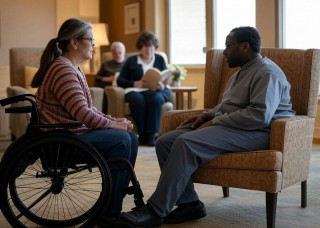
    Medicaid waivers for assisted living services provide vital support for seniors and individuals with disabilities in need of long-term care, with varying state-specific eligibility criteria and benefits. These waivers cover personal care and case management but often do not fully cover room and board, leading to waiting lists for many applicants.

  • assisted living for disabled adultsComprehensive Residential Support and Assisted Living Solutions for Individuals with Disabilities

    The article examines the complexities of assisted living for individuals with disabilities, emphasizing the need for tailored care solutions that enhance quality of life and social inclusion, while addressing financial challenges and advocating for community integration. It discusses various housing options, the importance of financial assistance through public benefits, and highlights trends towards integrated and technology-driven solutions in disability-focused housing.