
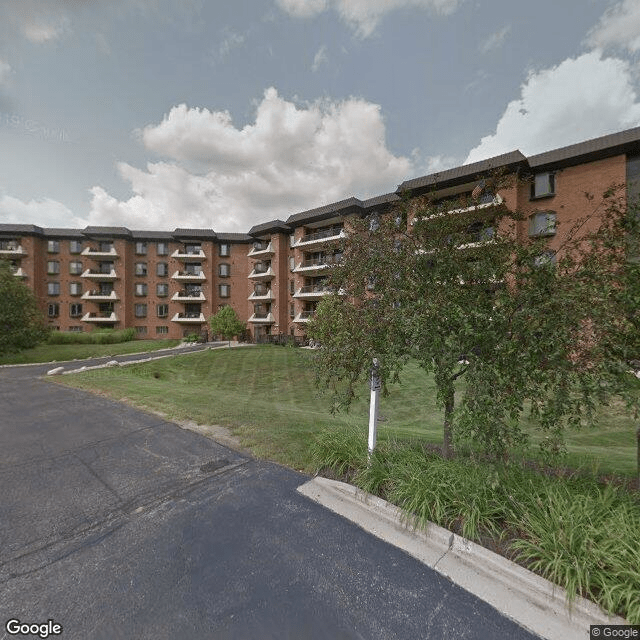
2105 Raybrook St SE, Grand Rapids, MI 49546
To contact a resident: (616) 235-5006
For more information about senior living options: (866) 208-4318
Overall Review of Raybrook Estates/Homes
Pros
 They love this place; they are fantastic.
- They have lived here for nine months and love it.
- It is an excellent choice for loved ones when long-term care is needed.
Cons
 They call it the worst place to leave loved ones.
- They say no one takes care of the residents.
- They claim the staff don’t care when people break the law and will continue to employ them, letting them continue to do wrong.
Review
Raybrook Estates/Homes in Grand Rapids, MI is best suited for families seeking a long-term care setting with a clearly human, community-driven atmosphere, and who are ready to stay actively involved in monitoring and shaping their loved one’s daily care. The strongest value appears where care teams deliver warmth, personal attention, and a sense of home, especially for residents who benefit from engaged, relational interactions with staff. This is not a hands-off option; the best outcomes come when families commit to regular oversight, ongoing communication, and a proactive stance on care planning. Yet the market signal is distinctly mixed: some families praise the environment as fantastic or excellent, while others warn that care can be inconsistent or poorly managed. In short, Raybrook can be a great fit for the right resident, but only with vigilant, hands-on involvement from loved ones.
Explicitly, those who should consider alternatives include families prioritizing unwavering, error-free caregiving with high staff-to-resident ratios and zero tolerance for any lapse. Individuals with complex medical needs or behaviors requiring constant, highly coordinated supervision may find the reported variability challenging to navigate. If a resident’s daily routine hinges on predictable responsiveness and strict governance, other options with clearer accountability and more standardized procedures may offer greater peace of mind. Families accustomed to highly structured programs or specialized memory-care environments should compare offerings elsewhere before committing to Raybrook, to ensure the care model matches the resident’s needs and the family’s expectations.
The key pros, when they materialize, offset several core concerns, but only in favorable circumstances. Praise for warmth, attentiveness, and the feeling of a genuine community points to meaningful social connection and a supportive atmosphere that can greatly enhance quality of life for long-term residents. A nine-month-plus residency can signal stability and continuity, which matter when choosing a place that aims to function as home rather than a temporary stop. In these affirming cases, residents and their families describe the environment as a good long-term care choice, underscoring that human relationships and daily comfort can outweigh certain operational gaps. However, the serious negative observations cannot be ignored: claims of neglect, accountability lapses, and the impression that problematic behavior is tolerated by management escalate risk, particularly for vulnerable seniors.
To make a prudent decision, focus on due diligence that separates perception from performance. During tours, verify staffing realities: ask about current turnover, shift coverage, and whether care is consistently delivered by the same aides and nurses. Request the latest quality-of-care reports and any incident histories, and inquire how concerns are escalated and resolved. Probe governance: what policies govern discipline, safety, and resident rights, and how transparent is reporting to families? Observe a mealtime and activity period to assess engagement, supervision, and the degree of meaningful interaction. Speak with a cross-section of residents and families to gauge consistency across days and shifts. Review care plans, medication management, transportation options, and the availability of rehabilitative and social programs.
Environment and services at Raybrook carry the potential for a warm, home-like living experience, but the variability behind the scenes means that real certainty rests on leadership and frontline execution. The favorable testimonials suggest a place where residents feel valued and respected, yet the darker notes warn of neglect and weak accountability that can undermine safety and trust. Prospective families should weigh the emotional and relational benefits against the risk of uneven care and oversight. The decision hinges on whether a resident can thrive in a highly relational setting with a vigilant family partner, or whether a more tightly controlled, consistently supervised environment is necessary to meet medical and safety expectations.
The verdict favors a thoughtful, evidence-based approach. If emphasis is placed on companionship, personal warmth, and residents who respond well to close staff relationships, Raybrook can be a compelling choice with careful ongoing family involvement. For those needing maximal consistency, strict safety protocols, and unquestioned governance, exploring other communities may spare future disruption. The recommended path is a structured site visit combined with candid conversations with administrators and direct care staff, complemented by a thorough review of staffing data and care plans. In the end, Raybrook’s suitability rests on alignment between the resident’s needs, the family’s capacity to advocate, and the facility’s demonstrated ability to translate praise into verifiable, everyday care.
 Board and Care Home
 Kent County International (5 miles away)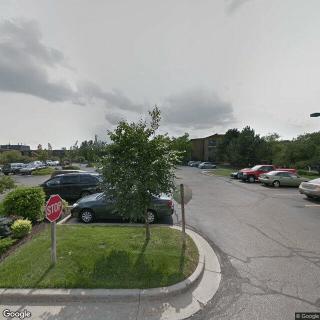




 Comprehensive Approaches for Arthritis: A Detailed Guide to Symptoms, Causes, and Care
 Comprehensive Insights and Practical Strategies to Help Older Adults Avoid Falls
 6 Crucial Ways an Elder Law Attorney Assists Families