
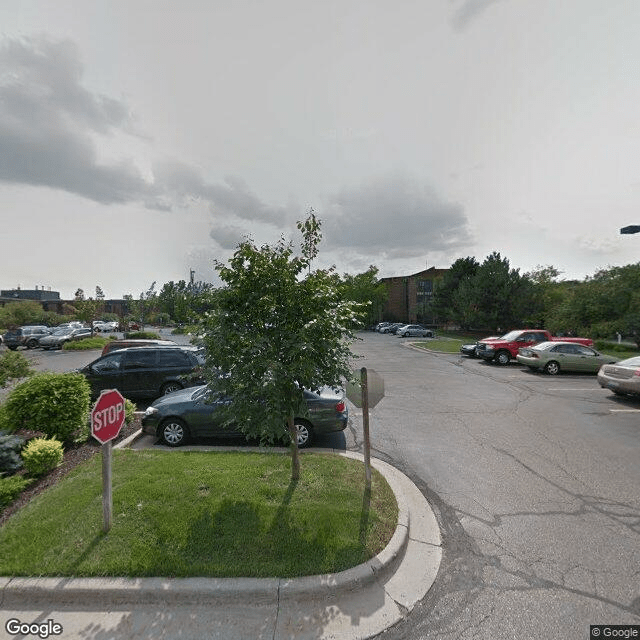
2121 Raybrook Street SE, Grand Rapids, MI 49546
To contact a resident: (616) 643-2730
For more information about senior living options: (866) 208-4318
Holland Home Raybrook Manor Costs & Pricing
Holland Home Raybrook Manor offers competitive pricing for its residential options, particularly when comparing costs to the average rates in Kent County and across Michigan. For instance, a studio apartment at Raybrook Manor is priced at just $670 per month, significantly lower than the county average of $3,661 and the state average of $3,824. Similarly, their two-bedroom units are available for $795, which contrasts favorably with the county's average of $3,856, though it is slightly above Michigan's average of $3,523. In the case of one-bedroom apartments, Raybrook Manor's monthly rate stands at $2,010 - higher than both local and state averages of $3,483 and $3,384 respectively. Overall, residents can appreciate the affordability that Holland Home Raybrook Manor provides compared to broader market trends in Kent County and Michigan.
| Floor plans | Holland Home Raybrook Manor | Kent County | Michigan |
|---|---|---|---|
| Studio | $670 | $3,661 | $3,824 |
| 2 Bedrooms | $795 | $3,856 | $3,523 |
| 1 Bedroom | $2,010 | $3,483 | $3,384 |
Overall Review of Holland Home Raybrook Manor
Pros
 The staff at Raybrook is very caring.
- The stay at Raybrook Manor was wonderful, with professional and loving staff.
- The staff was very nice.
- The facility offers amenities, including a swimming pool and various activities.
- The organization is very well run.
- There are many opportunities for residents to exercise their talents and time.
- All of her needs were always met there.
- The staff treats residents with care and compassion.
- Visiting is very flexible.
- The facility is very clean and well kept.
- Nurses and other staff keep family members updated about the resident.
- The dining area offers many delicious choices.
Cons
 They received a letter from the Privacy Officer indicating an employee tried to access the residentā€™s medical records without permission, twice, which was extremely unacceptable.
- There were lost and out-of-date documents.
- Personal items were lost.
- An infection or pain went untreated until a family member pointed it out.
- There was very poor communication between shifts and floors regarding patient care.
- Family members often had to follow up with different staff members, including leadership, to ensure necessary steps were taken.
- The meals were not included, adding to the overall cost.
- The buy-in aspect was viewed as uneasy and outrageously expensive.
Review
Holland Home Raybrook Manor is best suited for active seniors who want a comprehensive, amenity-rich environment and for families prepared to invest time and oversight to ensure consistent care. The campus-style setting offers social vibrancy, robust programming, and abundant facilities that appeal to residents who prize fitness options, diverse activities, and restaurant-style dining experiences. Its proximity to local colleges and the variety of living options make it particularly attractive to couples or siblings seeking convenient access to ongoing classes, outings, and social events. For families that want a high-quality, lively senior living atmosphere and can participate in monitoring care, Raybrook Manor presents a compelling fit.
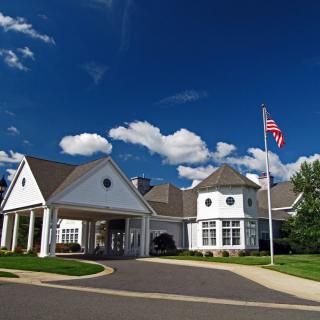
On the strengths side, the community earns praise for caring, personable staff and a beautifully kept campus. The grounds are colorful and inviting, and residents can expect a wide array of activities, including workouts, classes, and weekly trips to theaters or events. Dining in a restaurant-style setting adds a sense of normalcy and pleasure to daily life, while private dining rooms facilitate visits from family and friends. The overall layout and design feel well thought-out, with bright public spaces and accessible amenities like good walking paths and a well-equipped exercise area. For families seeking warmth, attentiveness, and opportunities for residents to stay socially and physically engaged, these are meaningful advantages.
Yet there are clear tensions that families must weigh. A notable concern centers on safety and reliability of care coordination, heightened by a privacy breach in which a staff member attempted to access medical records without permission. Beyond that serious issue, reviewers point to lost or out-of-date documentation and misplaced personal items, along with infections or pains that were not promptly addressed. Communication gaps between shifts and floors require families to repeatedly follow up with multiple staff members, sometimes even leadership, to ensure necessary steps are taken. These patterns suggest that while the human touch remains strong, operational fragmentation can compromise peace of mind and timely care.
These cons do not erase the appeal, but they do temper it. The very strengths, the breadth of programming, the lively social calendar, and the quality of personal interactions, can be offset by the need for vigilant family involvement and a clear understanding of how care information is transmitted and acted upon. In practice, Raybrook Manor works best when the family uses its app-based or direct channels to stay informed and to confirm that care plans are implemented consistently across shifts. In other words, the positives elevate quality of life for residents, but the potential for miscommunication and gaps in oversight can erode trust if not actively managed.
Potential buyers should consider alternatives if cost and size are decisive factors, or if a quieter, smaller-community environment is desired. Several reviews flag the price as high, with some noting that buy-in models feel expensive or confusing. For families prioritizing included meals, simpler billing, or more centralized care management, other options within Holland Home or in the broader market may offer greater financial predictability and closer, more seamless care coordination. Similarly, those needing very high-touch medical management or a smaller, more intimate setting may find Raybrook Manor too large or complex to monitor effectively without substantial family involvement.
In the end, Raybrook Manor stands out as a strong choice for active seniors who value abundant amenities, social engagement, and a capable staff, provided the family commits to rigorous oversight of care coordination and privacy safeguards. It is less suited for price-sensitive buyers, those seeking a tightly integrated, low-friction care experience, or anyone who cannot devote time to ensuring consistent handoffs between shifts. Prospective residents should insist on a concrete care coordination plan, request details on how communications are streamlined, and seek current input from multiple staff members and administrators. If these elements align with family capacity and resident needs, Raybrook Manor delivers a compelling, life-enriching environment; if not, the search may be better directed toward a smaller or more economically predictable option.
 1-bedroom apartments
 Assisted Living
 Independent Living
 Activities off-site
 Bath tubs
 Beautician on-site
 Devotional services on-site
 Dining room
 Full kitchen
 Housekeeping services
 Indoor common areas
 Outdoor common areas
 Party space
 Resident parking
 Respite or short term stays offered
 Swimming pool
 Wheelchair accessible showers
 Kent County International (4 miles away)
 Ambulatory care
 Diabetic care
 Incontinence care
 Meal preparation and service
 Medication management
 English


 Beyond the Bingo Hall: 50+ Enriching Activities for Seniors in Assisted Living
 Understanding the Distinctions: Assisted Living and Memory Care Explained
 Guiding Elderly Parents Who Refuse Assisted Living: 6 Practical Steps