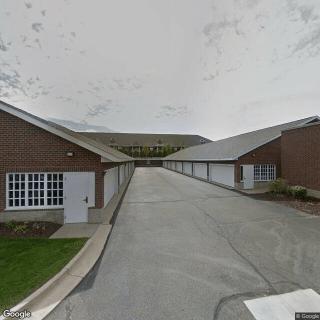
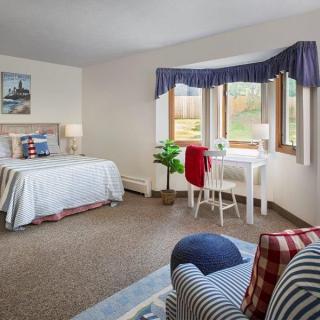
Homewards North in Grand Rapids, MI

4122 Kalamazoo Avenue SE, Grand Rapids, MI 49508

For more information about senior living options: (844) 490-3973

3.1 from 100 reviews
5 stars
43
4 stars
6
3 stars
8
2 stars
3
1 stars
40

Assisted Living

Overall Review of Homewards North

Pros

  • pro Ryan, Robert, Peter and everyone in the kitchen were really helpful and friendly.
  • pro Mel Trotter is such an amazing organization.
  • pro This place is the best shelter, the complete opposite of Wayside.
  • pro They really do so much for the community and those experiencing homelessness.
  • pro They give people a chance and have resources to help those in need.
  • pro They changed people's lives.
  • pro The team serving lunch was fantastic and very organized.
  • pro They treat everyone well and do their best to help everyone get back on their feet.
  • pro There are no mice, roaches, or bedbugs.

Cons

  • pro They won't help anyone unless they're in a program.
  • pro They kick residents out in any weather, from 12 hours to a month.
  • pro The staff are described as horrible and bring their problems to work.
  • pro Bedbugs infest rooms on the third floor.
  • pro Black mold is painted over and bathrooms have water stains and trash.
  • pro They serve the same breakfast for months, while kitchen staff claim other foods exist.
  • pro They act in a biased, "they help who they want" manner.
  • pro They mismanage applications and leave people hanging after approval.
  • pro They're accused of racism and being not inclusive, with claims it's "made for white people."
  • pro They confiscate phones and cigarettes, and can be dehumanizing.

Review

This community is best suited for adults who urgently need a roof, meals, and access to basic support services and who can tolerate a program-driven environment. It works best for individuals who are willing to follow structured processes, engage with casework, and accept that access to real help often hinges on participation in prescribed programs. In practical terms, it serves as a destination for stability when other housing options are not available, provided the resident can operate within a system that emphasizes rules, triage intake, and documented steps toward housing or employment.

Those weighing alternatives should consider options with more predictable operations, safer facilities, and clearer communications. If safety, cleanliness, transparent policies, and reliable responsiveness are top priorities, other shelters or private housing should be explored. For families or individuals who must avoid abrupt discharges, ongoing bedbugs or mold, or recurrent reporting of unreturned calls, a more consistently managed option will likely deliver less stress and more concrete progress toward independent living.

Pros do exist, but they are unevenly distributed and do not negate the larger concerns. Several staff members and volunteers are praised for friendliness, helpfulness, and genuine willingness to assist. In some shifts, kitchen teams and volunteers deliver dependable meals and a welcoming, if imperfect, sense of community. There are occasional signs of organization and partner involvement that connect residents to essential resources, which can make a meaningful difference for someone willing to engage with the available programs.

Yet the main drawbacks are persistent and systemic. Bedbugs and other sanitation issues are repeatedly reported, with concerns about mold in bathrooms and water damage in facilities. Disruptive or opaque administrative practices - such as abrupt discharges or unclear intake expectations - undercut confidence in the shelter's reliability. Communication failures, including unanswered phones and unreturned messages, leave residents adrift when urgent needs arise. The culture around safety and respect is uneven, with multiple accounts of dismissive or hostile treatment, theft concerns, and in some cases discrimination. These core problems erode the value of the positives and create real risk for residents trying to stabilize.

The net effect is a mixed proposition where partial positives do not fully offset the substantial safety, cleanliness, and reliability concerns. For families or individuals who can tolerate a tough, program-first environment and who have a solid backstop plan, there may be enough value to justify using this community as a stepping stone. For most decision-makers who prioritize dignified treatment, consistent governance, clean surroundings, and dependable communication, alternatives should be prioritized. In the end, the choice hinges on risk tolerance, the immediacy of housing needs, and whether there is a viable backup plan if capacity, safety, or responsiveness falter.

If this option is pursued, approach it with a clear, conservative plan. Visit at varied times to gauge how the place operates across shifts, and verify room conditions in person - look for bedbug indicators, mold, and overall sanitation. Ask for written policies on intake, room assignments, appeal processes, and discharge procedures; document who you speak with and when. Speak with current residents about daily life, safety, and staff responsiveness to determine consistency beyond isolated positive interactions. Have a backup plan - alternative shelters, affordable private housing, or assistance programs - so progress toward housing does not hinge on a single, imperfect doorway. This approach ensures decisions are grounded in reality, not wishful thinking, and aligns expectations with the likely experience.

Features

Housing

  • 6 resident community capacity 6 resident community capacity

Types of Care

  • Assisted Living Assisted LivingAssisted living facilities provide crucial support and care for seniors who may need help with daily tasks such as medication management, bathing, and meal preparation. These communities offer a safe and comfortable environment where seniors can maintain their independence while receiving the assistance they need to thrive in their golden years.

Amenities

  • Cable or satellite TV Cable or satellite TVCable or satellite TV is important for seniors because it provides entertainment, news, and companionship, helping to combat loneliness and boredom. It also offers a wide range of programming options tailored to different interests and preferences.
  • Dining room Dining roomDining rooms are important for seniors as they provide a space for socialization, connection, and nutritious meals. They offer opportunities for residents to bond over shared meals, foster a sense of community, and promote healthy eating habits. Dining rooms also ensure that seniors have access to well-balanced meals tailored to their dietary needs and preferences.
  • Fully furnished Fully furnishedFully furnished senior living communities are important for seniors because they provide convenience, comfort, and a hassle-free moving experience. Seniors can easily settle into their new living space without the stress of having to buy and move furniture. This allows them to focus on enjoying their new home and community.
  • Garden GardenGardens are important for seniors as they provide a peaceful and therapeutic environment for relaxation, physical activity, and socialization. Being in nature has been shown to reduce stress, improve mood, and promote overall well-being. Gardens also offer opportunities for seniors to engage in gardening activities, which can improve mobility, flexibility, and cognitive function. Additionally, gardens create a sense of community and connection with others who share a passion for plants and outdoor spaces.
  • Housekeeping services Housekeeping servicesHousekeeping services are important for seniors because they help maintain a clean and safe living environment, promote independence, and reduce the risk of accidents or illnesses. Additionally, having assistance with household chores can alleviate physical strain and allow seniors to focus on other aspects of their well-being.
  • Move-in coordination Move-in coordinationMove-in coordination is important for seniors because it helps ease the transition into their new living environment. It ensures that all logistics, such as packing, organizing movers, and setting up utilities are taken care of, allowing seniors to focus on settling in and adjusting to their new home. Having a smooth move-in process can alleviate stress and anxiety, making the transition smoother and more enjoyable for seniors.
  • Outdoor space Outdoor spaceOutdoor spaces are important for seniors as they provide opportunities for physical activity, social interaction, exposure to natural light and fresh air, and a sense of connection to nature. Having access to outdoor spaces can improve overall well-being and quality of life for older adults living in senior communities.
  • Telephone TelephoneTelephones are important for seniors as they provide a lifeline for communication with loved ones, emergency services, and healthcare providers. They offer a sense of security and independence, enabling seniors to stay connected and access assistance when needed.
  • Wi-Fi/high-speed internet available Wi-Fi/high-speed internet availableWi-Fi/high-speed internet is important for seniors to stay connected with loved ones, access online resources, and participate in virtual activities to combat feelings of loneliness and isolation. It also allows them to easily manage healthcare needs, access entertainment, and engage in lifelong learning opportunities.

Transportation

  • Kent County International (5 miles away) Kent County International (5 miles away)

Care Services

  • 24-hour supervision 24-hour supervision24-hour supervision is important for seniors to ensure their safety, well-being, and access to immediate assistance in case of emergencies or health issues. This constant support provides peace of mind for both seniors and their loved ones, allowing them to age in place with dignity and security.
  • Activities of daily living assistance Activities of daily living assistanceActivities of daily living assistance are important for seniors because they provide essential support with tasks such as eating, bathing, dressing, and mobility. This assistance helps seniors maintain their independence, dignity, and overall quality of life as they age.
  • Assistance with bathing Assistance with bathingAssistance with bathing is crucial for seniors as it helps maintain personal hygiene, prevents infections, and ensures their overall well-being and comfort. It also provides a sense of dignity and independence for seniors who may struggle with this task on their own.
  • Assistance with dressing Assistance with dressingAssistance with dressing is important for seniors because it helps maintain their independence, promotes personal hygiene, prevents accidents and injuries, and improves overall quality of life. This service ensures that seniors can continue to dress comfortably and confidently, despite any physical limitations they may have.
  • Assistance with transfers Assistance with transfersAssistance with transfers is crucial for seniors as it helps prevent falls and injuries, maintains their independence, and ensures they can safely navigate their living environment. It also provides peace of mind for both seniors and their loved ones.
  • Coordination with health care providers Coordination with health care providersCoordination with health care providers is crucial for seniors to ensure proper medical care, medication management, and overall well-being. This collaboration helps prevent overlapping treatments, track progress more effectively, and provide comprehensive support tailored to individual needs.
  • Diabetes diet Diabetes dietA diabetes diet is crucial for seniors as it helps manage blood sugar levels, reduce risks of complications, and improve overall health and well-being. By following a balanced and nutritious diet tailored to their specific needs, seniors can better control their diabetes and enhance their quality of life.
  • Meal preparation and service Meal preparation and serviceMeal preparation and service are crucial for seniors as they may have limited mobility or energy to cook nutritious meals. Having access to healthy and convenient food options can ensure they are getting the proper nutrition needed to maintain their overall health and well-being.
  • Medication management Medication managementMedication management is crucial for seniors to ensure they are taking the right medications at the correct dosages and times. This helps prevent adverse drug interactions, reduces the risk of medication errors, and promotes overall health and well-being. Proactive management also allows for adjustments as needed based on changing health conditions or new prescriptions.
  • Special dietary restrictions Special dietary restrictionsSpecial dietary restrictions are important for seniors because age-related changes in metabolism and health conditions can make it difficult for their bodies to process certain foods. By following a diet tailored to their specific needs, seniors can maintain their overall health and well-being, manage chronic conditions, and reduce the risk of complications such as malnutrition or food interactions with medications.
  • Transportation arrangement (medical) Transportation arrangement (medical)Transportation arrangements for medical purposes are essential for seniors as they may have difficulty driving themselves to appointments or accessing public transportation. Having reliable and safe transportation options ensures that seniors can receive timely medical care and maintain their health and well-being.
  • Transportation to doctors appointments Transportation to doctors appointmentsTransportation to doctors' appointments is crucial for seniors as it ensures they have access to necessary medical care and support for their health needs. Without reliable transportation, seniors may struggle to attend important appointments, leading to potential delays in treatment and health complications. Providing transportation services helps seniors maintain their overall well-being and quality of life.

Dining

  • Diabetes diet Diabetes dietA diabetes diet is crucial for seniors as it helps manage blood sugar levels, reduce risks of complications, and improve overall health and well-being. By following a balanced and nutritious diet tailored to their specific needs, seniors can better control their diabetes and enhance their quality of life.
  • Special dietary restrictions Special dietary restrictionsSpecial dietary restrictions are important for seniors because age-related changes in metabolism and health conditions can make it difficult for their bodies to process certain foods. By following a diet tailored to their specific needs, seniors can maintain their overall health and well-being, manage chronic conditions, and reduce the risk of complications such as malnutrition or food interactions with medications.

Activities

  • Community-sponsored activities Community-sponsored activitiesCommunity-sponsored activities are important for seniors as they provide opportunities for social interaction, mental stimulation, and physical activity. These activities can help improve overall well-being, combat loneliness and isolation, and promote a sense of belonging and purpose among older adults.
  • Scheduled daily activities Scheduled daily activitiesScheduled daily activities are important for seniors because they provide structure, socialization, mental stimulation, and physical activity. Engaging in regular activities can improve overall well-being and quality of life for seniors living in a community setting.

Description

Homewards North is an exceptional assisted living community located in Grand Rapids, MI. Our residents enjoy a wide range of amenities that ensure their comfort and convenience. With a dining room, our residents can gather together for delicious meals prepared by our talented chefs. The community is fully furnished, providing a warm and inviting atmosphere for our residents.

Our beautiful garden offers the perfect outdoor space for relaxation and activities. Housekeeping services are provided to ensure a clean and tidy living environment for our residents. Move-in coordination is also available to assist with the transition process.

To enhance connectivity, we offer telephone and Wi-Fi/high-speed internet services. This allows our residents to stay in touch with loved ones and access information easily.

At Homewards North, we prioritize the well-being of our residents by offering a variety of care services. Our compassionate staff provides assistance with daily activities such as bathing, dressing, and transfers. We coordinate with healthcare providers to ensure that our residents receive the necessary medical attention. For those with specific dietary needs, we offer diabetes diets and are able to accommodate special dietary restrictions.

Residents can enjoy a variety of scheduled daily activities to keep them engaged and entertained. Additionally, there are plenty of nearby amenities for them to explore. With six cafes, 35 restaurants, and 24 physicians nearby, our residents have easy access to dining options and healthcare professionals. There are also two parks for those who love nature and enjoy outdoor activities.

Transportation arrangement for medical needs as well as transportation to doctors' appointments is provided for added convenience. For spiritual support, there are five places of worship nearby where residents can attend religious services if desired.

The safety and well-being of our residents are always a top priority at Homewards North. With four hospitals nearby, immediate medical attention is readily available whenever needed.

Choose Homewards North in Grand Rapids, MI as the ideal assisted living community that combines comfortable accommodations with exceptional care services and convenient access to nearby amenities.

Nearby Places of Interest

This part of Grand Rapids, Michigan offers a diverse range of amenities and services that cater to the needs of seniors. With several restaurants nearby, such as Mr Burger and Village Inn, seniors can enjoy a variety of dining options. Additionally, there are multiple physicians and pharmacies in close proximity, including Spectrum Health and Rx Optical, providing easy access to healthcare services. The presence of churches like St Mark Lutheran Church and Christ Church-Pca offers spiritual fulfillment for those seeking a community of faith. For leisure activities, there are cafes like Real Food Cafe and Starbucks, as well as Phoenix Theaters for entertainment. Parks like Chesebro Park provide opportunities for outdoor recreation. Transportation options are also convenient with Enterprise Rent-A-Car nearby and the Gerald R. Ford International Airport just a short drive away. Overall, this area provides a comfortable and convenient living environment for seniors in Grand Rapids.

Restaurants

  • Mr Burger (0.4 miles)
  • Village Inn (0.8 miles)
  • Taco Bell (2.1 miles)
  • McDonald's (2.1 miles)
  • Taco Bell (2.2 miles)
  • McDonald's (2.4 miles)
  • Peppino's Sports Grille & Pizzeria (2.6 miles)

Physicians

  • Spectrum Health (0.4 miles)
  • Rx Optical (1 miles)
  • Psychiatric Associates Of West Michigan (2.3 miles)
  • Dr. Philip Hunt (2.7 miles)
  • Keil Lasik Vision Center (2.9 miles)
  • SVS Vision Optical Centers (3 miles)
  • Adolescent and Family Behavioral Health Services (3.1 miles)

Pharmacies

  • Emergency Response Training (0.8 miles)
  • Walgreens (1.1 miles)
  • CVS Pharmacy (1.7 miles)
  • Walgreens (1.7 miles)
  • CVS Pharmacy (2 miles)
  • Walgreens (2 miles)
  • Rite Aid (2.3 miles)

Hospitals

  • Spectrum Health Lab (1.2 miles)
  • Pine Rest: Van Andel Center (4.1 miles)
  • Pine Rest: Mulder Therapy Center (4.1 miles)
  • Blodgett Hospital (4.5 miles)

Places of Worship

  • St Mark Lutheran Church (1.5 miles)
  • Christ Church-Pca (2.2 miles)
  • Madison Square Christian Reformed Church (3.7 miles)
  • Church of the Servant (3.8 miles)
  • Providence Christian Reformed Church (4.6 miles)

Cafes

  • Real Food Cafe (2.4 miles)
  • Starbucks (2.7 miles)
  • Starbucks (2.8 miles)
  • Starbucks (2.8 miles)
  • Starbucks (4.5 miles)
  • Rowster New American Coffee (4.8 miles)

Theaters

  • Phoenix Theaters (2.7 miles)

Parks

  • Chesebro Park (2.8 miles)
  • Lemery Park (4.8 miles)

Transportation

  • Enterprise Rent-A-Car (4.8 miles)
  • Gerald R. Ford International Airport (GRR) (4.9 miles)

Frequently Asked Questions

Where is Homewards North?

Nearby Communities

  • Homewards Central

    Homewards Central

    Grand Rapids, MI

    3.2 from 40 reviews
     

    pro Small, personalized assisted living with 24/7 care and comprehensive services.

  • Homewards South

    Homewards South

    Grand Rapids, MI

    5 from 1 review
     

    pro Small, fully furnished assisted living with comprehensive care, meals, housekeeping, outdoor space, and transportation coordination.

  • Spectrum Health Rehab And Nursing Center

    Spectrum Health Rehab And Nursing Center

    Grand Rapids, MI

    3.2 from 40 reviews
     

    pro Restaurant-style dining with on-site amenities and around-the-clock care.

  • Grand Valley Health Ctr

    Grand Valley Health Ctr

    Grand Rapids, MI

    3.2 from 40 reviews
     

  • Kendall West

    Kendall West

    Grand Rapids, MI

    3.3 from 3 reviews
     

    pro Fully furnished living spaces with personalized care and tailored meals.

  • Kendall Crossing

    Kendall Crossing

    Grand Rapids, MI


    pro Fully furnished units with comprehensive care and transportation

  • Breton Woods of Holland Home

    Breton Woods of Holland Home

    Grand Rapids, MI

    4.6 from 7 reviews
    $908 / month

    pro Continuum of care with attractive amenities and welcoming staff.

  • American House Kentwood

    American House Kentwood

    Kentwood, MI

    4.1 from 62 reviews
    $4,250 to $5,050 / month

    pro Homey feel with friendly, attentive staff and clean facilities.

  • Beacon Hill at Eastgate

    Beacon Hill at Eastgate

    Grand Rapids, MI

    4.4 from 45 reviews
    $1,160 to $2,420 / month

    pro Compassionate staff with comprehensive care options (independent, assisted, memory care) in a peaceful, amenity-rich setting.

Related Resources

  • assisted living insuranceAssisted Living Expenses and Long-Term Care Insurance: A Comprehensive Exploration

    The article discusses assisted living expenses, the importance of long-term care insurance in covering these costs, and various financing options, highlighting the need for careful policy review and early planning to address potential needs. It also clarifies common misconceptions about Medicare and private health insurance limitations regarding long-term care coverage.

  • how to pay for assisted livingSecuring Financial Support for Assisted Living: A Comprehensive Overview

    Assisted living facilities offer crucial support for older adults needing help with daily activities but come with varying and significant costs, which can be financed through personal savings, government assistance programs, long-term care insurance, and home equity options. Professional guidance from experts can aid families in navigating these financial complexities to establish a sustainable budgeting approach for assisted living services.

  • assisted living for seniors on social securitySocial Security Benefits and Assisted Living: Navigating Options Across the U.S.

    Assisted living costs often exceed Social Security benefits, necessitating a combination of funding sources like state aid and Medicaid. Understanding the interaction between Social Security programs and available financial support is essential for affording such care.