
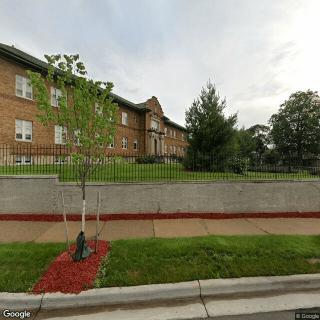
1925 Bridge St NW, Grand Rapids, MI 49504
To contact a resident: (616) 453-8723
For more information about senior living options: (866) 208-4318
Overall Review of Grandview Apartments
Pros
 Grandview Apartments is nice and clean, with management that is kind and helpful.
- The residents find the people there friendly and the location convenient, close to everything and on a bus line.
- It is a quiet place that mostly houses older residents.
Cons
 The building is filthy with roaches and bedbugs, with water leaks and pipes that freeze.
- It has gone downhill and should be torn down.
- The front desk staff do not care about residents.
- Rent is unaffordable; there is a demand for something under $600 per month.
- Bed bugs, roaches, and hoarders are a constant problem, despite routine spraying.
- Leaking pipes are not repaired unless the damage becomes unlivable.
- The pest control is inadequate; the place should be closed down.
Review
Grandview Apartments in Grand Rapids is best suited for seniors who need a very low-cost housing option and who prioritize location and transit access over pristine conditions. This community works for self-sufficient older adults who can tolerate aging infrastructure and modest amenities while staying within a tight budget. It is not a fit for residents who require ongoing assistance, regular help with daily activities, or a consistently pest-free, well-maintained environment. Families should anticipate that the environment may test tolerance for wear and tear, unreliable maintenance, and intermittent safety concerns. In short, this is a pragmatic choice for those who value affordability and proximity more than flawless cleanliness or pest control.
Alternatives are worth serious consideration for anyone whose loved one needs daily care or cannot endure persistent pest problems and aging systems. Those relying on staff for medication management, mobility assistance, or emergency response should look at assisted living options with on-site care and more robust service levels. Prospective residents who prize a consistently clean environment and predictable maintenance schedules should explore other buildings with documented pest control, updated plumbing, and responsive front-desk service. The decision hinges on balancing cost against quality of life, and in this case, a sizable number of families will likely prefer a different path for long-term stability.
On the upside, the property earns points for quiet surroundings and an older-adult atmosphere, which can reduce noise-related stress and foster a familiar community vibe. Several reviews emphasize a location that is convenient, with access to bus lines and nearby amenities, supporting independence for residents who do not rely heavily on driving. Some tenants report that management can be helpful and that certain units feel clean and well-kept, underscoring that the basics can work when conditions align. These elements matter: proximity, routine staff responsiveness, and a straightforward rental process can make a real difference when finances are tight and options are limited. The practical combination of low rent and accessibility is not nothing, particularly for those prioritizing budget control over luxury.
Yet the most dominant, recurring concerns are difficult to overlook. Bed bugs and roaches appear repeatedly in multiple tenants’ accounts, despite what is described as routine spraying, and leaks or plumbing issues are cited as ongoing problems in aging infrastructure. The specter of persistent infestations is frightening for families, and questions about maintenance speed and thoroughness arise when issues resurface. Reports of limited front-desk engagement and nonresident access problems further erode a sense of day-to-day safety and reliability. Taken together, these problems undercut any benefits from location and cost savings and create a pattern of chronic instability that can escalate with health or mobility changes. The conclusion is clear: pest and maintenance chaos largely neutralize the appeal for most decision-makers.
From a decision-making standpoint, the pros only offset the cons for a narrow, highly specific segment, those with the tightest budgets who can tolerate ongoing pest management and sporadic service without needing substantial care. If a unit is truly livable and the surroundings feel safe, financial relief can matter; but the trade-offs, the recurring pests, leaks, and inconsistent service, are heavy weights for anyone with health concerns or elevated cleanliness expectations. In practice, the community serves a small audience: residents who can stomach risk for the sake of ultra-low rent and a convenient location. Most families will conclude that the cons outweigh the upside when considering long-term needs, especially as aging progresses and daily support becomes more important.
For families weighing this option, a disciplined, objective site visit is indispensable. Inspect current units carefully for signs of pests and moisture, confirm the schedule and scope of pest control, and speak candidly with residents about responsiveness from management and the front desk. Verify lease terms related to maintenance expectations, emergency response times, and any guest access rules to gauge safety and predictability. Compare with other affordable independent living options or assisted communities that offer documented pest control, modern plumbing, and reliable on-site care. If independence, transit access, and ultra-low cost are non-negotiables, Grandview may warrant consideration with a strenuous plan to monitor conditions closely; otherwise, pursue alternatives that deliver consistent cleanliness, safety, and care, even if the price point is higher. This approach ensures that the chosen path aligns with current needs and protects against foreseeable disruptions as health and daily support requirements evolve.
 Active Adult Communities (55+)
 Kent County International (12 miles away)
 Recognizing the Journey: Understanding and Navigating Anticipatory Grief
 Encouraging Participation in Adult Day Care: A Guide to Supporting a Hesitant Parent
 Comprehensive Exploration of Living Wills and Other Advance Directives