
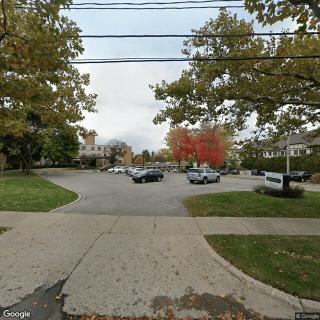
2141 Boston Street. SE, East Grand Rapids, MI 49506
For more information about senior living options: (866) 208-4318
Overall Review of Boston Street Home
Pros
 Beacon Hill is a superb facility.
- They have superb empathy and caring for all their residents.
- The staff is the best ever, caring, loving, patient, supportive, and helpful with physical, medical, emotional, and financial needs.
- The trials of Covid were navigated in the best possible ways.
- Independent living was beautiful with a lot of amenities and great activities.
- Part of the best retirement facility in West Michigan.
- The dining areas are clean and the food is delicious.
- Celebration for a resident who is now 99 years young!
- Excellent space, kind staff, and beautiful surroundings.
- Great place. Great people.
- Classy, fancy, relaxing and good for everyone.
- Fantastic grounds, apartments, staff, residents, food is stellar always!
Cons
 Nurses lazy. They don't take care of the senior citizens. They sit on there Butt's and leave elderly in dirty depends.
- Once you get to assisted it is a musty living space with infantilizing activities like "zoo week."
Review
Boston Street Home in East Grand Rapids is best suited for active seniors who want a refined, amenity-rich campus with a true continuum of care, independent living through rehab and long-term care, on one convenient site. This community appeals to families seeking a prestigious environment with polished facilities, strong social opportunities, and dependable on-site services. Residents who value an upscale setting, well-maintained grounds, and accessible dining and activities will find a reassuring rhythm here, and they will benefit from staff who are demonstrated to be empathetic, patient, and capable of addressing physical, medical, emotional, and financial needs.
This is not the right fit for everyone. Those who require consistently flawless daily nursing and hands-on, proactive care at all times may encounter uneven experiences reflected in mixed reviewer comments about nursing responsiveness. One reviewer laments nurses who appear disengaged, while others praise the nursing team as among the best ever, signaling variability in frontline coverage. Additionally, the assisted-living environment has been described as musty and, at times, infantilizing, an atmosphere that can clash with residents who prize dignity, autonomy, and age-appropriate programming. Families prioritizing uniform nursing excellence and a mature, straightforward care culture should consider alternatives.
Yet the strongest positives here, empathic, comprehensive staff; a complete campus with independent living, rehab, and long-term care on site; and a community that prioritizes social connectivity, tend to offset the caveats for many residents. Caregivers are repeatedly praised for their warmth and ability to navigate medical, emotional, and financial needs, which can relieve families from micromanagement. The living environment itself supports a high quality of life: elegant apartments, beautifully kept grounds, and amenities that make daily life convenient and enjoyable. Food and dining areas are consistently clean, welcoming, and well-regarded, reinforcing a sense of everyday comfort and stability.
Attention to care logistics is essential, because the breadth of services also creates potential pitfalls. Families should ask pointed questions about staffing schedules, nurse availability, and care-planning processes to determine how care adapts to changing health needs. Tours should include meetings with the director of nursing and a review of recent staffing ratios, with a request to see care-transition protocols between independent living and assisted living. Memory care options and the cadence of daily support are critical data points, not afterthoughts. Gathering firsthand experiences from current residents helps separate anecdote from routine practice and reveals how consistently the facility delivers on its promises.
The environment itself weighs in heavily on decision-making. The campus exudes “posh” appeal, classy common areas, generous apartment layouts, a café-like dining culture, and a social calendar that can feel robust and welcoming. The positive attributes, beautiful surroundings, agreeable housing options, and strong culinary offerings, often shine brightest when the resident is pursuing an active, social lifestyle within a secure, on-site care framework. However, the presence of mustiness or overly juvenile programming in certain settings calls for careful scrutiny of how programming is tailored to aging in place and whether activities honor independence and dignity rather than condescension.
In the end, Boston Street Home offers a compelling choice for families seeking a prestigious, full-continuum campus where independence is supported by a solid network of on-site care services and a lively, upscale atmosphere. It is less ideal for those who cannot tolerate variability in nursing responsiveness or who value a consistently adult, non-childish programming tone in assisted living. The prudent path is a structured visit with targeted questions, corroboration from current residents, and transparent clarity on costs, transition pathways, and what daily life looks like across care levels. For families prioritizing a high-end environment with integrated services, Boston Street Home stands out as a viable, often excellent option worth pursuing.
 6 resident community capacity
 Assisted Living
 Cable or satellite TV
 Dining room
 Fully furnished
 Garden
 Housekeeping services
 Move-in coordination
 Outdoor space
 Telephone
 Wi-Fi/high-speed internet available
 Kent County International (6 miles away)
 24-hour supervision
 Activities of daily living assistance
 Assistance with bathing
 Assistance with dressing
 Assistance with transfers
 Diabetes diet
 Meal preparation and service
 Medication management
 Special dietary restrictions
 Transportation arrangement (medical)
 Transportation to doctors appointments




 Vibrant Senior Living: A Comprehensive Guide for Active Older Adults
 When to Transition from Assisted Living to Memory Care: Key Indicators, Steps, and Finding the Right Community
 Assisted Living and Memory Care: Understanding Their Core Differences