
13279 Audrey Lane, Grand Ledge, MI 48837
For more information about senior living options: (866) 208-4318
Overall Review of Chosen Vision
Pros
 The family was very impressed with the staff and the home itself.
- The stepdaughter has shown growth while at Chosen Vision.
- The organization is praised for truly caring for the individuals they serve.
- They found the organization to be a perfect fit that shared their values.
Cons
 They report being forced to work over 16 hours because the manager was too lazy to come.
- They say the hours were lowered when they disagreed with their work ethic.
- They claim Chosen Vision failed Courtney and discharged her, undermining guardianship and care.
- They question whether rent paid by SSI is mishandled and call for a full investigation by CEICMH or APS into the organization.
- They describe staffing at the DeWitt women's location as deteriorating, with residents unable to leave or manage basic tasks.
- They allege Chosen Vision prioritizes SSI income, does not teach essential life skills, and is not a safe or caring facility.
Review
Chosen Vision in Grand Ledge is best suited for adults who need a high level of supervision within a home-like setting and who prioritize safety and routine over growth opportunities. It works for families that value steady structure and a watchful staff presence more than ambitious skill-building or independence work. Residents who thrive on predictable schedules, clear boundaries, and consistent daily support may find some degree of stability here. The environment is not aimed at teaching budgeting, self-management, or advanced self-care; it is a supervised living arrangement with ongoing oversight, and that reality should guide the decision.
Those who should strongly consider alternatives are families seeking transparent governance, reliable staffing, and a proven track record of aligning care with family goals. If a resident requires robust advocacy, documented financial accountability, or a clear plan for developing everyday living skills, look elsewhere. Guardianship disputes, discharge patterns, and care decisions that involve court systems can unsettle families, and facilities with a history of such issues warrant careful scrutiny. In short, this may not be the right fit for anyone counting on steady progress toward independence or on a predictable, well-documented oversight framework.
The main pros center on presence, structure, and a basic safety net. In favorable reporting, staff demonstrate care and consistency, and the home offers supervision that keeps residents from unsafe wandering and ensures essential needs are met. For families who prioritize a calm, monitored environment where emergencies, like urgent healthcare needs, are addressed through transport and prompt coordination, these elements can feel reliable. A small subset of families has expressed genuine satisfaction with the organization aligning with their values and needs, underscoring that the setting can feel right for certain individuals when expectations are aligned with what the home can deliver.
The cons, however, are substantial and deserve serious weight. Repeated concerns about staffing reliability and management accountability paint a troubling picture: reports of excessively long shifts for workers, disputes over hours, and a sense that leadership may not respond promptly or effectively in crises. Then there are governance and financial questions, including disputes about guardianship decisions and the use of funds, which introduce a layer of risk about how residentsā€™ lives and resources are managed. Deteriorating staffing at key locations and a pattern of discharges or disagreements about continued care amplify a perception of instability rather than sustained, purposeful growth for residents.
These pros and cons do not balance evenly. The core advantages, supervision, routine, and a safety-first environment, are meaningful but largely offset by the most troubling downsides: potential for abrupt changes in care, unclear accountability, and financial or legal disputes that families must navigate. For families hoping to see steady progress toward greater independence, or for those who require rigorous, transparent governance and forthright advocacy, the negatives dominate the picture. In practical terms, the decision hinges on whether safety and structure without aggressive development are sufficient, and whether the family can tolerate complex guardianship dynamics and potential turnover.
Given the overall picture and the rating trajectory, this community should be a very carefully considered option. The prudent path is to compare with other local assisted living and group-home options that demonstrate consistent staffing, clear oversight, and proven collaboration with guardians and families. If choosing to explore Chosen Vision further, insist on a comprehensive on-site review: observe shifts, speak with current residents and caregivers, request up-to-date financial and governance policies, and verify the current stance of oversight authorities. Only after corroborating stable staffing, transparent financial practices, and a clear, resident-centered plan should one consider moving forward; otherwise, alternatives with stronger evidence of reliable care and accountability are the wiser bet.
 6 resident community capacity
 Assisted Living
 Cable or satellite TV
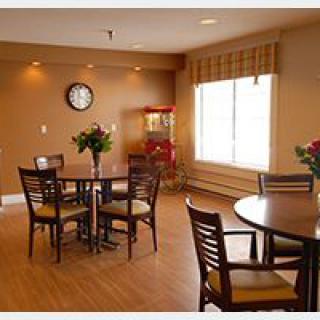
 Dining room
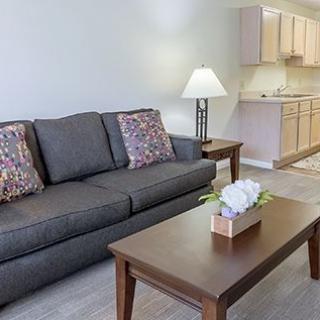
 Fully furnished
 Garden
 Housekeeping services
 Move-in coordination
 Outdoor space
 Telephone
 Wi-Fi/high-speed internet available
 Capital City (6 miles away)
 24-hour supervision
 Activities of daily living assistance
 Assistance with bathing
 Assistance with dressing
 Assistance with transfers
 Diabetes diet
 Meal preparation and service
 Medication management
 Special dietary restrictions
 Transportation arrangement (medical)
 Transportation to doctors appointments



 Understanding the Distinctions: Assisted Living and Memory Care Explained
 Guiding Elderly Parents Who Refuse Assisted Living: 6 Practical Steps
 Your Comprehensive Guide to Luxury Assisted Living: Elevated Facilities, Amenities, and Costs