
7021 Hartel, Grand Ledge, MI 48837
For more information about senior living options: (866) 208-4318
Overall Review of Country Corner Care Asstd Living
Pros
 They are kind, knowledgeable, caring, and efficient, and they listen to questions and concerns.
- They treat her like family.
- They keep her from being alone, which brings huge relief to the family.
- The care provides the family with peace of mind.
Review
Country Corner Care Assisted Living in Grand Ledge, MI stands out for families seeking a small, intimate setting where a loved one with memory impairment can receive genuinely compassionate, attentive care. This community appears best suited for mid-stage dementia residents who benefit from staff who know them well, respond promptly to questions, and treat residents like family. It is especially appealing to families who want the reassurance that their relative is not left alone, but is cared for with warmth, personal attention, and a steady, predictable routine.
There are clear voices for alternatives. Families whose care needs go beyond assisted living, such as requiring ongoing skilled nursing, intensive rehab, or a dedicated memory-care unit with highly clinical oversight, may want to explore options with stronger medical capabilities or larger facilities. Those prioritizing a broader slate of amenities, more extensive programming, or a different pricing structure could also find value in evaluating other communities. In short, Country Corner Care excels in relational care and dementia-friendly engagement, but may not be the best fit for care plans demanding advanced clinical services or expansive campus environments.
From the single detailed review, the strongest advantages are evident: staff who are kind, knowledgeable, and caring; an efficient operation that answers questions and coordinates care smoothly; and a culture where residents are treated as family. The caregiver’s ability to listen to concerns and provide thoughtful responses translates into confidence for families and a sense of safety for residents. The reviewer’s mother, described as mid-stage dementia, “loves it here” and the family feels a huge relief knowing she is not alone. Those are powerful decision levers for anyone weighing the emotional and practical costs of caregiving.
These strengths offset the most common concerns that arise when evaluating dementia care in an assisted-living setting. Loneliness and isolation often undermine quality of life for memory-impaired seniors; here, the family-like atmosphere and close staff relationships directly counteract that risk. The potential for miscommunication or gaps in oversight is mitigated by staff efficiency and proactive listening, qualities that translate into fewer missed cues, more timely responses, and a more predictable daily rhythm for residents. Even if the facility’s breadth of programming isn’t as expansive as larger communities, the depth of personal attention creates meaningful engagement and a sense of security for families.
That said, the limited feedback base means the decision should still be grounded in careful, personalized due diligence. Prosently favorable impressions about warmth and attentiveness are compelling, but the absence of broader data warrants verification of concrete metrics: staff-to-resident ratios, dementia-specific training, daily schedules, safety features (such as wandering controls and medication management), and the availability of incident-free continuity of care. For families prioritizing dignity, connection, and steady oversight, those specifics are the practical next questions to confirm, ensuring the positives line up with the resident’s exact needs.
In practical terms, Country Corner Care is a strong fit for families prioritizing relational, dementia-capable care in a home-like atmosphere. The focus on listening, compassionate engagement, and immediate reassurance in response to questions creates a solid foundation for resident well-being and caregiver peace of mind. If those attributes align with the senior’s needs and the family’s expectations, this community deserves serious consideration as a primary option. If, however, the priority is advanced clinical services, complex rehab, or wide-ranging daily programming on a large campus, alternatives warrant comparison.
To move forward decisively, schedule a visit with a concrete checklist. Confirm the facility’s dementia care capabilities, discuss daily routines and activity options, and review daily staffing patterns across shifts. Request a transparent outline of costs, what is included, and any potential additional charges. Seek a couple of references beyond the single review, ideally other families with similar care needs, and, if possible, arrange a short trial stay to observe how the staff handles routine days, medications, and wandering safety. With clear benchmarks and firsthand observations, the choice will align with both the resident’s needs and the family’s comfort level, turning warmth and attentiveness into a durable, practical care plan.
 6 resident community capacity
 Assisted Living
 Board and Care Home
 Respite Care
 Cable or satellite TV
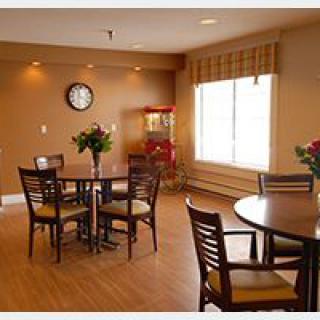
 Dining room
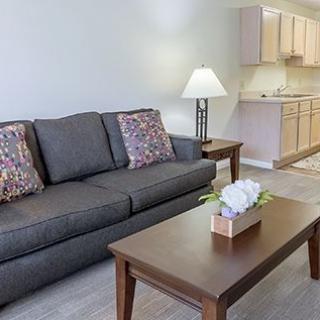
 Fully furnished
 Garden
 Housekeeping services
 Move-in coordination
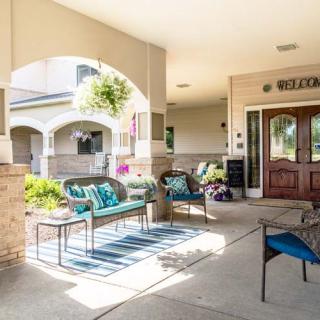
 Outdoor space
 Telephone
 Wi-Fi/high-speed internet available
 Capital City (8 miles away)
 24-hour supervision
 Activities of daily living assistance
 Assistance with bathing
 Assistance with dressing
 Assistance with transfers
 Diabetes diet
 Meal preparation and service
 Medication management
 Special dietary restrictions
 Transportation arrangement (medical)
 Transportation to doctors appointments
 Comprehensive Insights into Activities of Daily Living (ADLs) and Their Assessment
 Medicare Coverage for Assisted Living: An In-Depth Exploration
 Choosing the Right Senior Care: A Detailed Exploration of Assisted Living and Nursing Homes