Grand Pines Assisted Living Center Costs & Pricing
Grand Pines Assisted Living Center offers competitive pricing for its residents, with monthly costs that reflect both the quality of care and the local market dynamics. For a studio room, the center charges $3,100, which is notably more affordable than the average rate in Ottawa County at $3,626 and lower than the statewide average of $3,824. Similarly, the one-bedroom option at Grand Pines is priced at $3,500 - just slightly above the county's average of $3,090 but still below Michigan's overall average of $3,384. This positioning underscores Grand Pines' commitment to providing value while ensuring a supportive environment for its residents within a burgeoning assisted living landscape.
Floor plans
Grand Pines Assisted Living Center
Ottawa County
Michigan
Studio
$3,100
$3,626
$3,824
1 Bedroom
$3,500
$3,090
$3,384
Memory care communities with a similar price nearby
Overall Review of Grand Pines Assisted Living Center
common16 reviews mention this
Staff responsiveness stands out
Residents and families frequently describe staff who are caring and responsive to concerns.
Many reviewers describe staff as kind, helpful, and genuinely concerned about residents’ wellbeing, often mentioning day-to-day attentiveness and courteous interactions. Several families also note administration that listens and follows through when questions or issues come up. A few negative reviews raise concerns about neglect tied to staffing and follow-through, but those reports are still framed as problems in care delivery rather than a lack of concern from everyone involved.
common12 reviews mention this
Food is a frequent highlight
Dining is consistently talked about, with many residents and visitors saying the food is good.
A large number of reviews specifically praise the quality of meals and special event food, including holiday gatherings and family brunches. Reviewers also mention variety and that residents seem to enjoy what they’re served. One negative review claims dietary restrictions are not followed, and another complains about added charges and room delivery timing, which conflicts with the otherwise positive meal experiences.
common10 reviews mention this
Activities and events feel engaging
Residents have access to scheduled activities and community events that families enjoy attending.
Multiple reviews describe frequent activities, social events, and outings, including holiday parties and themed gatherings. Some families mention that residents participate and that the community brings in entertainment or speakers. A reviewer also suggests the activity calendar may not be delivered as promised in the memory care setting, which is the clearest counterpoint to the largely positive activity feedback.
caveat6 reviews mention this
Care quality concerns center on staffing
A recurring concern is that staffing levels can affect care quality and communication.
Several critical reviews describe periods of insufficient staffing that they connect to neglected care, unanswered questions, and problems with medication delivery. One reviewer also describes concerns specific to memory care, including supervision and staff readiness for dementia-related needs. While positive reviews emphasize caring support, these complaints point to variability in day-to-day care experience, especially during higher-demand moments.
caveat3 reviews mention this
Pricing and meal charges draw complaints
Some families say the overall cost can be high, especially for extra in-room dining.
At least a few reviews call the community expensive, and one review specifically argues that eating in rooms comes with additional per-meal charges on top of rent. That same complaint describes trays arriving warm rather than hot. Another reviewer states it’s very expensive but still notes that it includes many things, suggesting pricing perception varies across families.
common2 reviews mention this
Nearby convenience is noted
The location in Grand Haven comes up as a practical advantage for families.
One reviewer highlights that the community is not far from home, which reduces travel burden for family members. Another mentions the convenience of being close to local doctors. Reviewers still differ on day-to-day convenience and overall experience, but location is at least occasionally singled out as helpful.
How we summarize
Counts show how many written reviews mention each theme; a review can touch several themes, and only frequently mentioned themes are displayed.
Features
Housing
177 resident community capacity
1-bedroom apartments
2-bedroom apartments
Studio apartments
Types of Care
Assisted Living
Memory Care
Respite Care
Amenities
Activities on-site
Air-conditioning
Beautician on-site
Beauty salon
Cable or satellite TV
Computer center
Devotional services off-site
Dining room
Fitness room
Fully furnished
Gaming room
Garden
Guest parking
Housekeeping services
Indoor common areas
Kitchenette
Laundry
Move-in coordination
Outdoor space
Overnight guests
Party space
Private bathrooms
Resident parking
Respite or short term stays offered
Restaurant-style dining
Small library
TV room
Telephone
VA Benefits Consultation
Wellness center
Wi-Fi/high-speed internet available
Transportation
Muskegon County (8 miles away)
Community operated transportation
Transportation & parking
Transportation arrangement
Transportation arrangement (non-medical)
Transportation to doctors appointments
Care Services
12-16 hour nursing
24-hour call system
24-hour supervision
Activities of daily living assistance
Ambulatory care
Assistance with bathing
Assistance with dressing
Assistance with transfers
Companion care
Diabetes diet
Diabetic care
Hospice care
Meal preparation and service
Medication management
Mental wellness program
Mild cognitive impairment
Personal care assistants
Physical therapy
Psychiatric care
Special dietary restrictions
Specialized memory care programming
Dining
Diabetes diet
Meals provided
Room service
Special dietary restrictions
Activities
Activities off-site
Activities on-site
Arts and crafts
Book club
Community-sponsored activities
Concierge services
Cooking club
Devotional activities offsite
Educational speakers / life long learning
Fitness programs
Games
Gardening club
Live musical performances
Planned day trips
Religious services
Resident-run activities
Scheduled daily activities
Stories
Tai Chi
Wii bowling
Yoga / chair yoga
Videos
Nearby Places of Interest
Pharmacies
Walgreens (0.2 miles)
D & W Pharmacy (0.3 miles)
D & W Food Centers (0.3 miles)
Dunewood Pharmacy (0.7 miles)
Pfaff Pharmacy (0.9 miles)
Walgreens (1.4 miles)
Rite Aid (2.5 miles)
Restaurants
Burger King (0.3 miles)
McDonald's (0.3 miles)
Taco Bell (0.4 miles)
Skoops (0.5 miles)
Highway Inn (0.7 miles)
Stanz Cafe (0.9 miles)
Ray's Drive-In (1 miles)
Cafes
Panera Bread (0.3 miles)
Lucky Tea & Sushi Cafe (0.4 miles)
Morning Star Cafe (1 miles)
Starbucks (1.2 miles)
Jumpin' Java (1.4 miles)
Aldea Coffee (1.4 miles)
The Pump House (1.5 miles)
Hospitals
Trinity Continuing Care Services (0.4 miles)
Diabetes Clinic Of N Ottawa (0.7 miles)
North Ottawa Community Hospital (0.7 miles)
North Ottawa Community Hosp (8.6 miles)
Physicians
Bruhn Casey F DDS (0.4 miles)
MI Smiles Dental Grand Haven (0.5 miles)
Spectrum Health Medical Group: Molly Crissman, MD (0.7 miles)
Mercy Health Physician Partners Lakes OB/GYN (0.7 miles)
Grand Pines Assisted Living Center offers competitive pricing for its residents, with monthly costs that reflect both the quality of care and the local market dynamics. For a studio room, the center charges $3,100, which is notably more affordable than the average rate in Ottawa County at $3,626 and lower than the statewide average of $3,824. Similarly, the one-bedroom option at Grand Pines is priced at $3,500 - just slightly above the county's average of $3,090 but still below Michigan's overall average of $3,384. This positioning underscores Grand Pines' commitment to providing value while ensuring a supportive environment for its residents within a burgeoning assisted living landscape.
Grand Pines Assisted Living Center's comprehensive array of features significantly enhances the quality of care for residents with dementia or Alzheimer's disease. The 24-hour supervision ensures a safe environment where residents are continuously monitored, minimizing risks and promoting peace of mind for families. Assistance with activities of daily living, including bathing and dressing, not only fosters dignity but also supports residents in maintaining their independence as much as possible. Thoughtfully prepared meal services cater to nutritional needs while accommodating personal preferences, facilitating better health outcomes. Medication management is crucial for maintaining proper treatment regimens, reducing potential complications from missed doses. Engaging residents through a dedicated mental wellness program and specialized memory care programming addresses cognitive decline effectively while enhancing social interaction and emotional well-being. Additionally, physical therapy helps improve mobility and strength, contributing to an overall sense of purpose and stability in each resident's daily routine. Together, these features create a nurturing environment tailored specifically for individuals facing the challenges associated with memory impairments.
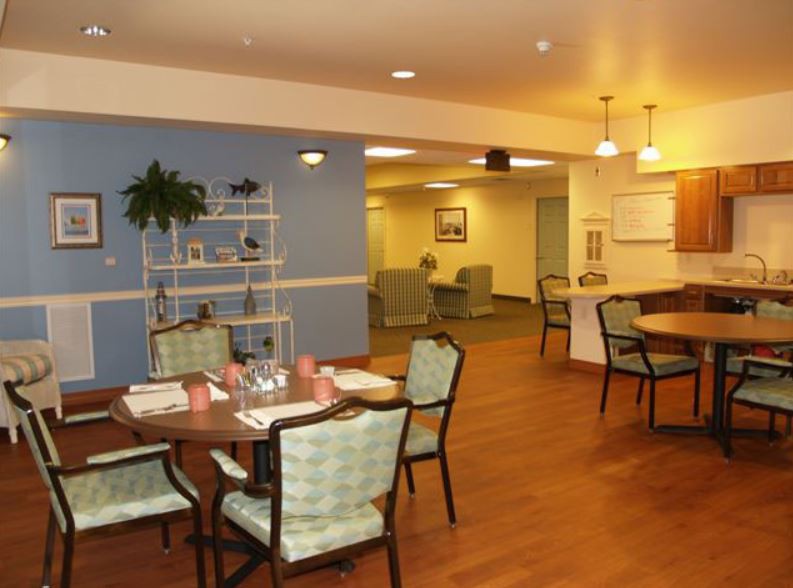
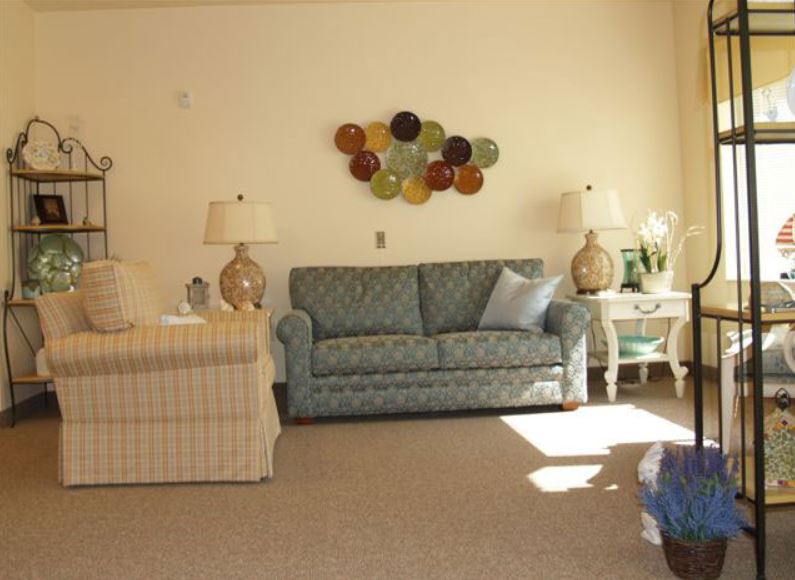
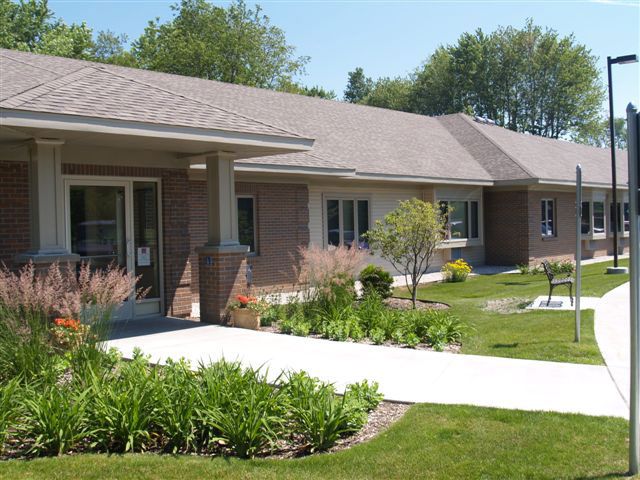
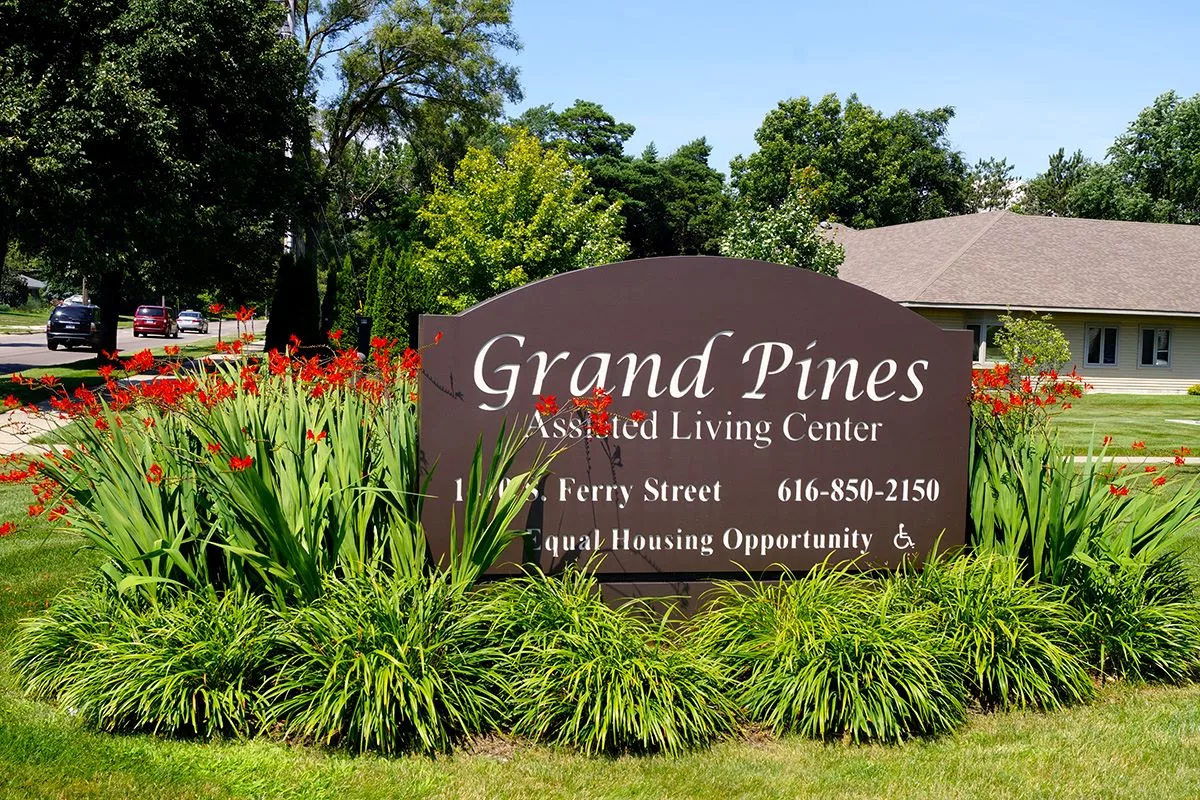
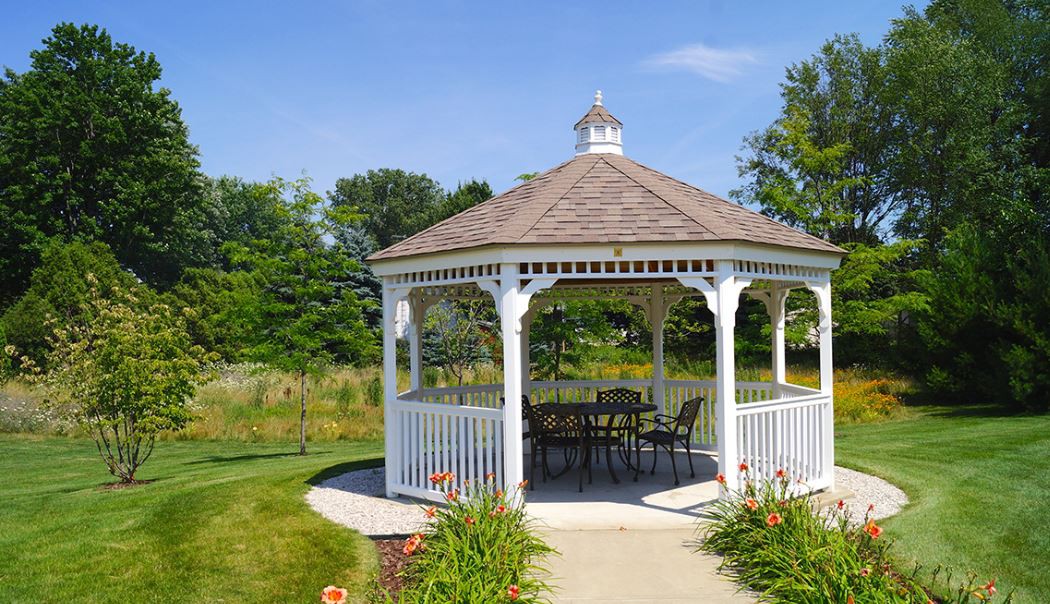
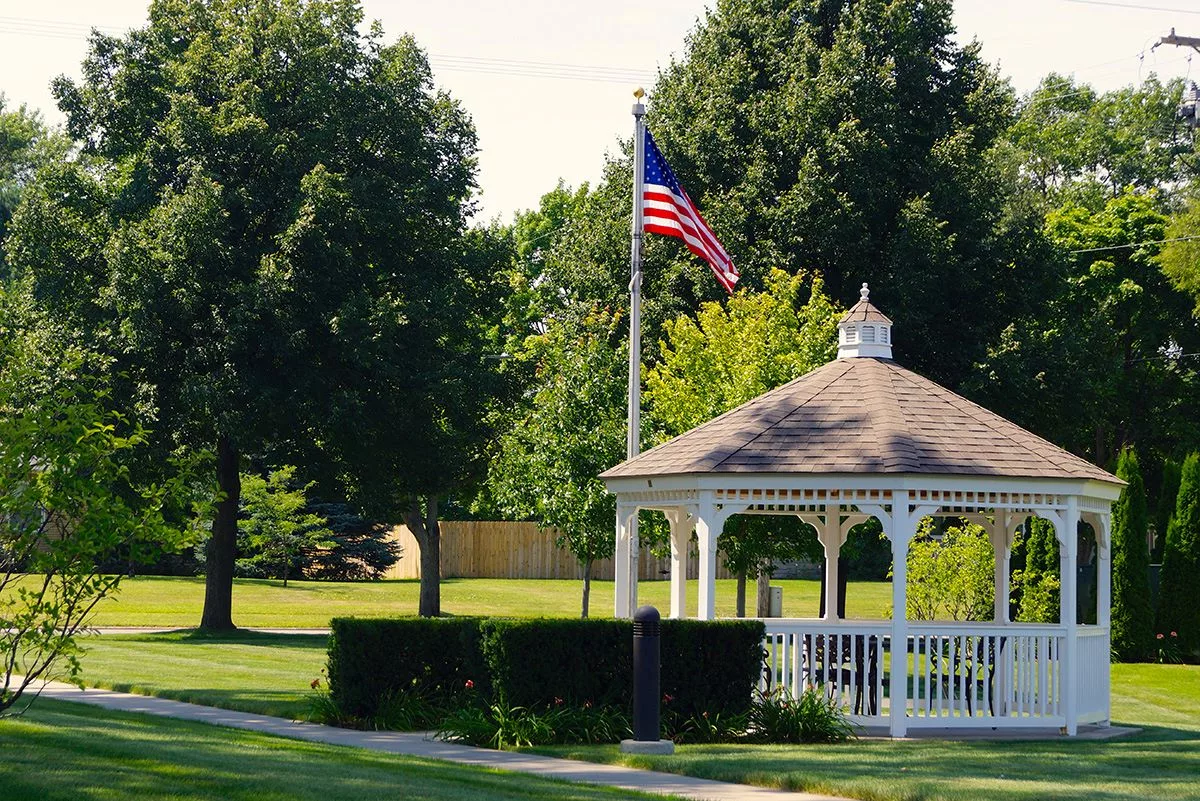
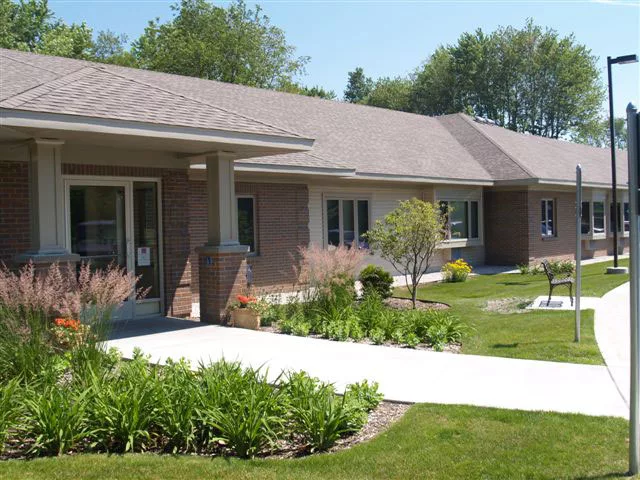
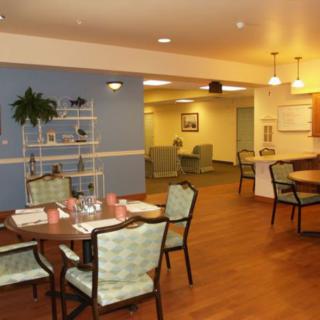
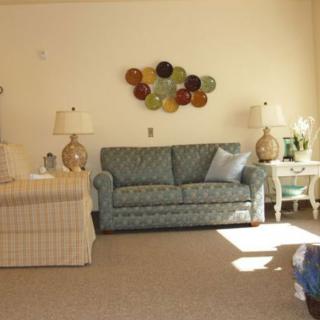
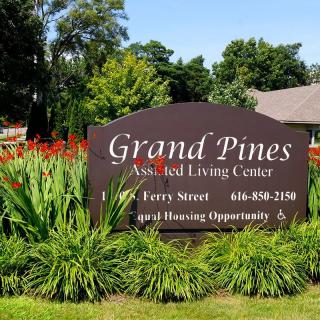
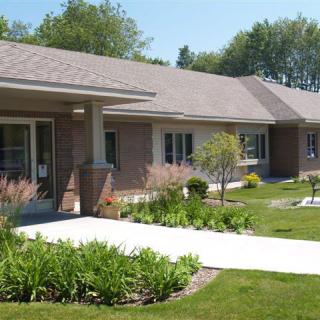
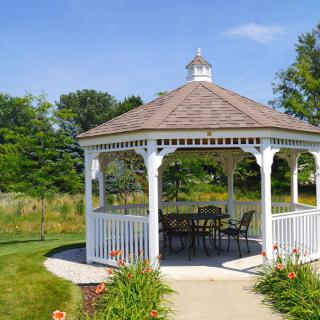
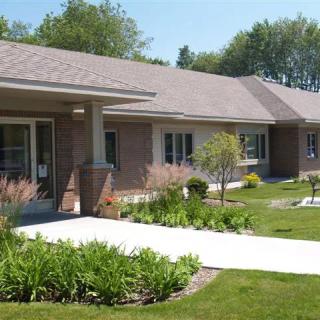
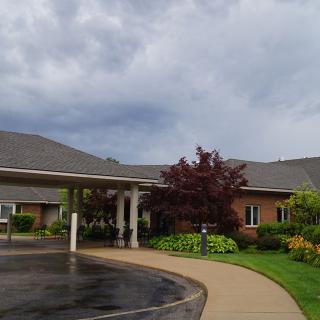
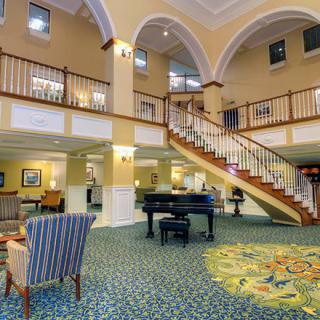
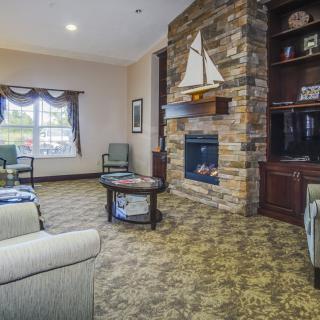
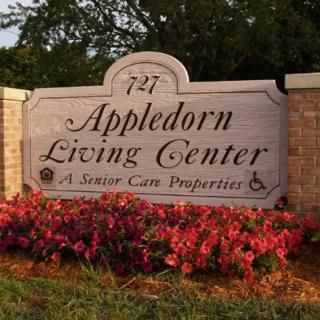
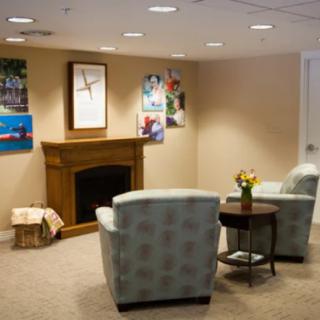
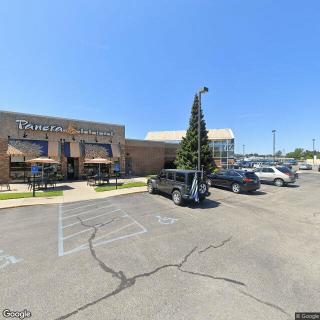
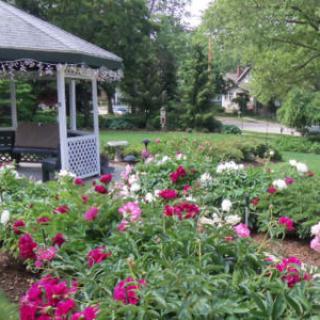
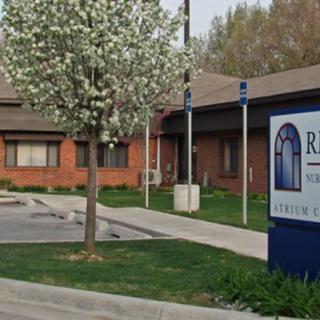
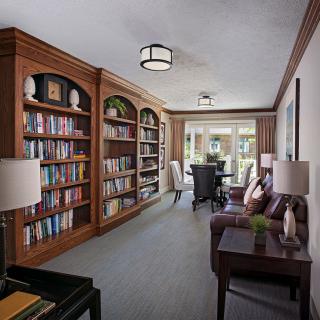
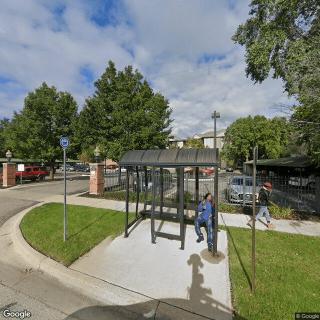
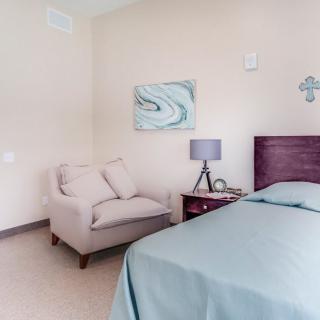
Grand Pines Assisted Living Center on seniors.fyi includes 7 photos including images showing landscaping, outdoor, gazebo, garden, trees, dining, interior, building, and more.
Nearby Communities
Village of the Pines
Grand Haven, MI
4.5 from 13 reviews
Amenities-rich locale with around-the-clock staff.
Robbinswood
Grand Haven, MI
4.2 from 89 reviews
$2,100 to $4,100 / month
Caring staff and engaging activities create a welcoming community.
Medilodge At The Shore
Grand Haven, MI
3.9 from 147 reviews
PT/OT rehab praised; some staff show compassion.
Four Points Council on Aging
Grand Haven, MI
4.5 from 51 reviews
Excellent access to nearby amenities and healthcare.
Christian Haven Home
Grand Haven, MI
4.5 from 38 reviews
$1,800 to $2,800 / month
Strong community with engaged staff and diverse on-site activities; competitive pricing.
Riverside Nursing Centre
Grand Haven, MI
3.4 from 32 reviews
Dedicated core staff fostering a close-knit, community feel.
American House Spring Lake
Spring Lake, MI
4.1 from 64 reviews
$2,265 to $4,845 / month
Clean, well-maintained facility with friendly staff and a range of living options, amenities, and dining choices.
Nelson Place Apartments
Muskegon, MI
4.2 from 20 reviews
Friendly staff and a vibrant, independent-living community with convenient transportation and on-site dining.
Riley's Grove Assisted Living & Memory Care
Zeeland, MI
4.9 from 33 reviews
$4,945 to $5,535 / month
Compassionate staff in a clean, dementia-friendly setting with engaging activities.
Dementia often results in disrupted sleep patterns, leading to excessive daytime sleeping due to factors like brain damage affecting circadian rhythms, medication side effects, and lack of structure in daily activities. Caregivers must monitor these changes closely, as oversleeping can increase risks such as malnutrition or dehydration, and provide necessary support and routines to enhance patient engagement and well-being.
The transition from assisted living to skilled nursing care is often prompted by complex medical needs that assisted living cannot meet, with key indicators including frequent health declines, increased falls, severe memory issues, and caregiver burnout. Families should recognize these signs early to discuss options with healthcare providers and prepare for the emotional and logistical aspects of moving to a facility that offers comprehensive medical support.
Dementia is characterized by cognitive decline, with nutrition playing a vital role in brain health; while no specific diet can prevent or reverse it, a nutrient-dense diet rich in antioxidants and healthy fats may support cognitive function. The MIND diet, which emphasizes beneficial foods and limits processed items, along with proper hydration and individualized meal strategies, can enhance the well-being of dementia patients.
Get PricingAsk A QuestionSchedule A TourContact Senior Advisor
By clicking submit, you agree to our Partner's Terms of Use. You
also consent to receive calls and texts, which may be autodialed, from our Partner. Your consent is not a condition to
using our Partner's service. Please visit our Partner's Privacy Policy for information about their privacy practices.



 177 resident community capacity
 1-bedroom apartments
 Assisted Living
 Memory Care
 Respite Care
 Activities on-site
 Air-conditioning
 Beautician on-site
 Cable or satellite TV
 Computer center
 Devotional services off-site
 Dining room
 Fitness room
 Fully furnished
 Gaming room
 Garden
 Guest parking
 Housekeeping services
 Indoor common areas
 Kitchenette
 Laundry
 Move-in coordination
 Outdoor space
 Overnight guests
 Party space
 Private bathrooms
 Restaurant-style dining
 Small library
 Telephone
 VA Benefits Consultation
 Wellness center
 Wi-Fi/high-speed internet available
 Muskegon County (8 miles away)
 Community operated transportation
 12-16 hour nursing
 24-hour call system
 Ambulatory care
 Assistance with bathing
 Assistance with dressing
 Assistance with transfers
 Companion care
 Diabetes diet
 Diabetic care
 Hospice care
 Medication management
 Mental wellness program
 Physical therapy
 Psychiatric care
 Special dietary restrictions
 Arts and crafts
 Book club
 Concierge services
 Cooking club
 Educational speakers / life long learning
 Games
Games Live musical performances
 Planned day trips
 Wii bowling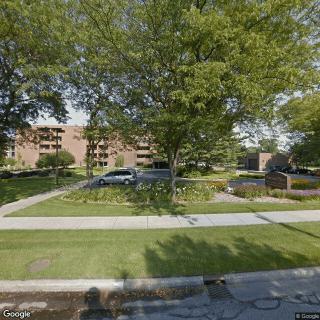
 Amenities-rich locale with around-the-clock staff.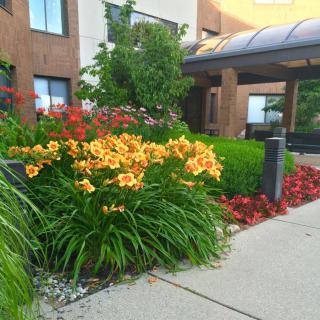
 Why Do Dementia Patients Sleep So Much? Understanding Oversleeping, Stages, and Care Approaches
 8 Key Indicators That Suggest It May Be Time to Transition from Assisted Living to Skilled Nursing Care
 Nourishing the Mind: Essential Dietary Approaches for Dementia