
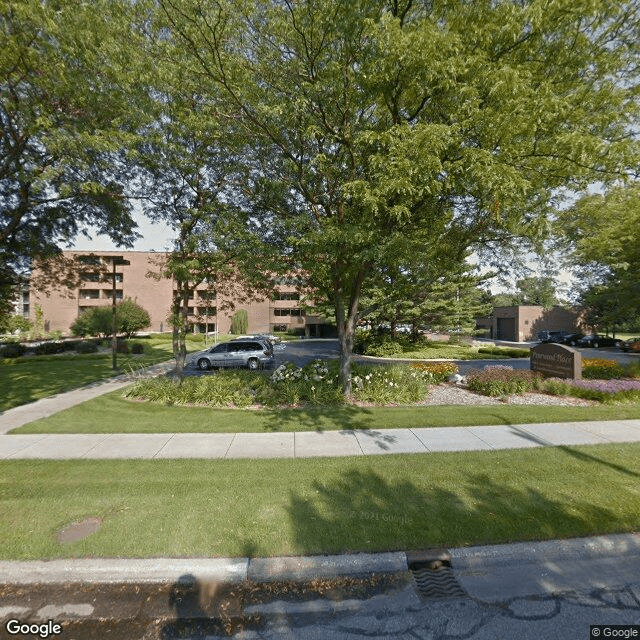
1450 S. Ferry, Grand Haven, MI 49417
For more information about senior living options: (866) 208-4318
Overall Review of Village of the Pines
Pros
 The place is nice.
- It looks nice from the outside.
- It is very nicely decorated for Christmas.
- It has a homey atmosphere.
Cons
 The place has big problems retaining staff.
Review
Village of the Pines in Grand Haven is best suited for seniors who prize a warm, home-like living experience over a clinical, hospital-like feel. The community presents well from the street and continues that impression inside, with décor that leans toward comfortable, residential spaces and seasonal touches that create a welcoming, “at home” atmosphere. For residents who value social warmth, familiar routines, and a sense of hominess in daily life, the environment can be very appealing. The setting is inviting, and when interactions occur, the pace feels less institutional and more like a neighborhood senior living arrangement.
That said, certain realities should drive the decision process. The clearest reason to consider alternatives is the difficulty in retaining staff. Long-tenured caregivers are not consistently present, and turnover appears to be a recurring challenge. For families prioritizing reliability in daily assistance, this instability can translate into variable staff assignments, less continuity for familiar caregivers, and potential gaps in timely help. Prospective residents with higher assistance needs should weigh this risk heavily, as dependable caregivers are foundational to safety, medication management, and prompt response to falls or alarms.
The community’s strengths lie in the atmosphere and aesthetics. The homey vibe, tasteful furnishings, and thoughtful decorating, especially during festive seasons, contribute to a mood that supports social interaction and emotional comfort. Residents are likely to feel welcomed, enjoy common-area gatherings, and benefit from a calendar that emphasizes community life. These positives matter: a pleasant setting and a sense of belonging can improve mood, reduce anxiety, and encourage participation in activities, which in turn supports overall well-being. However, these advantages tend to blur when caregiver turnover disrupts routines, leading to inconsistent daily schedules, repeated introductions for new aides, and variability in how activities and personal care are delivered.
Despite strong subjective impressions, the main con cannot be ignored when evaluating fit for any resident with real-time care needs. Staffing instability undermines the consistency that many seniors require for optimal functioning, help with dressing, bathing, mobility tasks, timely medication reminders, and rapid escalation of concerns. Even a well-decorated, comfortable environment cannot fully compensate for frequent changes in who administers care or how quickly assistance is provided. The result is a dependency on luck about who is on shift, rather than a dependable care plan anchored by stable staff and reliable supervision.
In practice, families should approach a tour with a candid checklist aimed at staffing clarity. Inquire about ratios by shift, staff tenure, and how leadership monitors and supports caregiving when vacancies arise. Request opportunities to observe interactions during peak activity times and to speak with current residents about their experiences with care responsiveness. Ask for concrete metrics or reports on turnover, staff training, and how the community handles care transitions when shifts rotate. These questions translate into a practical picture of whether the ambience can be sustained by consistent caregiving.
Ultimately, a clear decision framework emerges. Village of the Pines excels for seniors who crave a homey, aesthetically pleasing environment and who can tolerate, or even overlook, occasional staffing fluctuations in exchange for social connectedness and a cozy living atmosphere. For residents with higher acuity, complex medical needs, or an intolerance for variability in assistance and responsiveness, alternative communities should be seriously considered. The prudent path combines a rigorous on-site evaluation, across multiple shifts, with candid conversations about staffing stability, followed by direct comparisons with peers that demonstrate stronger retention and more predictable care delivery.
 Muskegon County (9 miles away)





 Weight Training for Seniors: Building Strength and Vitality
 Understanding the Sandwich Generation: Stress and Responsibilities for Multigenerational Caregivers
 8 Essential Assistive Devices for Older Adults