

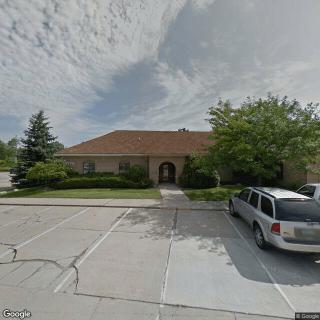
2240 E. Hill Rd., Ste A, Grand Blanc, MI 48439
To contact a resident: (810) 232-2433
For more information about senior living options: (866) 208-4318
Overall Review of Right At Home
Pros
 Karman is praised for saving the anniversary by finding a substitute to cover a shift.
 - The staff at Right at Home are professional, caring, patient, and responsible.
- Right at Home caregivers consistently arrive on time and take good care of loved ones.
- The management team is responsive and keeps a steady schedule to avoid confusion for families.
- Right at Home Genesee County provides excellent, professional, courteous, and punctual support.
- The coordinators are friendly and easy to work with, and aides are replaced quickly if not a good fit.
- The owner, Marcus, personally meets families to ensure comfort with the service.
- Right at Home is a lifesaver, providing dependable, qualified health aides and flexible staffing.
- The organization helps families keep their loved ones in their own homes for as long as possible.
- The caregivers are compassionate and genuinely care for clients, earning high recommendations.
Cons
 Right at Home charges the full rate when their employees repeatedly arrive 1-2 hours late for appointments, whether the service can be used or not.
- Right at Home's continually changing caregivers and the retraining burden for new staff have made the service unsuitable for their elder care needs.
- Right at Home needs to correct its business ethics and put customers first.
Review
Right At Home in Grand Blanc is best suited for families seeking dependable, round-the-clock in-home care that allows an elderly loved one to stay at home. It works well for households that prize continuity, keeping the same caregivers on a steady schedule, and appreciate direct, hands-on involvement from a local office. For seniors who need ongoing assistance with daily activities, light medical oversight via visiting nurses, and the flexibility to ramp hours up or down as needs shift, this agency delivers a practical, home-centered care solution.
Carefully consider alternatives if certain deal-breakers show up. A standout risk is billing tied to caregiver tardiness or unpredictable scheduling. If consequences for late arrivals, whether or not care can be used, are unacceptable, or if a rigid, single-caregiver model is non-negotiable, other providers may be a better fit. Families on very tight budgets or seeking a more predictable, facility-like environment may also want to compare options such as other home-care agencies or an assisted living setting, which can offer different staffing and pricing structures.
The strongest positives center on reliability, empathy, and responsiveness. Many caregivers arrive on time and deliver patient, professional, and compassionate support, with staff described as attentive, proactive, and capable of forming a strong rapport with both the client and family. The office team stands out for accessibility and quick problem-solving, often coordinating replacements smoothly when needed and aligning schedules to reduce confusion for the elder. The combination of on-site care, nursing oversight, and a visible owner or leadership presence adds a level of accountability that families notice and value.
Yet the most telling drawback is the charge for late arrivals and the occasional turnover that accompanies staffing shifts. When caregivers come in late or when faces change frequently, it can disrupt routines and erode trust. The recurring retraining burden for new aides can feel exhausting to families trying to maintain consistency. These issues are not universal, but they appear enough to factor into the decision, especially for households that depend on predictable day-to-day rhythm and a fixed expectation of who will be in the home.
Despite the cons, the pros frequently offset the negatives for families who prioritize home-based care with strong oversight. The ability to staff quickly for extended hours, the ongoing availability of coordinators who stay engaged, and the nurse visits that verify the plan of care create a safety net that is hard to replicate in other settings. The personal touch, the owner meeting families, the quick turnover-to-fit approach when a caregiver isn’t a good match, and the palpable commitment to keeping loved ones comfortable at home, transforms potential irritants into manageable risks.
For families deciding whether Right At Home is the right path, start with a candid review of current needs and tolerance for scheduling variability. Ask for a dedicated, stable care plan with a guaranteed caregiver roster when possible, and request a clear policy on late-arrival charges and contingencies. Seek a written care plan that outlines who will be present, how scheduling changes are communicated, and how nursing oversight will be integrated as needs evolve. If continuity, home-based comfort, and responsive office support align with priorities, and the team can demonstrate a reliable approach to minimizing late arrivals and turnover, this agency stands out as a pragmatic, experienced choice. If those elements cannot be aligned, or if a more predictable, single-provider model is essential, exploring alternatives may prevent longer-term frustration.
 Bishop (4 miles away)





 Exploring Palliative Care in the Home: A Comprehensive Overview
 Comprehensive Insights into Palliative Home Care: What It Is and What to Expect
 Skilled Nursing Facilities vs. Nursing Homes: Making Sense of the Differences